1. State the encounter
Define arena shape, player actions, boss scale, and the single skill the fight tests.
SEELE AI turns a focused Boss Arena brief into a browser-playable 3D prototype: movement, attack timing, readable telegraphs, health states, and a restartable outcome.
Start with one arena and one boss. Review the generated output before treating it as production-ready.
Boss fights expose control feel and encounter readability quickly. The smallest useful test is deliberately narrow.
Define arena shape, player actions, boss scale, and the single skill the fight tests.
Create movement, attack, dodge, telegraph, damage, victory, defeat, and restart behavior.
Test the generated browser build. Tighten timing, camera, feedback, and mobile controls before adding scope.
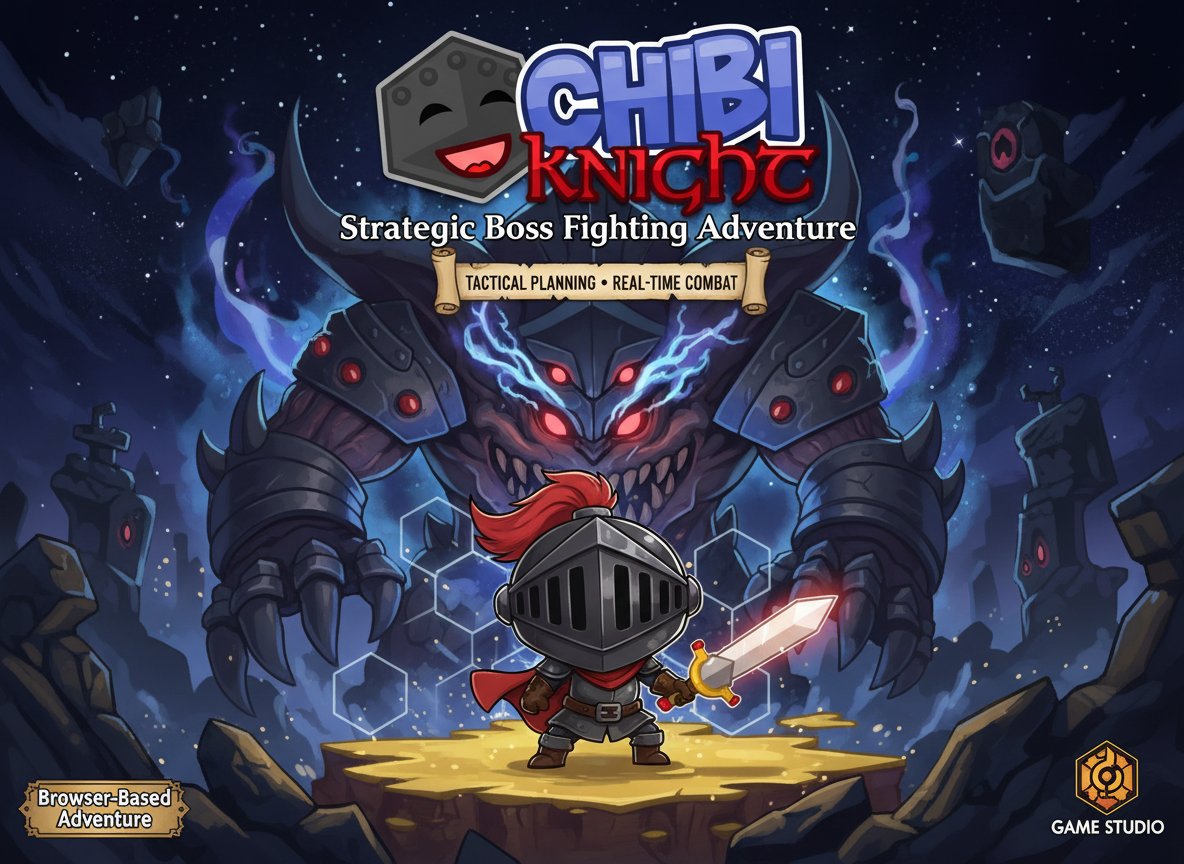
Chibi Knight is an existing SEELE-hosted browser playable centered on boss encounters. Open it, start the game, and use it as interaction reference—not as a claim that a new generated result is already complete.
The generation CTA carries this full scene context directly into the real workspace flow.
No. This workflow starts with a playable prototype. Human review, asset rights, balance, performance, accessibility, and production polish remain necessary.
Generation uses the Koin or generation allowance available on your account. Check the amount shown in Workspace before you start; this page does not promise a fixed price or free generation.
You are responsible for having the rights to prompts, uploads, and other input materials. SEELE outputs and any third-party assets remain subject to the applicable Terms of Service and Privacy Policy; review those terms before commercial use.
One encounter reveals whether movement, telegraphs, damage feedback, camera, and restart behavior work before content scope hides the core problem.
Yes. The CTA opens the generation workspace with editable Boss Arena context. Replace the art direction, boss pattern, controls, or arena while preserving a testable loop.
Last updated: 2026-07-12.
Generate the smallest encounter that proves the combat loop.