
Seele AI · Create
Mini-game Level Generator
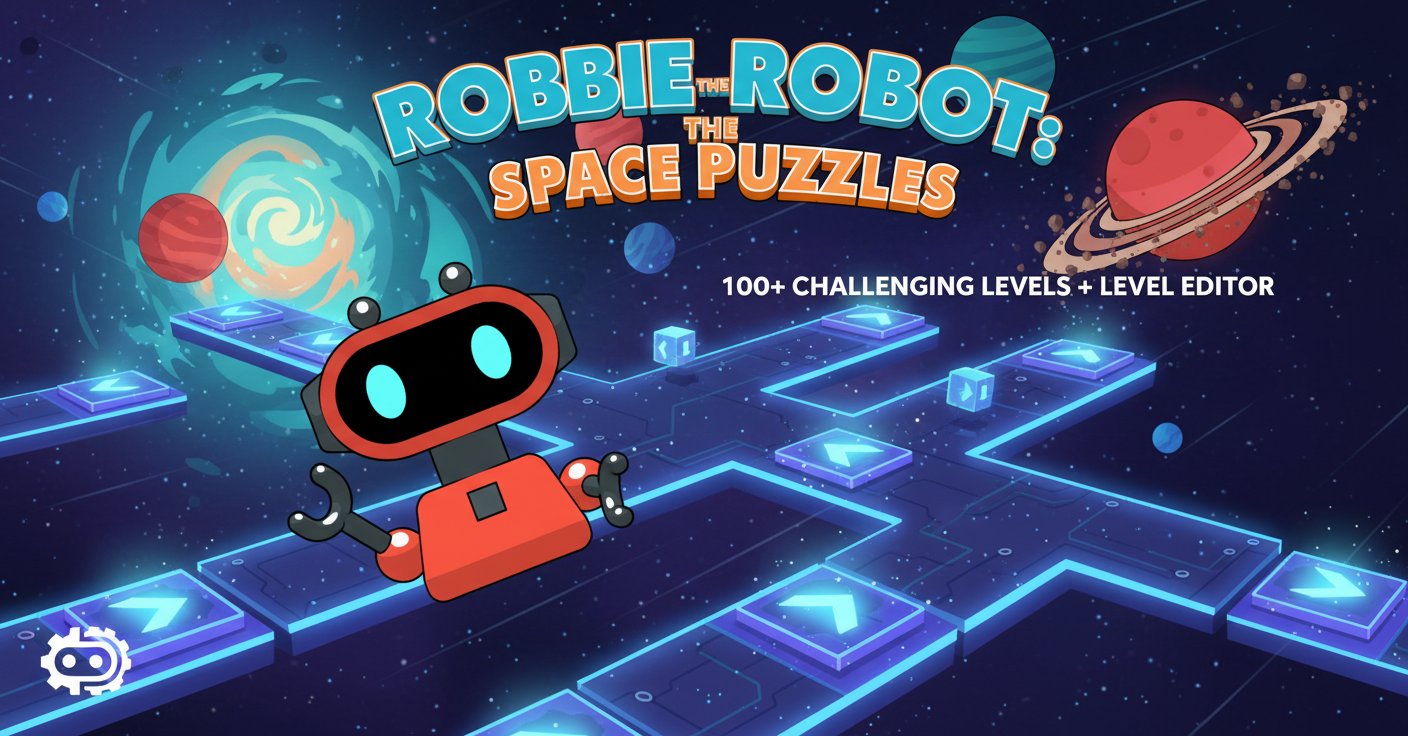
Build a reusable level-generator tool for your game
Use this prompt to build the mini-game level-generator tool itself, with configurable rules, size, difficulty, objectives, obstacles or enemies, rewards, seed, preview, regenerate, and playable-data export. Review each generated level and its exported schema before integrating it into a game.
The working loop
Generate, Inspect, And Export One Level
Define The Generator Rules
Name the mini-game and set dimensions, difficulty, objectives, content budgets, rewards, and seed behavior. Seele uses the prompt to build an editable level-generator interface and its generation logic.
Preview And Regenerate
Run several seeds, keep settings visible, and inspect reachability, pacing, spawns, objectives, and rewards. The prototype renders a level preview and regenerates from the selected configuration.
Validate Playable Data
Export the level, compare it with the preview, and load it in the intended game runtime or validator. The prototype returns structured level data using the requested schema.
What leaves the page
Artifacts From The Generator Workflow
Reusable Generator Tool
An editable prototype with controls for rules, dimensions, difficulty, objectives, content budgets, rewards, and seed.
Seeded Level Preview
A visible generated layout for checking routes, spawns, hazards, goals, pacing, and reward placement.
Playable Level Data
A structured export containing the seed, layout, entities, objectives, rewards, and schema metadata requested in the prompt.
Fit and limits
Best For And What Still Needs Review
Best for
- Prototyping a configurable generator instead of listing preset levels
- Comparing deterministic seeds while keeping rule inputs visible
- Defining a structured handoff from visual preview to runtime data
Still needs human review
- Reachability, solvability, spawn safety, pacing, and reward balance across many seeds
- Export-schema validation and compatibility with the target game runtime
- Rights, accessibility, performance, analytics, security, and final release approval
Before you start
FAQ
What does this mini-game level generator prompt build?
It asks Seele AI to build the generator tool itself: a reusable workspace experience where creators can set level rules, map size, difficulty, objectives, obstacles or enemies, rewards, and a random seed. The requested build also includes a level preview, a regenerate action, and an export control for structured playable level data rather than a static gallery of sample levels.
Can I use the same seed to reproduce a level?
The starter prompt explicitly requests a random-seed field and deterministic regeneration behavior. During review, enter one seed, generate a level, save the exported data, and run the same configuration again. Compare layout, objectives, spawn points, hazards, and rewards before treating the output as reproducible, because a generated prototype still needs direct behavior testing.
What level rules should I configure first?
Start with the smallest ruleset that defines a complete play loop: level dimensions, player start, one objective, a reachable finish, an obstacle budget, and a reward condition. Then add enemy density, pacing, checkpoints, or biome constraints one at a time. This makes it easier to identify which rule caused an invalid or unplayable generated layout.
How should difficulty change across generated levels?
Describe difficulty as observable constraints rather than a single vague slider. Useful inputs include obstacle count, enemy strength, safe-space frequency, route length, time pressure, reward scarcity, and recovery opportunities. Review several seeds at each difficulty setting and reject configurations that create impossible objectives, blocked routes, unfair spawns, or rewards that cannot be reached.
What should the exported playable level data contain?
Ask for a documented structured format such as JSON containing the seed, dimensions, tile or node layout, player start, objective locations, obstacles, enemy spawns, rewards, and version metadata. Validate the exported object against the actual preview and the target game runtime. A visible export button alone is not proof that the data is complete or compatible.
Is the generated level ready to ship without review?
No. Treat the generated tool and every exported level as an editable prototype. A designer or developer should verify reachability, spawn safety, difficulty progression, reward balance, deterministic seed behavior, schema validity, and integration with the target game. Rights, accessibility, performance, analytics, and platform-specific release checks also remain human responsibilities.
Next move
Build Mini-game Level Generator faster in Seele AI
Turn a rough creation goal into a clearer prompt, direction, and next step inside Seele AI.