
Seele AI · Create
Unity Shop Management Game Generator
Move from a broad creation goal to a clearer playable direction faster in Seele AI.
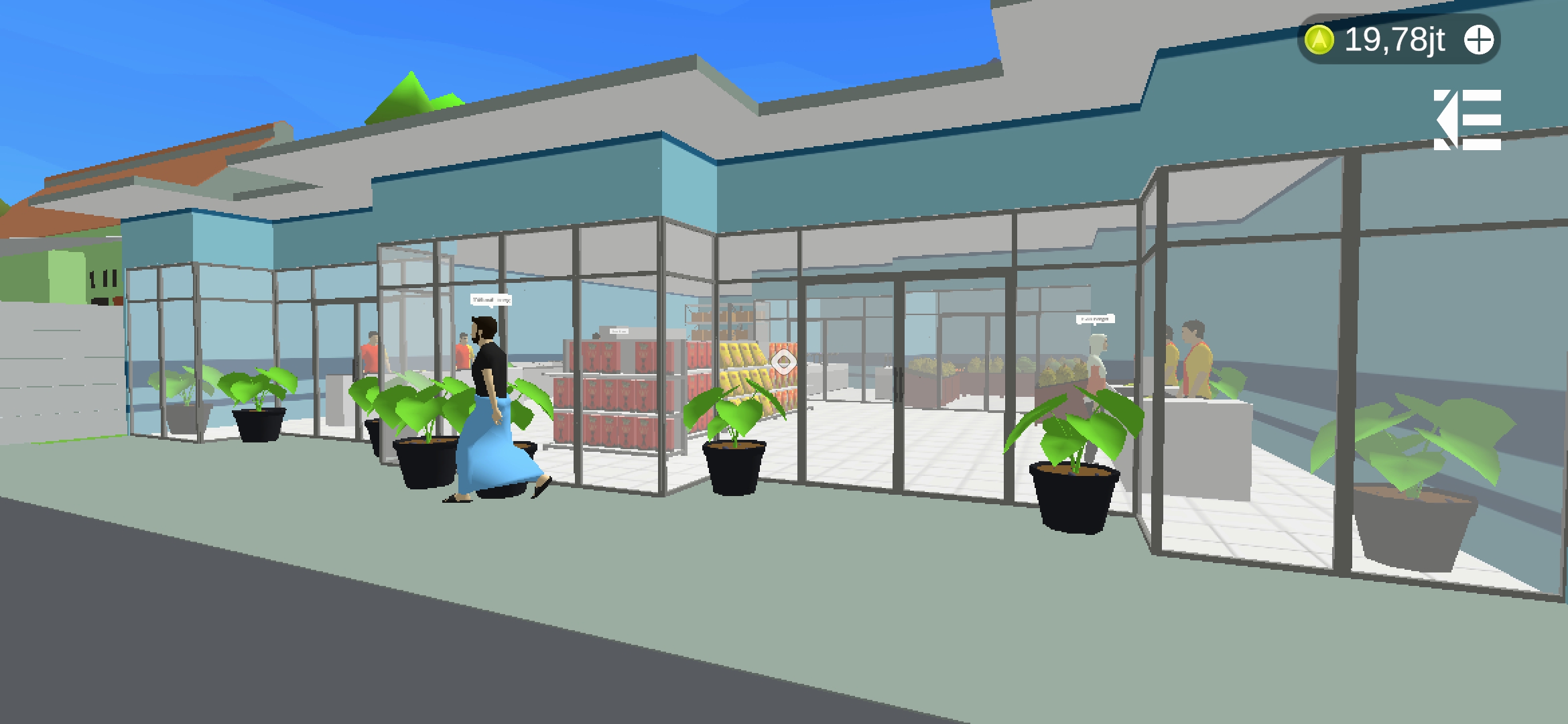
A Unity shop management game generator turns a plain-language brief into an editable retail or food-service game starting point with stock, customer orders, making or growing supplies, prices, sales, currency, serving, upgrades, daily progression, and a Unity scene, prefab, data, and export handoff. The disclosed third-party gameplay proof shows real shop shelves, customers, a checkout area, and currency in the open-source Unity project Store Simulator Game (UyeToko); it is not a SEELE output, DOM mock, or fake HUD.
The working loop
From Shop Brief To Unity Handoff
Keep supply, service, economy, progression, and project delivery in one prompt-led build path.
Define The Shop Loop
Choose the shop type, stocked or crafted goods, supply method, customer and order behavior, prices, currency, serving rules, upgrade path, and day goal. Seele turns the brief into a structured shop-management direction with explicit inventory, service, and economy rules.
Generate And Playtest
Run the prototype and test receiving or making stock, customer queues, order validation, shelf or station interactions, sales, shortages, day flow, and upgrades. The workspace produces an editable starting point for focused gameplay iteration.
Refine And Hand Off
Tune demand, prices, queue pacing, recipe or crop times, feedback, save data, accessibility, scene organization, prefabs, ScriptableObjects or data tables, and build settings. Seele applies revisions while preserving an inspectable Unity project path.
What leaves the page
What The Unity Shop Build Includes
Review service gameplay, economy progression, and project delivery as separate outputs.
Stock-To-Service Loop
Inventory counts, shelf or station stocking, customer or order queues, item requests, interaction states, serving, completed sales, shortages, and fail or wait feedback.
Supply, Pricing, And Progression
Craft, cook, grow, or wholesale replenishment; recipes or item data; prices; currency; revenue and costs; day goals; unlocks; and shop or stall upgrades.
Unity Project Handoff
Organized scenes, reusable customer, item, shelf, workstation, and upgrade prefabs, inspectable scripts, ScriptableObjects or data tables, save notes, and an export-ready project path.
Fit and limits
Best For And What Still Needs Review
Best for
- Prototyping farm shops, florist counters, magical markets, food stands, and other Unity retail-management loops from a focused prompt
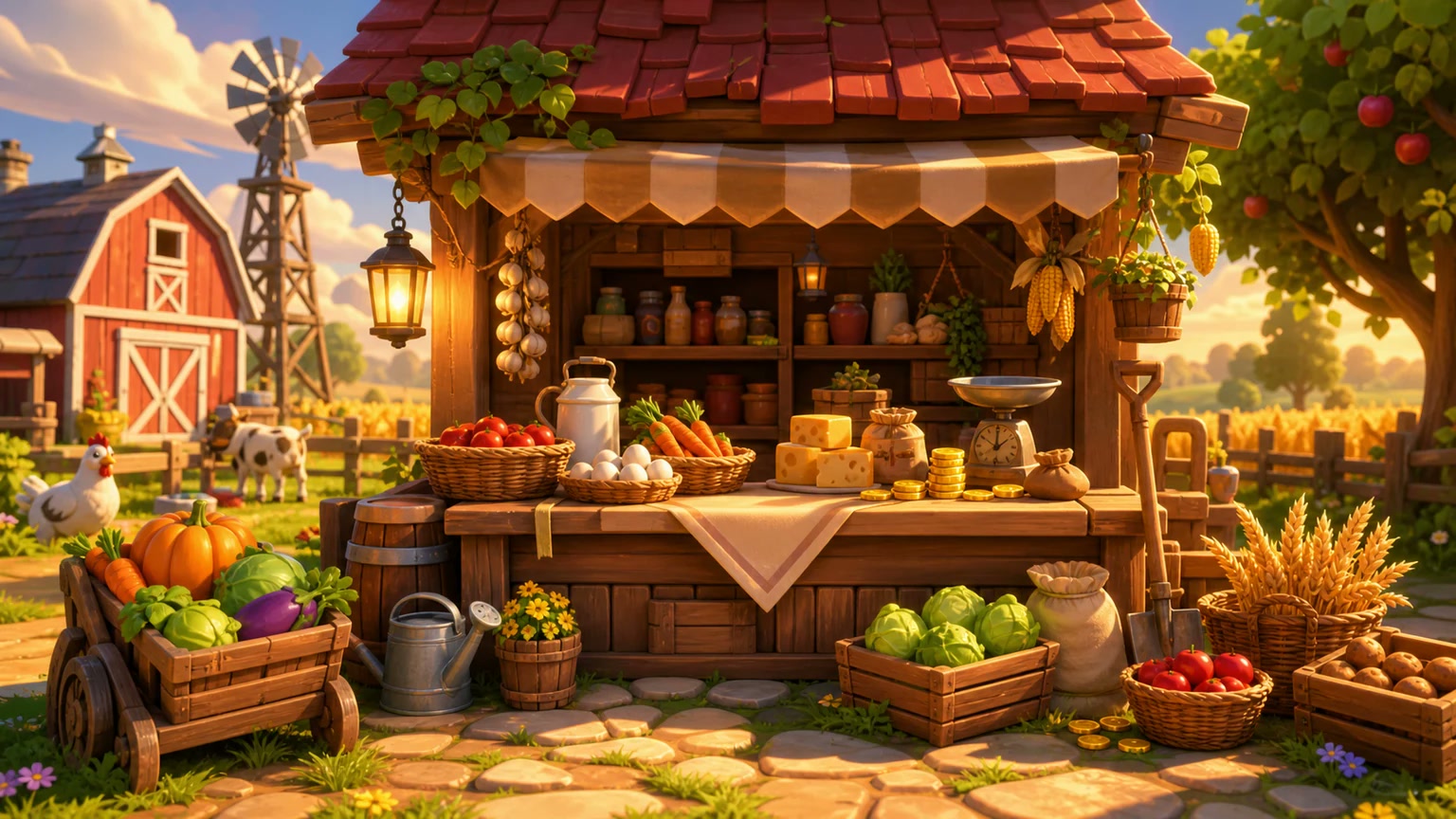
- Exploring stock, customer requests, crafting or cooking, pricing, sales, currency, serving, upgrades, and daily progression in one reusable system
- Testing queue pacing, stock shortages, item data, transaction feedback, unlock curves, and shop layout interactions before production
Still needs human review
- Playtest inventory integrity, queue fairness, order validation, supply timing, pricing balance, transaction math, currency sinks, upgrade pacing, daily goals, and save recovery
- Review generated C# code, Unity version and packages, scene and prefab references, ScriptableObjects or data tables, asset rights, accessibility, performance, localization, persistence, analytics, and platform compatibility
- Confirm final art and audio, customer behavior, recipe or crop content, economy tuning, build settings, store requirements, export behavior, and production QA before release
Before you start
FAQ
What does a Unity shop management game generator create?
It creates an editable starting point for a Unity retail or food-service game: inventory, customer or order queues, supply and replenishment, prices, currency, serving, sales, upgrades, daily progression, and a structured project handoff. Treat it as a prototype that still needs playtesting, code review, and economy validation.
Can it support farming, crafting, cooking, and wholesale stock?
Yes. Define one or combine several supply sources: grow crops, craft bouquets, cook recipes, or buy wholesale goods. Specify lead times, capacities, ingredients, spoilage if relevant, storage rules, shelf or station transfers, and what happens when a requested item is unavailable.
How should customers, orders, and serving work?
Describe arrival rate, patience, queue capacity, requests, substitutions, payment, fulfillment feedback, and failure states. For food service, include preparation and pickup stations; for retail, include shelves, baskets, and a till. Human playtesting should verify readability and fair pacing.
Can the game track prices, sales, currency, and upgrades?
The brief can require editable prices, costs, transaction totals, revenue, currency, daily summaries, unlock conditions, and shop or stall upgrades. Verify rounding, save behavior, negative balances, exploits, demand response, and the progression curve before shipping.
What does the Unity export handoff include?
Ask for organized scenes, reusable customer, item, shelf, workstation, checkout, and upgrade prefabs, inspectable C# scripts, ScriptableObjects or data tables, save notes, and build instructions. Before publishing, verify references, packages, licenses, platform settings, performance, and persistence.
Is the gameplay proof a SEELE-generated result?
No. It is a disclosed third-party screenshot from Store Simulator Game (UyeToko), an open-source Unity project by Pauza Nasrullah / nasfadev. The screenshot repository is published under the MIT License. It demonstrates stocked shelves, customers, a checkout area, and in-game currency only; it is not a SEELE output or product screenshot.
Next move
Build Unity Shop Management Game Generator faster in Seele AI
Turn a rough creation goal into a clearer prompt, direction, and next step inside Seele AI.