
Seele AI · Unity adventure prototyping
Turn Unity Firefly Legends into a playable forest journey
Turn a Unity Firefly Legends idea into a luminous 3D journey you can review, test, and refine around exploration, encounters, and environmental change.
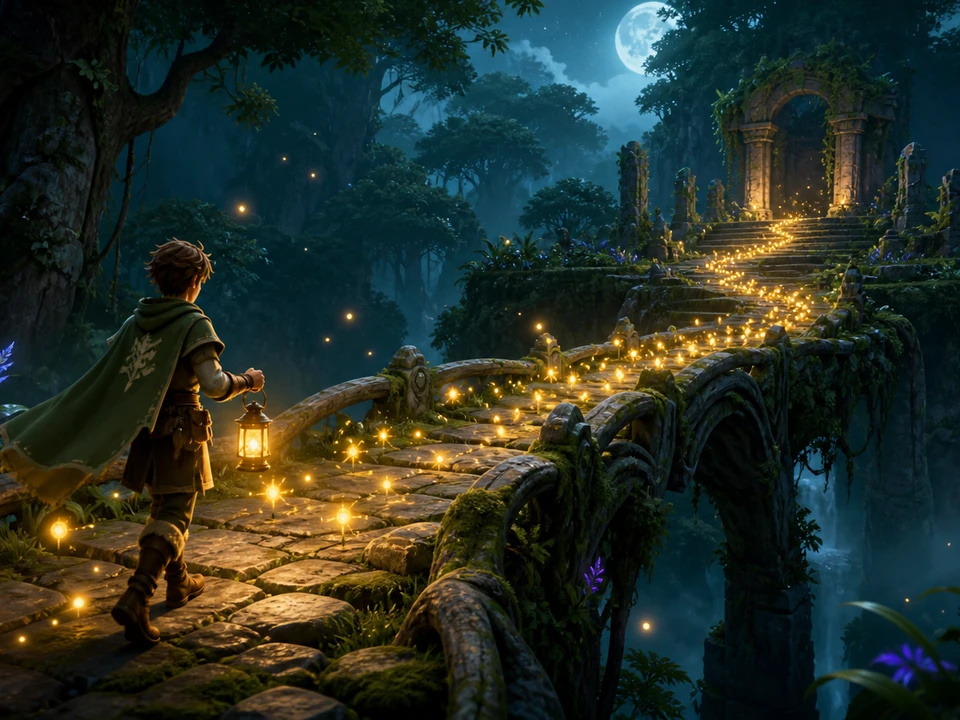
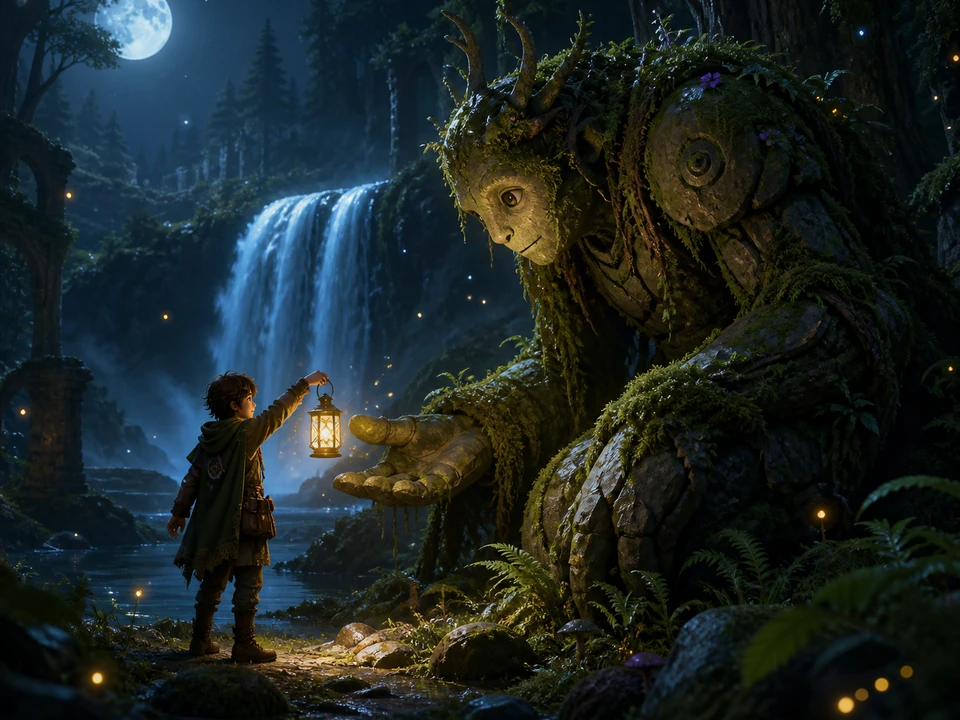
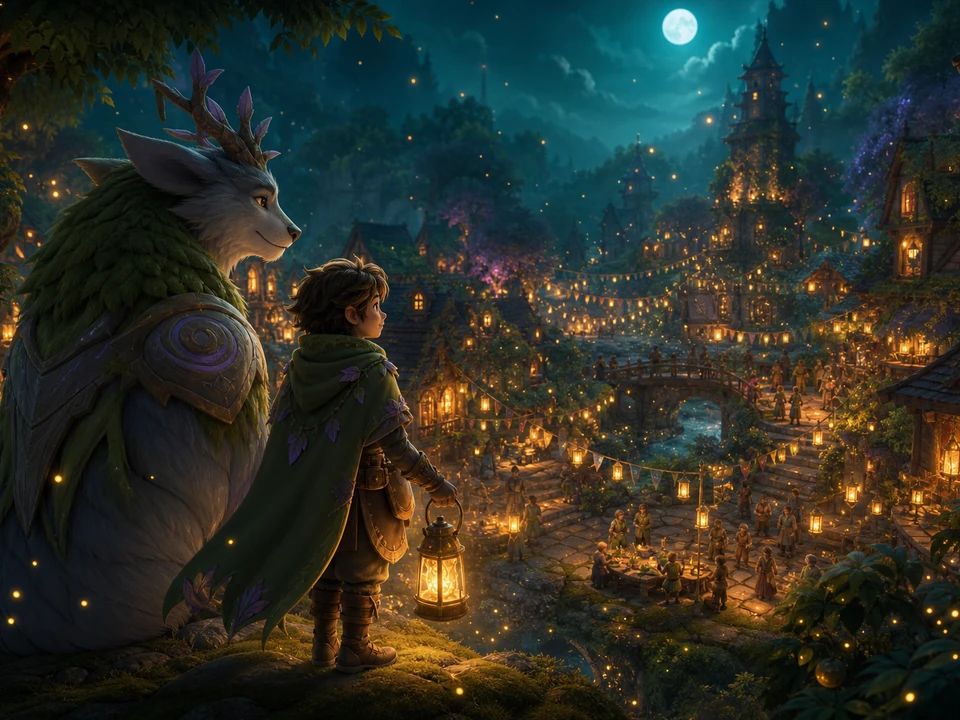
Visible prototype result
Review the adventure world before expanding its scope
Move from a focused ranger, forest objective, and magical interaction to an original playable direction. Inspect whether navigation, character response, and restoration feedback communicate the intended journey.
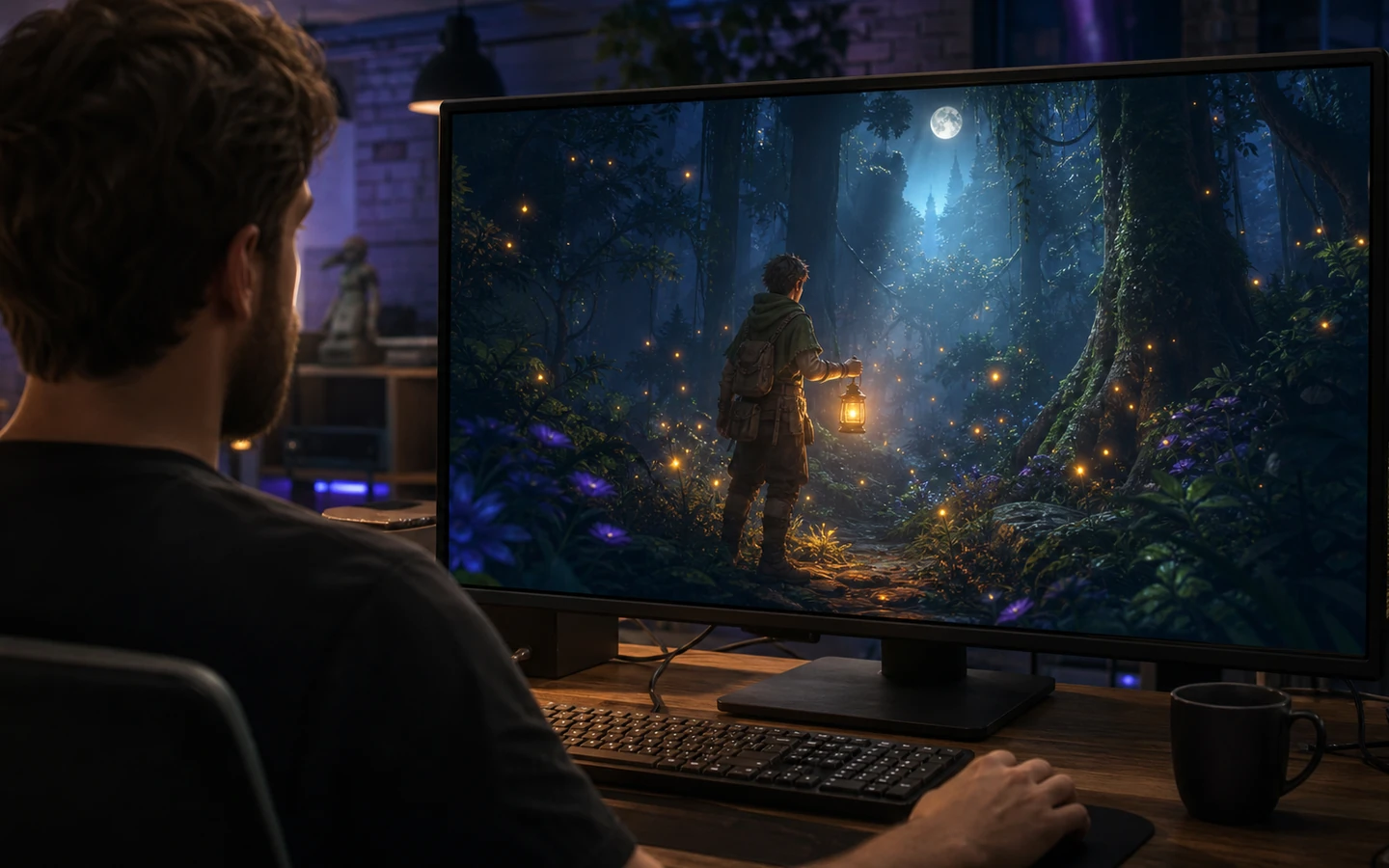
Built for early validation
Turn a fantasy premise into a concrete test
Define how the ranger follows fireflies, navigates landmarks, meets a guardian, and reaches one meaningful outcome.
Use lantern light, character animation, environmental changes, and restored spaces to make progress observable.
Continue refining generated scenes, interactions, camera behavior, and Unity-oriented output after the first pass.
Independent signals
Trust is part of the build.
Two practical jobs
Test the adventure decision that matters now

Validate environmental guidance
Check whether firefly trails, silhouettes, light, and landmarks guide the player through the forest without intrusive instructions.

Pitch a character-led world
Give collaborators a concrete ranger, guardian, setting, and transformation arc instead of relying only on written lore.
From prompt to next build
Shape the prototype around evidence
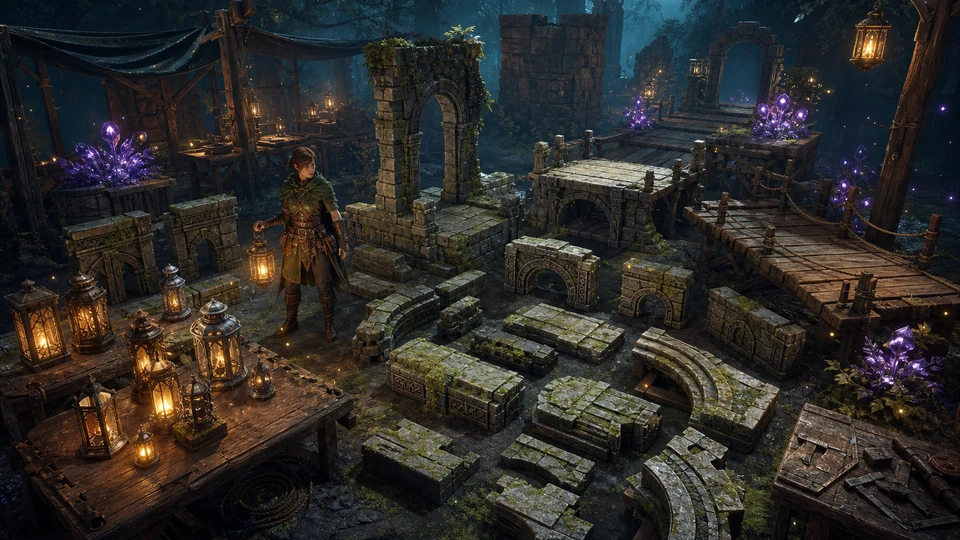
Compose a modular forest
Bring ruins, bridges, glowing plants, water, lanterns, and traversal landmarks into one coherent adventure space.

Make encounters readable
Use pose, distance, light, and in-world reactions to clarify how the ranger and forest spirits affect each other.

Show meaningful change
Transform corrupted spaces into restored bioluminescent environments so the player can see the result of the loop.
Unity Firefly Legends FAQ
Questions before you build
What is a Unity Firefly Legends prototype?
A Unity Firefly Legends prototype is an early game build that tests a firefly-guided fantasy adventure loop in Unity. A focused version can combine forest navigation, a lantern interaction, one character encounter, and one visible environmental transformation. It is not a finished game, and generated project output still needs human playtesting, code review, asset-rights checks, and production polish.
How does AI-assisted Unity Firefly Legends prototyping work?
Start with a concise brief that defines the ranger, destination, firefly guidance, key encounter, and desired world change. Seele AI can turn that direction into original 3D game scenes and Unity-oriented output, which you then inspect and refine through focused iterations. AI generation does not replace gameplay design, debugging, performance work, accessibility review, or final Unity implementation decisions.
What should I define before building the prototype?
Define one player goal, one navigable forest route, one interaction, and one observable outcome before generating the first build. Also specify camera perspective, movement feel, light behavior, landmark hierarchy, encounter trigger, failure boundary, and target platform. Broader narrative, save systems, content pipelines, localization, and deployment requirements should remain outside the first test unless essential.
Which Firefly Legends ideas are suitable for an early Unity prototype?
Firefly trail navigation, lantern-based interactions, a forest guardian encounter, and one corrupted-to-restored location are suitable early prototype ideas. Each can answer a specific question about guidance, atmosphere, character readability, environmental feedback, or the rhythm between exploration and reward. Large open worlds, branching campaigns, multiplayer systems, and extensive quest content should be decomposed into smaller prototypes.
What are the limits of an AI-generated fantasy adventure prototype?
An AI-generated prototype can accelerate visual and interaction exploration, but it cannot prove that the game is fun, stable, accessible, or production-ready. Creators should review code, assets, controls, camera, frame rate, platform constraints, narrative consistency, and licensing before continuing. Unity is a trademark of Unity Technologies; this workflow does not imply endorsement or automatic store approval.
How do I start a Unity Firefly Legends prototype with Seele AI?
Open the Seele workspace and describe the smallest firefly-guided adventure that would answer your current design question. Name the ranger action, route, landmark, encounter, world response, success condition, visual direction, and target platform, then request focused revisions after review. Keep the first scope narrow so playtest evidence remains clear enough to guide the next build.
From idea to first result
Start building with Seele AI
Turn your idea into an interactive experience you can test and improve.