Blog›Anime AI Chat Characters for Original Game Worlds
Anime AI Chat Characters for Original Game Worlds
Use anime ai chat demand as a safe game design workflow for original interactive NPCs and character dialogue planning.
Seele AI Editorial Team
Posted: 2026-07-15T09:00:00+00:00
Visual guide for Anime AI Chat Characters for Original Game Worlds
Key Takeaways: Anime AI Chat Characters for Original Game Worlds
Direct answer: Anime AI chat characters are safest and most useful for games when “anime” describes a broad visual and storytelling style and every character, name, faction, costume, location, and plot element is original. Build a game-character brief and branching scene rather than imitating a named series or character.
Key entities: Separate visual style, character identity, world rules, player intent, dialogue state, and gameplay consequence. Style can use broad traits—expressive silhouettes, dramatic color scripting, ensemble relationships, or serialized story beats—without copying protected designs, lore, catchphrases, or distinctive character combinations.
Repeatable workflow: 1. Define an original genre premise and the player's role in the world.
2. Create the character's motivation, relationship tensions, knowledge limits, and gameplay function.
3. Draft greeting, conflict, quest, reward, refusal, and fallback dialogue states.
4. Check every name and design element for franchise dependence; rewrite anything that needs outside IP to make sense.
5. Review cultural context, safety, localization, accessibility, and production feasibility before prototyping.
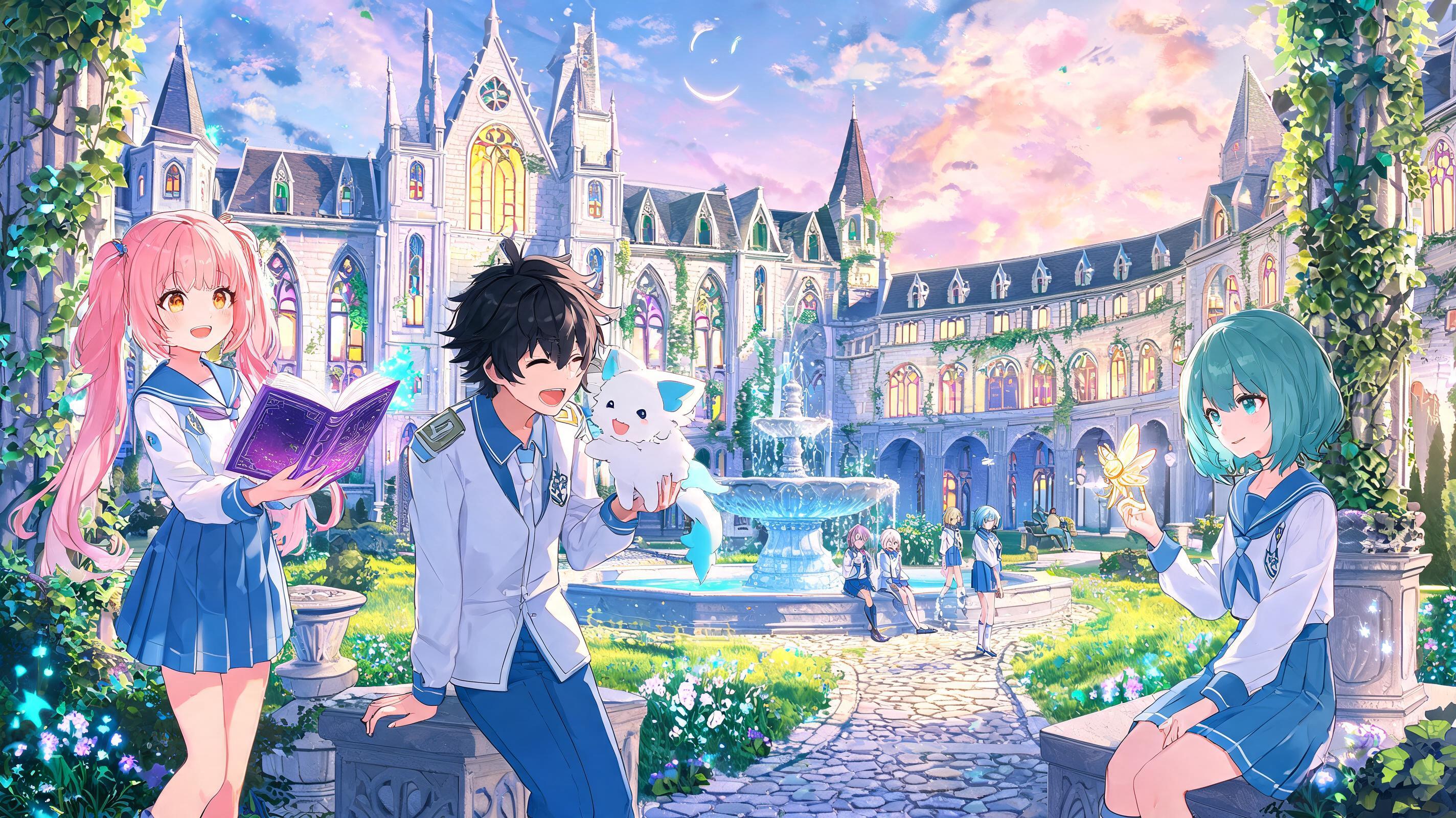
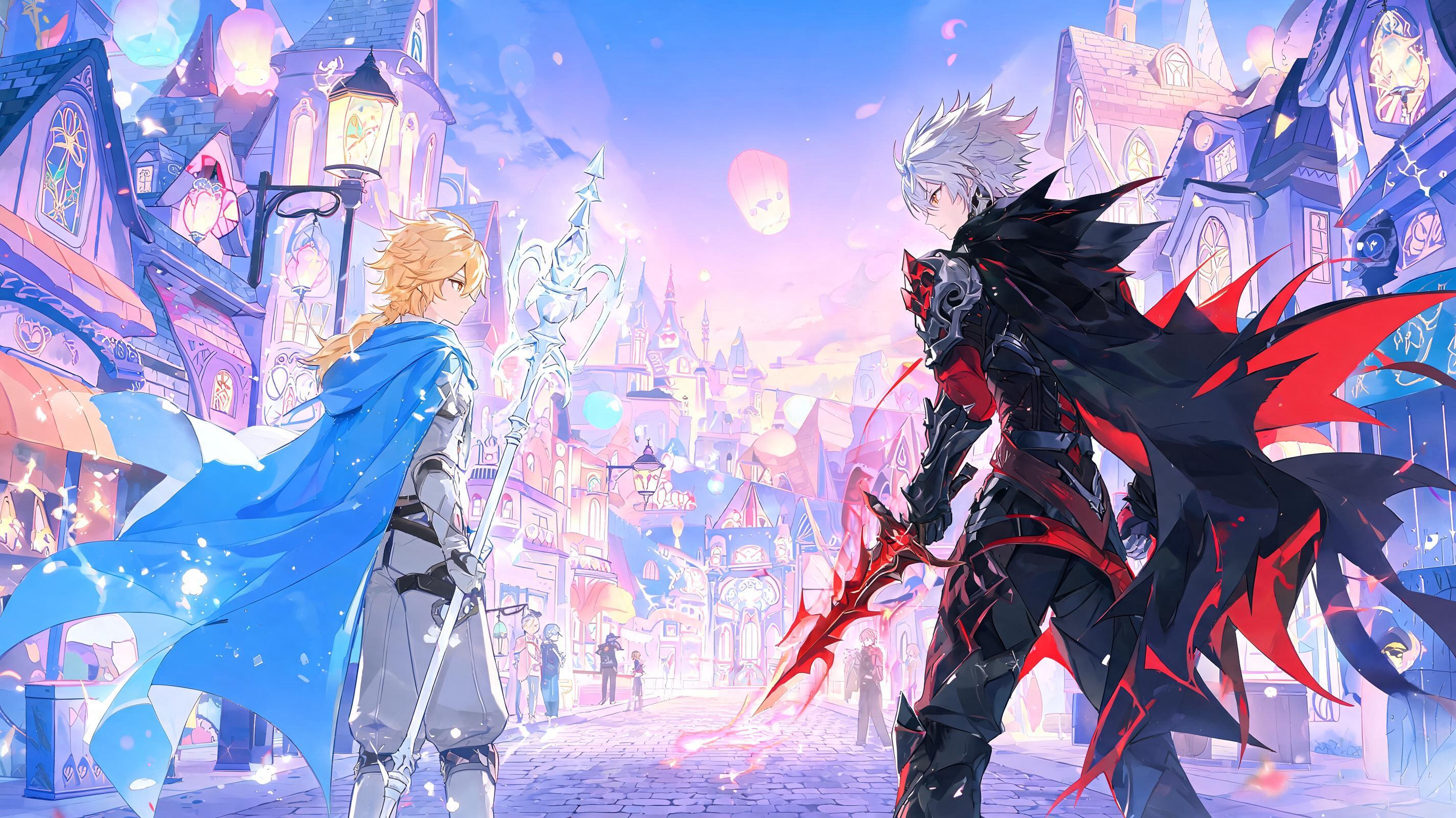
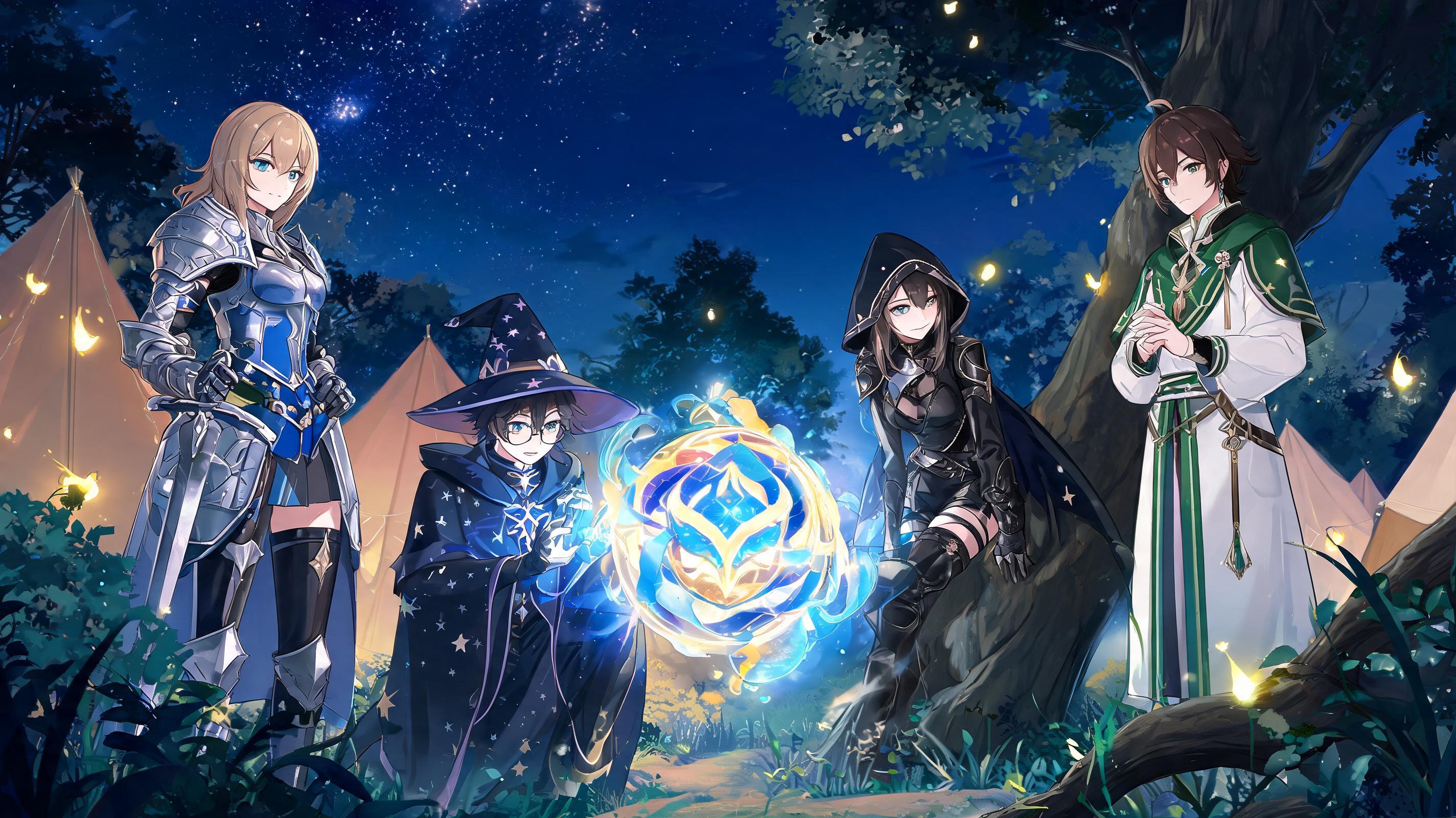
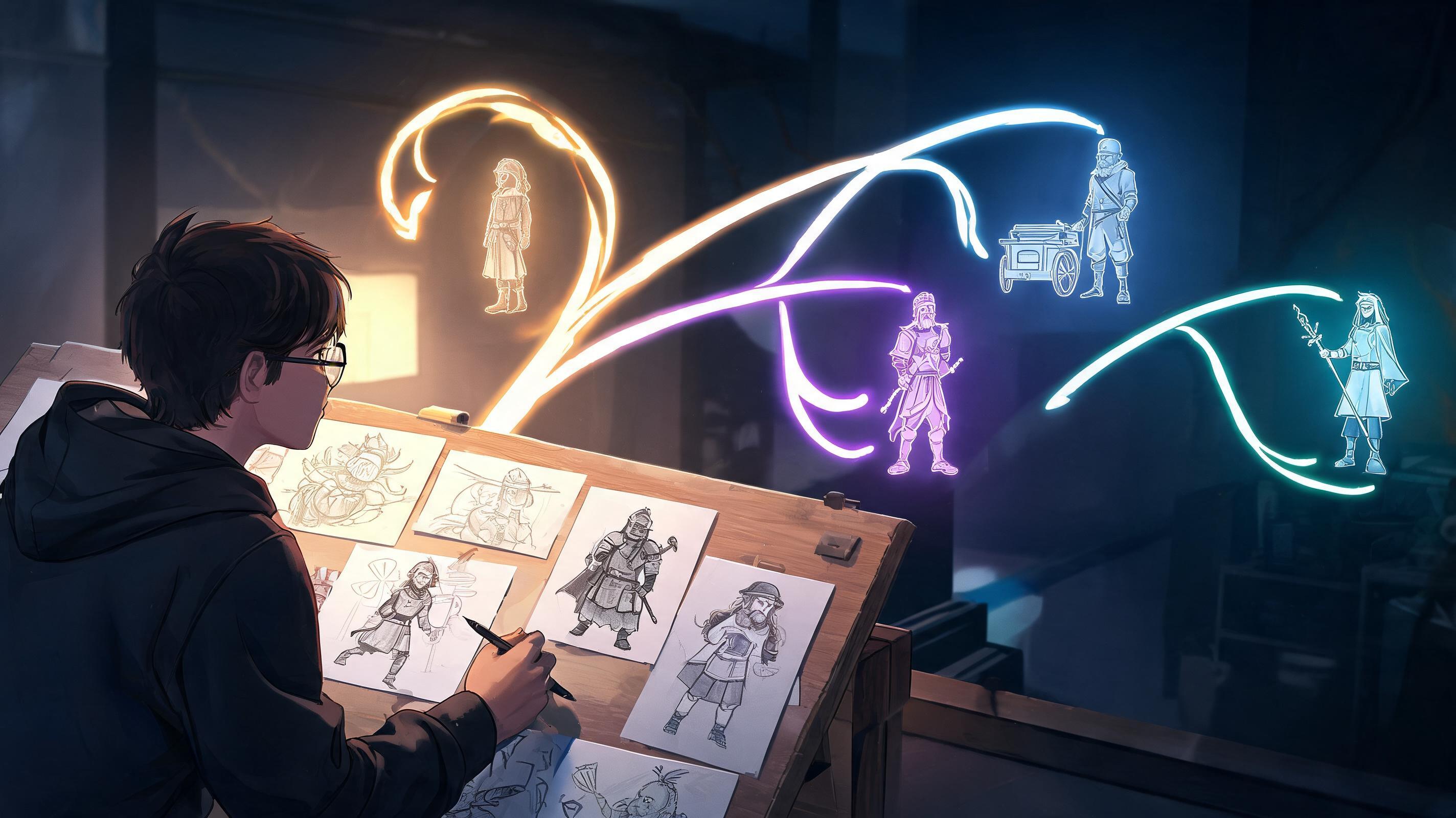
Limits and quality checks: The page's images are original concept illustrations, not gameplay or SEELE screenshots. The workflow does not claim a companion-chat service, persistent character memory, live avatar calls, voice cloning, or autonomous runtime behavior. Evaluate the result by originality, world coherence, branch clarity, gameplay utility, and whether a human creator can explain the source and purpose of every major design choice.
Direct answer: anime ai chat can be used as a game-design workflow when it focuses on original character goals, dialogue states, constraints, and reviewable NPC behavior—not on copying companion-chat products.
Quick answer and key facts
Anime AI chat characters are safest and most useful for games when “anime” describes a broad visual and storytelling style and every character, name, faction, costume, location, and plot element is original. Build a game-character brief and branching scene rather than imitating a named series or character.
Key entities
Separate visual style, character identity, world rules, player intent, dialogue state, and gameplay consequence. Style can use broad traits—expressive silhouettes, dramatic color scripting, ensemble relationships, or serialized story beats—without copying protected designs, lore, catchphrases, or distinctive character combinations.
Repeatable workflow
Define an original genre premise and the player's role in the world.
Create the character's motivation, relationship tensions, knowledge limits, and gameplay function.
Draft greeting, conflict, quest, reward, refusal, and fallback dialogue states.
Check every name and design element for franchise dependence; rewrite anything that needs outside IP to make sense.
Review cultural context, safety, localization, accessibility, and production feasibility before prototyping.
Limits and quality checks
The page's images are original concept illustrations, not gameplay or SEELE screenshots. The workflow does not claim a companion-chat service, persistent character memory, live avatar calls, voice cloning, or autonomous runtime behavior. Evaluate the result by originality, world coherence, branch clarity, gameplay utility, and whether a human creator can explain the source and purpose of every major design choice.
Why this keyword matters
Semrush evidence from the provided Character.AI export lists anime ai chat with volume 2400, KD 47, best Character.AI position 11, and associated traffic 21. This page uses that evidence only as keyword demand, not as proof of SEELE features.
The game-first interpretation
The safe angle is to design interactive game characters: define player intent, NPC motivation, dialogue branches, failure states, and human review gates. SEELE should be described as a workspace for building game ideas and structured prompts, not as a Character.AI clone.
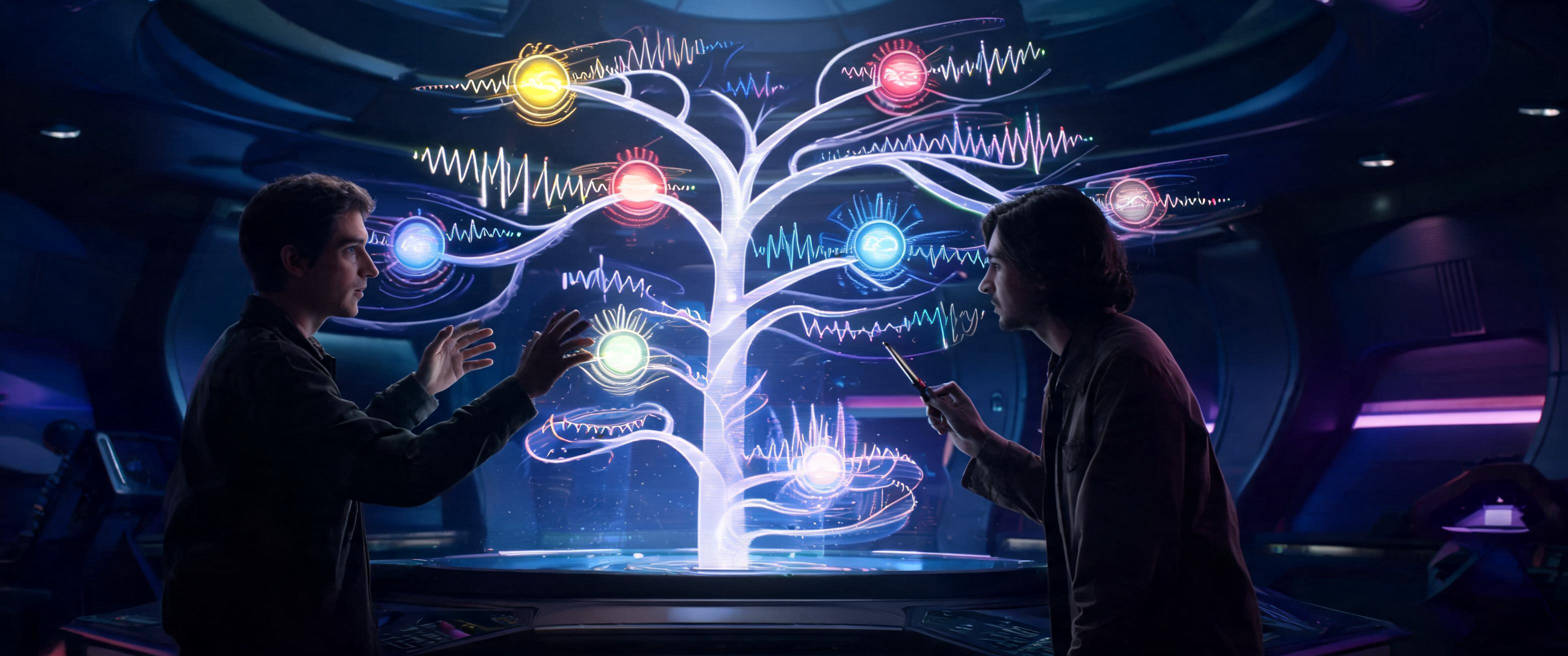
Illustrate how original character conflict, world premise, and player role define an interactive scene.Workflow
Define the playable scene and player role.
Create original character constraints and backstory.
Draft dialogue states for greeting, quest, conflict, reward, and fallback.
Convert the result into a workspace-ready prototype prompt.
Review for originality, safety, tone, and production feasibility.
Practical prompt template
Create an original NPC for an interactive game world. Include role, motivation, relationship to the player, three dialogue branches, a quest hook, boundaries for what the character should not say, and a short test scene.
Limits and review
Do not use copyrighted characters, celebrity likenesses, or claims of live voice calls, voice cloning, or companion chat unless the product evidence exists. Treat outputs as planning drafts that need design and legal review.
FAQ
Is this a companion chat feature?
No. This page frames the keyword as game character design and workflow planning.
Can I use anime-style characters?
Use original anime-style characters only. Do not clone named IP.
Does this include voice cloning?
No. Voice is discussed only as planning for dialogue workflows unless verified product capability exists.
What should the output include?
A character brief, dialogue states, quest hook, constraints, and a prototype prompt.
Is the output production-ready?
No. Human review is required for originality, safety, balance, and implementation.
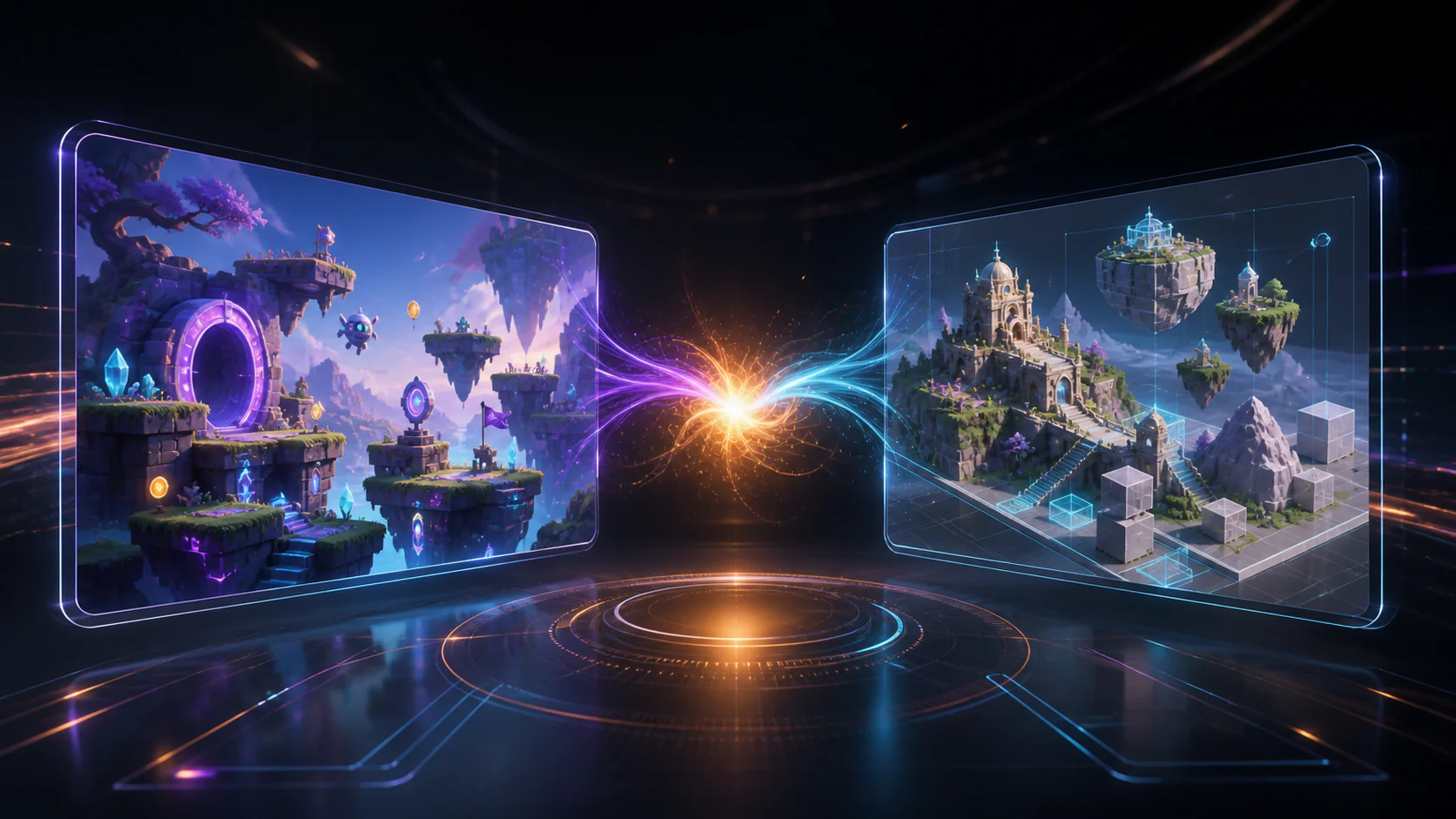
Support the production checklist with an ensemble cast, distinct roles, and a coherent original setting.Production-ready design checklist
A useful anime ai chat workflow starts with constraints before dialogue. Define the genre, camera distance, scene purpose, player verb, emotional tone, and failure case. Then write the character as an original game asset: what the character wants, what the player can ask, what information must stay hidden, and when the conversation should hand back to normal gameplay. This keeps the work practical for designers and avoids treating the page as a promise of companion chat, voice cloning, or real-time avatar calls.
For original anime-inspired game casts, the strongest output is a reviewable brief. A team should be able to see the character role, the sample lines, the branch logic, the safety notes, and the next prototype step. If a line sounds like it depends on a copyrighted franchise, celebrity, or existing anime title, rewrite it into a new world with its own factions, locations, and stakes. If a line implies generated speech, make it clear that this article is about dialogue writing and voice direction, not cloning a person's voice.
Example game workflow
Start with one scene: a shopkeeper who knows a secret route, a rival who tests the player, or a companion-like NPC who exists only inside the game world. Write three player intents: ask for help, challenge the character, and ignore the hook. For each intent, draft a short response, a state change, and a designer note explaining what the response should unlock. Then convert the notes into a SEELE workspace prompt that asks for original dialogue variants, pacing options, and implementation risks.
The review pass matters more than volume. Check whether every character is original, whether the dialogue supports a clear game mechanic, whether the tone matches the world, and whether the output can be handed to a writer or designer for refinement. The goal is not to replace narrative design. The goal is to make early exploration faster, easier to compare, and easier to discard when it does not fit the game.
Common mistakes to avoid
Do not ask for a known anime character, a copyrighted cast, a celebrity voice, or a clone of an existing chatbot experience. Do not publish generated text directly into a game without editorial review. Do not let the model invent product capabilities such as live voice calls, cloned voices, persistent companion memory, or automatic engine integration. Keep the promise narrow: original character planning, prompt structure, branch exploration, and human-reviewed production notes.
How to measure quality
A strong result has four qualities. First, the character can be understood without external IP. Second, the dialogue changes based on player intent instead of becoming generic banter. Third, the brief tells a developer or writer what to do next. Fourth, the safety boundary is visible: the team knows what was generated, what was reviewed, and what still needs human judgment. When those checks pass, anime ai chat becomes a useful discovery workflow for game teams rather than an unsupported feature claim.
Editorial FAQ Notes
Can SEELE AI create a finished companion chat product from this article?
No. This article frames anime ai chat as a game-design and prompt-planning workflow. It should not be read as a claim that SEELE provides a companion chat app, persistent character memory, avatar calling, or a finished runtime chat service.
Can I use existing anime or game characters in the workflow?
Use original characters instead. You can borrow broad genre inspiration such as academy mystery, cozy fantasy, or sci-fi guild drama, but do not copy protected characters, names, worlds, or distinctive story elements from a specific franchise.
Does this workflow include voice cloning or real-time voice generation?
No. For voice-related planning, treat “voice” as written tone, cadence, vocabulary, and performance direction. Do not claim cloning, imitation of a real person, or real-time generated speech unless a separate approved product feature explicitly supports it.
What should a game team review before using the output?
Review originality, tone, player safety, narrative fit, production feasibility, and whether the output overstates implementation readiness. A human designer or writer should make the final call before anything reaches a playable build.
Where does SEELE AI fit in the process?
SEELE AI can be positioned as a workspace for turning a design idea into structured prompts, character briefs, scene variants, and prototype planning notes. The article should keep that scope clear and avoid unsupported automation claims.
Implementation handoff notes
The handoff should be written as if another teammate will implement the scene later. Include the player promise, the character boundary, the first playable moment, the expected emotional beat, and the review owner. Add acceptance criteria: the dialogue must support a game mechanic, the world details must be original, the output must not reference protected characters, and every branch must have a clear fallback. Add production notes for localization, accessibility, and moderation. Localization notes should explain whether names, jokes, idioms, and honorifics can be changed without breaking the character. Accessibility notes should explain how critical clues appear outside audio or fast text. Moderation notes should identify sensitive topics that need human review.
A useful prototype prompt can ask for three variants rather than one perfect answer. Variant one can be concise and tutorial-friendly. Variant two can be dramatic and conflict-driven. Variant three can be quiet, environmental, and suitable for optional exploration. Comparing variants helps the team choose tone intentionally instead of accepting the first generated draft. The final selection should be edited by a human writer, checked against the design brief, and tested inside the pacing of the actual game loop.
Editorial boundaries for publication
When publishing this kind of SEO page, the language should stay precise. Say that SEELE AI helps creators structure ideas, prompts, character briefs, and prototype planning. Do not say that it guarantees production-ready NPC intelligence, automatic engine integration, live character calls, persistent companion memory, or cloned performances. If a future product adds any of those abilities, the claim should be supported by separate product evidence and reviewed again. Until then, the safest and most useful promise is a workflow: faster ideation, clearer constraints, better review artifacts, and more disciplined handoff from inspiration to prototype.
The page should also separate keyword demand from product proof. Search volume can explain why designers care about the topic, but it does not prove that a product has a feature. The article should use the keyword as an entry point into original game creation, then teach a concrete process that readers can apply immediately. That structure gives searchers a useful answer while protecting trust, brand safety, and long-term SEO quality.
Final review checklist
Before publication, confirm the article answers the search intent, keeps the product scope honest, uses only original character examples, places each uploaded image next to a relevant section, and gives readers a workflow they can repeat. Confirm the cover, inline visuals, schema, canonical URL, related links, and workspace links are all tied to the same slug. Confirm no unsupported claim slipped into headings, metadata, FAQ answers, image alt text, or structured data. This final pass protects both reader trust and future maintainability.
Was this guide helpful? Use it as a starting point, then continue the best direction in Seele AI.