
Guide
Quick Answer: flipbook infinite visual storyboard
A flipbook infinite visual storyboard is a compact visual system: every frame changes like a page in a handmade flipbook, yet the sequence returns to its first moment so the viewer feels an endless loop. This article is for creators, game artists, social editors, and AI video makers who need a practical way to plan the effect before spending time on generation or editing.
Quick answer: use a flipbook infinite visual when the viewer should notice transformation, rhythm, and replay value in 3–6 seconds. Use a storyboard, lock the first and last frame, generate or draw consistent keyframes, then test the seam at normal speed and at half speed.
Key Takeaways
- A strong loop usually has 6 anchor frames, 24–72 production frames, and 3–6 seconds of runtime.
- The first and last frame must match in silhouette, scale, lighting, and camera position.
- AI generation works best when prompts specify subject, transition logic, style, aspect ratio, and “last frame reconnects to first frame.”
- A useful guide should answer the query directly and give concise summaries that are easy to cite.
Why Storyboard Before Generating
A storyboard prevents prompt drift. Without it, each generated frame may look impressive but fail as a sequence. A storyboard turns the loop into measurable requirements: subject position, camera, transition cue, palette, and seam target.
Six-Frame Loop Template
| Panel | Purpose | What to specify | |---|---|---| | 1 | Start | Subject, camera, palette | | 2 | Change 1 | First motion cue | | 3 | Reveal | Main transformation | | 4 | Change 2 | Return direction begins | | 5 | Return setup | Match scale and lighting | | 6 | Seam frame | Visually reconnect to panel 1 |
Prompt Fields for Every Panel
For each panel, write subject, pose, frame action, camera distance, background, material style, color palette, negative prompts, and seam relationship. Repeating these fields reduces accidental style changes between frames.
Production Brief Template
Copy this brief: “Create a [duration] [aspect ratio] flipbook infinite visual about [subject]. The loop starts with [frame 1], transforms through [frame 3], and returns through [frame 6]. Maintain [style], [palette], [camera], and [subject silhouette]. No text in image.”
Related Resources
- W3C Web Content Accessibility Guidelines (WCAG) 2.2 for readable motion, captions, and accessible alternatives.
- Google Search Central structured data documentation for JSON-LD implementation principles.
- MDN Web Docs on image and video formats for export format tradeoffs.
Frequently Asked Questions
How many storyboard panels are enough?
Six panels are enough for most short infinite flipbook visuals: start, change 1, reveal, change 2, return setup, and seam frame. Add panels only when the motion becomes unclear.
What should each panel specify?
Each panel should specify subject position, camera scale, color palette, transition cue, prompt notes, negative prompts, and how the panel supports the final loop seam.
Can I reuse one storyboard template for different styles?
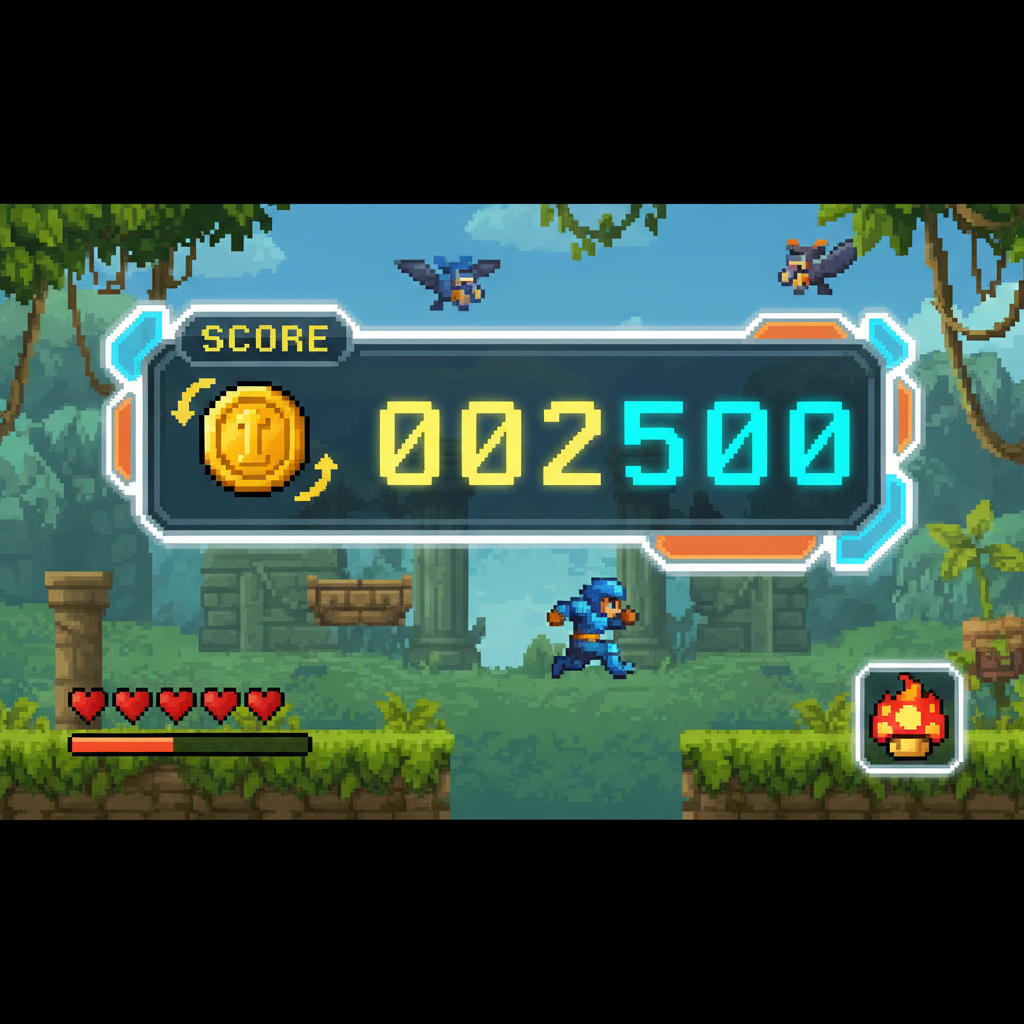
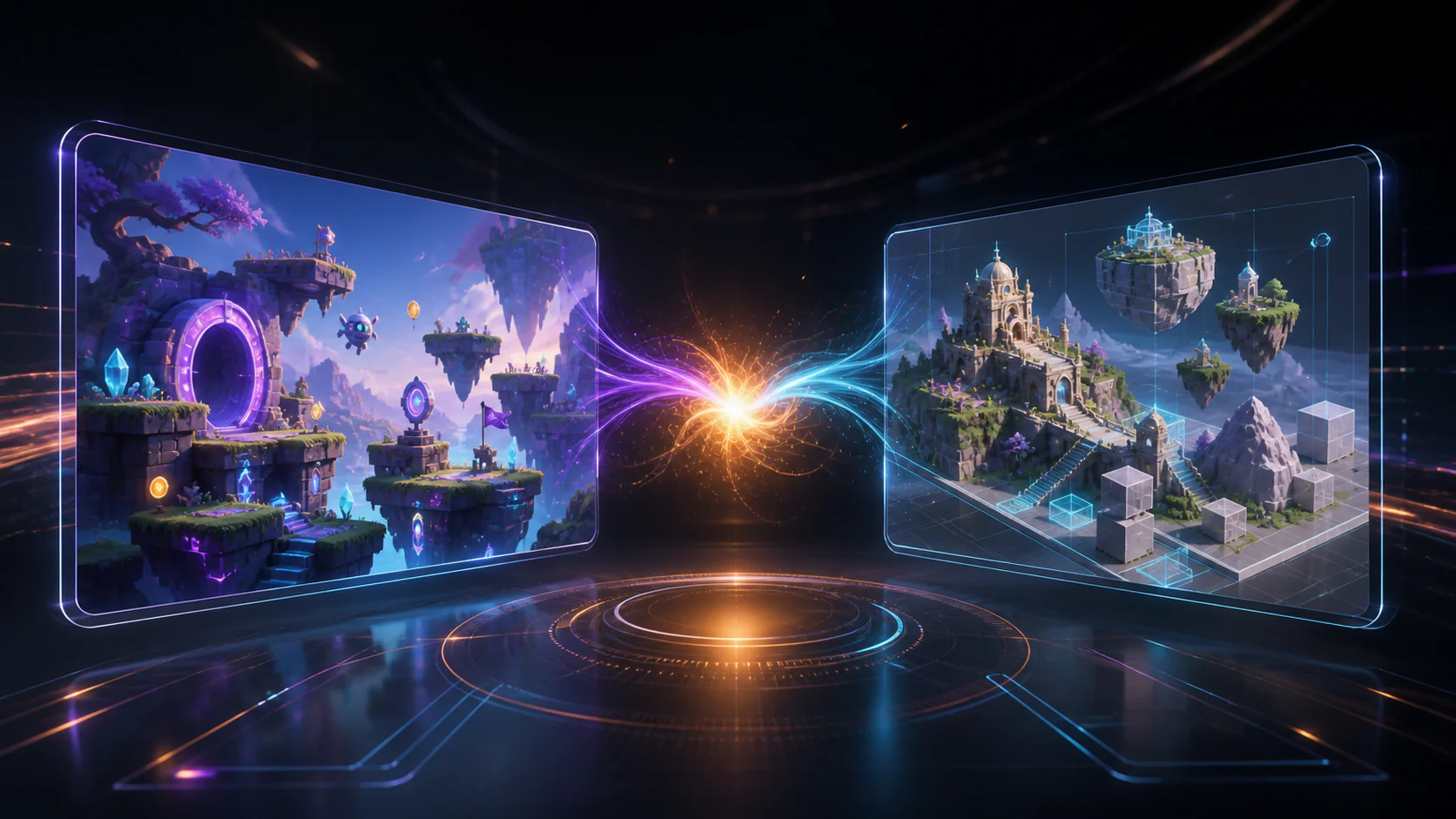
Yes. Keep the timing and transition logic fixed, then swap style notes such as pixel art, paper collage, watercolor, clay render, or isometric 3D.
Conclusion
A flipbook infinite visual storyboard works when the transformation is clear, the seam is invisible, and the export format matches the final channel. Start with six anchor frames, use AI for fast variation, and reserve time for loop QA. If the concept needs to become interactive, connect the visual plan to game-ready asset workflows early.