Key takeaways
- The right platform depends on the remix path: use an official editable template or authorized fork for a direct variation, a UGC ecosystem for a new experience inside its creation tools, a clearly licensed open project for deep source changes, or an original rebuild when you only want to carry over a mechanic or feeling. Commercial games are not automatically importable or editable.
The answer depends on what you mean by “remix.” Some platforms intentionally provide editable templates or uncopylocked starter projects. Some let you build inside a user-generated-content ecosystem. Some let you fork an open project, provided its license permits your changes. And sometimes the safest, most flexible route is to keep the mechanic you admire and rebuild the character, world, and presentation as an original game.
You generally cannot upload any commercial game, swap its characters and levels, and assume the platform makes that permitted. Start by identifying the source you are actually allowed to edit: a platform template, a creator-published project with permission, an open-source repository with a compatible license, or your own new prototype.
The four remix paths
| Path | What you change | Best fit | Verify |
|---|---|---|---|
| Platform template or authorized fork | Scenes, objects, scripts, and supplied rules | Fast editable variation | Terms, permission, asset licenses |
| UGC ecosystem | Your island, experience, or content | New setting and rules in-platform | Publishing rules and allowed assets |
| Open-source or licensed project | Source code and licensed assets | Deep mechanical changes | License, attribution, dependencies |
| Original rebuild | New code and assets inspired by a mechanic | Maximum creative distance | Your own sources and identity |
The table is a decision aid, not permission. “Template,” “fork,” and “remix” have different meanings on different services. Read the current project page, license, and platform rules before you publish.
1. Editable templates: the quickest legitimate remix
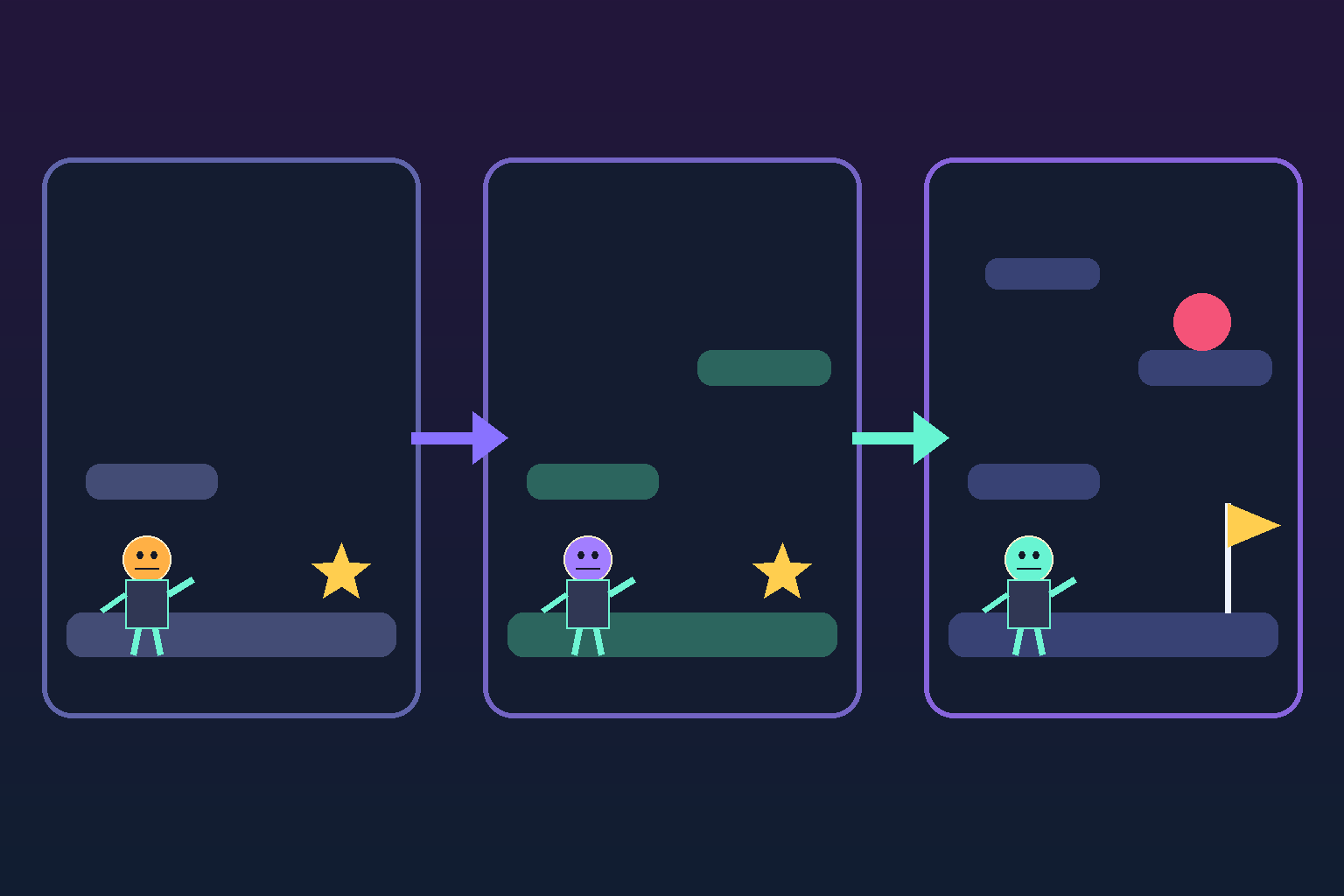
Template-driven platforms are the closest match to “take this starting game and make it mine.” Roblox Creator Hub describes its templates as uncopylocked games that provide default objects in a starting place, and its official examples include platformer mechanics, race tracks, teams, arenas, and other systems you can modify. This is useful when you want to replace the player avatar, rebuild the environment, and tune the rules while retaining a working foundation.
Fortnite Creative’s official Template Islands documentation describes templates for specific game modes and says creators can review the mechanics and devices, then alter an island to fit their own design. That makes the workflow concrete: choose a template island, inspect how its devices create the loop, replace the setting and content, then test the changed objective. It does not mean every Fortnite island or every commercial game is an editable source.
GDevelop’s official examples page offers game examples and ready-made templates, including platformer, farming, racing, and other starting projects. This route suits a creator who wants to open a project, inspect scenes and events, and change objects or rules directly. Treat every included asset and extension as a separate rights and license check rather than assuming that “free example” means unrestricted commercial reuse.
2. UGC ecosystems: remix the format, not a closed commercial game
A UGC ecosystem gives you a creation environment, reusable building pieces, devices, and a publishing path. Roblox experiences and Fortnite islands are examples of this model. You can make a new arena, quest, race, social space, or survival loop inside the platform. The platform may supply systems and templates, but your project is still a new creation assembled under that platform’s rules.
This is a good fit when you want to change the world and gameplay substantially while benefiting from built-in multiplayer, devices, or creator workflows. It is a poor fit if your plan is to extract a finished commercial game and replace its content wholesale. Instead, begin from an official template or a project whose creator has clearly enabled reuse, then replace one layer at a time: first the map, then the cast and visual language, then the objective and pacing.
3. Open-source and licensed projects: deepest control, more responsibility
An open-source engine or game project can offer the most technical control, but “open source” is not a single permission. Godot’s Asset Library documentation identifies the asset’s license as part of its metadata and distinguishes standalone projects, demos, templates, and in-editor add-ons. That is a useful model for due diligence: inspect the project license, the individual asset licenses, attribution requirements, and third-party dependencies before you fork.
A licensed fork can support replacing nearly everything: character controllers, scenes, world generation, combat, progression, and UI. You still need to preserve notices or share changes when the license requires it, and you must avoid treating an engine license as permission to reuse a game’s distinctive art, story, brand, or audio. If the project has no clear license, ask the author before building on it or choose a clearly licensed alternative.
4. Original rebuild: borrow the design problem, not the protected expression
When you want to replace the characters, world, and gameplay, an original rebuild is often the cleanest design path. Keep the broad attraction—a movement verb, a resource decision, a cooperative structure, or a risk-and-retry rhythm—and write a new loop around it. Then create a new protagonist, setting, visual language, title, sound identity, and progression system.
A useful test is to remove every franchise name and recognizable asset from your brief. If the game still has a clear player action, goal, constraint, and feedback, you have a transferable design idea. If the concept collapses without the famous character, map, dialogue, logo, music, or story, you are still depending on borrowed expression. Rebuild the dependent parts before adding polish.
A prompt-first workspace such as SEELE AI can help turn that rewritten brief into a small playable prototype. Ask for one screen, one mechanic, one goal, one failure state, and immediate restart. Use original or properly licensed visuals, then test whether the loop works without explaining the source of your inspiration.
Which route fits each kind of change?
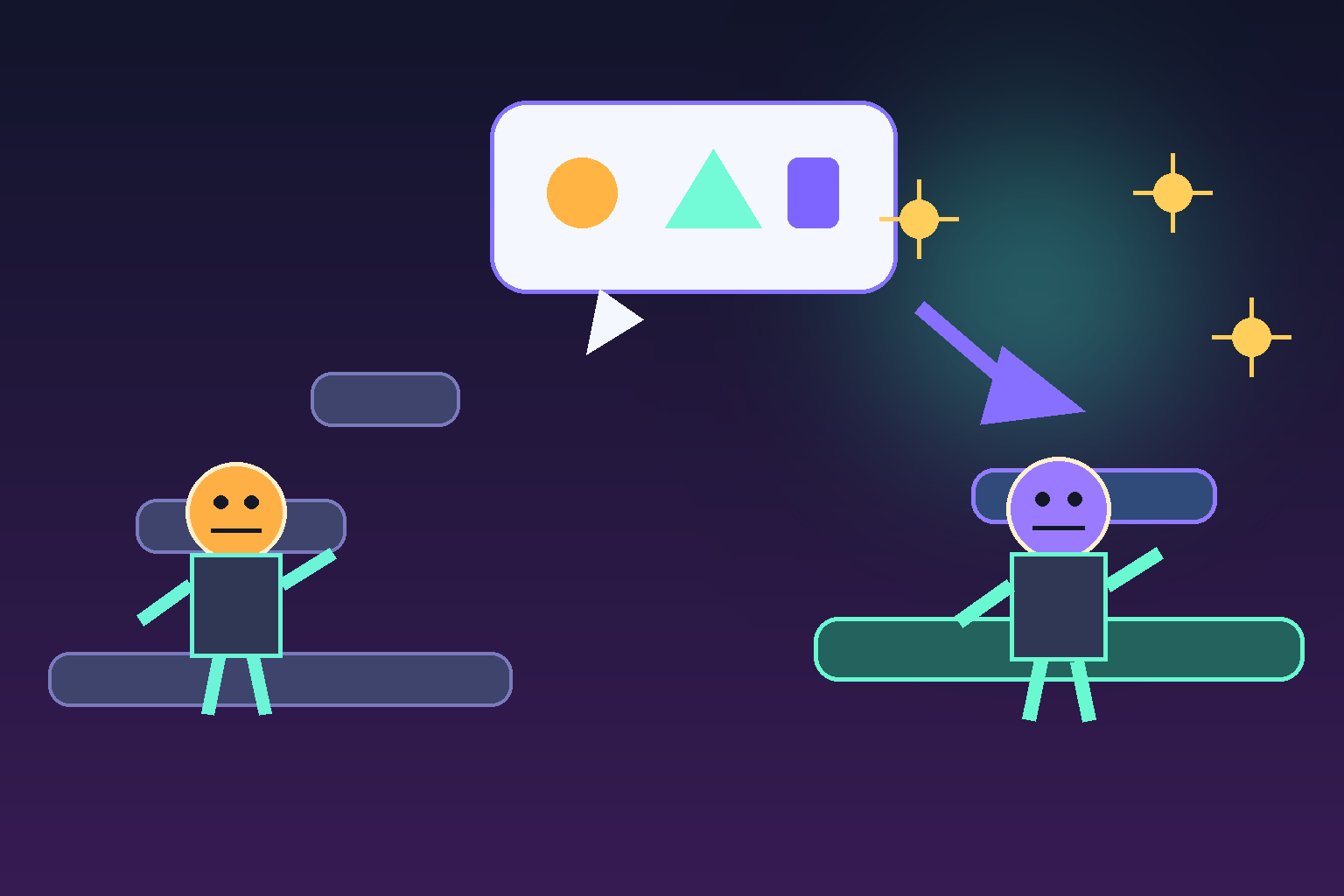
Replace only the character. Choose an editable template or your own project, and confirm that the character asset and animation system are replaceable. A new texture on a recognizable character is not the same as a new character design.
Replace the character and world. A Roblox or Fortnite template, a GDevelop example, or a licensed engine project can provide a useful foundation. Replace the map’s visual motifs, object vocabulary, names, and environmental logic together so the new setting is more than a reskin.
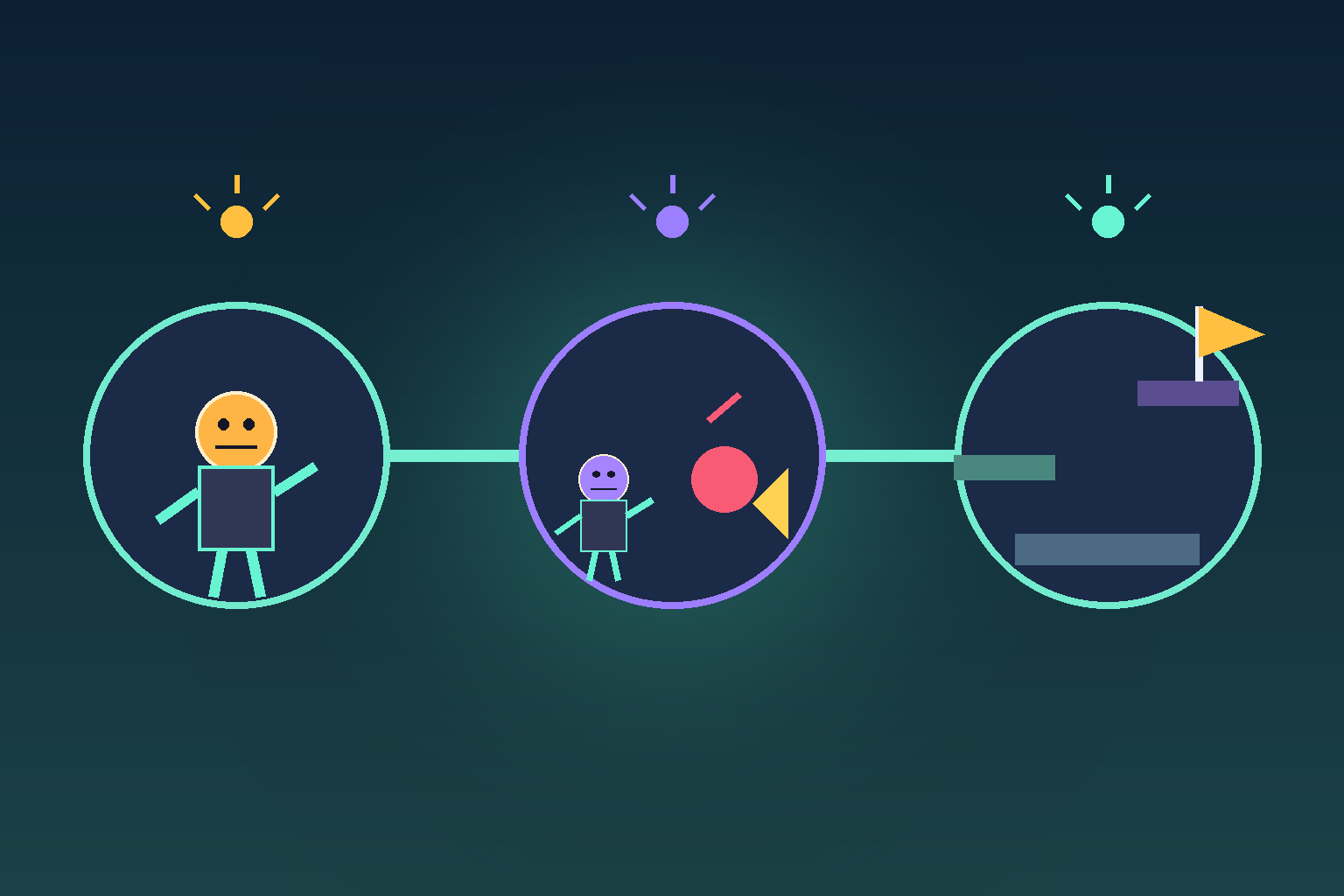
Replace gameplay too. Prefer a source with inspectable events, scripts, devices, or code. Make one controlled change first—new win condition, different movement, or a new resource loop—then test collisions, pacing, failure, and restart before adding content.
Make a fan-inspired game without a source project. Build an original prototype from the underlying experience you like. This gives you the most freedom to change all three layers and avoids implying that a commercial game is available for import or modification.
A practical remix workflow
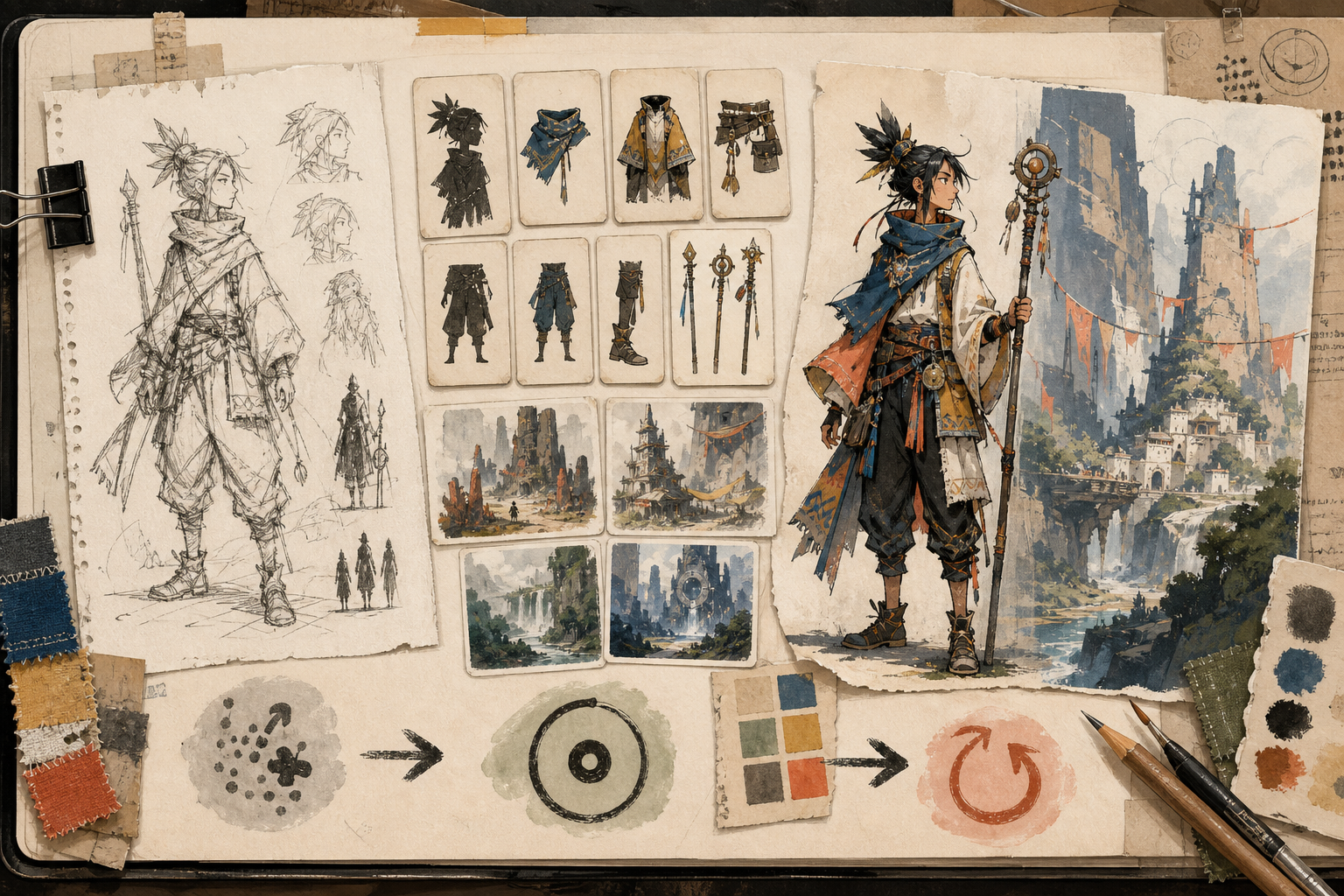
- Name the source and permission. Write down whether you are using an official template, an authorized creator project, an open-source repository, or only a design influence.
- Inventory dependencies. List characters, models, sounds, scripts, fonts, plugins, and third-party services. Mark each as yours, licensed, platform-provided, or unclear.
- Choose one layer to replace. Change the player, one environment zone, or one rule before attempting a total conversion.
- Playtest the altered loop. Confirm inputs, collisions, goals, feedback, fail states, and restart. A visual replacement can hide broken assumptions.
- Document the final sources. Keep URLs, license notices, permissions, and your own asset records with the project.
- Review before sharing. Check the platform’s current publishing rules and any terms attached to external assets. General guidance cannot determine rights for a specific project.
Rights and platform boundaries
This article gives general workflow guidance, not a legal conclusion. A platform’s remix button, an uncopylocked template, a permissive code license, or a “fan project” label does not automatically answer every question about art, music, names, trademarks, publicity, contracts, or monetization. Rights and platform rules vary by project, jurisdiction, and use. When the stakes are meaningful, review the actual terms and seek qualified advice.
The safest operational habit is simple: use a source that explicitly permits editing, keep records of the permission or license, replace unclear third-party materials, and do not market an original rebuild as an official version of another game.
Bottom line
For the fastest authorized remix, start with Roblox or Fortnite templates, or a clearly editable GDevelop example. For deeper technical changes, use a licensed open project and inspect every dependency. For maximum freedom to replace characters, world, and gameplay, build an original prototype from the mechanic or feeling you admire rather than importing a closed commercial game.
FAQ
Frequently Asked Questions
Can I import any commercial game into a remix platform?
Usually no. A template or UGC platform normally gives you a defined creation environment, not a blanket right to import and alter any commercial game. Start from an official editable template, an authorized project, or your own rebuild, and verify the source terms before sharing.
Which platform is best for changing a game’s characters and world?
Roblox and Fortnite can be practical when an official template supplies editable objects, mechanics, or devices inside their ecosystems. GDevelop examples and licensed Godot projects can also work. The best choice depends on whether you need visual editing, source-code access, multiplayer systems, or a specific export path.
Can I change the gameplay rules in a template?
Often you can change the rules exposed by the template, such as objectives, hazards, movement, scoring, devices, or events. The depth of change depends on how the project is structured. Inspect the scripts, events, and documentation, then make one rule change and test the complete loop before expanding scope.
Is an open-source game automatically safe to remix?
No. Open source means the project has stated terms, but those terms can differ and may apply differently to code, art, audio, names, and dependencies. Read the repository license, preserve required notices, check third-party materials, and ask the author when the permission boundary is unclear.
What if I only want the feel of an existing game?
Rebuild the underlying design attraction as an original loop. Describe the action, goal, pressure, and feedback without franchise names, then create new characters, world rules, visuals, audio, title, and story. If the idea still works after recognizable references are removed, it is easier to develop independently.
Can SEELE AI help me make an original remix-inspired prototype?
SEELE AI can help turn a focused, original brief into a small playable prototype and support iterative changes. It does not grant permission to reuse a commercial game’s assets or identity. Use original or properly licensed inputs, state the rules precisely, playtest the result, and review publishing requirements.