No-code creator plan
Describe player behavior in ordinary language. Name what appears on screen instead of asking for a generic checkout or monetization system.
No-Code Creator guide · Fashion · Direct Koin item
Build the fashion game first, then add one optional convenience upgrade that supports the existing play loop. This guide keeps the item understandable from its first preview through delivery and reload.
Create this game flow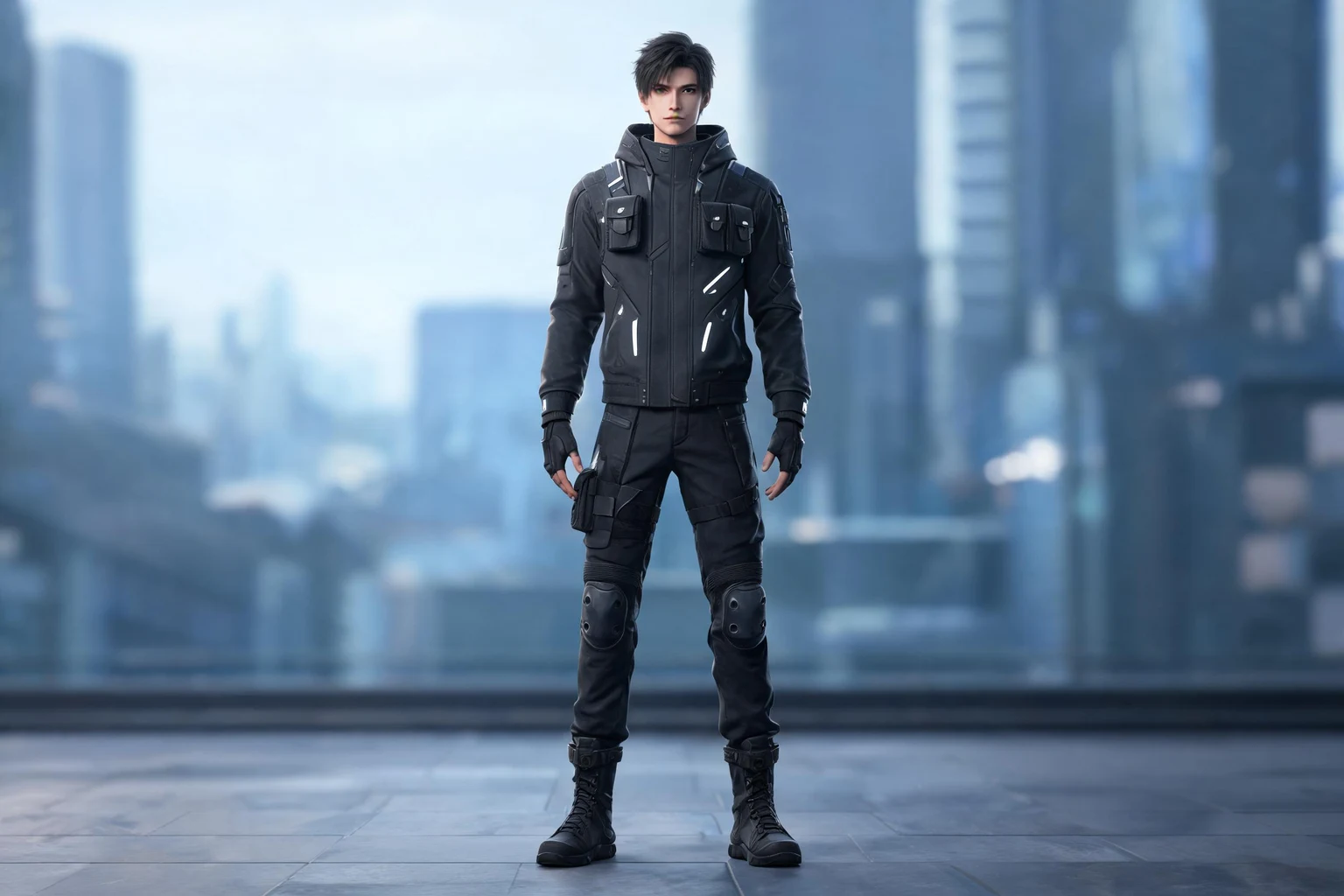
Describe player behavior in ordinary language. Name what appears on screen instead of asking for a generic checkout or monetization system.
A fashion browser prototype centered on avatar expression, wardrobe discovery, and clear ownership.
A convenience upgrade preview with a concrete description and direct Koin price.
Place the convenience upgrade after this loop advances: a fashion browser prototype centered on avatar expression, wardrobe discovery, and clear ownership. Wait for a safe pause. Player progress must not depend on the offer.
Offer-card rules: Preview the complete look; Show the before-and-after limit. Show the item, benefit, ownership or duration, balance, and specific Koin amount. Keep confirm and cancel separate.
Test preview, confirm, insufficient balance, success, apply the durable convenience entitlement and show the changed limit, and reload. Show that change inside normal play instead of relying only on a success message.
Test a free session around a fashion browser prototype centered on avatar expression, wardrobe discovery, and clear ownership. If play becomes incomplete, fix the game before changing the offer.
Place the choice in outfit creation, a boutique, or a collection milestone where the avatar is fully visible. Avoid interrupting judging, social play, or timed styling challenges.
Show front and back views, color, layering, fit, and any animation on the current avatar. State whether pieces are separate, bundled, permanent, or limited to a particular character.
When the action completes, switch outfits, reload, and return to the collection. The purchased piece should be owned and selectable without repurchase, while cancellation preserves the look being edited.
This fashion game uses a fashion browser prototype centered on avatar expression, wardrobe discovery, and clear ownership. Review the genre through use the wardrobe naturally and preview the complete look. For a no-code creator, the convenience upgrade should support that loop without becoming mandatory. Review the item through show the before-and-after limit and treat the upgrade as durable. A no-code creator should describe observable screens and change only one generation instruction per iteration. The example offer is: A convenience upgrade preview with a concrete description and direct Koin price. This offer emphasizes less friction while preserving the playable free path before expanding the catalog. Create an outfit with recorded pieces, colors, layers, avatar, challenge rules, and collection ownership. Open the choice in the wardrobe, preview front and back views at useful scale, then cancel and confirm the edited look is intact. Try insufficient Koin without removing a layer or leaving the challenge. Complete a valid piece or bundle only after explaining separation, permanence, character limits, and animation. Apply it, enter a judging or social scene, return to the wardrobe, and reopen the game. Confirm one owned record, stable outfit composition, clear visual-only status, and no repurchase prompt for the same permanent piece.
Ask for the item preview, price, balance, buttons, pending state, delivered state, and return path in ordinary language. Avoid broad requests for a monetization backend that do not tell the generator what players should see.
If delivery is unclear, revise only the delivery sentence. If a player cancellation loses progress, revise the return-state sentence. Small prompt changes make it easier to understand which instruction improved or damaged the result.
A first result may demonstrate only success. Add separate directions for insufficient Koin, cancel, repeated input, interruption, and reopening, then operate each path rather than assuming a labeled button works.
Keep the last playable version beside the new generation. Compare the same player actions in both builds, preserve the stronger behavior, and avoid replacing a working core game merely to alter purchase wording.
When a generated build misses the intent, describe the exact action and outcome instead of asking for a better purchase system. For example, say that choosing cancel must close the panel and resume at the same checkpoint, or that success must add one named item to a visible inventory slot. Keep the previous generation open, change one instruction, and compare identical routes. If a control is only decorative, state which state change it needs to produce. Continue until preview, decline, insufficient Koin, pending, delivery, and reopening can all be operated. Anything requiring identity, native billing, security, or refunds belongs in a separate production plan.
Display the current capacity, preset count, queue size, travel option, or workflow limit beside the precise improvement and show whether ownership is permanent. Play a representative session without it and record whether storage, repetition, waiting, or navigation already feels intentionally designed. If the free experience is cramped or slow only to sell relief, repair that baseline first. Complete the choice, apply the new limit in its normal screen, fill or use the added capacity, and reopen the game. The higher limit should remain visible and should never appear buyable again for the same account state. Check that cancellation preserves existing configuration, insufficient Koin changes nothing, and the upgrade helps without turning ordinary progression into a penalty.
Display the current capacity or workflow and the exact improvement, such as additional inventory slots or another saved preset.
After the player buys it, apply the new limit visibly and preserve it after reload. Do not make the player buy the same permanent improvement again.
Test the game without the upgrade. If normal play feels deliberately slow, cramped, or repetitive only to sell relief, improve the free experience first.
Make the main activity playable before adding the convenience upgrade. Players need context to judge whether the item is useful.
Result: A working fashion foundation
A convenience upgrade preview with a concrete description and direct Koin price. Keep the same wording in the preview, confirmation, and delivered state.
Result: A consistent player promise
Show the exact Koin amount, Koin balance now, confirm, cancel, and what ownership means. Prompt for the preview, price, balance, confirm, cancel, success, and owned state separately. Change one instruction at a time between generations.
Result: An understandable decision
Test preview, confirm, insufficient balance, success, apply the durable convenience entitlement and show the changed limit, and reload. Then test a Koin shortage, a cancelled choice, repeated input, interruption, and reload.
Result: A visible, stable result
Generate the failure states explicitly. If the result only shows success, add a Koin shortage, cancelling the action, interruption, and reload to the next prompt.
Result: No-code creator plan
Create a browser-playable fashion game prototype for a no-code creator. Build the core loop around avatar expression, wardrobe discovery, and clear ownership. Add one optional convenience upgrade offer containing an inventory expansion with before-and-after capacity, Koin price, and persistent owned state. Price it directly in Koin, require an explicit confirmation, show the balance effect, and apply the durable convenience entitlement and show the changed limit. Do not add subscriptions, external payment checkout, revenue reporting, or guaranteed earnings. Include insufficient-Koin, cancel, success, and reload states.
Keep the item optional. Show its specific Koin amount, current Koin balance, confirm, cancel, low-balance, success, visible delivery, and reload states.
A convenience upgrade preview with a concrete description and direct Koin price. Start with one item and one price.
No. The player spends Koin directly on one named item or unlock.
Return to the same game state without spending Koin or delivering the item.
Explain the shortage, preserve progress, and do not deliver the item.
No. It covers the player-facing purchase experience, not financial reporting.
No. The browser prototype still needs native billing, persistence, security, refunds, and platform approval.
Open the complete prompt in SEELE, adjust the item and Koin price, then generate a playable version you can test.
Open this prompt in Workspace