Player trust hub
Make the offer easy to understand—and easy to refuse
Trust comes from specific promises: a visible price, a complete free baseline, a real cancel path, an accurate delivery description, and no disguised urgency.
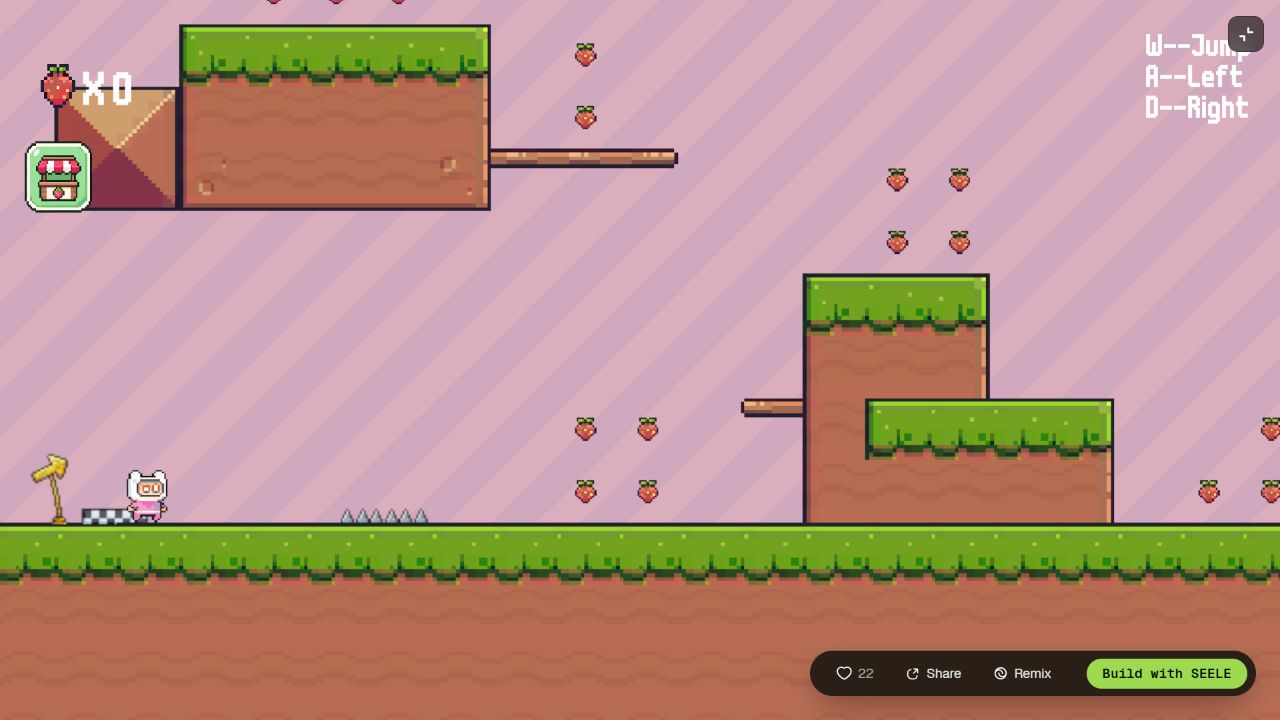
Concrete design brief
Worked example: an optional 25 Koin bunny scarf
Show the scarf on the character before purchase, state “appearance only · 25 Koin,” keep movement and every level available for free, and place Cancel beside Confirm with equal clarity. Avoid countdowns or fake scarcity.
Open the playable result →Required state chain
Specify the whole IAP flow
- 01
Preview the offer in genuine play context
- 02
State scope and exact 25 Koin price
- 03
Present equal Confirm and Cancel choices
- 04
Explain insufficient balance without pressure
- 05
Show the delivered cosmetic clearly
- 06
Reload and verify the player still owns it
Before release: replace mocked balances and local flags with authenticated transaction records, idempotent delivery, platform-required consent, security review, and a support/refund process.
Related IAP design hubs
Move to the closest purchase intent
Focused questions
Player trust FAQ
What is transparent Koin pricing?
Put the exact Koin amount next to the specific item or content, before confirmation, without hiding quantity, duration, or restrictions.
How should games for younger audiences handle IAP?
Apply age-appropriate language, consent and guardian controls required by the release platform, and complete legal and safety review before publication.