Key takeaways
- Choose beginner 3D modeling software by the first asset you need to finish: Tinkercad for simple prints, Blender for a free all-round path, SketchUp for spaces, and FreeCAD for parametric parts.
Quick answer
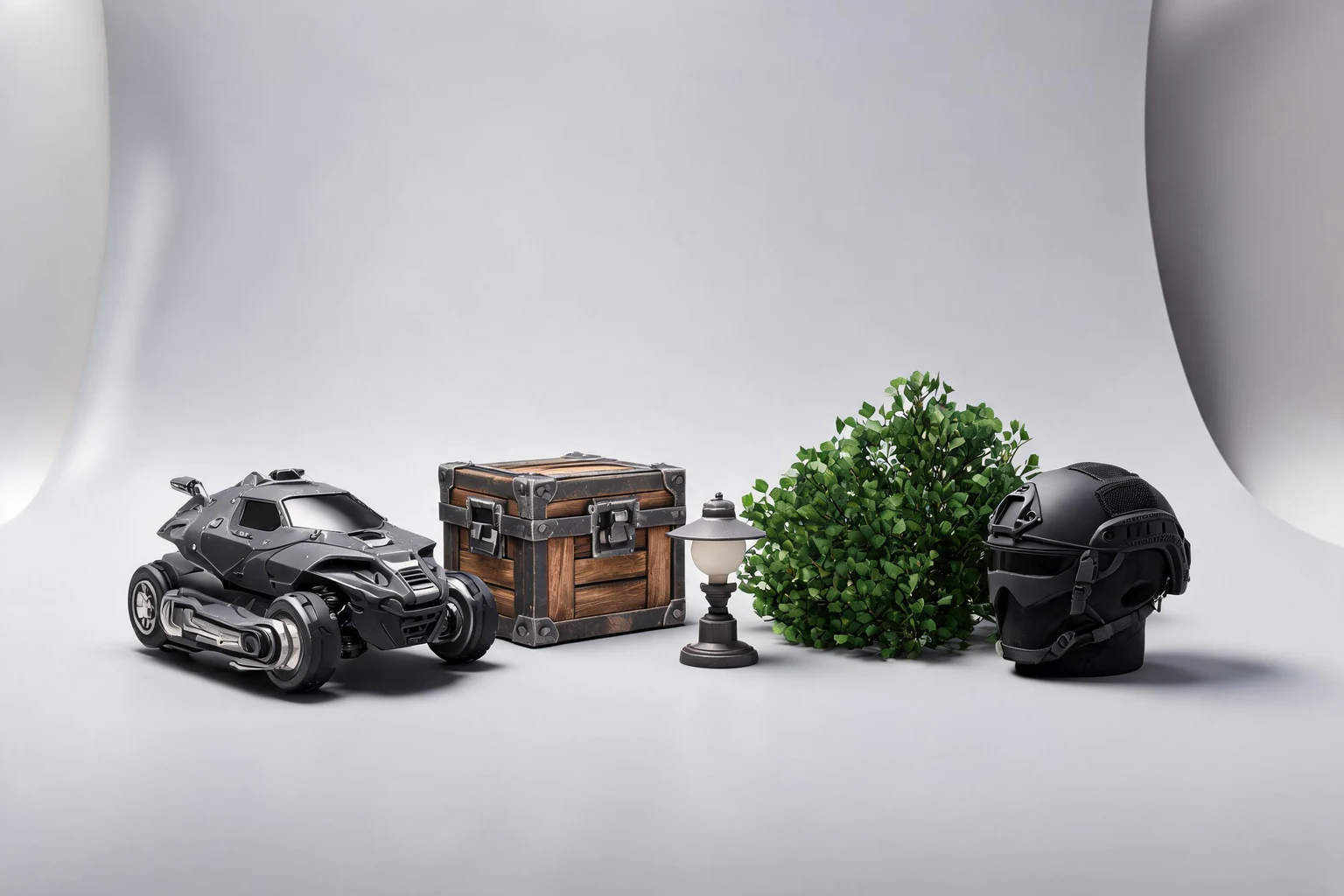
The best 3D modeling software for beginners is the program that matches the first object you want to finish. Tinkercad is approachable for simple printable parts, Blender offers the deepest free all-round toolset, SketchUp suits quick spatial and architectural work, FreeCAD supports parametric engineering, and AI-assisted workflows can help beginners explore shape directions before detailed mesh work. Test one representative asset before committing to a course or subscription.
This guide uses “3D modeling” and the British spelling “3D modelling” naturally; they describe the same core activity.
Compare beginner 3D modeling programs by job
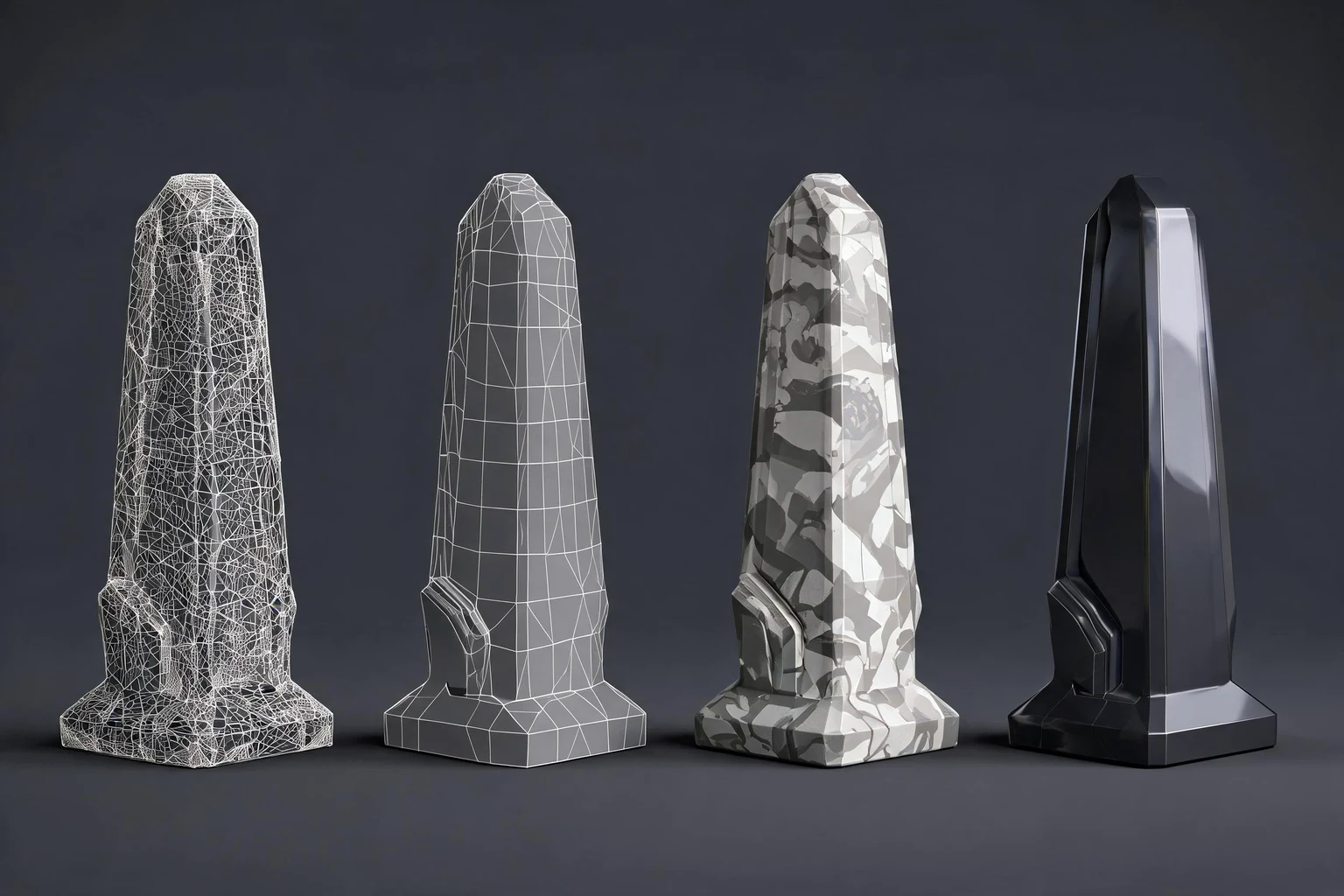
| Beginner job | Good starting category | What to test first | |---|---|---| | Simple 3D printing | Browser CAD or parametric CAD | Dimensions, wall thickness, manifold export | | Game props and characters | General polygon modeller | Topology, UVs, engine import | | Architecture and interiors | Direct spatial modeller | Units, snapping, component reuse | | Sculpting | Digital sculpting tool | Brush control, remeshing, retopology | | Fast concept exploration | AI-assisted 3D workflow | Shape consistency, editability, handoff |
No ranking is universal. A program that feels easy for block-based printing may be awkward for character animation, while a powerful mesh editor may be unnecessary for a first bracket or enclosure.
Best 3D modeling software for beginners
Tinkercad: easiest entry for simple 3D printing
Tinkercad’s browser-based solid construction makes it easy to combine primitive shapes and understand scale. It is a practical first choice for tags, organisers, simple enclosures, and classroom projects. Its limits appear when you need organic sculpting, detailed topology, or a sophisticated game-asset pipeline.
Blender: best free all-round 3D modelling program
Blender combines polygon modelling, sculpting, UVs, materials, animation, and rendering. It is one of the strongest free 3D modeling programs for learners who want room to grow. The tradeoff is interface and concept density: beginners should learn navigation, transforms, edit mode, modifiers, and clean topology in that order rather than attempting every workspace at once.
For a dedicated free-software comparison, use our best free 3D modeling programs guide or free 3D modeling software guide. Those pages own the broad “free” intent; this article focuses on beginner selection and learning sequence.
SketchUp: direct modelling for spaces and structures
SketchUp is approachable for rooms, buildings, furniture layouts, and quick spatial studies. Push-pull modelling gives immediate feedback, but learners still need good grouping, component, scale, and face-orientation habits. Check the current plan and export options against your destination before adopting it.
FreeCAD: parametric option for technical parts
FreeCAD is useful when dimensions, constraints, and editable feature history matter. It can be a better beginner fit for mechanical or printable objects than a polygon modeller. The conceptual challenge is learning sketches, constraints, bodies, and dependency order.
Shapr3D: touch-friendly CAD for designed objects
Shapr3D offers a direct modelling experience across supported devices and can feel natural for product concepts. Evaluate device support, precision tools, and current export access with a real sample before deciding whether it fits your workflow.
AI-assisted 3D workflows: faster exploration, mandatory review
AI-assisted tools can shorten the path from text or image reference to a shape direction. They are useful for ideation and briefing, not a reason to skip topology, scale, UV, printability, rigging, or engine checks. You can organise an image-based direction in the image-to-3D workspace and continue refining the brief in Seele AI Workspace.
Best software for 3D printing beginners
For 3D printing, prioritise dimensional control, manifold geometry, wall-thickness inspection, unit handling, and reliable STL or 3MF export. Tinkercad is accessible for basic assemblies; FreeCAD is stronger when dimensions and constraints drive the design; Blender is capable for organic printable forms but requires deliberate cleanup.
Before printing, run a slicer check for non-manifold edges, intersecting shells, inverted normals, thin walls, unsupported spans, scale, and orientation. “Looks correct on screen” is not a printability test.
How to choose a 3D modelling program
- Name one finished outcome. Choose a small prop, printable bracket, room layout, or character bust.
- Set an acceptance test. Include file format, dimensions, polygon budget, UV need, rigging need, or print constraints.
- Limit the trial. Spend several sessions completing the same object in no more than two programs.
- Test the handoff. Open the export in the destination engine, slicer, renderer, or collaborator’s tool.
- Choose by recovery cost. The best beginner program makes mistakes understandable and revisions manageable.
A four-week beginner learning path
Week 1: navigation, transforms, object organisation, saving versions, and export basics. Week 2: create one complete object with clean dimensions or topology. Week 3: add materials, UVs, modifiers, or constraints relevant to your goal. Week 4: repeat the asset from scratch and test the destination handoff.
Avoid collecting tutorials without finishing an object. Repetition exposes which operations you understand and which steps still depend on imitation.
Common beginner mistakes
- Picking the largest feature list instead of the shortest path to a finished asset.
- Changing software whenever the first workflow becomes difficult.
- Ignoring units, topology, naming, and export until the end.
- Treating a free licence as zero cost without considering learning and handoff time.
- Assuming AI-generated geometry is automatically editable, printable, riggable, or engine-ready.
Recommendation
Start with Tinkercad for simple printable objects, Blender for a free general-purpose path, SketchUp for spatial modelling, or FreeCAD for dimension-driven parts. Use AI assistance to explore directions, then validate the mesh and destination workflow. The winning choice is the program in which you can complete, export, inspect, and revise a representative asset.
Frequently Asked Questions
What is the best 3D modeling software for beginners?
Tinkercad is approachable for simple printable parts, Blender is the strongest free all-round option, SketchUp suits spatial work, and FreeCAD suits dimension-driven designs. Choose by the first asset and handoff you need to complete.
What is the best free 3D modeling program for beginners?
Blender is a strong free general-purpose choice, while FreeCAD is better suited to parametric technical parts. Tinkercad also offers an accessible browser workflow for simple designs; verify current plan limits before committing.
Which beginner 3D modeling software is best for 3D printing?
Tinkercad works well for simple parts and FreeCAD for constrained mechanical designs. Blender can handle organic forms, but every export still needs checks for units, manifold geometry, wall thickness, orientation, and slicer compatibility.
Are 3D modeling and 3D modelling different?
No. Modeling is the common US spelling and modelling is common in British English. Both refer to creating and editing three-dimensional digital geometry.