Key takeaways
- Mahjong games ask players to read a board, recognize legal pairs, and clear a layout through patient decisions. Monetization should preserve that complete thinking loop. A player should be able to enter a board, understand the rules, recover from ordinary mistakes, and finish a reasonable set of layouts without paying. Optional purchases work best when they add presentation or fresh authored content instead of hiding basic moves behind a charge. SEELE IAP keeps purchases explicit: players choose optional content, spend Koin, recharge if the balance is insufficient, and receive the described item without changing the complete free core.
Start with the tile-matching promise
Mahjong games ask players to read a board, recognize legal pairs, and clear a layout through patient decisions. Monetization should preserve that complete thinking loop. A player should be able to enter a board, understand the rules, recover from ordinary mistakes, and finish a reasonable set of layouts without paying. Optional purchases work best when they add presentation or fresh authored content instead of hiding basic moves behind a charge.
Sell visible themes and bounded layout packs
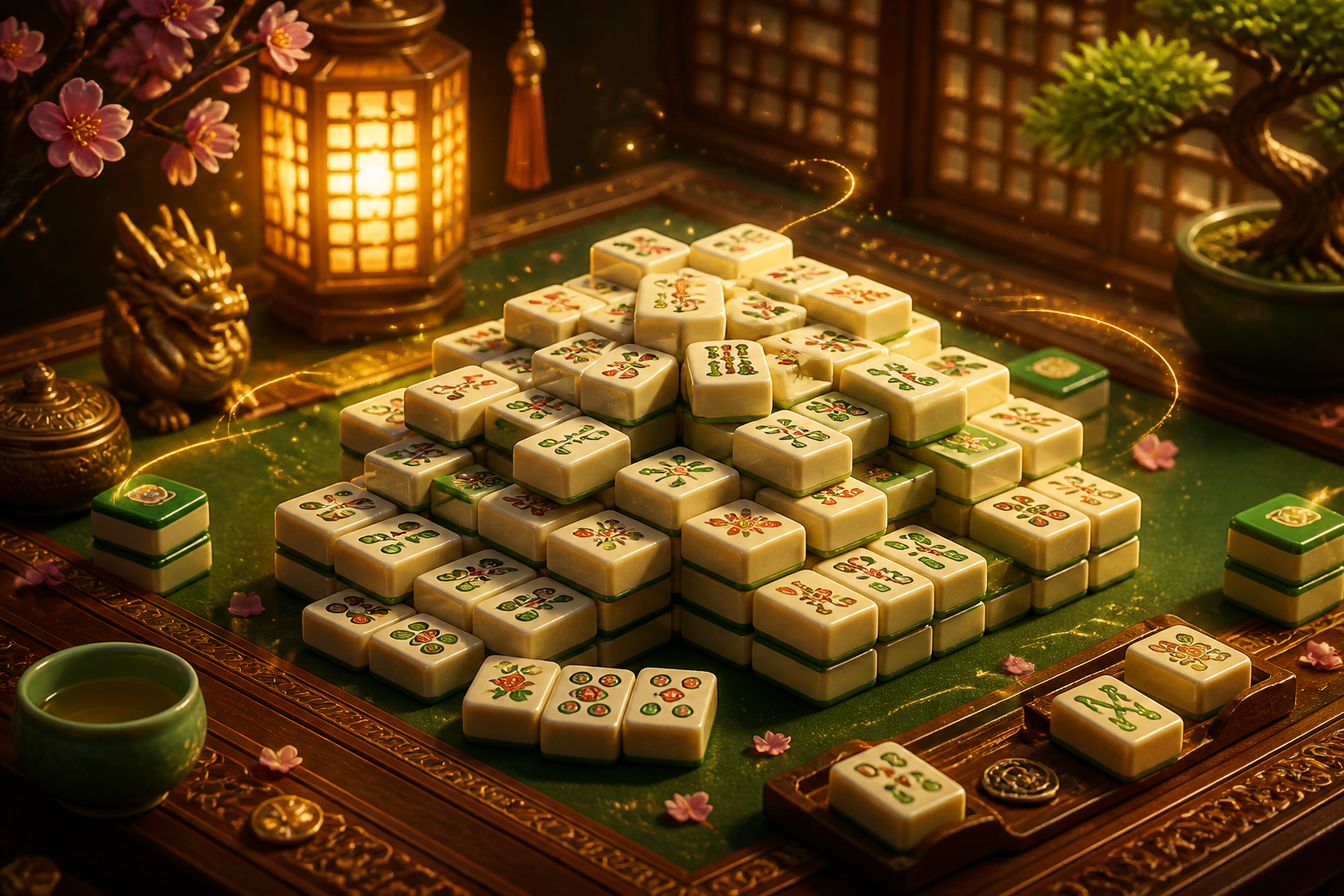
Useful offers include tile-face themes with legible symbols, table materials, seasonal backgrounds, gentle sound sets, and clearly counted layout packs. Preview a tile theme at actual play size before purchase so contrast is not a surprise. For a layout pack, state the number of boards and whether hints or timers differ. Avoid selling the only readable tile set, removing undo merely to resell it, or using random rewards that obscure what the player receives.
Place Koin decisions between boards
The calm point after a completed layout is a better store moment than interrupting a difficult scan. Show the item name, its exact contents, the Koin price, and confirm and cancel actions together. The player chooses the item, spends Koin, and receives it immediately. If the balance is too low, a recharge path can appear before the player returns to the same offer. That sequence produces in-game purchase revenue without changing whether a free board is solvable.
Review clarity before publishing
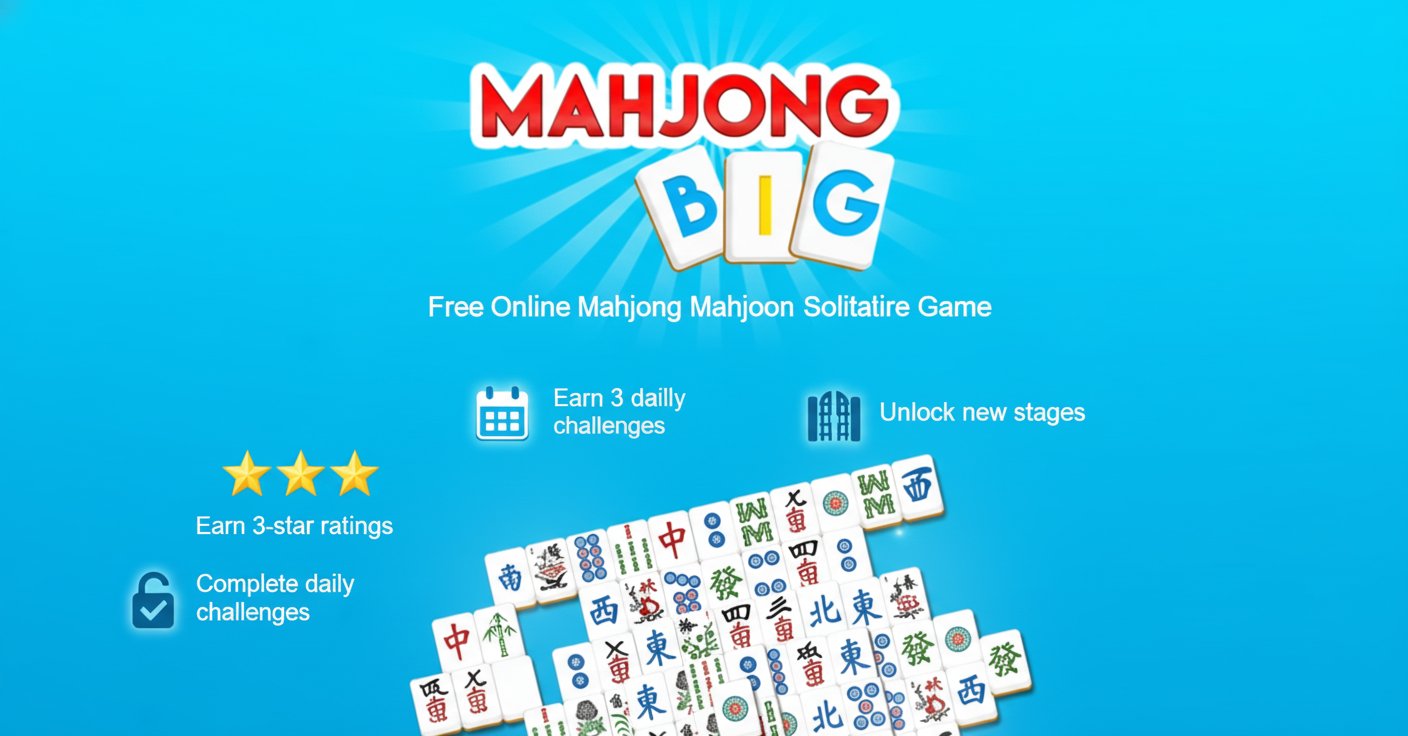
Test every tile face on smaller screens, verify delivery and restore behavior, and keep purchased themes distinct from gameplay assistance. Check ownership of artwork and sound, age suitability, localization, and the wording of any timed collection. The SEELE IAP hub defines the supported Koin purchase boundary. Compare the puzzle pacing used for word games and the content-pack approach for simulator games.
Record a free-board completion test, a small-screen tile-legibility test, and a purchased-layout restoration test so the final review distinguishes difficulty, readability, and delivery.
Frequently Asked Questions
What can mahjong games sell with IAP?
Optional tile themes, table styles, sound sets, and clearly counted layout packs can add value while the core matching game stays playable. For mahjong games, verify the description, Koin amount, delivery, and restore behavior before publishing the offer. Confirm this behavior again after a clean browser reload.
Should hints be the main paid item?
No. Basic readability and a credible path through free layouts should not depend on payment. If optional assistance exists, describe it precisely and avoid creating artificial frustration. For mahjong games, verify the description, Koin amount, delivery, and restore behavior before publishing the offer.
How does a Koin purchase work?
The player chooses a described item or pack, confirms its Koin price, and receives it. When the balance is insufficient, the player can recharge and return to the offer. For mahjong games, verify the description, Koin amount, delivery, and restore behavior before publishing the offer.