Blog›Unity 7 CLI and Public API vs Unreal UAT, Commandlets, and MCP
Unity 7 CLI and Public API vs Unreal UAT, Commandlets, and MCP
Compare unity 7 cli vs unreal automation for Unreal teams, including lifecycle coverage, native validation, security, version limits, and rollback.
SEELE AI
Posted: 2026-07-22
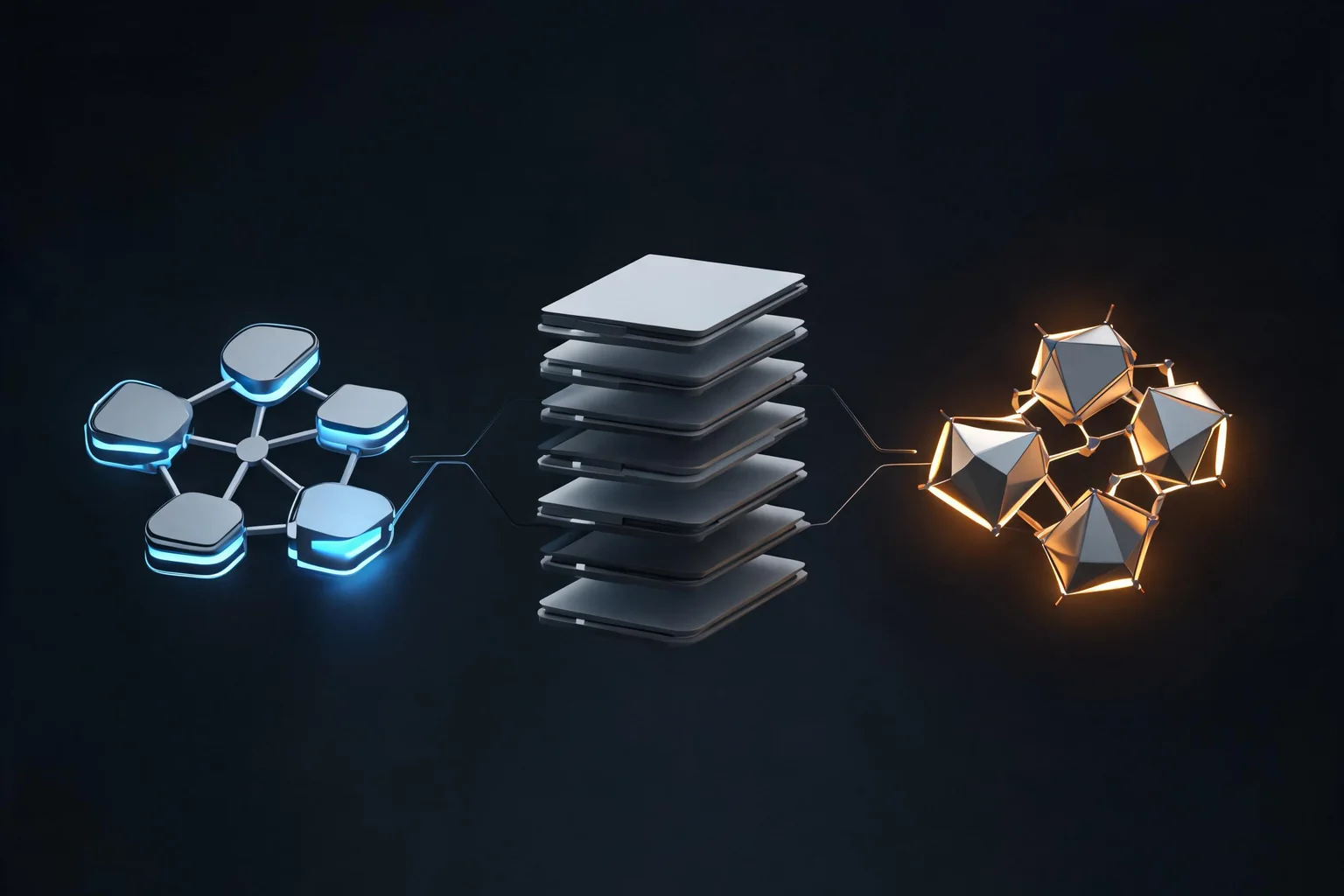
Visual guide for Unity 7 CLI and Public API vs Unreal UAT, Commandlets, and MCP
Key Takeaways: Unity 7 CLI and Public API vs Unreal UAT, Commandlets, and MCP
Unity 7 groups a new CLI, public API, and agent connection under an open collaborative ecosystem. Unreal automation is deliberately split: UAT and BuildGraph own builds, commandlets own batch tasks, Python and C++ extend editor behavior, and Unreal 5.8 MCP exposes supervised agent tools. Compare lifecycle coverage, not a single command name.
Direct answer
Unity 7 groups a new CLI, public API, and agent connection under an open collaborative ecosystem. Unreal automation is deliberately split: UAT and BuildGraph own builds, commandlets own batch tasks, Python and C++ extend editor behavior, and Unreal 5.8 MCP exposes supervised agent tools. Compare lifecycle coverage, not a single command name.
For unity 7 cli vs unreal automation, the governing issue is lifecycle coverage. The Unity side is Unity 7 roadmap promises around CLI and public API plus the currently documented Unity CLI and experimental Pipeline package; the Unreal side is UAT, BuildGraph, commandlets, Python, source-controlled tooling, and experimental Unreal 5.8 MCP. This guide is written for Unreal production teams that need to map Unity 7 automation news onto the correct Unreal production surfaces, and it excludes any claim that a returned command request proves native packaging, runtime behavior, or platform approval.
The practical routing rule is: Route installation, editor control, batch processing, building, and AI interaction to separate owners. Adopt the smallest interface with structured output, versioned inputs, least privilege, and native acceptance evidence. Reopen that rule if treating MCP as a build farm appears in a controlled trial.
Key takeaways
Unreal routing: Route installation, editor control, batch processing, building, and AI interaction to separate owners. Adopt the smallest interface with structured output, versioned inputs, least privilege, and native acceptance evidence.
Unity scope: Unity 7 roadmap promises around CLI and public API plus the currently documented Unity CLI and experimental Pipeline package.
Acceptance dimensions: lifecycle coverage; public API contract; headless execution; build orchestration; agent control.
Stop condition: treating MCP as a build farm.
What changed and why Unreal developers should care
The July 2026 Unity 7 announcement matters to unity 7 cli vs unreal automation because it exposes Unity 7 roadmap promises around CLI and public API plus the currently documented Unity CLI and experimental Pipeline package. The dated Unity material is relevant here only where it clarifies lifecycle coverage and public API contract; it does not prove a cross-engine benchmark or define how an Unreal game should build, save assets, or validate gameplay.
On the Unreal side, the cited Epic roadmap and current documentation describe UAT, BuildGraph, commandlets, Python, source-controlled tooling, and experimental Unreal 5.8 MCP. That distinction makes headless execution the first Unreal-specific checkpoint. A future roadmap promise, a current editor feature, a headless operation, and a packaged game review conclusion have different observable proof owners.
The concrete opportunity is to classify the requested lifecycle, then name the owning process, before a migration or architecture choice is approved. The concrete warning is treating MCP as a build farm. Preserve the official source date, release status, project revision, and rejected alternative so the comparison survives later beta, preview, plugin, or client updates.
Architecture and ownership boundary
For unity 7 cli vs unreal automation, draw the first ownership line around lifecycle coverage. On Unity, that line contains Unity 7 roadmap promises around CLI and public API plus the currently documented Unity CLI and experimental Pipeline package. On Unreal, the corresponding responsibility is UAT, BuildGraph, commandlets, Python, source-controlled tooling, and experimental Unreal 5.8 MCP. Do not merge those lifecycles merely because the same agent can call both.
Explain the process and ownership boundary between Unity 7 roadmap promises around CLI and public API plus the currently documented Unity CLI and experimental Pipeline package and UAT, BuildGraph, commandlets, Python, source-controlled tooling, and experimental Unreal 5.8 MCP.
The second line surrounds public API contract. Record which executable performs classify the requested lifecycle, which credential or local connection authorizes it, and which project object or build product can change. Then attach name the owning process to an observable Unreal state rather than to a natural-language success message.
The final line is headless execution. It owns the proof that Route installation, editor control, batch processing, building, and AI interaction to separate owners. Adopt the smallest interface with structured output, versioned inputs, least privilege, and native acceptance evidence. If treating a CLI as an editor-state oracle, stop at that line, preserve the causal saved result, and restore the same baseline before comparing another engine execution layer.
Comparison criteria that prevent false equivalence
1. Lifecycle coverage
For unity 7 cli vs unreal automation, evaluate lifecycle coverage by running classify the requested lifecycle. The Unity observable proof should come from Unity 7 roadmap promises around CLI and public API plus the currently documented Unity CLI and experimental Pipeline package; the Unreal observable proof should come from UAT, BuildGraph, commandlets, Python, source-controlled tooling, and experimental Unreal 5.8 MCP. Keep the same project revision, input, and acceptance rule while comparing them.
Choose the route that supports this checkpoint with the least authority and the clearest surviving artifact. Reject the route if treating MCP as a build farm.
2. Public API contract
For unity 7 cli vs unreal automation, evaluate public API contract by running name the owning process. The Unity observable proof should come from Unity 7 roadmap promises around CLI and public API plus the currently documented Unity CLI and experimental Pipeline package; the Unreal observable proof should come from UAT, BuildGraph, commandlets, Python, source-controlled tooling, and experimental Unreal 5.8 MCP. Keep the same project revision, input, and acceptance rule while comparing them.
Choose the route that supports this checkpoint with the least authority and the clearest surviving artifact. Reject the route if treating a CLI as an editor-state oracle.
3. Headless execution
For unity 7 cli vs unreal automation, evaluate headless execution by running pin versions and credentials. The Unity observable proof should come from Unity 7 roadmap promises around CLI and public API plus the currently documented Unity CLI and experimental Pipeline package; the Unreal observable proof should come from UAT, BuildGraph, commandlets, Python, source-controlled tooling, and experimental Unreal 5.8 MCP. Keep the same project revision, input, and acceptance rule while comparing them.
Choose the route that supports this checkpoint with the least authority and the clearest surviving artifact. Reject the route if combining broad credentials in one agent.
4. Build orchestration
For unity 7 cli vs unreal automation, evaluate build orchestration by running capture structured output. The Unity observable proof should come from Unity 7 roadmap promises around CLI and public API plus the currently documented Unity CLI and experimental Pipeline package; the Unreal observable proof should come from UAT, BuildGraph, commandlets, Python, source-controlled tooling, and experimental Unreal 5.8 MCP. Keep the same project revision, input, and acceptance rule while comparing them.
Choose the route that supports this checkpoint with the least authority and the clearest surviving artifact. Reject the route if treating MCP as a build farm.
5. Agent control
For unity 7 cli vs unreal automation, evaluate agent control by running verify project artifacts. The Unity observable proof should come from Unity 7 roadmap promises around CLI and public API plus the currently documented Unity CLI and experimental Pipeline package; the Unreal observable proof should come from UAT, BuildGraph, commandlets, Python, source-controlled tooling, and experimental Unreal 5.8 MCP. Keep the same project revision, input, and acceptance rule while comparing them.
Choose the route that supports this checkpoint with the least authority and the clearest surviving artifact. Reject the route if treating a CLI as an editor-state oracle.
Decision framework for this exact intent
Route unity 7 cli vs unreal automation through three questions. Does lifecycle coverage require live Editor context? Does public API contract change durable project or build state? Which artifact proves headless execution after the client disconnects?
Route installation, editor control, batch processing, building, and AI interaction to separate owners. Adopt the smallest interface with structured output, versioned inputs, least privilege, and native acceptance evidence. Reject the choice when treating MCP as a build farm. Reconsider it after an engine patch, package or plugin schema change, privilege expansion, CI migration, or target-platform change.
The accepted route must make pin versions and credentials reproducible and capture structured output independently verifiable. The rejected route should remain in the handoff with the exact reason it lost; otherwise a later maintainer may reintroduce combining broad credentials in one agent.
Related cluster paths
[Open the complete Unreal 5.8 MCP, CLI, and AI automation library](/resources/blogs/unity-7-unreal-engine-6-ai-agents-roadmap-library).
[Unity 7 vs Unreal Engine 6 for AAA and Open-World Development](/resources/blogs/unity-7-vs-unreal-engine-6-aaa-open-world-development) — continue when the next selection is decide whether a future engine roadmap can support a large-world production organization.
[Unity Vector and D2C IAP vs the Unreal Monetization Ecosystem](/resources/blogs/unity-vector-d2c-iap-vs-unreal-monetization-ecosystem) — continue when the next selection is separate engine selection from monetization stack and distribution economics.
[Unreal Engine 6: Unified Engine, UEFN, Verse, and Scene Graph](/resources/blogs/unreal-engine-6-unified-engine-uefn-verse-scene-graph) — continue when the next selection is understand the strongest official UE6 architecture signal without converting UEFN features into unsupported shipping claims.
Implementation workflow
1. Classify the requested lifecycle
Apply classify the requested lifecycle to unity 7 cli vs unreal automation with lifecycle coverage as the named checkpoint. Declare whether Unity 7 roadmap promises around CLI and public API plus the currently documented Unity CLI and experimental Pipeline package or UAT, BuildGraph, commandlets, Python, source-controlled tooling, and experimental Unreal 5.8 MCP owns the action, then save the smallest saved result that lets another engineer repeat it.
Before advancing, test the related fault: treating MCP as a build farm. A passing stage leaves a clean project state, a visible rejection when inputs are invalid, and a rollback that does not depend on hidden local history.
2. Name the owning process
Apply name the owning process to unity 7 cli vs unreal automation with public API contract as the named checkpoint. Declare whether Unity 7 roadmap promises around CLI and public API plus the currently documented Unity CLI and experimental Pipeline package or UAT, BuildGraph, commandlets, Python, source-controlled tooling, and experimental Unreal 5.8 MCP owns the action, then save the smallest saved result that lets another engineer repeat it.
Before advancing, test the related fault: treating a CLI as an editor-state oracle. A passing stage leaves a clean project state, a visible rejection when inputs are invalid, and a rollback that does not depend on hidden local history.
3. Pin versions and credentials
Apply pin versions and credentials to unity 7 cli vs unreal automation with headless execution as the named checkpoint. Declare whether Unity 7 roadmap promises around CLI and public API plus the currently documented Unity CLI and experimental Pipeline package or UAT, BuildGraph, commandlets, Python, source-controlled tooling, and experimental Unreal 5.8 MCP owns the action, then save the smallest saved result that lets another engineer repeat it.
Before advancing, test the related fault: combining broad credentials in one agent. A passing stage leaves a clean project state, a visible rejection when inputs are invalid, and a rollback that does not depend on hidden local history.
4. Capture structured output
Apply capture structured output to unity 7 cli vs unreal automation with build orchestration as the named checkpoint. Declare whether Unity 7 roadmap promises around CLI and public API plus the currently documented Unity CLI and experimental Pipeline package or UAT, BuildGraph, commandlets, Python, source-controlled tooling, and experimental Unreal 5.8 MCP owns the action, then save the smallest saved result that lets another engineer repeat it.
Before advancing, test the related fault: treating MCP as a build farm. A passing stage leaves a clean project state, a visible rejection when inputs are invalid, and a rollback that does not depend on hidden local history.
5. Verify project artifacts
Apply verify project artifacts to unity 7 cli vs unreal automation with agent control as the named checkpoint. Declare whether Unity 7 roadmap promises around CLI and public API plus the currently documented Unity CLI and experimental Pipeline package or UAT, BuildGraph, commandlets, Python, source-controlled tooling, and experimental Unreal 5.8 MCP owns the action, then save the smallest saved result that lets another engineer repeat it.
Before advancing, test the related fault: treating a CLI as an editor-state oracle. A passing stage leaves a clean project state, a visible rejection when inputs are invalid, and a rollback that does not depend on hidden local history.
6. Replay on a clean worker
Apply replay on a clean worker to unity 7 cli vs unreal automation with lifecycle coverage as the named checkpoint. Declare whether Unity 7 roadmap promises around CLI and public API plus the currently documented Unity CLI and experimental Pipeline package or UAT, BuildGraph, commandlets, Python, source-controlled tooling, and experimental Unreal 5.8 MCP owns the action, then save the smallest saved result that lets another engineer repeat it.
Before advancing, test the related fault: combining broad credentials in one agent. A passing stage leaves a clean project state, a visible rejection when inputs are invalid, and a rollback that does not depend on hidden local history.
Explain validation, failure containment, and rollback for lifecycle coverage, public API contract, headless execution.Validation matrix and measurable evidence
1. Validate classify the requested lifecycle
For unity 7 cli vs unreal automation, classify the requested lifecycle must expose lifecycle coverage. Fix the engine version and representative input, execute only the authority needed for this stage, and retain the returned data beside the Unreal diagnostic log, source-control state, or build artifact that independently confirms it.
The negative case for this checkpoint is treating MCP as a build farm. Trigger one invalid, cancelled, disconnected, reloaded, or unsupported variation that fits the stage. Pass only when UAT, BuildGraph, commandlets, Python, source-controlled tooling, and experimental Unreal 5.8 MCP returns to a named baseline without hiding partial edits or requiring an undocumented workstation repair.
2. Validate name the owning process
For unity 7 cli vs unreal automation, name the owning process must expose public API contract. Fix the engine version and representative input, execute only the authority needed for this stage, and retain the returned data beside the Unreal diagnostic log, source-control state, or build artifact that independently confirms it.
The negative case for this checkpoint is treating a CLI as an editor-state oracle. Trigger one invalid, cancelled, disconnected, reloaded, or unsupported variation that fits the stage. Pass only when UAT, BuildGraph, commandlets, Python, source-controlled tooling, and experimental Unreal 5.8 MCP returns to a named baseline without hiding partial edits or requiring an undocumented workstation repair.
3. Validate pin versions and credentials
For unity 7 cli vs unreal automation, pin versions and credentials must expose headless execution. Fix the engine version and representative input, execute only the authority needed for this stage, and retain the returned data beside the Unreal diagnostic log, source-control state, or build artifact that independently confirms it.
The negative case for this checkpoint is combining broad credentials in one agent. Trigger one invalid, cancelled, disconnected, reloaded, or unsupported variation that fits the stage. Pass only when UAT, BuildGraph, commandlets, Python, source-controlled tooling, and experimental Unreal 5.8 MCP returns to a named baseline without hiding partial edits or requiring an undocumented workstation repair.
4. Validate capture structured output
For unity 7 cli vs unreal automation, capture structured output must expose build orchestration. Fix the engine version and representative input, execute only the authority needed for this stage, and retain the returned data beside the Unreal diagnostic log, source-control state, or build artifact that independently confirms it.
The negative case for this checkpoint is treating MCP as a build farm. Trigger one invalid, cancelled, disconnected, reloaded, or unsupported variation that fits the stage. Pass only when UAT, BuildGraph, commandlets, Python, source-controlled tooling, and experimental Unreal 5.8 MCP returns to a named baseline without hiding partial edits or requiring an undocumented workstation repair.
5. Validate verify project artifacts
For unity 7 cli vs unreal automation, verify project artifacts must expose agent control. Fix the engine version and representative input, execute only the authority needed for this stage, and retain the returned data beside the Unreal diagnostic log, source-control state, or build artifact that independently confirms it.
The negative case for this checkpoint is treating a CLI as an editor-state oracle. Trigger one invalid, cancelled, disconnected, reloaded, or unsupported variation that fits the stage. Pass only when UAT, BuildGraph, commandlets, Python, source-controlled tooling, and experimental Unreal 5.8 MCP returns to a named baseline without hiding partial edits or requiring an undocumented workstation repair.
Failure modes and recovery
1. Treating MCP as a build farm
This fault invalidates lifecycle coverage for unity 7 cli vs unreal automation. Stop the client or build stage, preserve the first causal diagnostic log and project diff, and identify whether Unity 7 roadmap promises around CLI and public API plus the currently documented Unity CLI and experimental Pipeline package or UAT, BuildGraph, commandlets, Python, source-controlled tooling, and experimental Unreal 5.8 MCP still owns incomplete work.
Recovery must repeat capture structured output from the original baseline. Pass only when the rejected input stays rejected, saved Unreal state matches source control, and the next valid run does not inherit callbacks, files, credentials, or partial artifacts from the failed attempt.
2. Treating a CLI as an editor-state oracle
This fault invalidates public API contract for unity 7 cli vs unreal automation. Stop the client or build stage, preserve the first causal diagnostic log and project diff, and identify whether Unity 7 roadmap promises around CLI and public API plus the currently documented Unity CLI and experimental Pipeline package or UAT, BuildGraph, commandlets, Python, source-controlled tooling, and experimental Unreal 5.8 MCP still owns incomplete work.
Recovery must repeat verify project artifacts from the original baseline. Pass only when the rejected input stays rejected, saved Unreal state matches source control, and the next valid run does not inherit callbacks, files, credentials, or partial artifacts from the failed attempt.
3. Combining broad credentials in one agent
This fault invalidates headless execution for unity 7 cli vs unreal automation. Stop the client or build stage, preserve the first causal diagnostic log and project diff, and identify whether Unity 7 roadmap promises around CLI and public API plus the currently documented Unity CLI and experimental Pipeline package or UAT, BuildGraph, commandlets, Python, source-controlled tooling, and experimental Unreal 5.8 MCP still owns incomplete work.
Recovery must repeat replay on a clean worker from the original baseline. Pass only when the rejected input stays rejected, saved Unreal state matches source control, and the next valid run does not inherit callbacks, files, credentials, or partial artifacts from the failed attempt.
Security, version, and product-truth boundaries
Version and trust separation points for unity 7 cli vs unreal automation begin with lifecycle coverage. Limit Unity 7 roadmap promises around CLI and public API plus the currently documented Unity CLI and experimental Pipeline package to the availability and status stated in Unity's dated source. Limit UAT, BuildGraph, commandlets, Python, source-controlled tooling, and experimental Unreal 5.8 MCP to the current or future scope stated by Epic; do not import UEFN, UE5.8 MCP, or UE6 capabilities into one another without an explicit contract.
Pin the releases that control public API contract: supported editor versions, packages or plugins, platform SDKs, build checked-in setup, agent clients where applicable, and project revision. After a beta, preview, or patch changes the observable proof, repeat pin versions and credentials and capture structured output before approving migration or restoring mutation access.
SEELE AI can generate a native Unreal 5 game, preview it in-browser, optimize and package it, and provide a downloadable game or packaged build for external publishing or paid Seele games. Sales are not guaranteed.
Team handoff checklist
Name lifecycle coverage and its owner across Unity 7 roadmap promises around CLI and public API plus the currently documented Unity CLI and experimental Pipeline package.
Identify the Unreal executable, plugin, or script responsible for public API contract within UAT, BuildGraph, commandlets, Python, source-controlled tooling, and experimental Unreal 5.8 MCP.
Reproduce classify the requested lifecycle and name the owning process on the exact recorded revision.
Attach machine-readable saved result, Unreal operation records, diffs, and native checks for headless execution.
Demonstrate recovery from treating MCP as a build farm without carrying stale state into the retry.
State the version, security, licensing, packaging, and platform slices that remain untested for unity 7 cli vs unreal automation.
The handoff closes only when another engineer can repeat verify project artifacts and replay on a clean worker without private operating paths, copied secrets, or oral context.
Page-specific re-evaluation record: unity 7 cli vs unreal automation
This record is unique to unity 7 cli vs unreal automation. It prevents a later Unity 7 beta, Unreal Engine 6 disclosure, package update, platform change, or agent demo from silently replacing the observable proof used by this page. Each case names the term that could change the verdict, the project action needed to test it, and the fault condition that keeps the earlier choice in force.
Re-evaluation case 1: lifecycle coverage
For unity 7 cli vs unreal automation, lifecycle coverage becomes selection-changing only after the team can classify the requested lifecycle and retain an artifact that another engineer can inspect. The Unity-specific proposition is Unity 7 roadmap promises around CLI and public API plus the currently documented Unity CLI and experimental Pipeline package. The Unreal-specific proposition is UAT, BuildGraph, commandlets, Python, source-controlled tooling, and experimental Unreal 5.8 MCP. Neither proposition inherits the other's release status, platform coverage, or acceptance testing history.
This case is rejected when treating MCP as a build farm. It is reopened when new official documentation changes public API contract, when a supported build contradicts the earlier record, or when the target audience and hardware no longer match the tested slice. The replacement record must explain why treating a CLI as an editor-state oracle is now contained, identify the exact engine execution layer and version, and preserve the native Unreal acceptance saved result behind this rule: Route installation, editor control, batch processing, building, and AI interaction to separate owners. Adopt the smallest interface with structured output, versioned inputs, least privilege, and native acceptance evidence.
Re-evaluation case 2: public API contract
For unity 7 cli vs unreal automation, public API contract becomes selection-changing only after the team can name the owning process and retain an artifact that another engineer can inspect. The Unity-specific proposition is Unity 7 roadmap promises around CLI and public API plus the currently documented Unity CLI and experimental Pipeline package. The Unreal-specific proposition is UAT, BuildGraph, commandlets, Python, source-controlled tooling, and experimental Unreal 5.8 MCP. Neither proposition inherits the other's release status, platform coverage, or acceptance testing history.
This case is rejected when treating a CLI as an editor-state oracle. It is reopened when new official documentation changes headless execution, when a supported build contradicts the earlier record, or when the target audience and hardware no longer match the tested slice. The replacement record must explain why combining broad credentials in one agent is now contained, identify the exact engine execution layer and version, and preserve the native Unreal acceptance saved result behind this rule: Route installation, editor control, batch processing, building, and AI interaction to separate owners. Adopt the smallest interface with structured output, versioned inputs, least privilege, and native acceptance evidence.
Re-evaluation case 3: headless execution
For unity 7 cli vs unreal automation, headless execution becomes selection-changing only after the team can pin versions and credentials and retain an artifact that another engineer can inspect. The Unity-specific proposition is Unity 7 roadmap promises around CLI and public API plus the currently documented Unity CLI and experimental Pipeline package. The Unreal-specific proposition is UAT, BuildGraph, commandlets, Python, source-controlled tooling, and experimental Unreal 5.8 MCP. Neither proposition inherits the other's release status, platform coverage, or acceptance testing history.
This case is rejected when combining broad credentials in one agent. It is reopened when new official documentation changes build orchestration, when a supported build contradicts the earlier record, or when the target audience and hardware no longer match the tested slice. The replacement record must explain why treating MCP as a build farm is now contained, identify the exact engine execution layer and version, and preserve the native Unreal acceptance saved result behind this rule: Route installation, editor control, batch processing, building, and AI interaction to separate owners. Adopt the smallest interface with structured output, versioned inputs, least privilege, and native acceptance evidence.
Re-evaluation case 4: build orchestration
For unity 7 cli vs unreal automation, build orchestration becomes selection-changing only after the team can capture structured output and retain an artifact that another engineer can inspect. The Unity-specific proposition is Unity 7 roadmap promises around CLI and public API plus the currently documented Unity CLI and experimental Pipeline package. The Unreal-specific proposition is UAT, BuildGraph, commandlets, Python, source-controlled tooling, and experimental Unreal 5.8 MCP. Neither proposition inherits the other's release status, platform coverage, or acceptance testing history.
This case is rejected when treating MCP as a build farm. It is reopened when new official documentation changes agent control, when a supported build contradicts the earlier record, or when the target audience and hardware no longer match the tested slice. The replacement record must explain why treating a CLI as an editor-state oracle is now contained, identify the exact engine execution layer and version, and preserve the native Unreal acceptance saved result behind this rule: Route installation, editor control, batch processing, building, and AI interaction to separate owners. Adopt the smallest interface with structured output, versioned inputs, least privilege, and native acceptance evidence.
Re-evaluation case 5: agent control
For unity 7 cli vs unreal automation, agent control becomes selection-changing only after the team can verify project artifacts and retain an artifact that another engineer can inspect. The Unity-specific proposition is Unity 7 roadmap promises around CLI and public API plus the currently documented Unity CLI and experimental Pipeline package. The Unreal-specific proposition is UAT, BuildGraph, commandlets, Python, source-controlled tooling, and experimental Unreal 5.8 MCP. Neither proposition inherits the other's release status, platform coverage, or acceptance testing history.
This case is rejected when treating a CLI as an editor-state oracle. It is reopened when new official documentation changes lifecycle coverage, when a supported build contradicts the earlier record, or when the target audience and hardware no longer match the tested slice. The replacement record must explain why combining broad credentials in one agent is now contained, identify the exact engine execution layer and version, and preserve the native Unreal acceptance saved result behind this rule: Route installation, editor control, batch processing, building, and AI interaction to separate owners. Adopt the smallest interface with structured output, versioned inputs, least privilege, and native acceptance evidence.
Re-evaluation case 6: lifecycle coverage
For unity 7 cli vs unreal automation, lifecycle coverage becomes selection-changing only after the team can replay on a clean worker and retain an artifact that another engineer can inspect. The Unity-specific proposition is Unity 7 roadmap promises around CLI and public API plus the currently documented Unity CLI and experimental Pipeline package. The Unreal-specific proposition is UAT, BuildGraph, commandlets, Python, source-controlled tooling, and experimental Unreal 5.8 MCP. Neither proposition inherits the other's release status, platform coverage, or acceptance testing history.
This case is rejected when combining broad credentials in one agent. It is reopened when new official documentation changes public API contract, when a supported build contradicts the earlier record, or when the target audience and hardware no longer match the tested slice. The replacement record must explain why treating MCP as a build farm is now contained, identify the exact engine execution layer and version, and preserve the native Unreal acceptance saved result behind this rule: Route installation, editor control, batch processing, building, and AI interaction to separate owners. Adopt the smallest interface with structured output, versioned inputs, least privilege, and native acceptance evidence.
Scope-specific acceptance record: unity 7 cli vs unreal automation
This six-row record turns the page-specific terms, procedure, and fault limits into a reproducible handoff. It is intentionally narrower than a generic claim that an AI client or successful command request proves a complete game-development pipeline.
1. Inventory: classify the requested lifecycle
For unity 7 cli vs unreal automation, this checkpoint measures lifecycle coverage by asking the team to classify the requested lifecycle. Its Unity-side observation is Unity 7 roadmap promises around CLI and public API plus the currently documented Unity CLI and experimental Pipeline package; its Unreal-side observation is UAT, BuildGraph, commandlets, Python, source-controlled tooling, and experimental Unreal 5.8 MCP. Keep both observations on the same declared project revision and input.
Reject this row if treating MCP as a build farm. Preserve the first causal saved result, state which process still owns incomplete work, and repeat the native Unreal check that supports this routing rule: Route installation, editor control, batch processing, building, and AI interaction to separate owners. Adopt the smallest interface with structured output, versioned inputs, least privilege, and native acceptance evidence.
2. Baseline: name the owning process
For unity 7 cli vs unreal automation, this checkpoint measures public API contract by asking the team to name the owning process. Its Unity-side observation is Unity 7 roadmap promises around CLI and public API plus the currently documented Unity CLI and experimental Pipeline package; its Unreal-side observation is UAT, BuildGraph, commandlets, Python, source-controlled tooling, and experimental Unreal 5.8 MCP. Keep both observations on the same declared project revision and input.
Reject this row if treating a CLI as an editor-state oracle. Preserve the first causal saved result, state which process still owns incomplete work, and repeat the native Unreal check that supports this routing rule: Route installation, editor control, batch processing, building, and AI interaction to separate owners. Adopt the smallest interface with structured output, versioned inputs, least privilege, and native acceptance evidence.
3. Exercise: pin versions and credentials
For unity 7 cli vs unreal automation, this checkpoint measures headless execution by asking the team to pin versions and credentials. Its Unity-side observation is Unity 7 roadmap promises around CLI and public API plus the currently documented Unity CLI and experimental Pipeline package; its Unreal-side observation is UAT, BuildGraph, commandlets, Python, source-controlled tooling, and experimental Unreal 5.8 MCP. Keep both observations on the same declared project revision and input.
Reject this row if combining broad credentials in one agent. Preserve the first causal saved result, state which process still owns incomplete work, and repeat the native Unreal check that supports this routing rule: Route installation, editor control, batch processing, building, and AI interaction to separate owners. Adopt the smallest interface with structured output, versioned inputs, least privilege, and native acceptance evidence.
4. Challenge: capture structured output
For unity 7 cli vs unreal automation, this checkpoint measures build orchestration by asking the team to capture structured output. Its Unity-side observation is Unity 7 roadmap promises around CLI and public API plus the currently documented Unity CLI and experimental Pipeline package; its Unreal-side observation is UAT, BuildGraph, commandlets, Python, source-controlled tooling, and experimental Unreal 5.8 MCP. Keep both observations on the same declared project revision and input.
Reject this row if treating MCP as a build farm. Preserve the first causal saved result, state which process still owns incomplete work, and repeat the native Unreal check that supports this routing rule: Route installation, editor control, batch processing, building, and AI interaction to separate owners. Adopt the smallest interface with structured output, versioned inputs, least privilege, and native acceptance evidence.
5. Verify: verify project artifacts
For unity 7 cli vs unreal automation, this checkpoint measures agent control by asking the team to verify project artifacts. Its Unity-side observation is Unity 7 roadmap promises around CLI and public API plus the currently documented Unity CLI and experimental Pipeline package; its Unreal-side observation is UAT, BuildGraph, commandlets, Python, source-controlled tooling, and experimental Unreal 5.8 MCP. Keep both observations on the same declared project revision and input.
Reject this row if treating a CLI as an editor-state oracle. Preserve the first causal saved result, state which process still owns incomplete work, and repeat the native Unreal check that supports this routing rule: Route installation, editor control, batch processing, building, and AI interaction to separate owners. Adopt the smallest interface with structured output, versioned inputs, least privilege, and native acceptance evidence.
6. Close: replay on a clean worker
For unity 7 cli vs unreal automation, this checkpoint measures lifecycle coverage by asking the team to replay on a clean worker. Its Unity-side observation is Unity 7 roadmap promises around CLI and public API plus the currently documented Unity CLI and experimental Pipeline package; its Unreal-side observation is UAT, BuildGraph, commandlets, Python, source-controlled tooling, and experimental Unreal 5.8 MCP. Keep both observations on the same declared project revision and input.
Reject this row if combining broad credentials in one agent. Preserve the first causal saved result, state which process still owns incomplete work, and repeat the native Unreal check that supports this routing rule: Route installation, editor control, batch processing, building, and AI interaction to separate owners. Adopt the smallest interface with structured output, versioned inputs, least privilege, and native acceptance evidence.
Official sources
Official source 1 — use this reference only for lifecycle coverage and the explicit status, command request, or limitation it documents.
Official source 2 — use this reference only for public API contract and the explicit status, command request, or limitation it documents.
Official source 3 — use this reference only for headless execution and the explicit status, command request, or limitation it documents.
Official source 4 — use this reference only for build orchestration and the explicit status, command request, or limitation it documents.
Official source 5 — use this reference only for agent control and the explicit status, command request, or limitation it documents.
Unreal Engine is a trademark of Epic Games, and Unity is a trademark of Unity Technologies. SEELE AI is independent; unity 7 cli vs unreal automation does not imply endorsement or a verified native integration.
Frequently asked questions
What is the direct answer for unity 7 cli vs unreal automation?
Unity 7 groups a new CLI, public API, and agent connection under an open collaborative ecosystem. Unreal automation is deliberately split: UAT and BuildGraph own builds, commandlets own batch tasks, Python and C++ extend editor behavior, and Unreal 5.8 MCP exposes supervised agent tools. Compare lifecycle coverage, not a single command name. This conclusion is dated to the official documentation available on 2026-07-22; every Unity 7, Unreal Engine 6, Unity CLI, or Unreal MCP claim keeps the release and experimental status stated by its cited source.
Which workflow should an Unreal team choose for lifecycle coverage?
Route installation, editor control, batch processing, building, and AI interaction to separate owners. Adopt the smallest interface with structured output, versioned inputs, least privilege, and native acceptance evidence. Name the owning process, the exact engine version, the allowed operations, and the observable proof that closes the operation before connecting an agent or starting a build worker.
How should public API contract be validated?
Freeze a representative project revision, capture the baseline, execute the smallest useful action, and retain structured saved result, Unreal operation records, source-control changes, tests, and reload behavior. A returned command request review conclusion alone is not sufficient observable proof.
What is the main risk in unity 7 cli vs unreal automation?
The highest-priority risk is treating MCP as a build farm. Reduce it with a read-only first pass, explicit authority rules, a disposable project slice, one change at a time, and a rollback that another engineer can reproduce.
Does a successful unity 7 cli vs unreal automation call prove a shippable game build?
No. It proves only that headless execution returned under the addressed session. For unity 7 cli vs unreal automation, native build, cook, package, runtime, performance, licensing, and platform checks still need their own Unreal or Unity pipeline observable proof.
Can SEELE AI perform the native Unreal work in Unity 7 CLI and Public API vs Unreal UAT, Commandlets, and MCP?
SEELE AI can generate a native Unreal 5 game, preview it in-browser, optimize and package it, and provide a downloadable game or packaged build for external publishing or paid Seele games. Sales are not guaranteed.
Was this guide helpful? Use it as a starting point, then continue the best direction in Seele AI.