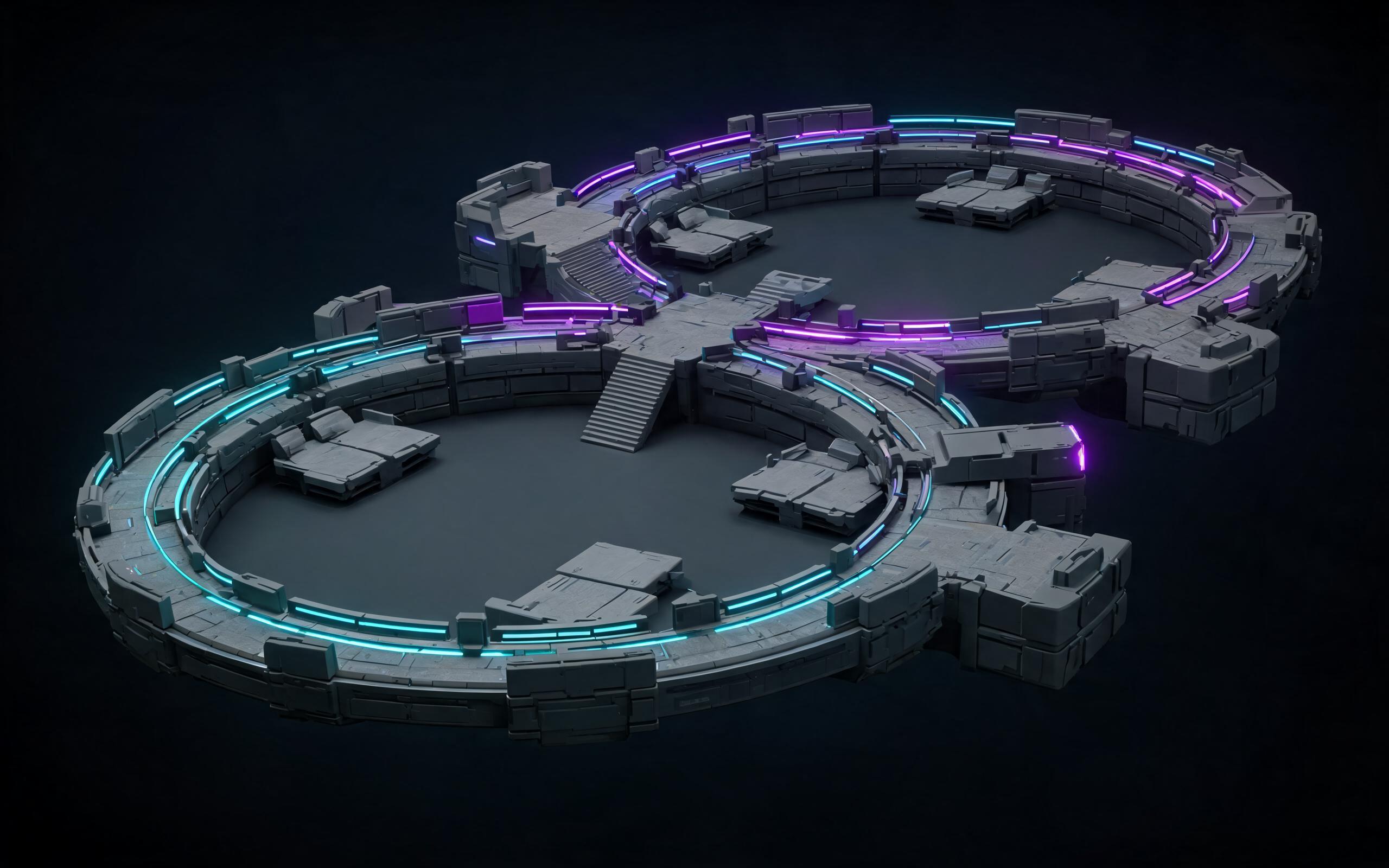
Start with circulation, not decoration
Draw the main loop, risky shortcut, vertical transition, and recovery route before choosing a theme. Measure how long it takes to reach the most valuable pickup from each spawn. A beautiful corridor that has no tactical choice becomes dead space.
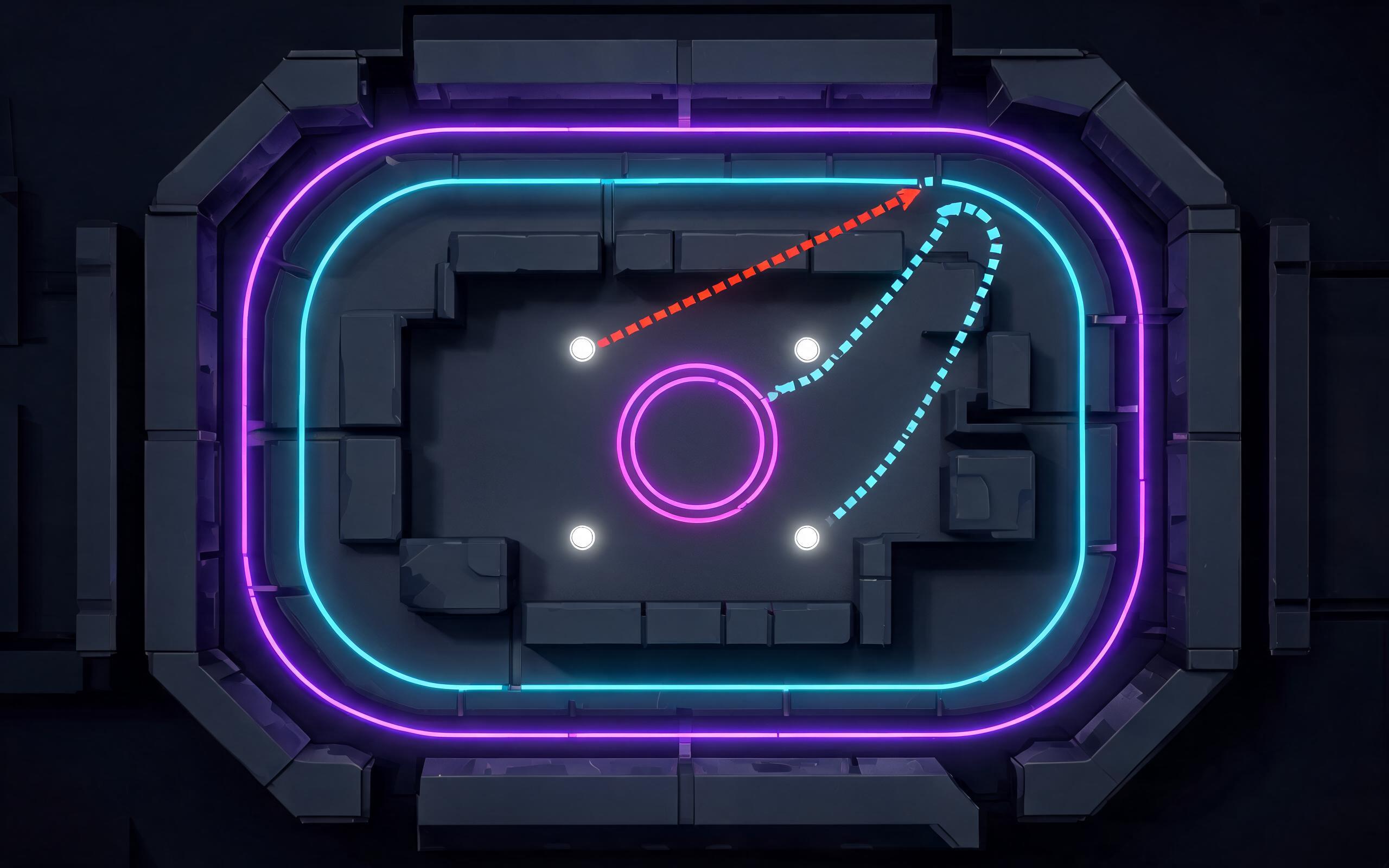
Place resources to create decisions
Power weapons, armor, health, and temporary advantages should pull players across the map. Avoid one position that owns every resource. Use audio, silhouettes, and landmarks so players can infer what is available without memorizing an unreadable maze.
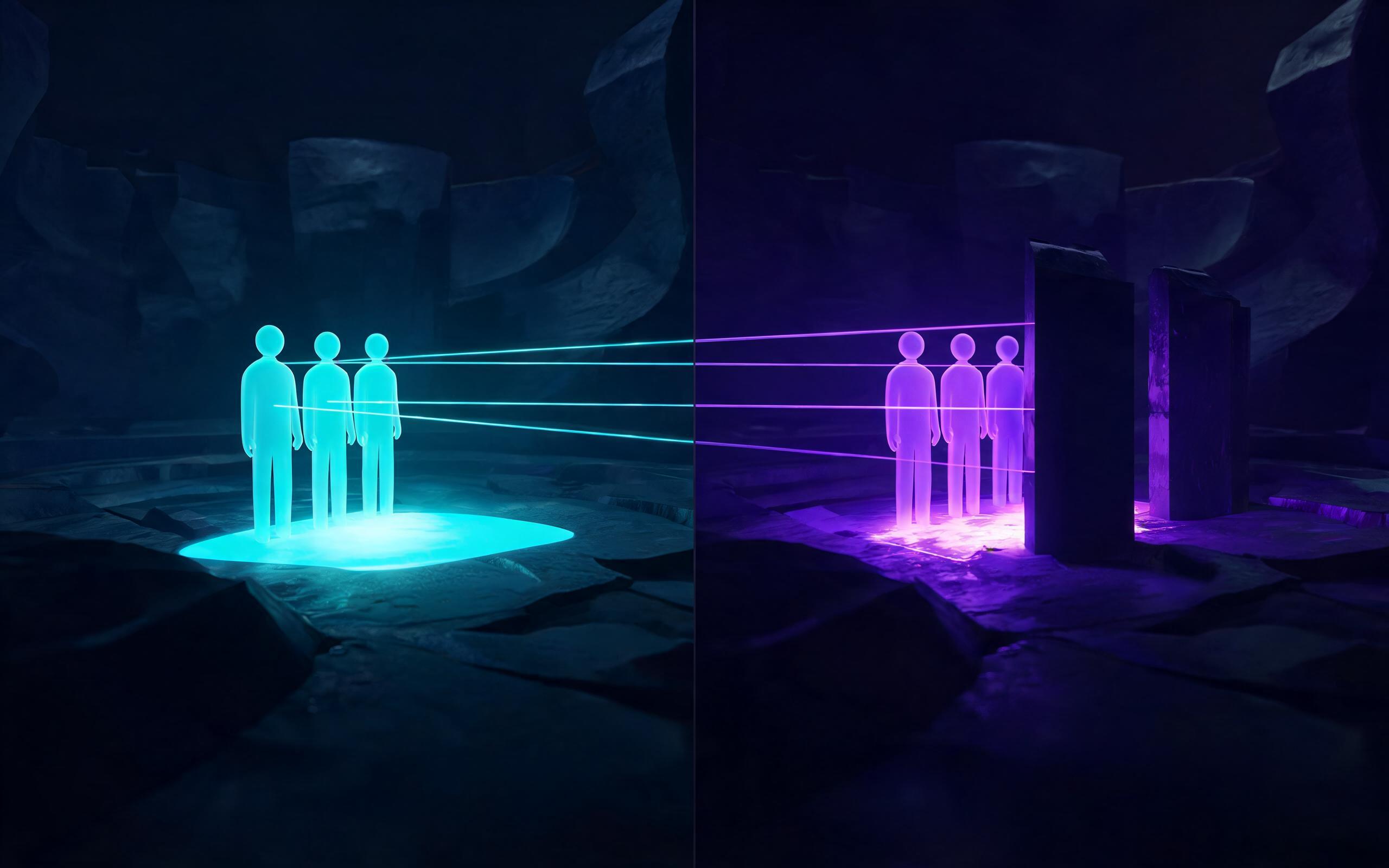
Validate each mode separately
Deathmatch, team deathmatch, capture modes, and vehicle modes create different pressure. Bot paths can reveal broken links, but human multiplayer tests are still required for spawn traps, network movement, exploit routes, and team asymmetry.
Decision and validation matrix
| Checkpoint | Owner or boundary | Acceptance evidence | Stop condition |
|---|---|---|---|
| Flow | Two or more useful routes | Timed laps and encounter heatmap | |
| Pickups | Competing resource loops | No single position owns the map | |
| Spawns | Immediate safety plus choices | Repeated spawn-death test | |
| Bots | Reachable nav and tactical anchors | Bot-only match plus human review |
Evidence map: what each checkpoint proves
Flow: evidence before confidence
Use this checkpoint to keep diagnosis falsifiable. For unreal tournament maps, the working boundary is “Two or more useful routes.” The reviewer should be able to inspect “Timed laps and encounter heatmap” without relying on a polished screenshot or a verbal claim. Capture the exact source, version, settings, test target, and result that produced the evidence. If the result changes after a restart, package, account change, platform switch, or source update, treat the earlier result as stale. Stop and investigate when “Copying a commercial map instead of studying its principles.” becomes the practical outcome, because continuing would mix a known uncertainty into later decisions.
Pickups: evidence before confidence
Record this checkpoint before changing the next variable. For unreal tournament maps, the working boundary is “Competing resource loops.” The reviewer should be able to inspect “No single position owns the map” without relying on a polished screenshot or a verbal claim. Capture the exact source, version, settings, test target, and result that produced the evidence. If the result changes after a restart, package, account change, platform switch, or source update, treat the earlier result as stale. Stop and investigate when “Using long corridors without cover or route choice.” becomes the practical outcome, because continuing would mix a known uncertainty into later decisions.
Spawns: evidence before confidence
Make this checkpoint visible in the handoff record. For unreal tournament maps, the working boundary is “Immediate safety plus choices.” The reviewer should be able to inspect “Repeated spawn-death test” without relying on a polished screenshot or a verbal claim. Capture the exact source, version, settings, test target, and result that produced the evidence. If the result changes after a restart, package, account change, platform switch, or source update, treat the earlier result as stale. Stop and investigate when “Balancing only against one player count.” becomes the practical outcome, because continuing would mix a known uncertainty into later decisions.
Bots: evidence before confidence
Test this checkpoint in isolation before accepting the workflow. For unreal tournament maps, the working boundary is “Reachable nav and tactical anchors.” The reviewer should be able to inspect “Bot-only match plus human review” without relying on a polished screenshot or a verbal claim. Capture the exact source, version, settings, test target, and result that produced the evidence. If the result changes after a restart, package, account change, platform switch, or source update, treat the earlier result as stale. Stop and investigate when “Accepting editor performance as packaged multiplayer proof.” becomes the practical outcome, because continuing would mix a known uncertainty into later decisions.
Scenario walkthroughs and edge cases
Scenario 1: Greybox the entire arena with primitive geometry
When the result is ambiguous, return to greybox the entire arena with primitive geometry. Then time the main routes in both directions. Keep the input set small enough that another person can reproduce the same result. Save the before state, the single change, and the observed after state instead of relying on memory. The failure pattern to guard against is “Copying a commercial map instead of studying its principles.” If that risk appears, revert to the last accepted checkpoint, isolate the responsible system, and only then resume the map design and gameplay analysis workflow.
Scenario 2: Time the main routes in both directions
A production handoff should demonstrate time the main routes in both directions. Then add spawn points and test worst-case lines of sight. Keep the input set small enough that another person can reproduce the same result. Save the before state, the single change, and the observed after state instead of relying on memory. The failure pattern to guard against is “Using long corridors without cover or route choice.” If that risk appears, revert to the last accepted checkpoint, isolate the responsible system, and only then resume the map design and gameplay analysis workflow.
Scenario 3: Add spawn points and test worst-case lines of sight
The fastest safe investigation usually starts with add spawn points and test worst-case lines of sight. Then place pickups to pull players through underused areas. Keep the input set small enough that another person can reproduce the same result. Save the before state, the single change, and the observed after state instead of relying on memory. The failure pattern to guard against is “Balancing only against one player count.” If that risk appears, revert to the last accepted checkpoint, isolate the responsible system, and only then resume the map design and gameplay analysis workflow.
Practical workflow
- Greybox the entire arena with primitive geometry.
- Time the main routes in both directions.
- Add spawn points and test worst-case lines of sight.
- Place pickups to pull players through underused areas.
- Build navigation and run bot-only matches.
- Profile a packaged multiplayer build before art lock.
Handoff record for a second reviewer
A reliable map design and gameplay analysis handoff separates observed facts from assumptions. Use the following record to make the work repeatable:
- Greybox the entire arena with primitive geometry. Attach evidence for flow: timed laps and encounter heatmap. Name the artifact or capture so its engine version, source revision, platform, and test date are recoverable. A reviewer should know what passed, what was not tested, and which change would invalidate the result.
- Time the main routes in both directions. Attach evidence for pickups: no single position owns the map. Name the artifact or capture so its engine version, source revision, platform, and test date are recoverable. A reviewer should know what passed, what was not tested, and which change would invalidate the result.
- Add spawn points and test worst-case lines of sight. Attach evidence for spawns: repeated spawn-death test. Name the artifact or capture so its engine version, source revision, platform, and test date are recoverable. A reviewer should know what passed, what was not tested, and which change would invalidate the result.
- Place pickups to pull players through underused areas. Attach evidence for bots: bot-only match plus human review. Name the artifact or capture so its engine version, source revision, platform, and test date are recoverable. A reviewer should know what passed, what was not tested, and which change would invalidate the result.
- Build navigation and run bot-only matches. Attach evidence for flow: timed laps and encounter heatmap. Name the artifact or capture so its engine version, source revision, platform, and test date are recoverable. A reviewer should know what passed, what was not tested, and which change would invalidate the result.
- Profile a packaged multiplayer build before art lock. Attach evidence for pickups: no single position owns the map. Name the artifact or capture so its engine version, source revision, platform, and test date are recoverable. A reviewer should know what passed, what was not tested, and which change would invalidate the result.
Questions the reviewer should be able to answer
- Can a second reviewer distinguish the flow decision from the wider unreal tournament maps claim? Ask them to locate the recorded boundary “Two or more useful routes,” reproduce “Timed laps and encounter heatmap,” and explain whether “Copying a commercial map instead of studying its principles.” would stop promotion. If any answer depends on private context or an uncaptured screen, the evidence package is incomplete.
- Can a second reviewer distinguish the pickups decision from the wider unreal tournament maps claim? Ask them to locate the recorded boundary “Competing resource loops,” reproduce “No single position owns the map,” and explain whether “Using long corridors without cover or route choice.” would stop promotion. If any answer depends on private context or an uncaptured screen, the evidence package is incomplete.
- Can a second reviewer distinguish the spawns decision from the wider unreal tournament maps claim? Ask them to locate the recorded boundary “Immediate safety plus choices,” reproduce “Repeated spawn-death test,” and explain whether “Balancing only against one player count.” would stop promotion. If any answer depends on private context or an uncaptured screen, the evidence package is incomplete.
- Can a second reviewer distinguish the bots decision from the wider unreal tournament maps claim? Ask them to locate the recorded boundary “Reachable nav and tactical anchors,” reproduce “Bot-only match plus human review,” and explain whether “Accepting editor performance as packaged multiplayer proof.” would stop promotion. If any answer depends on private context or an uncaptured screen, the evidence package is incomplete.
Common mistakes to avoid
- Copying a commercial map instead of studying its principles.
- Using long corridors without cover or route choice.
- Balancing only against one player count.
- Accepting editor performance as packaged multiplayer proof.
Related Unreal coverage
Official and primary sources
Source availability and product behavior can change. Recheck dates, versions, territories, licenses, and current support before acting.
Frequently asked questions
What is the direct answer for unreal tournament maps?
A strong Unreal Tournament-style map creates several readable routes between contested resources. It gives players reasons to move, lets skilled traversal create advantage without making spawns helpless, and supports the selected mode’s team or scoring rules. Start with an original greybox, test route time and sightlines, add pickups only after the circulation works, then validate bots, replication, collision, lighting, and performance.
What should be verified first?
Greybox the entire arena with primitive geometry.
What is the main risk?
Copying a commercial map instead of studying its principles.
What evidence should be saved?
Save the source version, settings, target platform, accepted output, and the result of the checkpoint “Timed laps and encounter heatmap.” A screenshot without those boundaries is not enough to reproduce the decision.
When should the workflow stop?
Stop when the next action would depend on an unverified right, incompatible version, missing source, unsupported target, or a result that cannot be reproduced. Resolve that boundary before expanding the map design and gameplay analysis workflow.