Generated with SEELE AI · Unreal 5 gameplay
Third-person exploration
Echoes of the Wildwater
Explore a mountain-and-ocean world in this completed native Unreal 5 game, then use its starter direction for your own project.
Describe your game, generate a native Unreal 5 game, then preview, package, download, or publish.
Real Unreal 5 gameplay · generated with SEELE AI.
Playable games and starter worlds
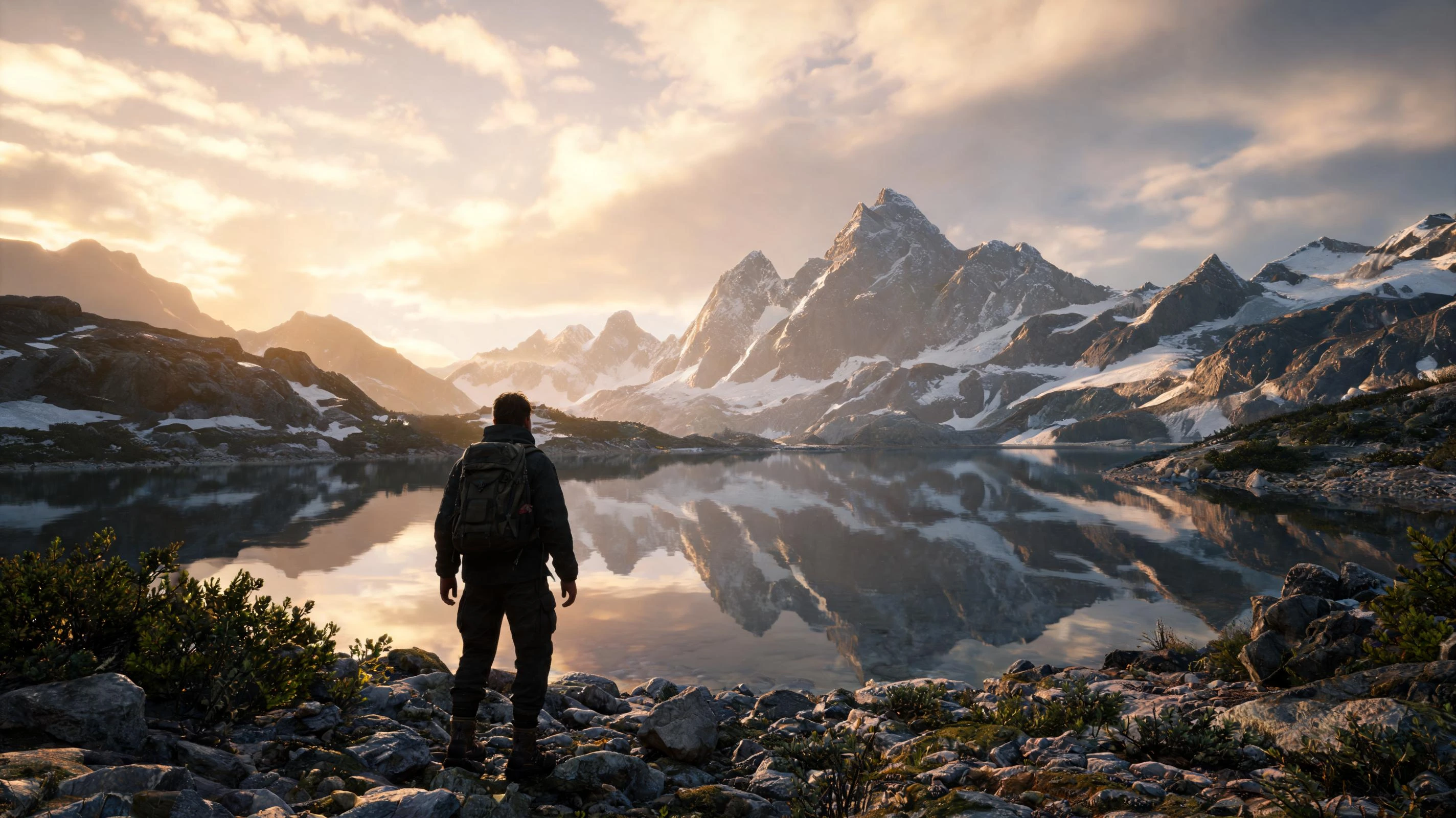 Mountains and waterMountain tourUse Unreal Engine to generate a simple third-person tour game with mountains and water.
 Weather and explorationCity tourCreate an Unreal Engine city tour game. No game logic is required; simply explore the scene in third-person persp...
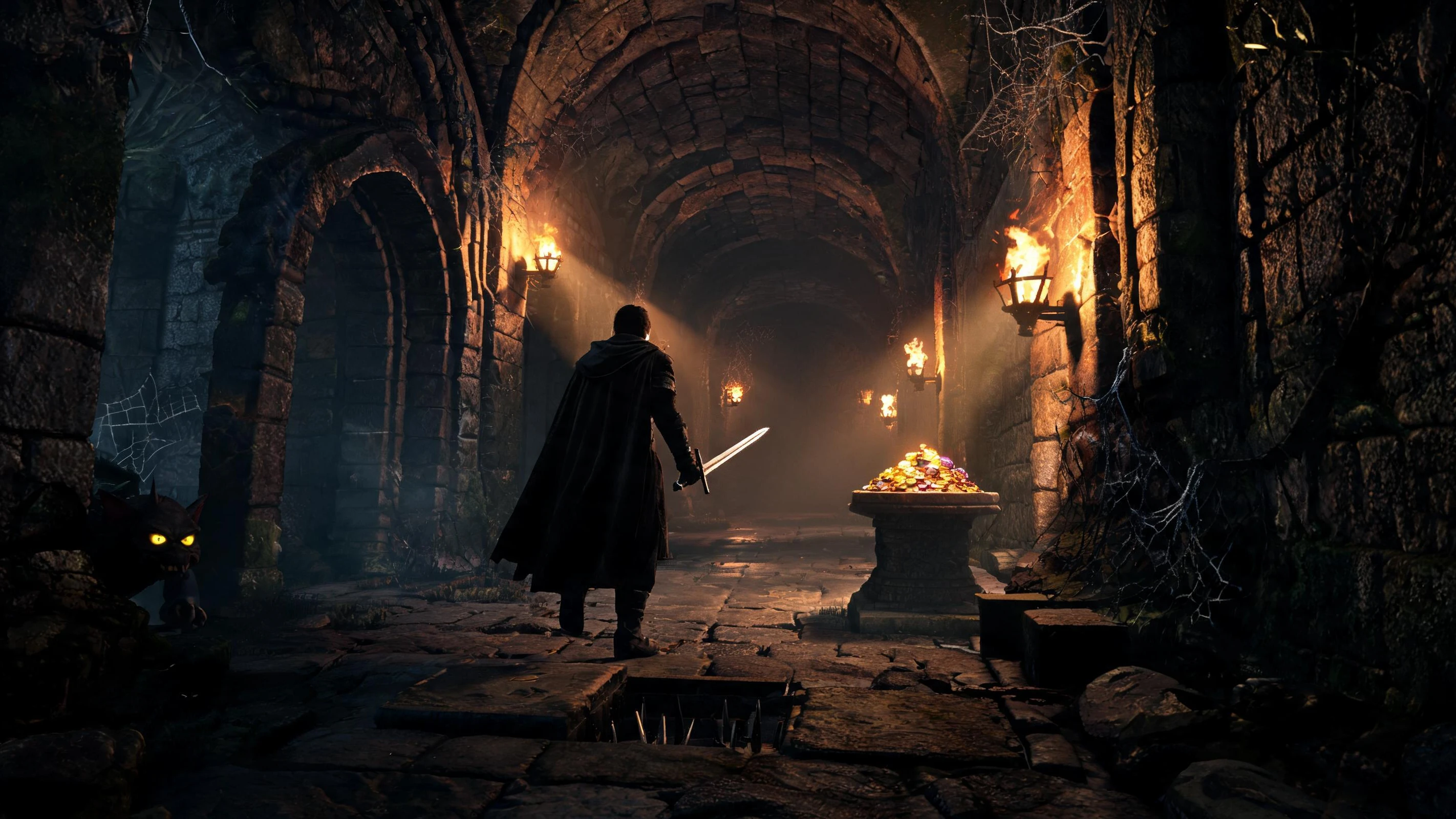 Rooms, enemies, and combatDungeon crawlerBuild a dungeon crawler game using Unreal Engine. The game should be complete and playable. Please test and regre...
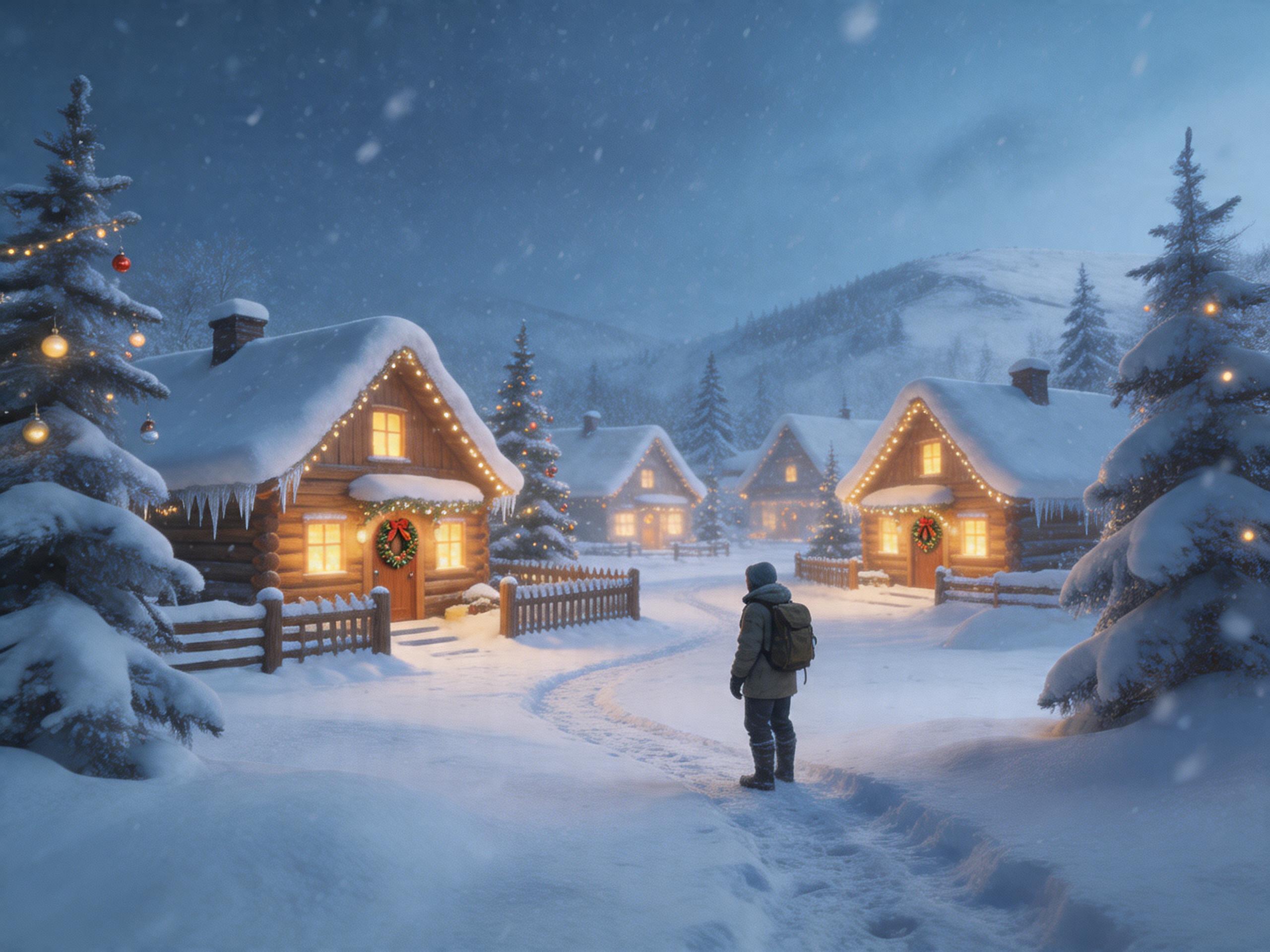 Cinematic winter sceneChristmas townUse Unreal Engine to generate a sightseeing game set in a Christmas town during a blizzard.
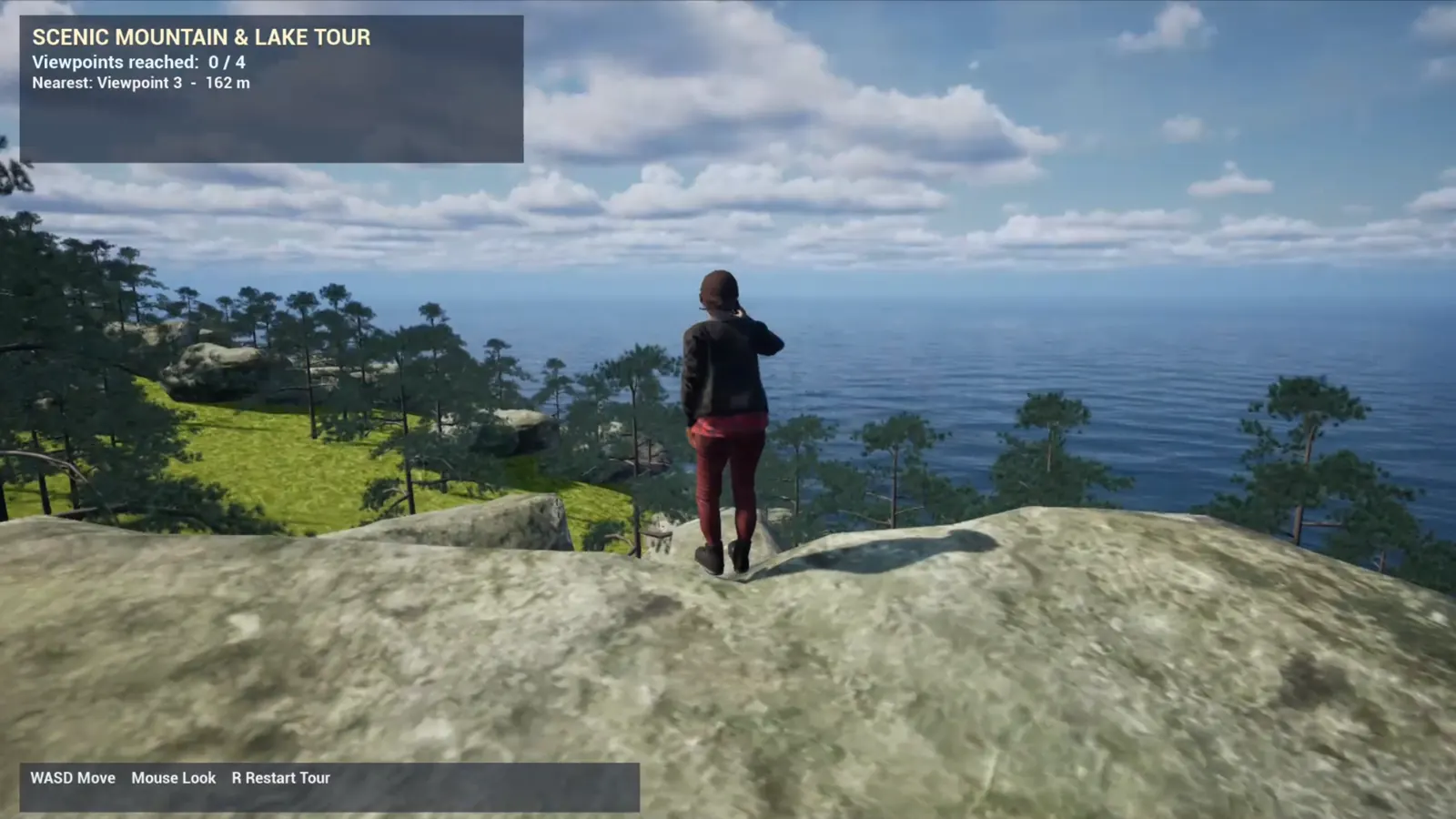 Featured exploration gameEchoes of the WildwaterUse Unreal Engine to generate a simple third-person tour game with mountains and water.
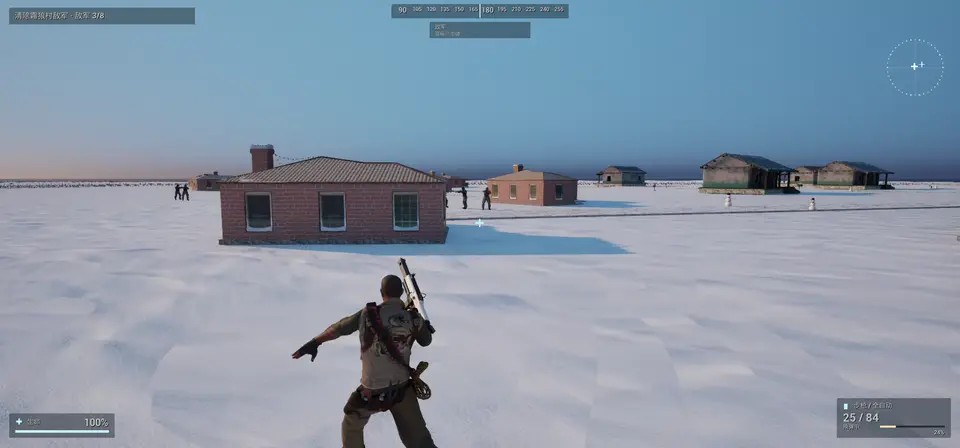 Tactical FPS / TPSShattered FrontBuild a complete playable Unreal Engine 5.5 first- or third-person shooter. Create a main menu, responsive player...
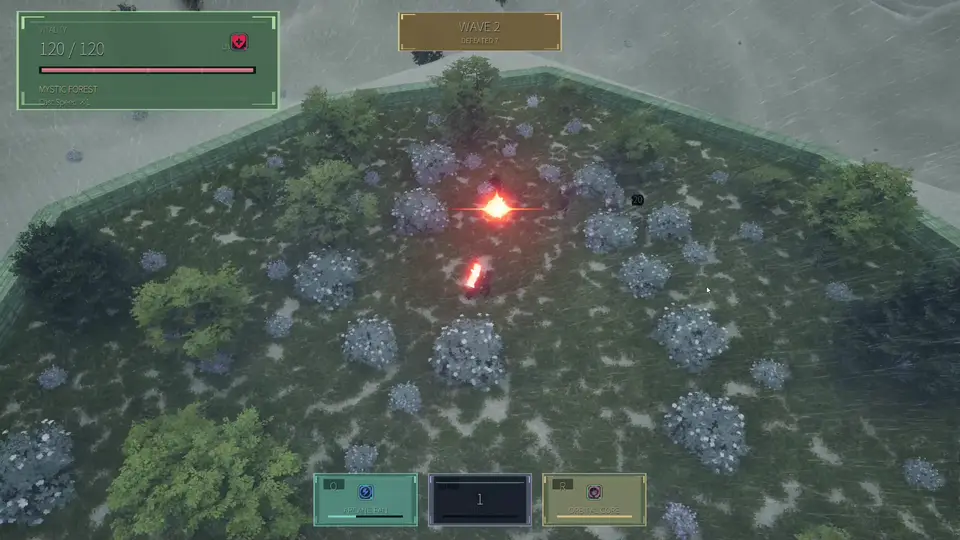 Action rogueliteMystic ForestBuild a complete playable Unreal Engine 5.5 top-down ranged roguelite. Create a fixed top-down camera, player mov...
Published with SEELE AI
Third-person exploration
Explore a mountain-and-ocean world in this completed native Unreal 5 game, then use its starter direction for your own project.
Tactical FPS / TPS
Survive a blizzard breakout, then assault a fortified desert stronghold in this single-player tactical shooter.
Action roguelite
Survive magical enemy waves, build powerful spells, and defeat a three-boss finale in this top-down action roguelite.
Workflow comparison
SEELE AI combines AI generation with a native Unreal project, browser review, and a path to packaging or publishing.
| Your goal | SEELE AIAI-native Unreal workflow | Direct Unreal workflow | Unity workflow |
|---|---|---|---|
| Start from a prompt | Native .uproject generated | Set up and build the project in the editor. | Creates a Unity project, not an Unreal project. |
| Review in the browser | Built in with Pixel Streaming | Configure and host Pixel Streaming separately. | Configure WebGL or streaming separately. |
| Continue in Unreal | Open the generated project in Unreal | Full Blueprint, C++, editor, and engine control. | Uses Unity, C#, and the Unity runtime. |
| Package or publish | One workflow from generation to release | Build and maintain your release pipeline. | Use the Unity build and release pipeline. |
Pick a real workspace card for a scene, game genre, asset workflow, or production idea that matches what you want to build.
Open the starter prompt in SEELE AI and generate the .uproject, project files, gameplay, camera, controls, environment, and visual direction.
Interact with the running Unreal application in the browser, then inspect the generated assets, Blueprint or C++, performance targets, and test cases.
Test assets, gameplay, packaging, performance, accessibility, and platform requirements in the Unreal version you will ship.
Plan Blueprint graphs, C++ class boundaries, Visual Studio tasks, MCP-style assistant context, debugging checkpoints, and the human review needed before code reaches a native Unreal game.
Cover PCG, World Partition, Landscape, Nanite, Lumen, MegaLights, materials, shaders, Niagara VFX, Chaos physics, Fab, Quixel, and level-performance budgets.
Map MetaHuman, skeletal meshes, animation retargeting, Control Rig, Motion Matching, Sequencer, cinematics, facial animation, and character-performance review.
Scope player input, AI NPCs, Behavior Trees, EQS, Gameplay Ability System, UMG or CommonUI, save data, multiplayer, replication, networking, audio, and accessibility.
Prepare FBX, GLB, OBJ, textures, PBR materials, normals, collisions, sockets, LODs, profiling, packaging, Steam, desktop, console, mobile, VR/XR, and Pixel Streaming decisions.
Explore FPS, RPG, open world, horror, survival, racing, simulation, digital twins, architecture, automotive visualization, education, previs, and virtual production.
Public Unreal output
Try the finished SEELE AI Unreal games featured above.
View the gamesSee how a generated project moves through validation, packaging, and release.
Review the workflowGenerate native Unreal 5 games spanning gameplay, Blueprints, C++, worldbuilding, characters, assets, performance, packaging, downloads, and publishing — through the world's first online native Unreal workflow.
Yes. SEELE AI generates a native Unreal 5 game that you can preview in the browser, optimize and package inside Seele, and download for continued local development or external publishing — the world's first online native Unreal workflow for building deliverable Unreal games. Review the generated Blueprint, C++, asset, plugin, performance, and target-platform contents for the specific game scope before release.
No. SEELE AI is an independent product. Unreal Engine, UE5, UEFN, Fab, MetaHuman, Nanite, Lumen, Niagara, and related names belong to Epic Games or their respective owners. This page compares workflows and does not imply an endorsement, partnership, or native engine integration. Trademark references remain purely descriptive.
Yes. Download the native game to review and extend it in Unreal 5 with Blueprint, C++, assets, and the rest of your local development workflow. The exact generated code, asset, plugin, and configuration contents depend on the game scope, so inspect those contents and keep game-specific version and platform checks in the release plan.
Use it for early concepts, game-jam slices, dungeon crawlers, FPS and RPG briefs, open-world exploration, horror, survival, racing, city tours, landscape scenes, multiplayer planning, and VR walkthroughs. The strongest fit is deciding what to build and test before committing deeper engine time.
Use SEELE AI to build the game online with AI, then choose the workflow that matches the intended game and release target. Choose Unreal 5 when you need a native Unreal game, browser preview, performance optimization, packaging, and downloadable output. Choose Unity, Godot, or a web workflow when its runtime, team skills, integrations, or distribution model better fit the game.
Yes. Download the native game or packaged output for external publishing, or publish the finished game on Seele as a free or paid game. A paid Seele release can earn revenue from player purchases, subject to the applicable platform terms and release checks. Audience demand, purchases, sales volume, and revenue are not guaranteed.
Yes. The page helps beginners understand scene scope, camera, assets, Blueprint-style logic, worldbuilding, gameplay systems, performance, and publishing before committing to deeper engine learning. It should complement official Unreal documentation and practical editor work, not replace tutorials, source examples, or hands-on debugging.
Prioritize the systems that affect your game: Blueprint or C++, worldbuilding and PCG, Niagara, characters and Control Rig, multiplayer, UI, profiling, packaging, and Pixel Streaming. Check Epic documentation for the Unreal version you plan to use before committing to implementation details.
The same prototype brief can define a walkthrough, digital twin, simulation, automotive visualization, previs scene, or virtual-production test. Those outputs still require domain-specific data, physical accuracy, performance targets, review, and native Unreal implementation; a browser prototype is evidence for direction, not production fidelity.
SEELE AI opens the selected prompt and generates a native Unreal 5 game for that game direction. Preview the result in the browser, refine the gameplay and assets, optimize performance, and package the game in Seele. Then download the game or packaged output for local and external work, or complete a free or paid Seele release.
Open a starter game in SEELE AI, generate the native Unreal 5 game online with AI, optimize and package it, then download it or publish it on Seele.