Blog›Unreal Dedicated Server Build and Linux Deployment Guide
Unreal Dedicated Server Build and Linux Deployment Guide
Create a Server target, build with a source-capable Unreal toolchain, cook content for the server platform, and package a versioned headless artifact with configuration, maps, and required runtime libraries. Follow the API, failure recovery, and packaged-build validation checklist.
SEELE AI
Posted: 2026-07-26
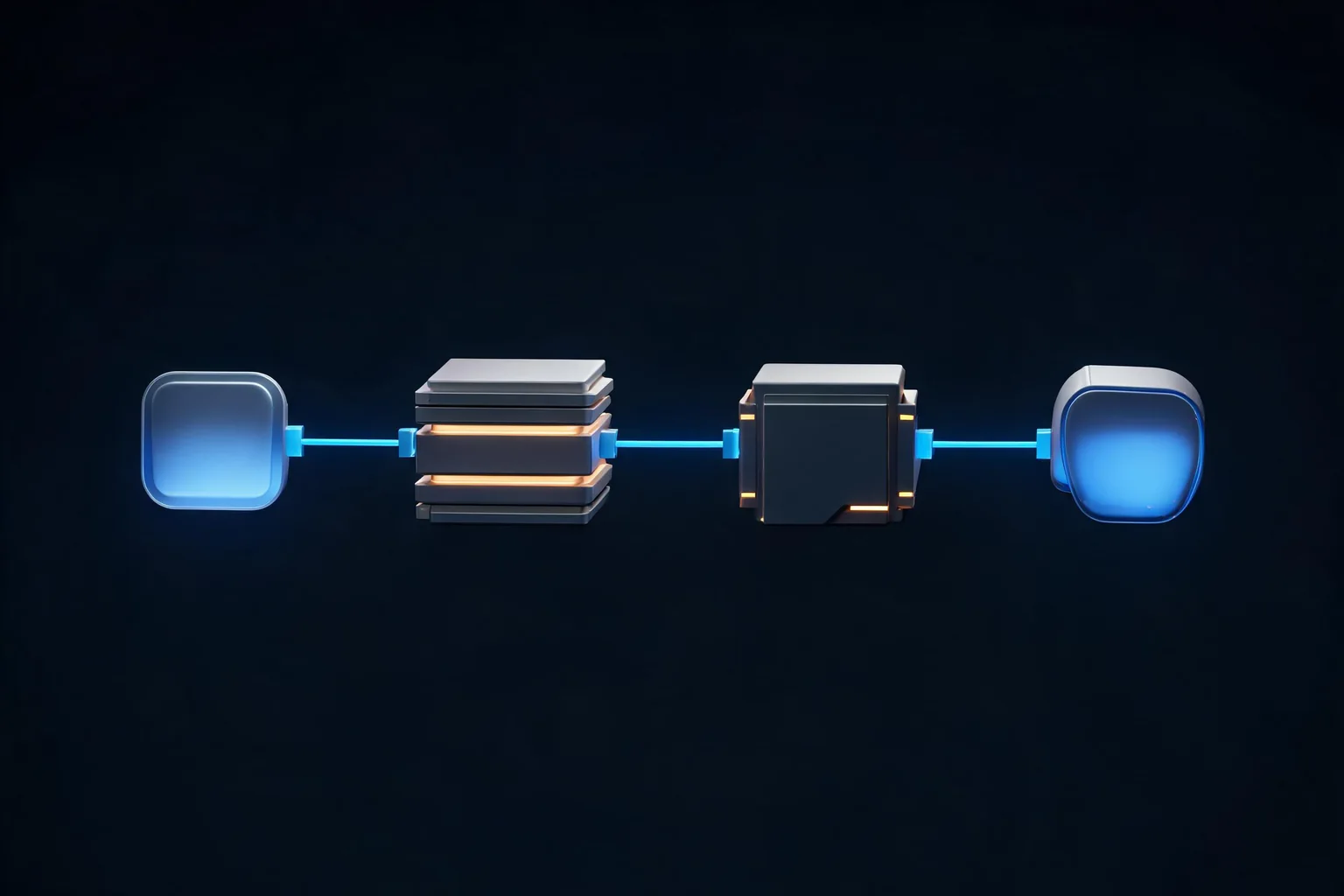
Visual guide for Unreal Dedicated Server Build and Linux Deployment Guide
Key Takeaways: Unreal Dedicated Server Build and Linux Deployment Guide
Create a Server target, build with a source-capable Unreal toolchain, cook content for the server platform, and package a versioned headless artifact with configuration, maps, and required runtime libraries. Start it with an explicit map, port, log path, and unattended flags; expose process and session health separately; preserve stdout or file logs; and deploy the exact tested artifact through a service, container, or orchestrator with graceful shutdown and rollback.
Direct answer
Create a Server target, build with a source-capable Unreal toolchain, cook content for the server platform, and package a versioned headless artifact with configuration, maps, and required runtime libraries. Start it with an explicit map, port, log path, and unattended flags; expose process and session health separately; preserve stdout or file logs; and deploy the exact tested artifact through a service, container, or orchestrator with graceful shutdown and rollback.
This page covers build-to-runtime delivery on Linux. It does not repeat replication design, matchmaking, cloud vendor selection, or anti-cheat integration. The practical goal is a game-building slice that another developer can reproduce from a clean checkout. Keep engine behavior, project policy, and measured evidence separate: Epic documentation establishes supported concepts, the project defines ownership and budgets, and only a named test run proves the local result.
What this guide delivers
A concrete ownership model for unreal dedicated server build deploy linux.
A six-stage Blueprint/C++ implementation workflow with a real API or command example.
Three production scenarios, including normal, edge, and handoff behavior.
Failure recovery and validation criteria for editor and packaged builds.
A bounded SEELE handoff that leads to the Unreal creator without changing this page's technical intent.
Explain owners and implementation flow for unreal dedicated server build deploy linux.System architecture and ownership
Build target
A Target.cs file selects TargetType.Server, modules, build settings, and supported platforms. The server build removes rendering and local-player needs but still requires game modules and cooked assets used by authoritative logic.
Build target review: capture engine, project, target, and artifact hashes and show how cooked artifact receives or observes the accepted result without becoming a second owner.
Cooked artifact
Automate BuildCookRun or BuildGraph with a pinned engine and project revision. Record command, exit code, manifest, archive hash, map list, configuration, and whether client and server content versions match.
Cooked artifact review: capture cook manifest and required map presence and show how runtime contract receives or observes the accepted result without becoming a second owner.
Runtime contract
Start with explicit map, port, log, unattended, crash, and stdout policy. Environment or config injects secrets; never bake live credentials into DefaultEngine.ini or the packaged archive.
Runtime contract review: capture port bind and net-driver startup and show how operations lifecycle receives or observes the accepted result without becoming a second owner.
Operations lifecycle
Process health says the executable is alive; readiness says the world and online/session layer can accept players. Handle SIGTERM or service stop, reject new work, flush state, close sessions, and exit within a deadline.
Operations lifecycle review: capture client connect, travel, and disconnect and show how build target receives or observes the accepted result without becoming a second owner.
Implementation workflow
Stage 1: Add ProjectServer.Target.cs with TargetType.Server and build it in a clean agent using the required Unreal source or installed-build workflow for the target version.
Stage 2: Run a reproducible BuildCookRun command for LinuxServer, named maps, and the intended Development or Shipping configuration. Archive symbols and manifests separately from the public artifact.
Stage 3: Smoke-test the server locally with a fixed map and port, inspect log startup through world readiness, then connect a version-matched client and exercise travel and disconnect.
Stage 4: Package the archive into a service directory or minimal container image, run as a non-root user where possible, mount writable logs and crash output, and inject configuration at runtime.
Stage 5: Define liveness, readiness, resource limits, port exposure, graceful termination, startup timeout, and artifact version labels. Do not use player count alone as process health.
Stage 6: Deploy one canary, connect and complete a representative session, stop it gracefully, verify logs and state flush, then roll out or revert by immutable artifact identifier.
Install one immutable archive, inject environment from a protected service file, set Restart=on-failure, forward logs, and use ExecStop with a graceful in-game shutdown path before the service timeout.
Evidence for systemd host should include engine, project, target, and artifact hashes, the owning build identity, and the condition that returns this scenario to its last known-good state.
Example 2: Container canary
Expose UDP gameplay and any query ports explicitly, mount crash output, label the image with engine and project commits, and gate readiness on map plus session initialization.
Evidence for container canary should include cook manifest and required map presence, the owning build identity, and the condition that returns this scenario to its last known-good state.
Example 3: Version mismatch rejection
Client and server exchange a compatible content or protocol version. The server rejects an incompatible client with a visible reason instead of accepting and failing later during replication.
Evidence for version mismatch rejection should include port bind and net-driver startup, the owning build identity, and the condition that returns this scenario to its last known-good state.
Support failure diagnosis and recovery for unreal dedicated server build deploy linux.Failure modes and recovery
Server executable builds but map is missing
Audit cook map inclusion, asset manager rules, soft references, and archive manifest. Editor availability is not cooked-content evidence.
Before closing server executable builds but map is missing, rerun systemd host and prove port bind and net-driver startup returns to the expected boundary without an undocumented repair step.
Process is alive but cannot accept players
Split liveness from readiness and log map, net driver, bind port, online service, and session creation stages. Restarting blindly hides the first failure.
Before closing process is alive but cannot accept players, rerun container canary and prove client connect, travel, and disconnect returns to the expected boundary without an undocumented repair step.
Linux startup fails on a library or permission
Run in the final image or host class, inspect dynamic dependencies, execute bit, case-sensitive paths, writable directories, and non-root ownership.
Before closing linux startup fails on a library or permission, rerun version mismatch rejection and prove readiness, termination, logs, crash output, and rollback returns to the expected boundary without an undocumented repair step.
Deployment kills active sessions abruptly
Handle termination, remove readiness, stop accepting joins, save or close authoritative work, then exit before the orchestrator deadline.
Before closing deployment kills active sessions abruptly, rerun systemd host and prove engine, project, target, and artifact hashes returns to the expected boundary without an undocumented repair step.
Validation matrix
engine, project, target, and artifact hashes: inspect it beside build target; pass only when server executable builds but map is missing does not recur during systemd host and the evidence names the exact build.
cook manifest and required map presence: inspect it beside cooked artifact; pass only when process is alive but cannot accept players does not recur during container canary and the evidence names the exact build.
port bind and net-driver startup: inspect it beside runtime contract; pass only when linux startup fails on a library or permission does not recur during version mismatch rejection and the evidence names the exact build.
client connect, travel, and disconnect: inspect it beside operations lifecycle; pass only when deployment kills active sessions abruptly does not recur during systemd host and the evidence names the exact build.
readiness, termination, logs, crash output, and rollback: inspect it beside build target; pass only when server executable builds but map is missing does not recur during container canary and the evidence names the exact build.
Version and source boundaries
These steps target the current Unreal Engine 5 documentation surface as of 2026-07-26. Engine defaults, experimental status, plugin packaging, API signatures, and platform support can change. Select the documentation version that matches the project, test the exact patch and target, and retain a rollback revision. Public documentation does not replace NDA platform requirements, store review, console certification, or project-specific performance evidence.
Official sources
Setting Up Dedicated Servers — source evidence for build target in this unreal dedicated server build deploy linux workflow; verify the documentation version against the shipping branch.
Build Operations: Cook, Package, Deploy, Run — source evidence for cooked artifact in this unreal dedicated server build deploy linux workflow; verify the documentation version against the shipping branch.
Command-Line Arguments — source evidence for runtime contract in this unreal dedicated server build deploy linux workflow; verify the documentation version against the shipping branch.
Unreal Engine is a trademark of Epic Games. SEELE AI is independent and this article does not imply Epic Games or Valve endorsement.
From the technical plan to a SEELE Unreal game
Use this page to define the system, acceptance tests, and failure boundaries; then carry that precise brief into [SEELE's Unreal game creator](/features/create/unreal-game). SEELE can generate a native Unreal 5 game, provide an in-browser preview, support optimization and packaging in SEELE, and let you download the project or packaged output for external publishing or publish it as a free or paid SEELE game.
That handoff does not change the native production responsibility described above. Store approval, sales, revenue, certification, third-party plugin compatibility, and platform compliance are not guaranteed. Keep the source Unreal game, build logs, test evidence, and external publishing decisions under your team's control.
FAQ
What is the correct architecture for unreal dedicated server build deploy linux?
Create a Server target, build with a source-capable Unreal toolchain, cook content for the server platform, and package a versioned headless artifact with configuration, maps, and required runtime libraries. Start it with an explicit map, port, log path, and unattended flags; expose process and session health separately; preserve stdout or file logs; and deploy the exact tested artifact through a service, container, or orchestrator with graceful shutdown and rollback. Start with build target and cooked artifact, then keep presentation as an observer of committed gameplay state.
Should unreal dedicated server build deploy linux be built in Blueprint or C++?
Either can work. Blueprint is effective for rapid game logic and designer iteration; C++ is useful for reusable contracts, complex lifetime, performance-sensitive loops, and automated tests. Preserve the same owner, validation, failure, and recovery boundaries in both.
How should unreal dedicated server build deploy linux be tested?
Test one normal case, one invalid input, interruption or teardown, clean restart, and packaged-build parity. Capture engine, project, target, and artifact hashes, cook manifest and required map presence, port bind and net-driver startup with a build identifier and explicit pass criteria.
What is the most dangerous failure in unreal dedicated server build deploy linux?
Server executable builds but map is missing is an early warning: Audit cook map inclusion, asset manager rules, soft references, and archive manifest. Editor availability is not cooked-content evidence. Also verify cleanup and retry so the apparent fix does not leave stale state.
Which Unreal version does this unreal dedicated server build deploy linux guide target?
It uses the Unreal Engine 5 documentation surface available on 2026-07-26. Confirm the version selector, API signature, plugin status, platform toolchain, and packaged behavior in the exact engine patch that will ship.
What can SEELE do after this unreal dedicated server build deploy linux plan is ready?
SEELE can generate a native Unreal 5 game, provide browser preview, support optimization and packaging, and provide project or packaged downloads for external publishing or a free or paid SEELE release. It does not guarantee third-party store approval, compatibility, sales, or revenue.
Was this guide helpful? Use it as a starting point, then continue the best direction in Seele AI.