
Use a fictional setting
Keep invented events and institutions distinct from current reporting.

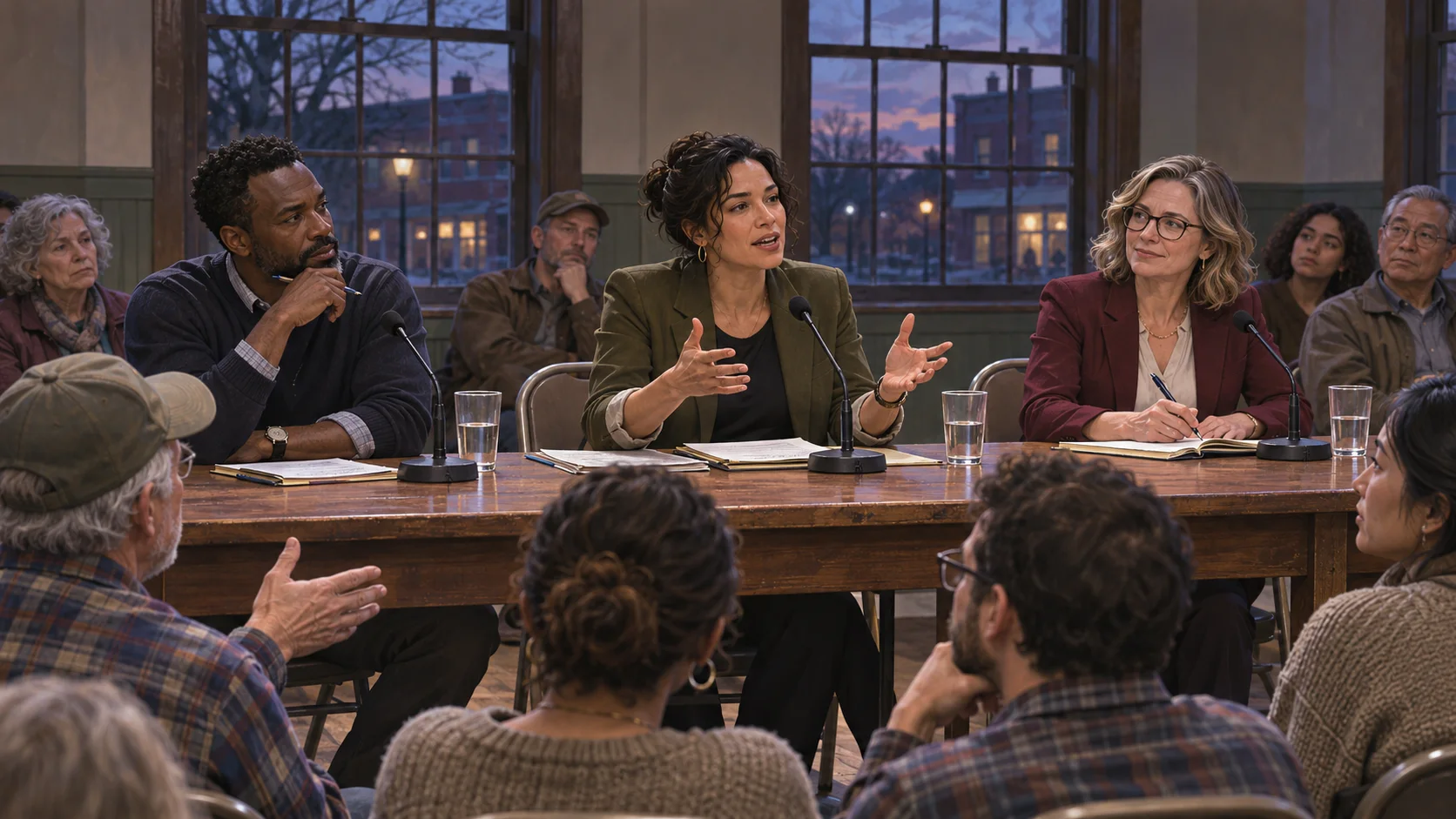
Place the reader in a fictional public decision and let each path reveal a different cost. Build a political story around a fictional community, competing priorities, and consequences that follow the reader’s choices. Keep events invented and distinguish them from real-world claims.
Partners and teams

















How it works
Turn your story into an interactive visual novel. Create anime characters, branching dialogue, and meaningful choices without coding.
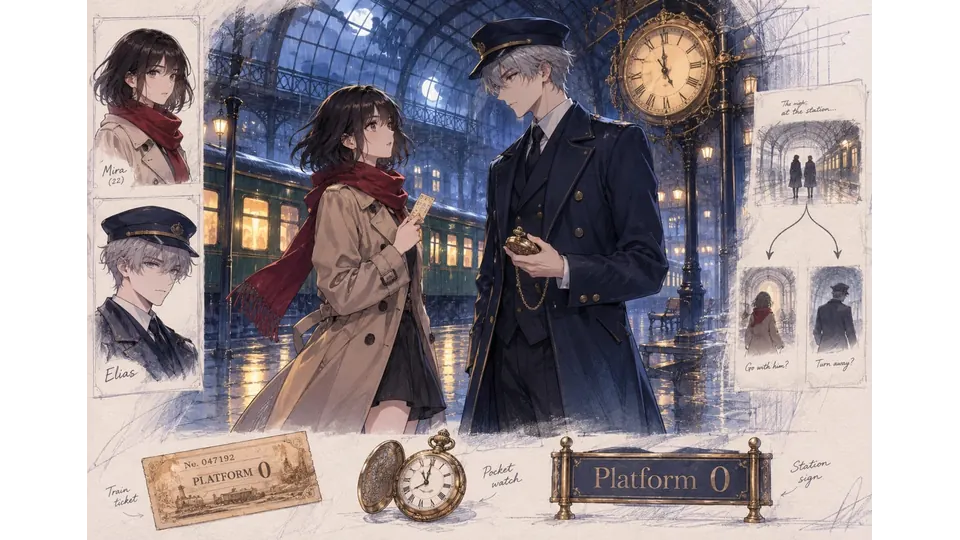
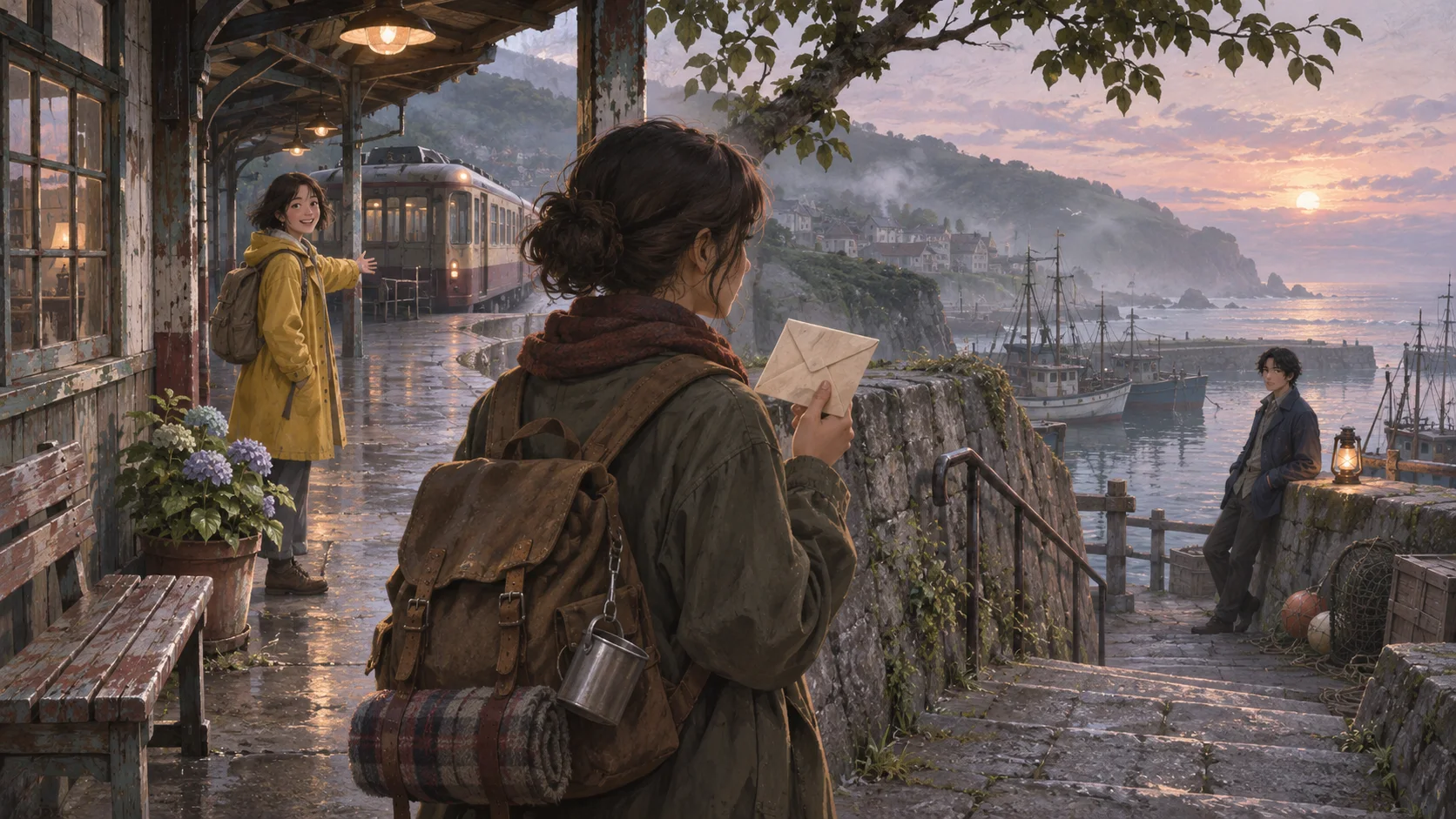
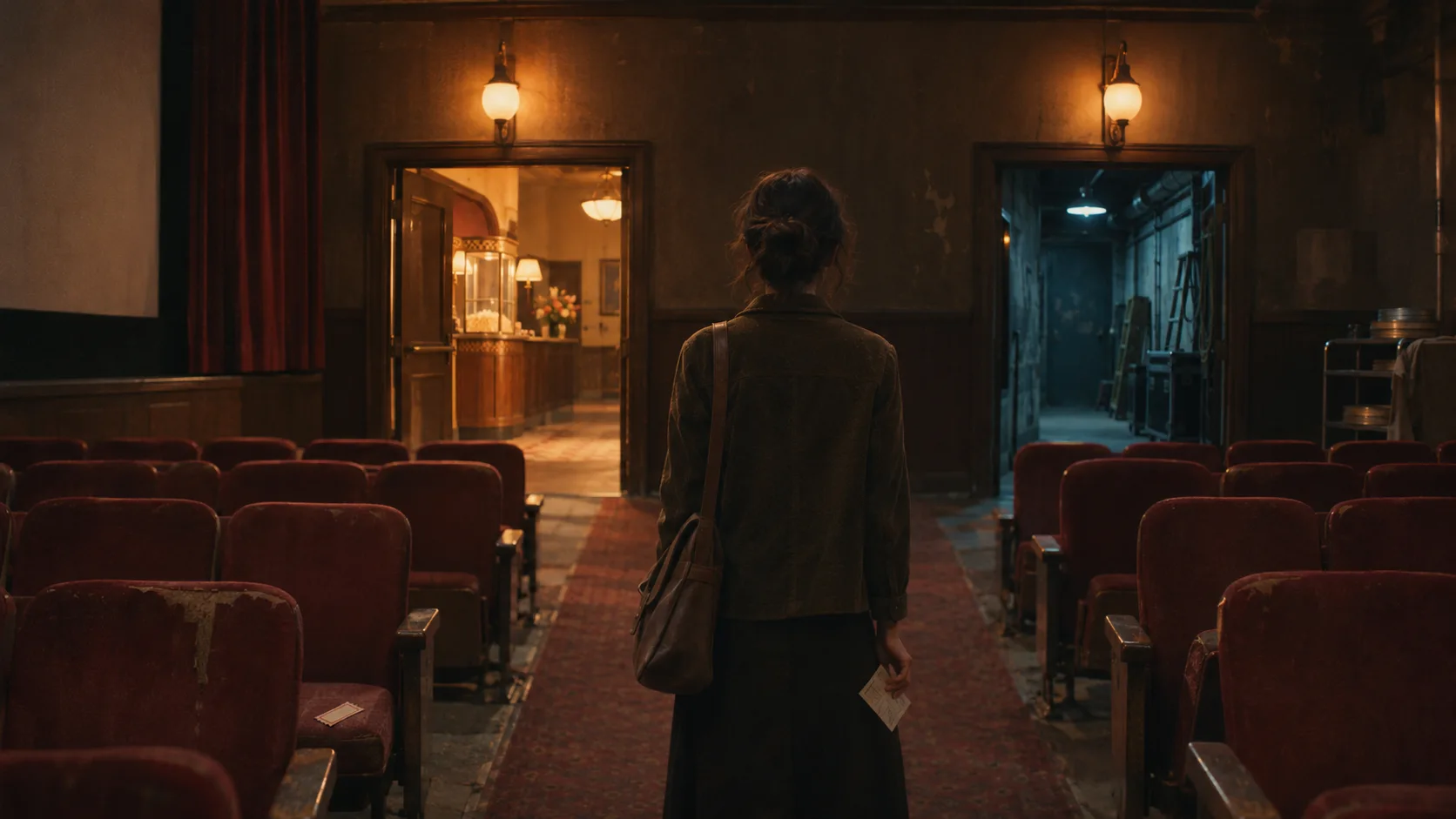
Imagine a midnight station, a missing ticket, and two strangers with secrets.
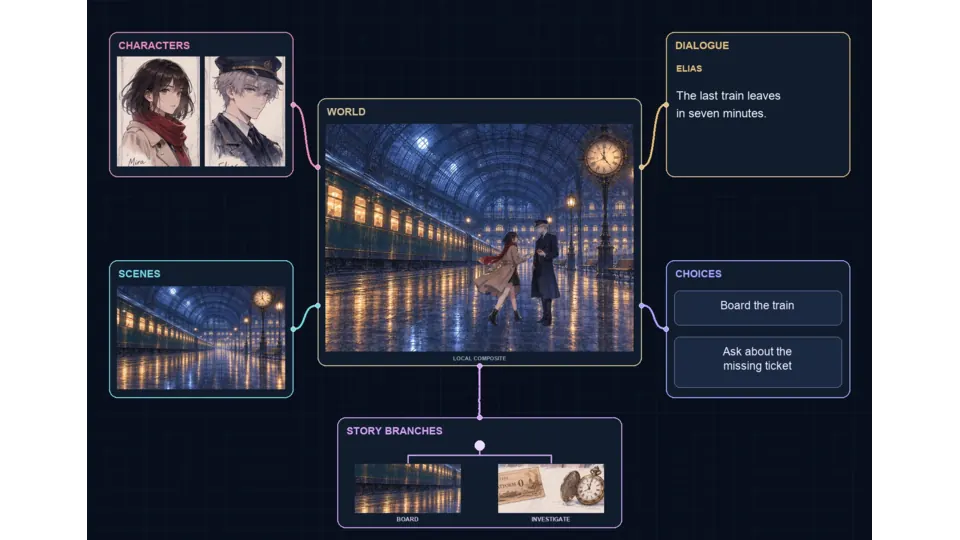
Connect character portraits, scenes, dialogue, and choices into an interactive story.
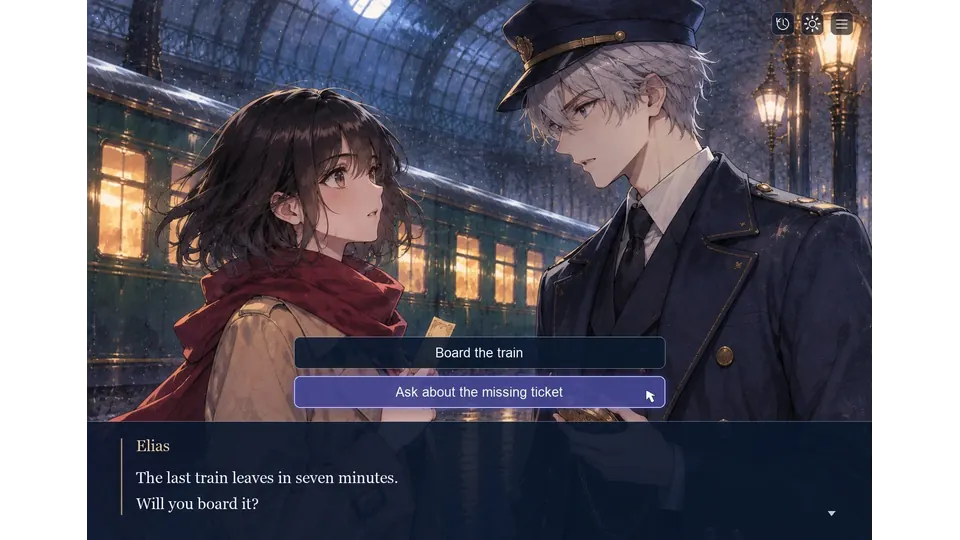
Board the train or ask about the missing ticket to explore different story paths.
Make a game for freePick a starting point
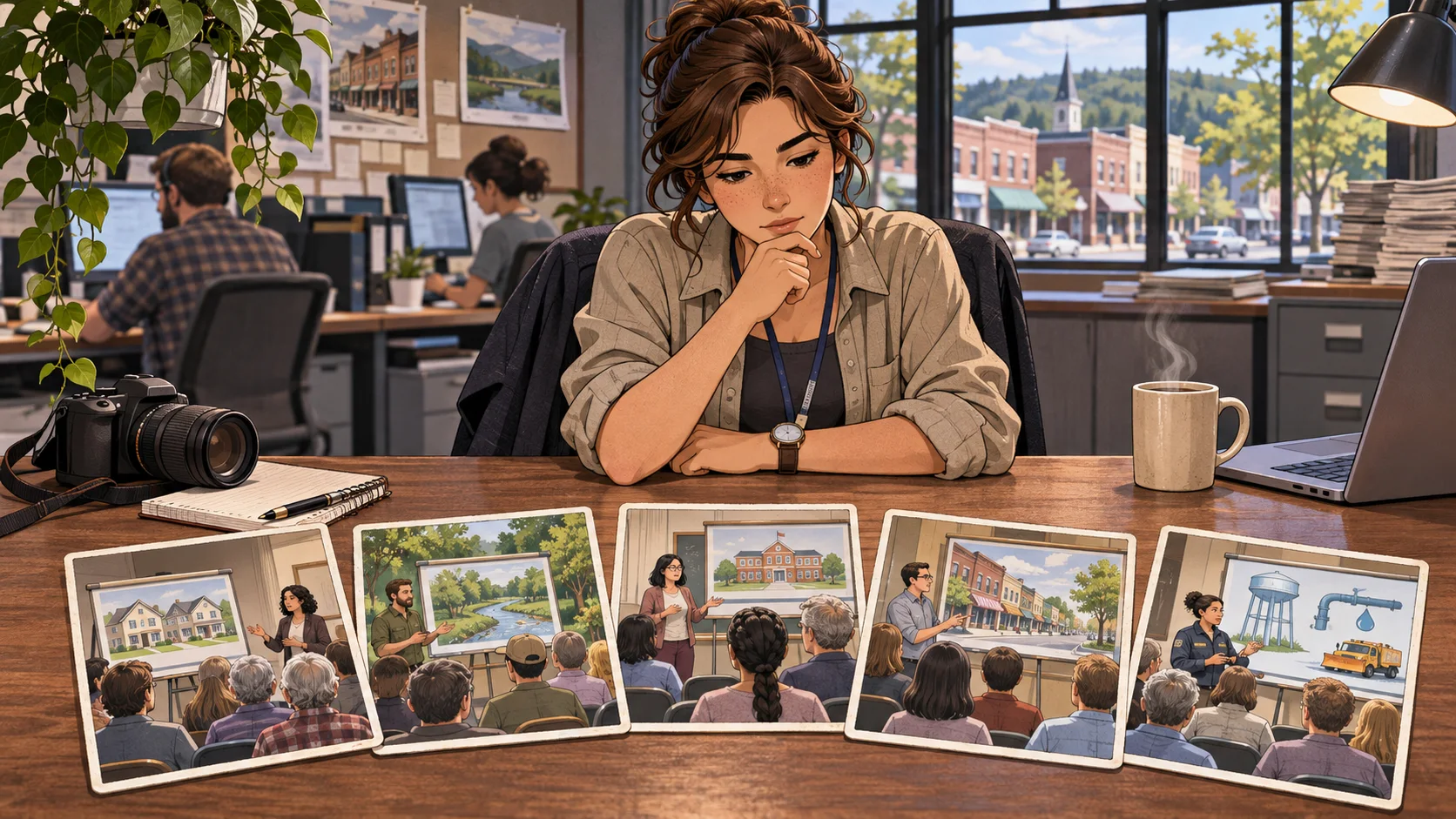
In the fictional town of Bellwater, a storm damages the bridge and the clinic roof on the same night. Open at the council meeting and let the reader decide which repair is discussed first.
Write a nonpartisan branching story in a fictional town where the clinic and bridge both need urgent repairs. Let readers allocate a limited budget, meet residents with different needs, and see plausible consequences without implying one correct political choice.
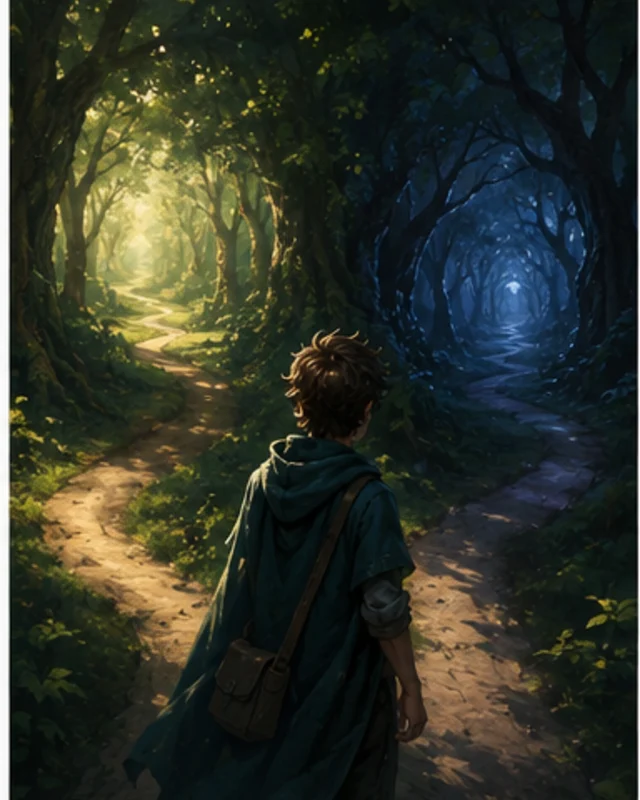 Opening scene ↗
Why SEELE
Keep invented events and institutions distinct from current reporting.

Connect a policy decision to residents’ daily lives.

Make trade-offs visible instead of presenting a perfect answer.

Carry the chosen policy into later scenes.

Do not present invented figures or events as real evidence.

Let readers consider what the next decision should be.
Made with SEELE
These games are playable. Pick one and give it a try.
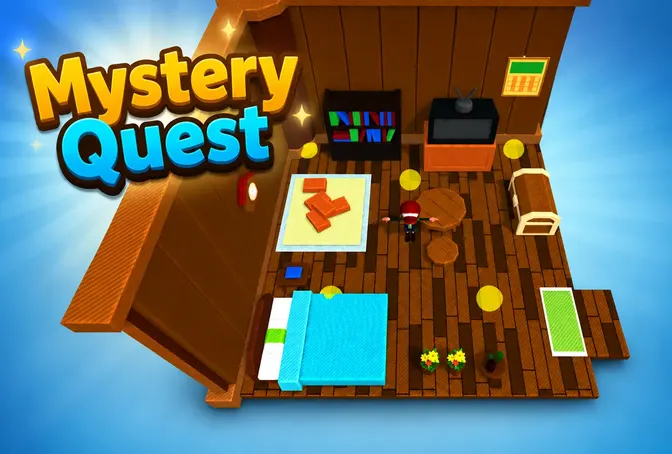 AdventureAdventure GamePlay the example ↗
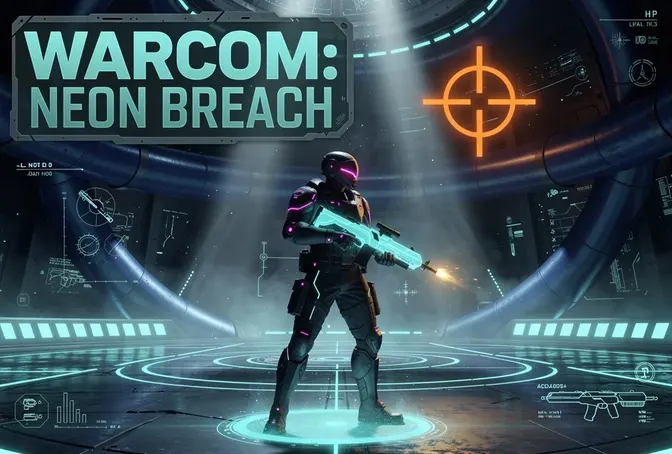 ShooterWarcom: Neon BreachPlay the example ↗
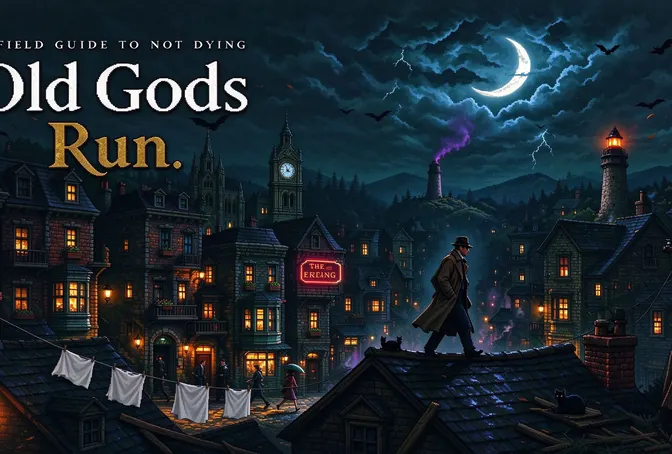 ActionOld Gods RunPlay the example ↗
 CasualCaution! Egg on the Car RoofPlay the example ↗
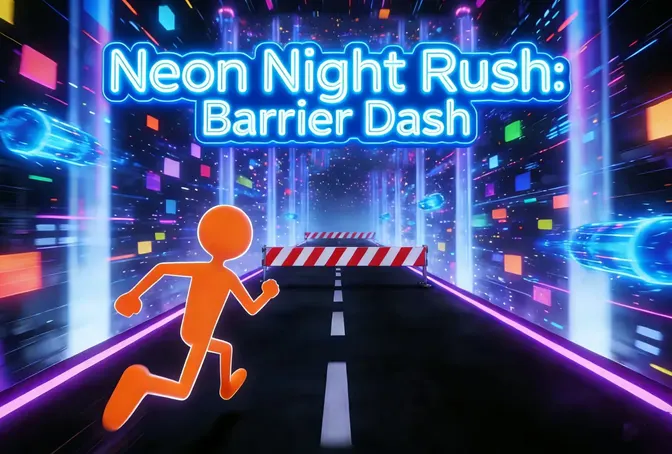 RunnerNeon Night Rush: Barrier DashPlay the example ↗
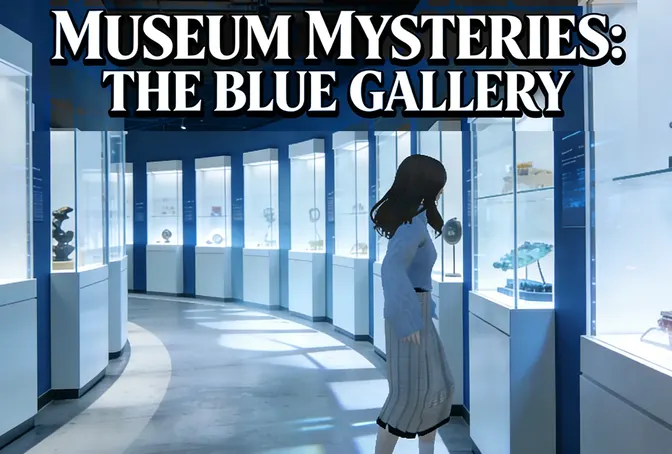 PuzzleMuseum ExhibitionPlay the example ↗
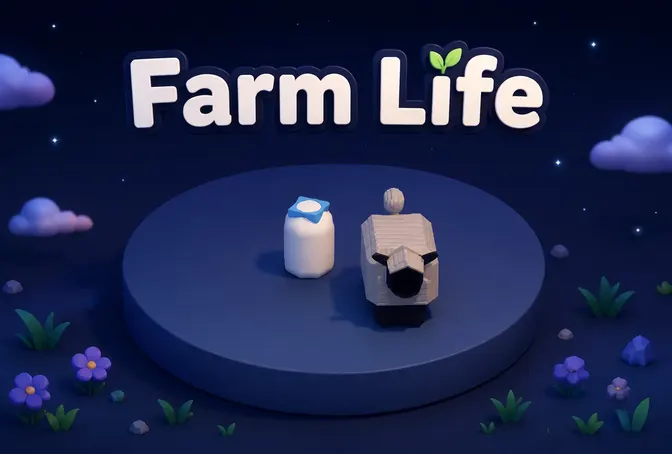 SimulationMilky Way Idle 3DPlay the example ↗
 CasualSnowfall & Starry GiftsPlay the example ↗
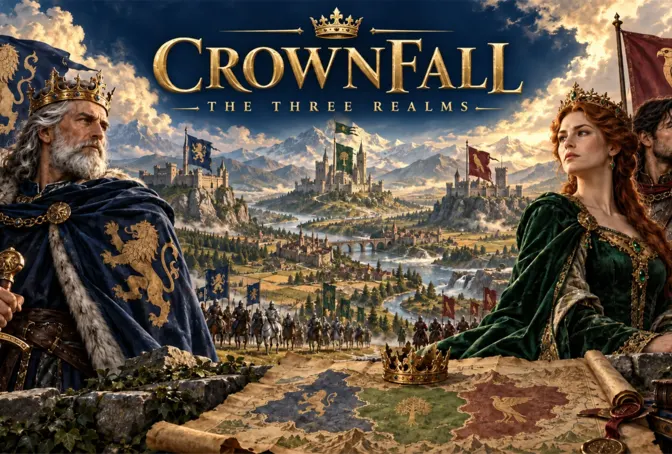 RPGCrownfall-The-Three-Realms-CoverPlay the example ↗
 SimulationFLYING CARPlay the example ↗
Who it’s for
Set the character, relationship, and intended story tone for the Choose Your Own Political Story scenario. Treat the first result as a draft to review.
AI Branching Story Game Generator ↗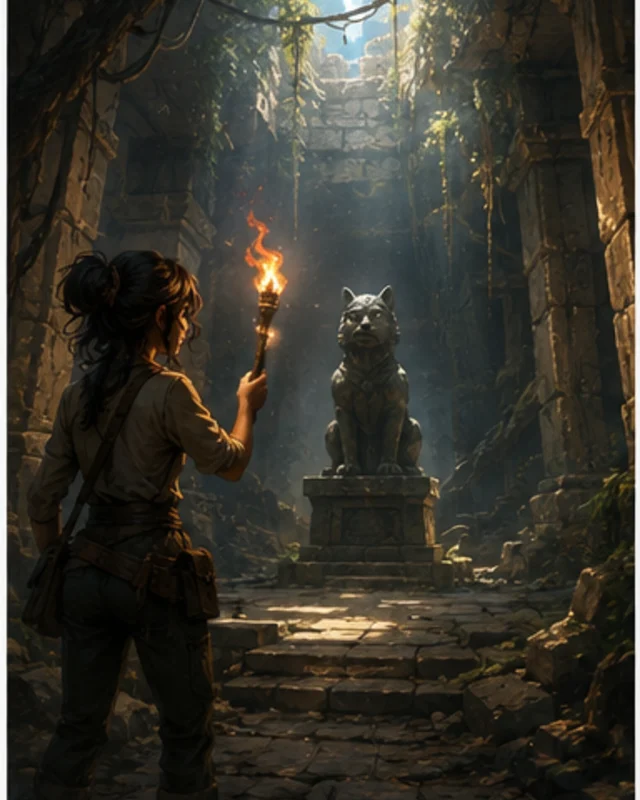
Choose the next story decision and character motivation; check the result for continuity and audience suitability.
AI Interactive Game Generator for Story Games ↗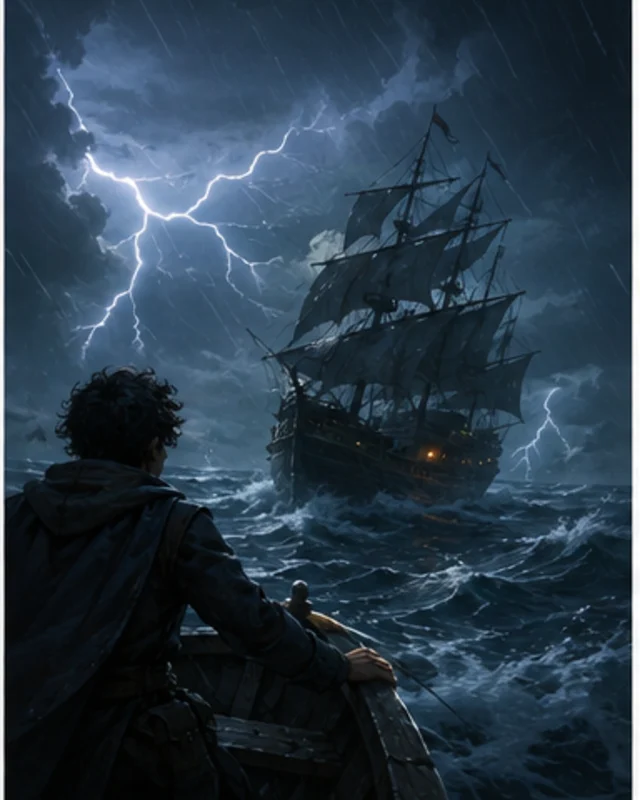
Keep the scenario focused on original characters and a clear scene goal, then review the generated material before sharing.
AI Choose Your Own Adventure Game Generator ↗Reviews
FAQ
It is fictional branching civic narrative where player choices affect public trust, resources, and endings.
Yes, as long as characters, settings, and outcomes are fictional and nonpartisan.
Yes. Add reflection questions and official-source reminders for real voting facts.
Before a first Choose Your Own Political Story project, define the task, intended audience, one visible outcome, and a constraint. Use Opening scene as a direction that fits the brief.
To get started with Choose Your Own Political Story, use Build the civic premise as the first step. Set one goal, audience, and constraint; test a small version, then change one thing at a time.
For Choose Your Own Political Story, name the intended user, one action, and a visible outcome. Use Opening scene as a starting direction and add one requirement from its example prompt.
Ask someone who matches the intended player or viewer for Choose Your Own Political Story to test its main action. Note where the brief is unclear, then revise once before adding features.
For Choose Your Own Political Story, try Opening scene first. Define the action, outcome, and one constraint, then compare another direction only if the first misses the brief.
Check the Choose Your Own Political Story result against the brief, intended behavior, and first workflow step. Record one mismatch and test that change before expanding scope.
Scope a first Choose Your Own Political Story prototype to Opening scene, one user action, and one visible outcome. Defer secondary features until that path works.
Compare Opening scene and Meaningful choice for Choose Your Own Political Story using the same user action and visible outcome. Choose the direction that fits the brief with fewer assumptions.
After reviewing Choose Your Own Political Story, record one gap between the brief and result. Make one focused change, then test the same action against the original outcome.
Match a linked tool's input and output to one need in the Choose Your Own Political Story brief. If it does not support that step, skip it and keep the test in the main project.