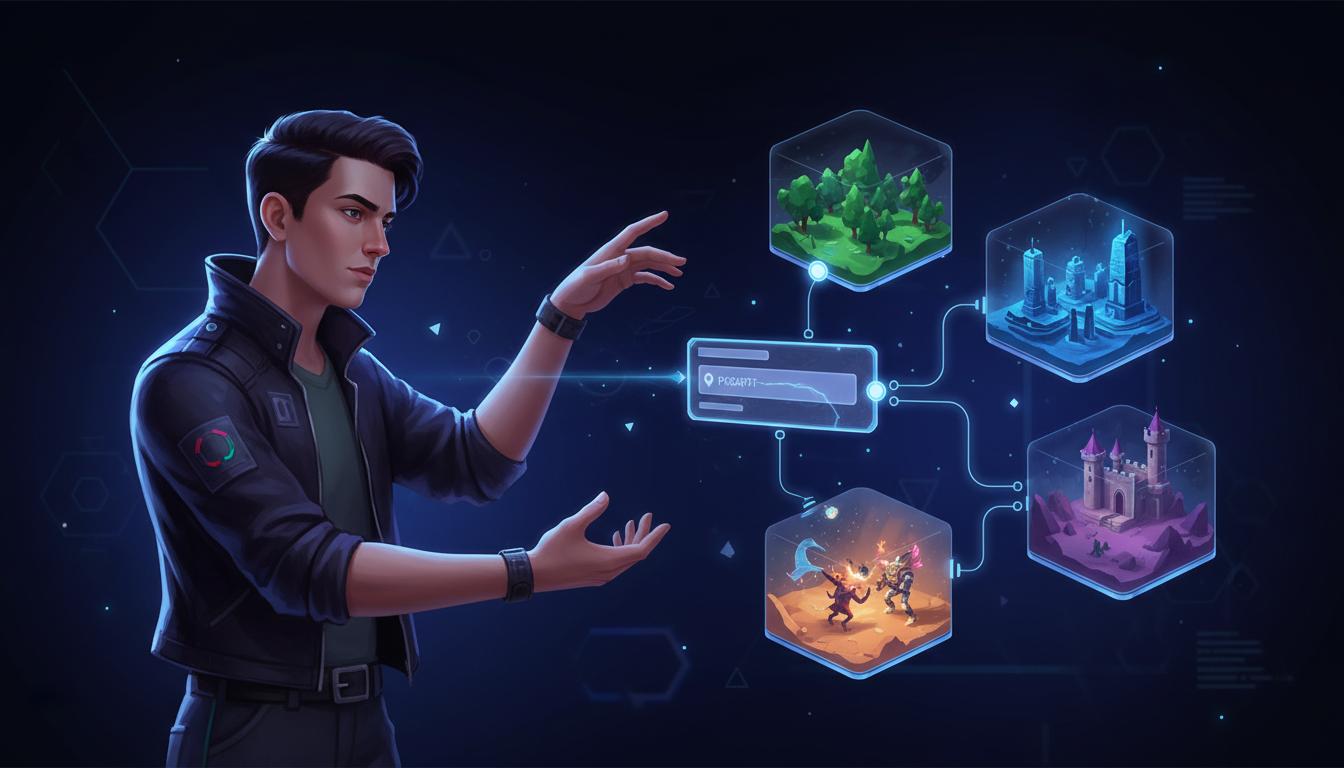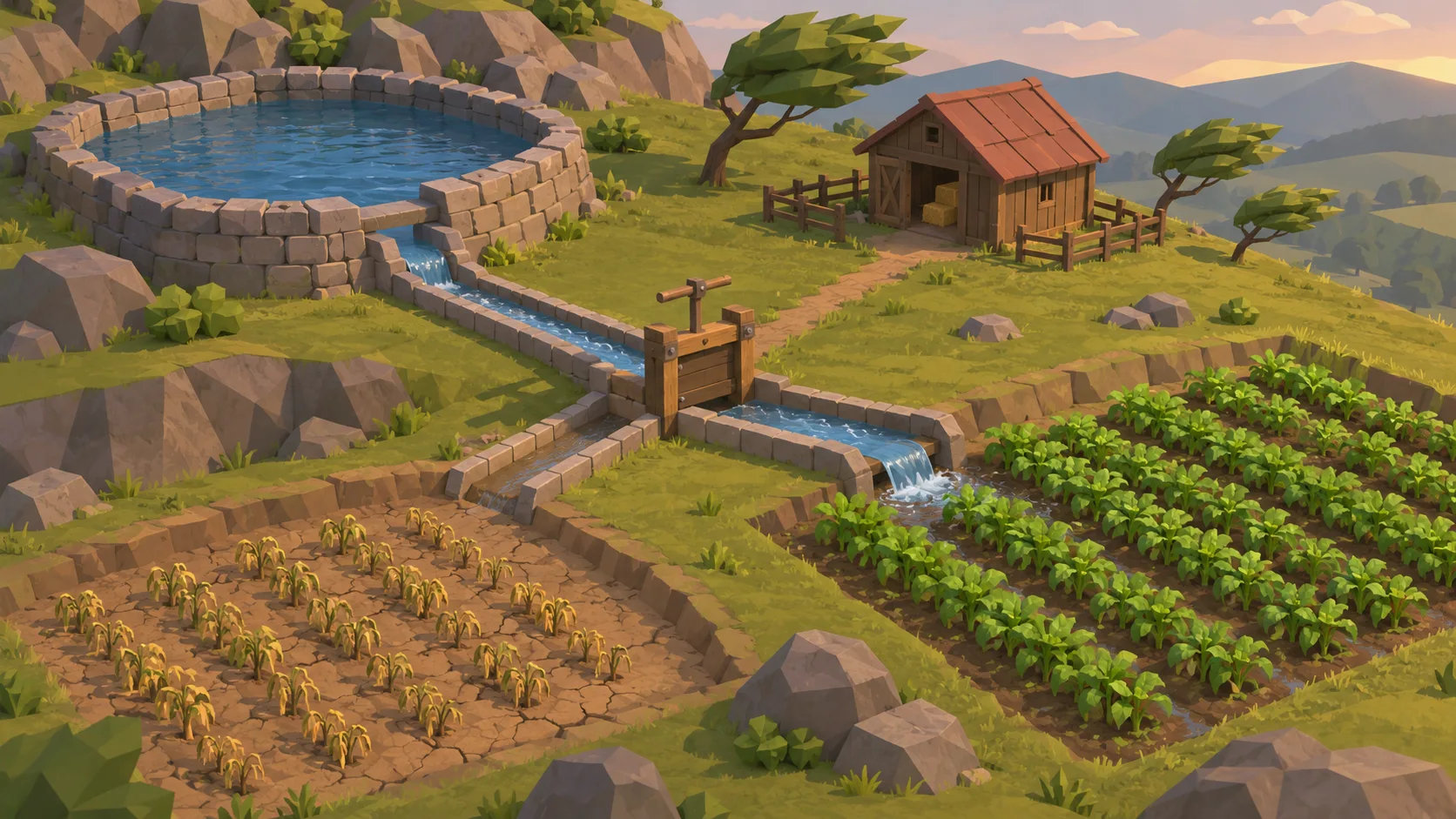


Make patrols observable
Show where guards look and how their route repeats.

Give the player a route, a visible patrol rule, and a choice between risk and time. Create a stealth game slice with observable guard behavior, useful cover, and more than one way to reach the objective.
Partners and teams

















How it works
Build your own single-player racing game. Design a coastal track, add nitro boosts and checkpoints, then race against the clock.
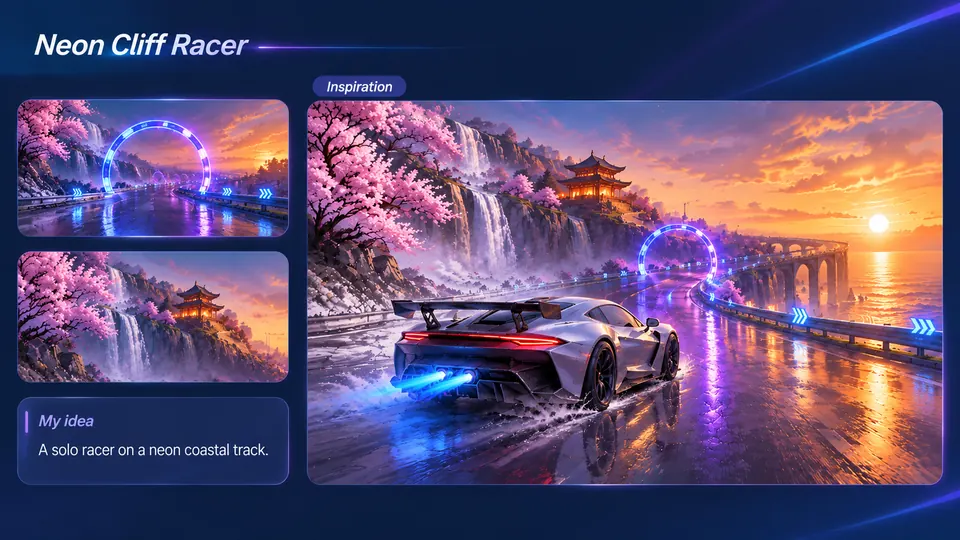
Imagine a silver sports car racing past waterfalls, cherry blossoms, and neon gates.
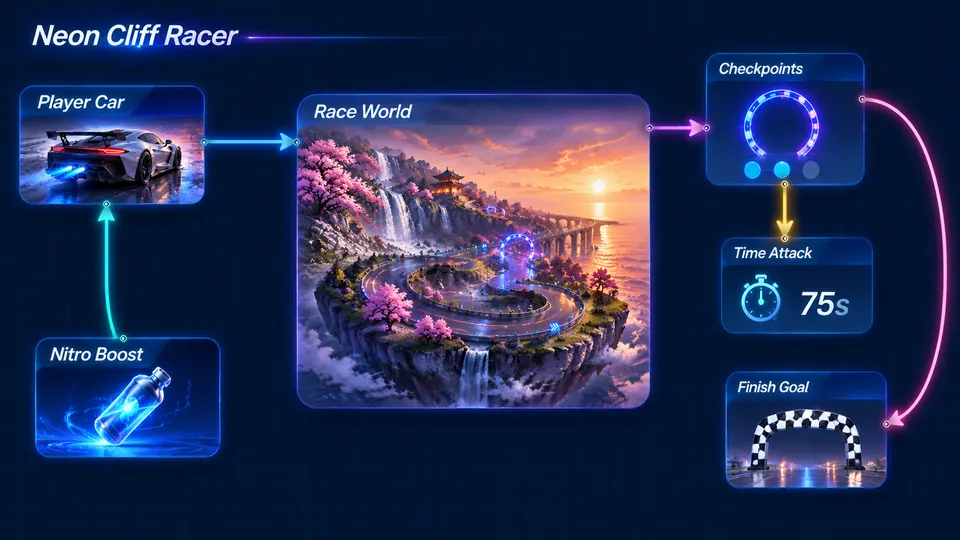
Connect your sports car, coastal track, checkpoints, nitro boost, and finish line.
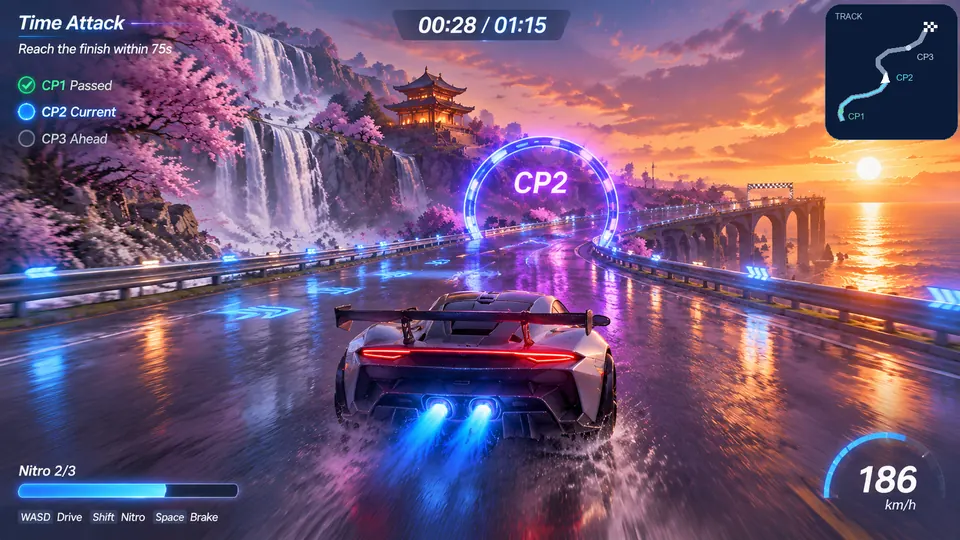
Drive through three neon gates, activate nitro, and finish within 75 seconds.
Make a game for freePick a starting point
Set a museum gallery after closing. Review whether the player action and resulting change are clear.
Set a museum gallery after closing. Mark the archive door, a looping guard path, and two display cases that can hide the player while crossing the room.
 Core route ↗
Why SEELE
Show where guards look and how their route repeats.

Let players trade time, noise, or distance to reach the goal.

Make hiding places visible before the player needs them.

Show a warning before detection becomes an unavoidable failure.

Provide a way to wait, distract, or leave the search area.

Check that a player can learn the stealth rules from the scene.
Made with SEELE
These games are playable. Pick one and give it a try.
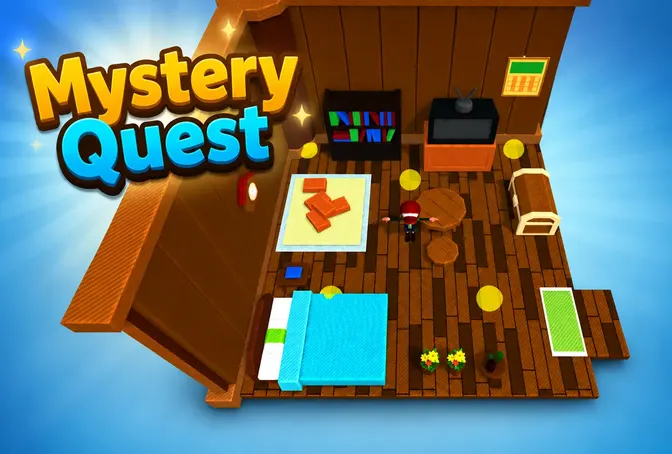 AdventureAdventure GamePlay the example ↗
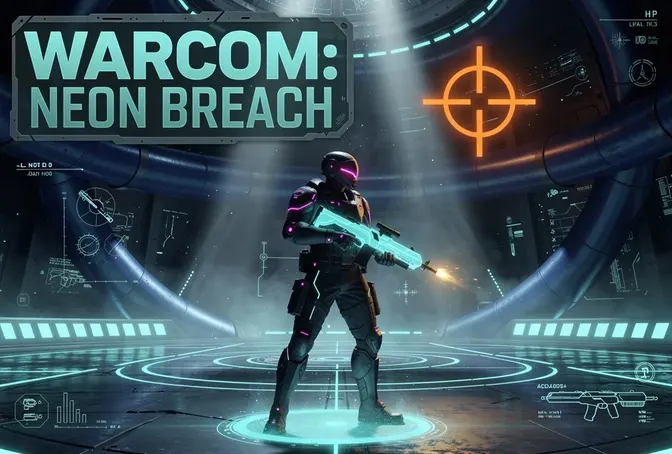 ShooterWarcom: Neon BreachPlay the example ↗
 ActionOld Gods RunPlay the example ↗
 CasualCaution! Egg on the Car RoofPlay the example ↗
 RunnerNeon Night Rush: Barrier DashPlay the example ↗
 PuzzleMuseum ExhibitionPlay the example ↗
 SimulationMilky Way Idle 3DPlay the example ↗
 CasualSnowfall & Starry GiftsPlay the example ↗
 RPGCrownfall-The-Three-Realms-CoverPlay the example ↗
 SimulationFLYING CARPlay the example ↗
Who it’s for
Define the player, one core mechanic, and one testable outcome for a first AI Stealth Game Maker brief. Keep the scope small enough to playtest.
AI Game Generator from Prompt ↗
Compare AI Stealth Game Maker directions against the target player and engine workflow before the team commits to a larger build.
UEFN IAP Delivery for Game Designers ↗Reviews
FAQ
For AI Stealth Game Maker, describe the intended interaction, visual direction, and one constraint. Review the result against that brief, then refine any mismatch before expanding the scope.
For Create AI Stealth Game Maker with AI, define the audience, one outcome, and a constraint. Use core game loop as the first focus, then review the result against the brief.
Set the expected Create AI Stealth Game Maker with AI output format and one acceptance check in the brief. The first pass should be reviewed against core game loop; confirm any required files or assets in the current workflow.
Set the museum gallery after closing and mark the archive door, guard loop, and two display cases. Give the player one route through the room before adding other patrols.
For AI Stealth Game Maker, name the intended user, one action, and a visible outcome. Use Core game loop as a starting direction and add one requirement from its example prompt.
Ask a player to cross the gallery unseen and explain when the guard notices them. In the footstep test, check that the tile-to-carpet boundary is clear before they risk crossing it.
Choose Core route to test the guard loop and hiding places. Choose Player challenge to test whether footsteps on tile attract attention while carpet allows quieter movement.
Check that the archive door is visible, the guard follows a readable loop, and the display cases provide cover. Make the surface boundary clear enough to predict when a footstep will be heard.
Scope a first AI Stealth Game Maker prototype to Core game loop, one user action, and one visible outcome. Defer secondary features until that path works.
Choose Core route to test the guard loop and hiding places. Choose Player challenge to test whether footsteps on tile attract attention while carpet allows quieter movement.
If the guard spots players unfairly, reveal the patrol turn or hearing boundary before adjusting detection range. Retest the same crossing from the entrance.
Match a linked tool's input and output to one need in the AI Stealth Game Maker brief. If it does not support that step, skip it and keep the test in the main project.
Review the linked guides most relevant to AI Stealth Game Maker. Choose one based on your question and check its scope before applying the steps.