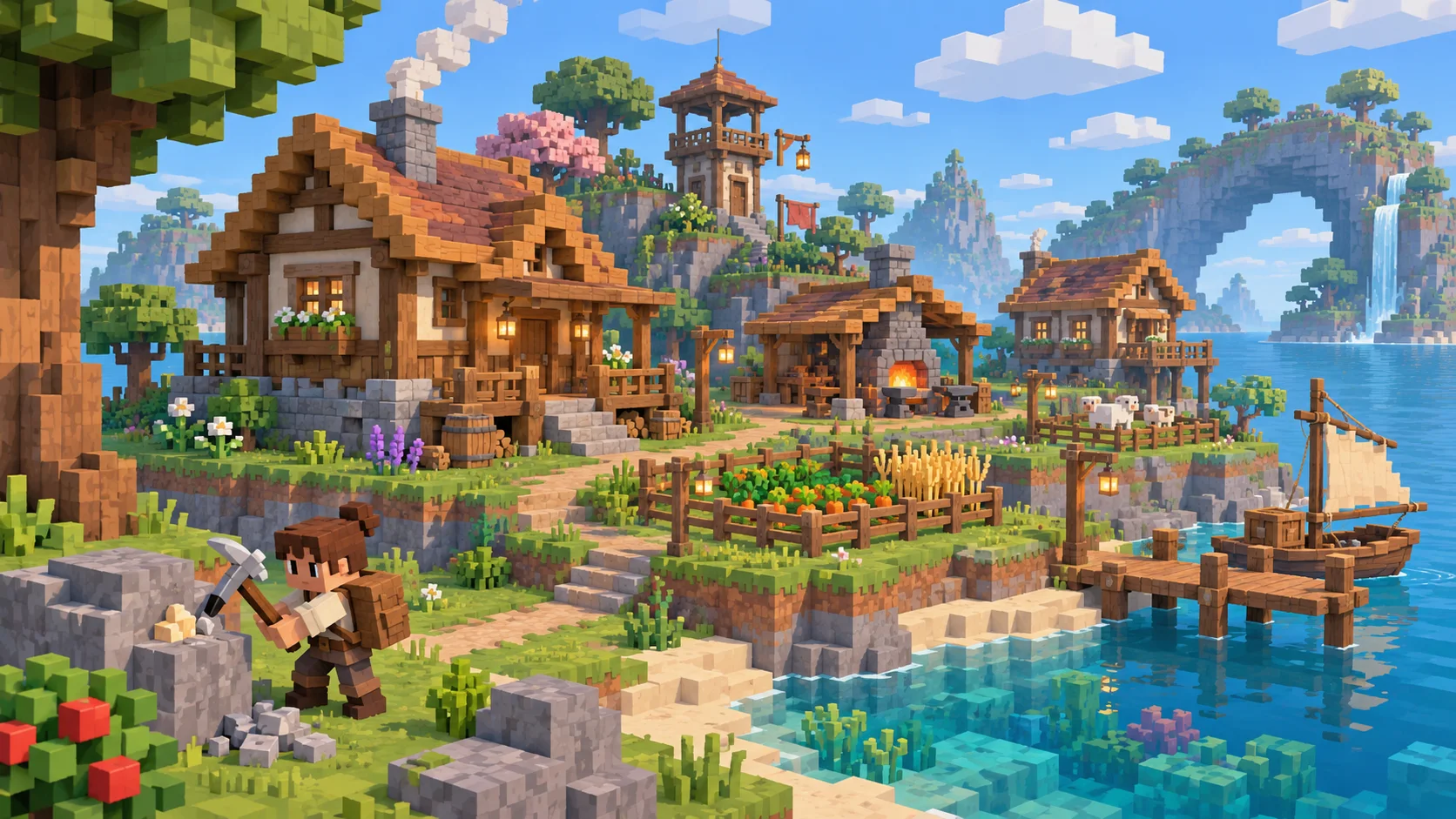


Use original world assets
Create distinct textures, names, and characters.

Design an original block-based game with a build goal and a readable resource loop. Plan a voxel sandbox inspired by block-building play. Use original names, textures, and characters, and define what players gather, build, and protect in the first session.
Partners and teams

















How it works
Start with a quest idea, build it in SEELE, and play it through from start to finish.
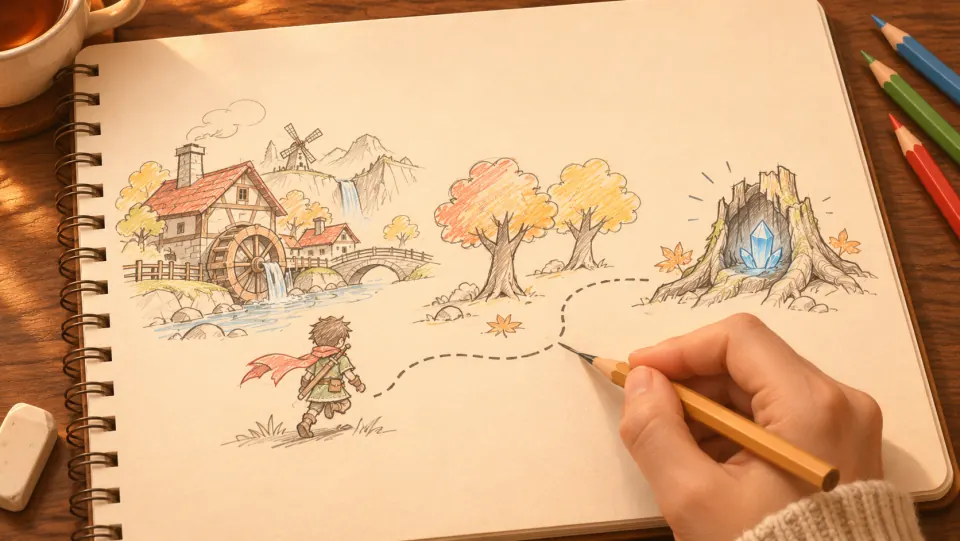
A miller asks for help. The player heads into the forest, finds a crystal, and brings it back for a reward.
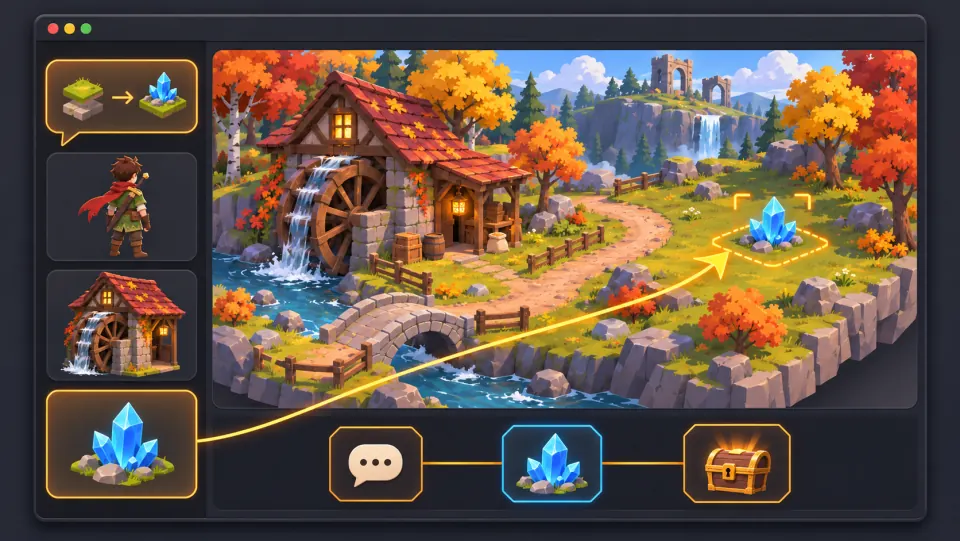
Ask seeleAgent to create the village and forest, add the miller and the crystal, and set up the dialogue, pickup, and reward.
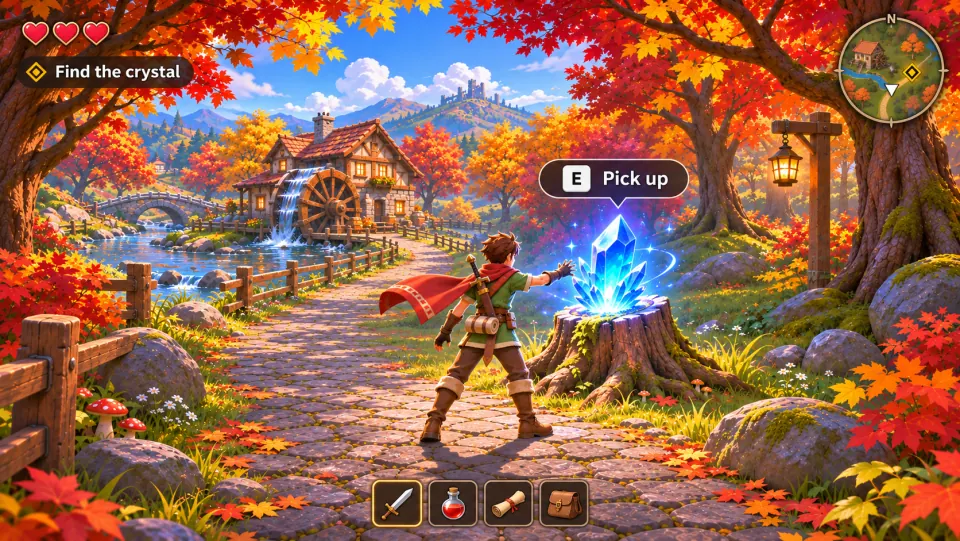
Take the quest, press E to pick up the crystal, and bring it back to the miller to claim your reward.
Make a game for freePick a starting point
Gathering feeds a visible build goal.
Create a block-based valley where players gather clay and reeds to build a raised garden before nightfall. Show the recipe and the garden footprint at the start.
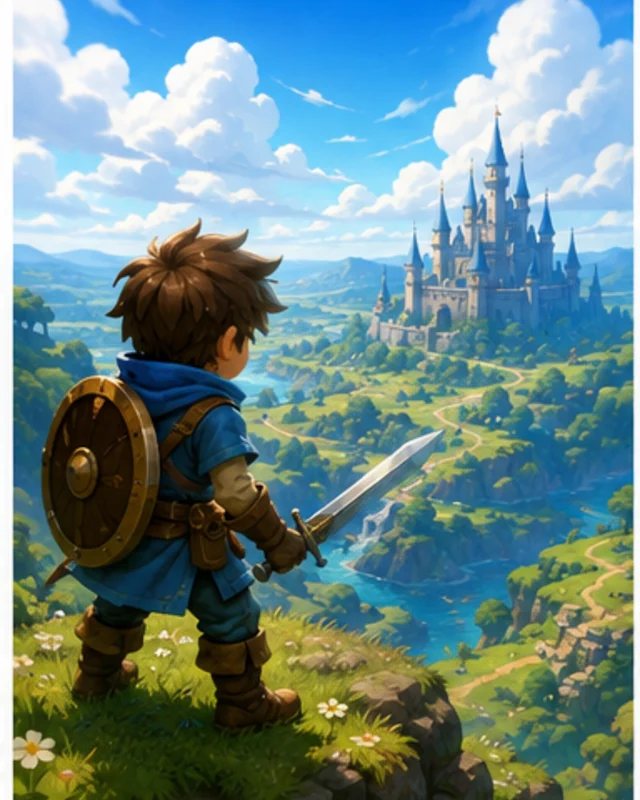 Core game loop ↗
Why SEELE
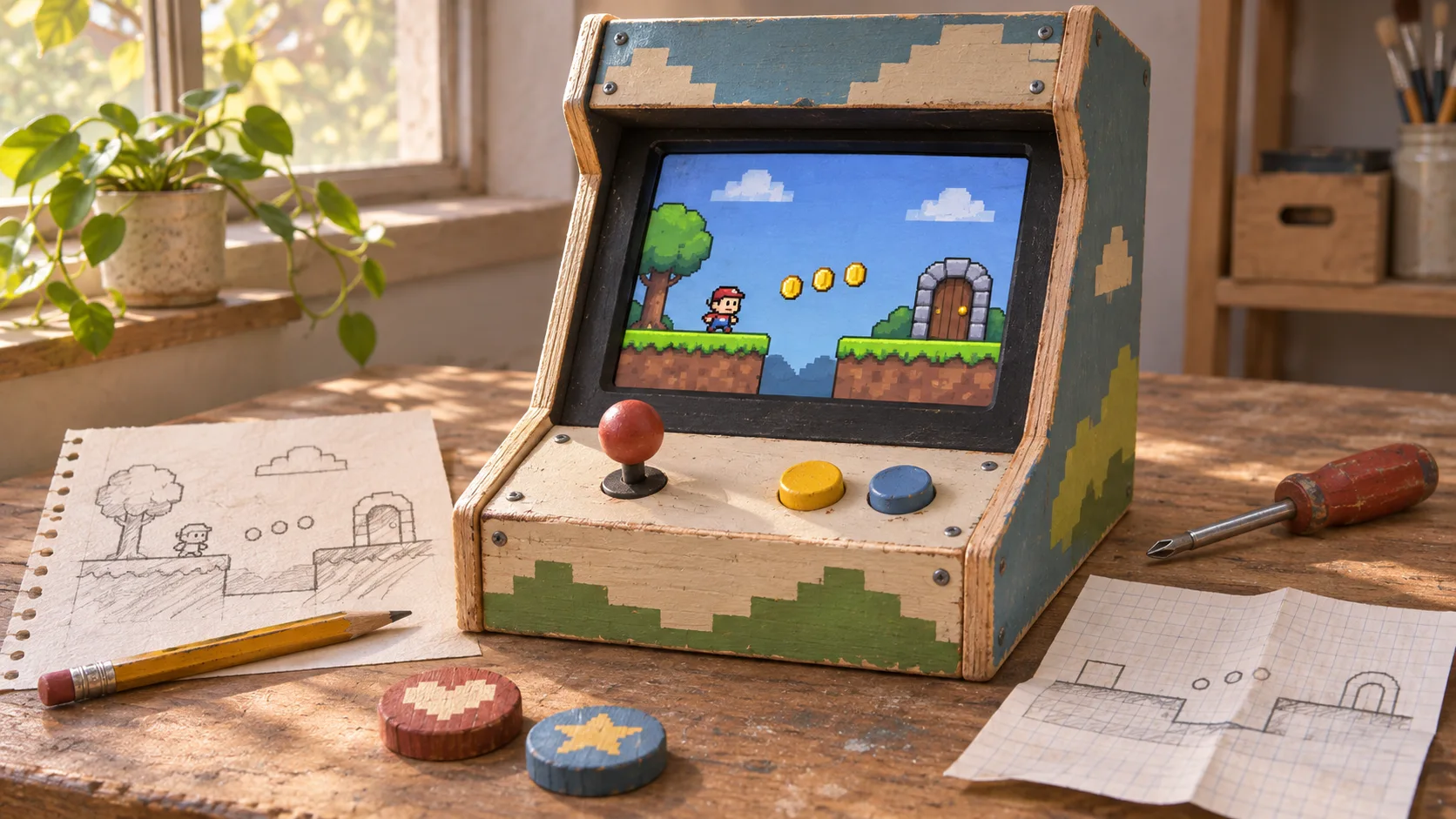
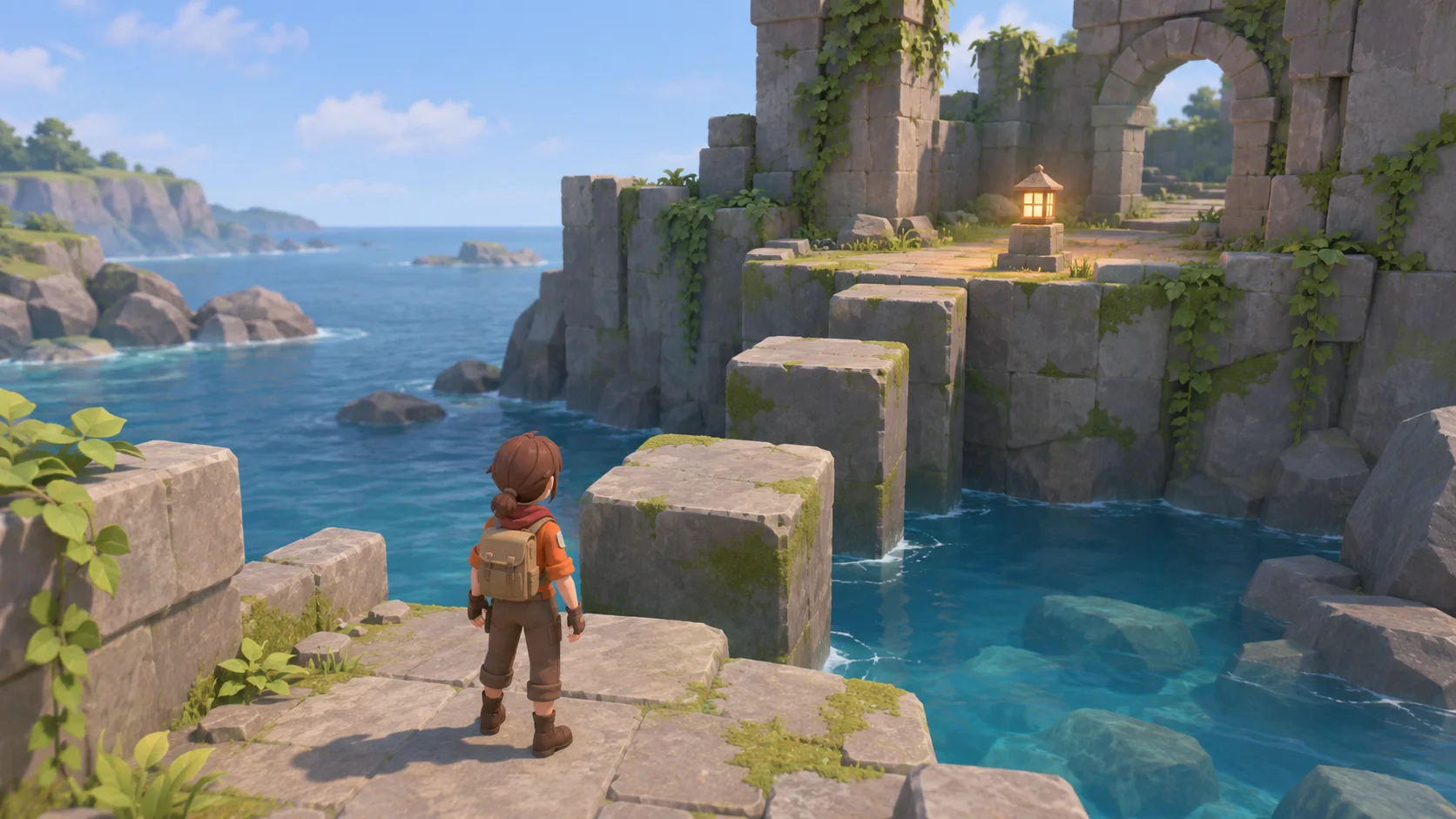
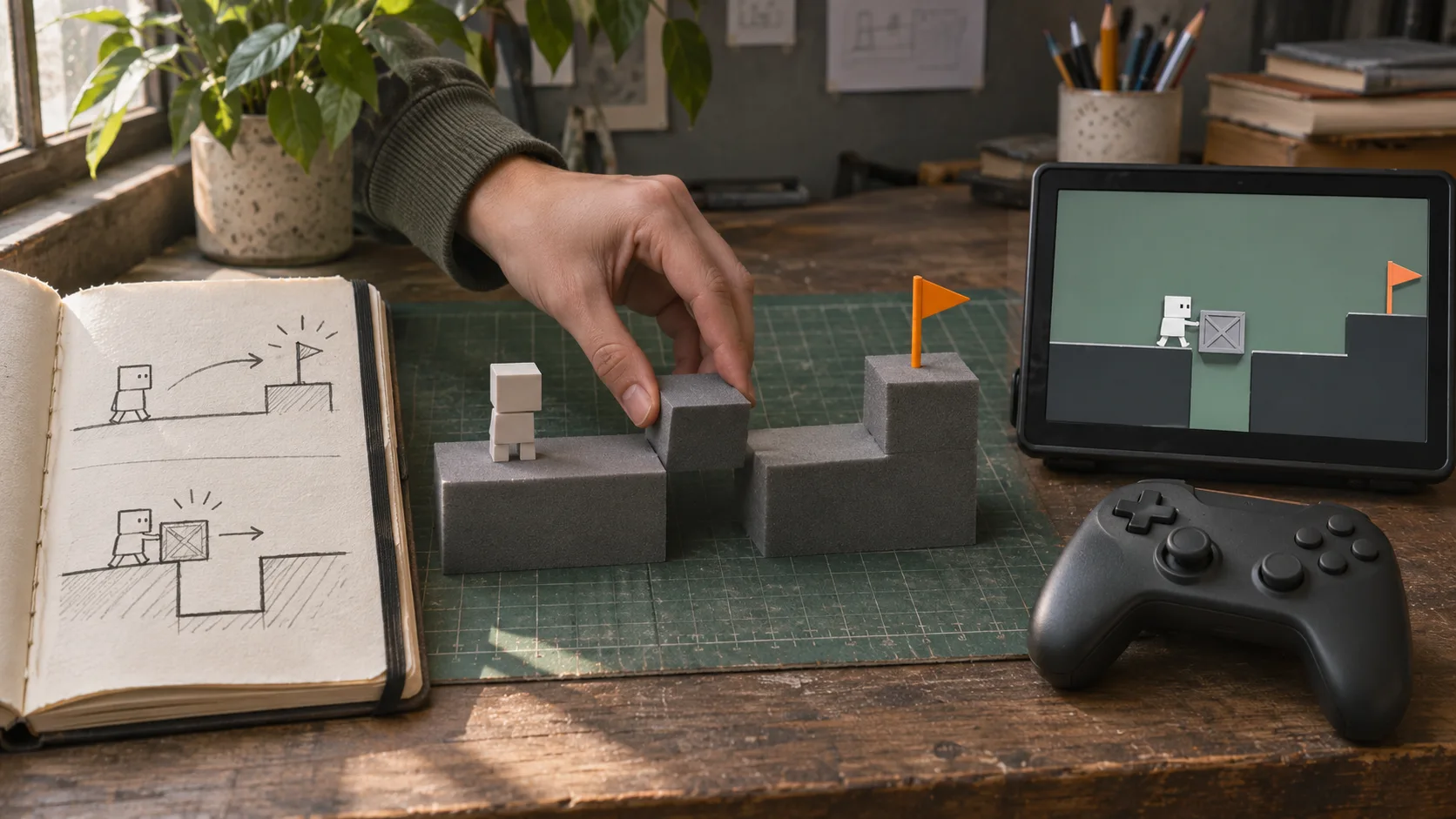
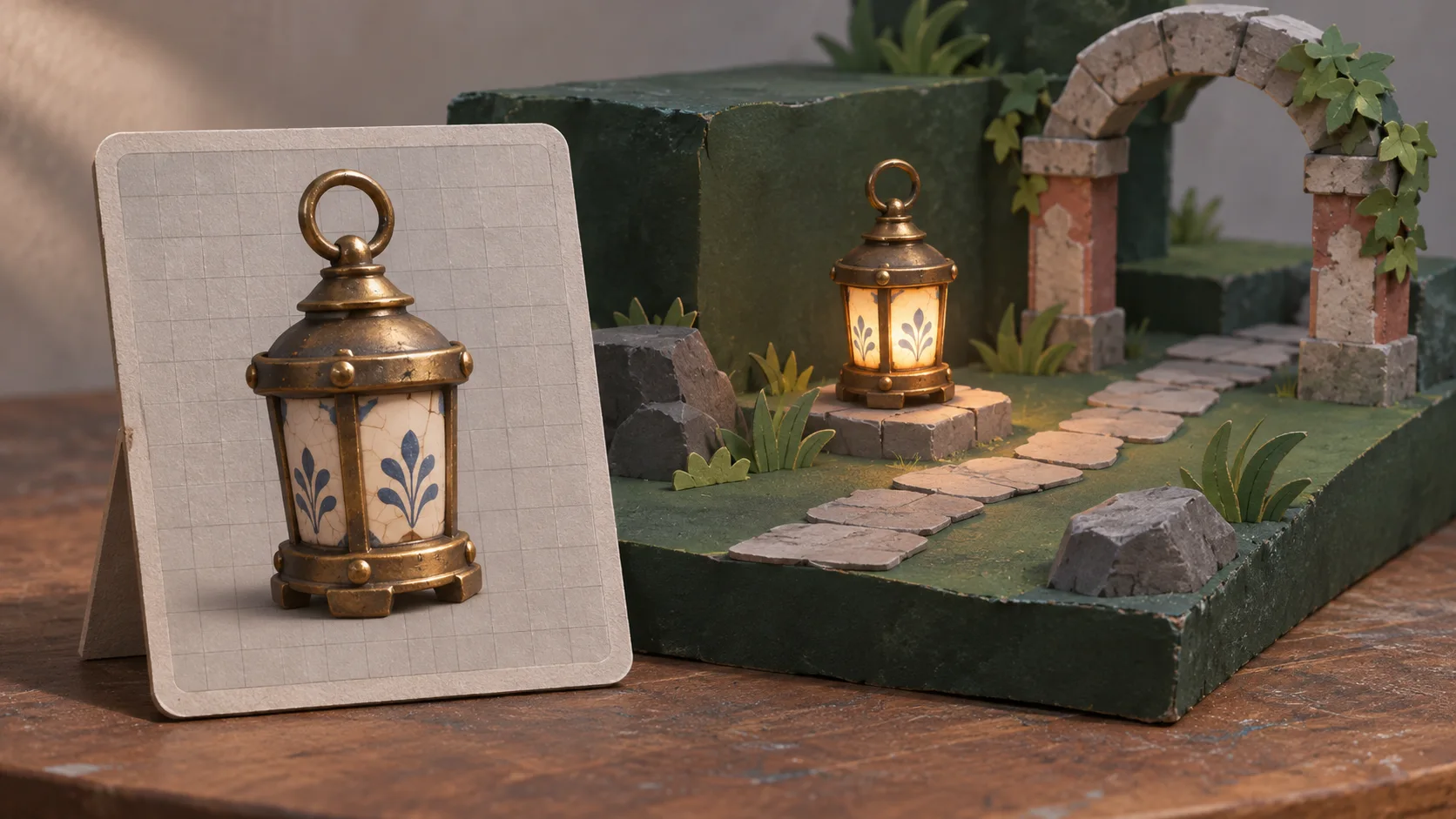
Create distinct textures, names, and characters.

Show what players gather and what it builds.

Give players one structure to finish.

Show grid, selection, and inventory feedback.

Introduce time or hazards after players learn building.

Review any reference material before publishing.
Made with SEELE
These games are playable. Pick one and give it a try.
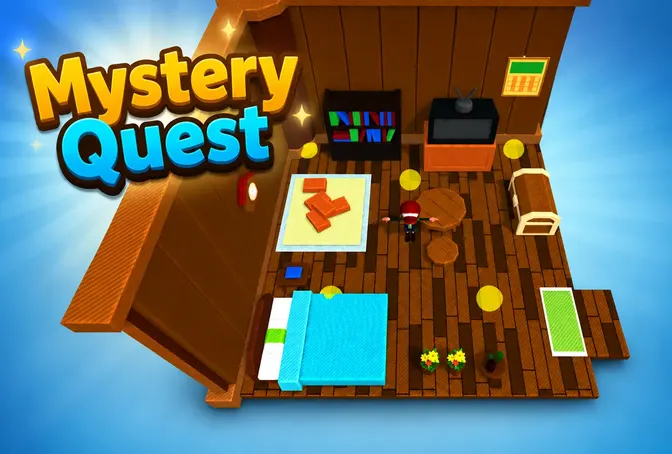 AdventureAdventure GamePlay the example ↗
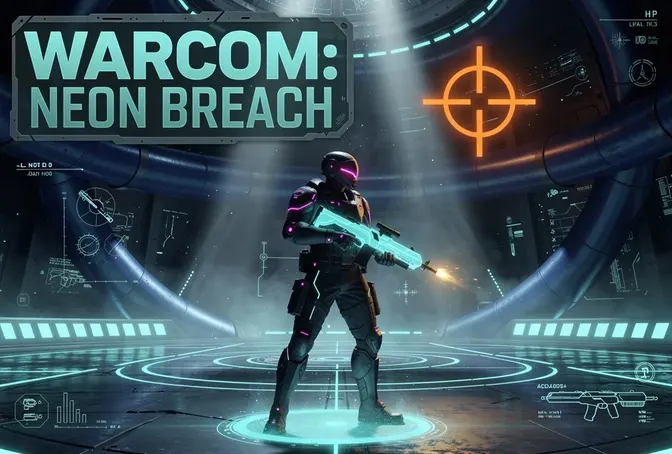 ShooterWarcom: Neon BreachPlay the example ↗
 ActionOld Gods RunPlay the example ↗
 CasualCaution! Egg on the Car RoofPlay the example ↗
 RunnerNeon Night Rush: Barrier DashPlay the example ↗
 PuzzleMuseum ExhibitionPlay the example ↗
 SimulationMilky Way Idle 3DPlay the example ↗
 CasualSnowfall & Starry GiftsPlay the example ↗
 RPGCrownfall-The-Three-Realms-CoverPlay the example ↗
 SimulationFLYING CARPlay the example ↗
Who it’s for
Test gathering, crafting, and placement with one visible build goal.
AI Game Maker 3D ↗
Check grid behavior before creating more terrain or recipes.
Game Generator AI Free ↗
Use the water source and flood to make build location matter.
3D AI Game Maker ↗Reviews
FAQ
You can use the prompt to plan a block-building prototype. Start with the raised garden, then check placement, resource counts, and the flood choice in the playable result.
You can describe the materials, grid, and build goal in plain language. Review the generated logic and test placement rules before expanding the world.
Treat it as a draft. Check controls, placement, performance, accessibility, and rights for names, textures, and characters before release.
Define the build target, materials, grid behavior, and one environmental choice. The raised garden gives the valley scenario a visible first outcome.
Plan an original block-building challenge around gathering clay and reeds for a raised garden, then add the flood choice or lantern after testing the build.
Build the raised garden with clay and reeds. Show the recipe and footprint before placement, then check inventory and grid feedback.
A player should collect clay and reeds, see the garden footprint, and place the first block where intended. Keep the recipe visible while testing.
Let a player gather the materials and place the garden without hints. Watch whether the recipe and grid show why a placement succeeds or fails.
Make the raised garden the first goal. It tests gathering, recipe reading, and block placement before the valley adds hazards.
Check that the material count changes after gathering, the footprint lines up with the grid, and the garden appears only when the recipe is complete.
Use a valley, two materials, and one build target. Add the nighttime flood only after players can place the garden.
Keep the water source and recipe fixed. Compare building close to the source with placing the garden higher, where it may be safer from the flood.
Make the target footprint or grid feedback clearer, then repeat the same placement. Leave the recipe unchanged while checking the placement cue.
Confirm it supports block placement, inventory, and the target device. Test those actions in a playable build; a rendered block scene alone does not prove the rules work.