
Seele AI · Create
Terrain Generation
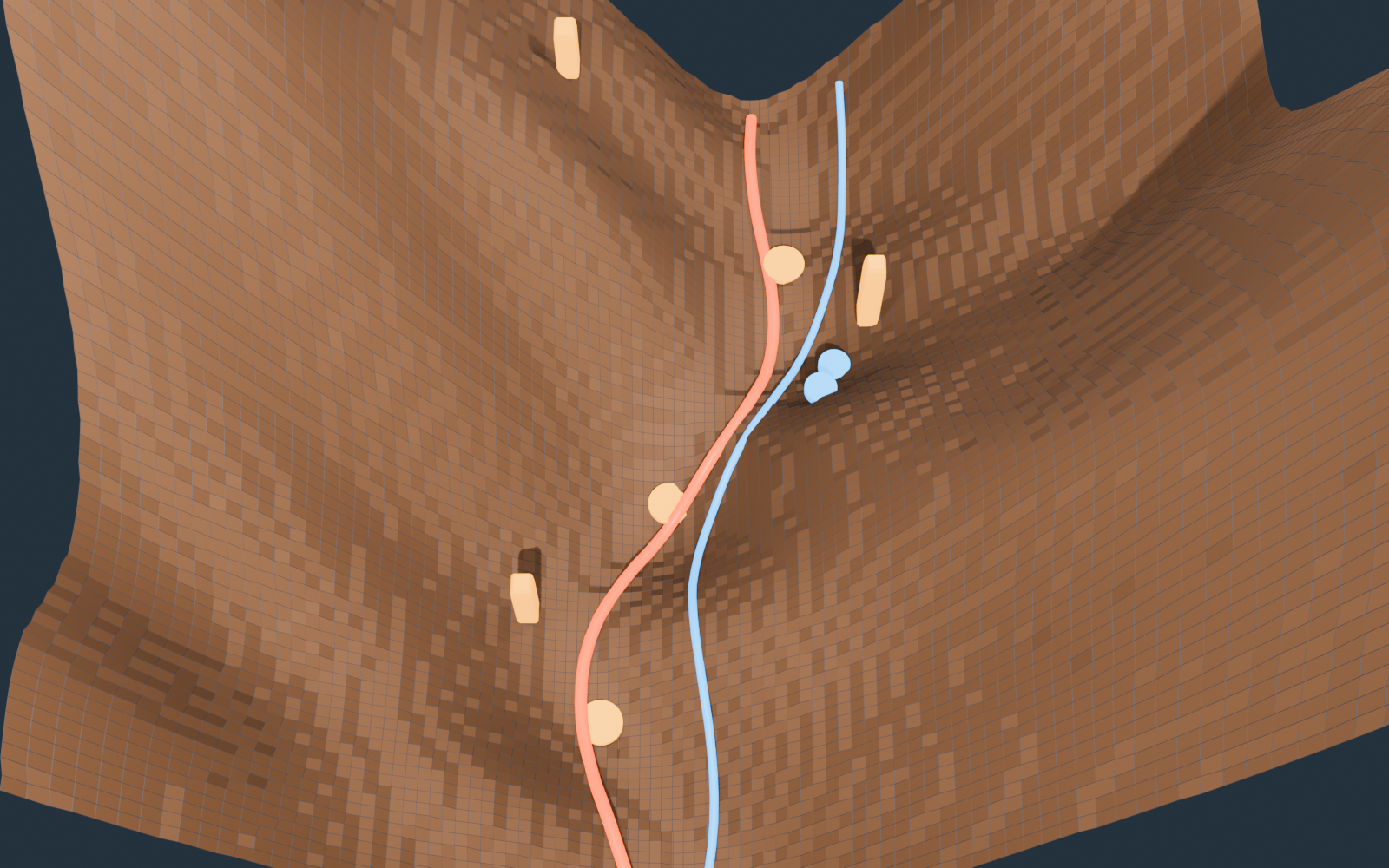
Generate playable terrain blockouts with routes and elevation.
Generate a playable terrain and level blockout with heightmap or mesh structure, scale, slopes, elevation bands, routes, encounters, navigation checks, and engine handoff notes.
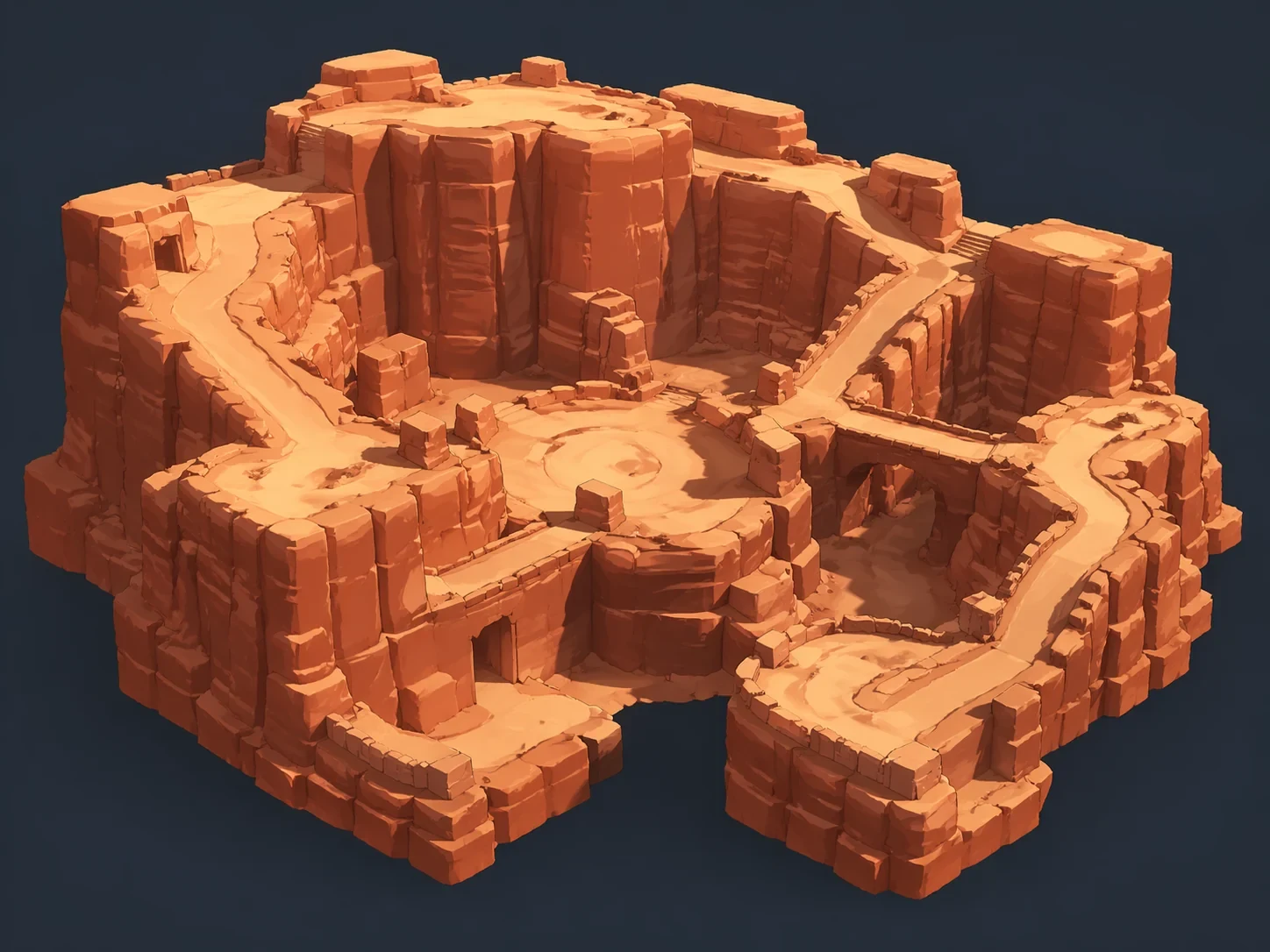
The working loop
From Traversal Metrics To A Tested Terrain Handoff
Define Scale, Slope, And Elevation
Provide map dimensions, player metrics, route width, slope limits, climb height, jump distance, camera needs, elevation bands, biome, and seed. Seele organizes the brief into an editable terrain and traversal specification.
Shape Routes And Encounter Pockets
Request main, alternate, and combat routes plus ledges, gaps, choke points, landmarks, sightlines, spawn zones, and checkpoints. The workspace develops a reviewable layout with traversal and encounter constraints kept visible.
Validate And Hand Off
Review walkability, collision, navmesh, materials, LOD, performance, engine import, and human playtest findings before iteration. Seele keeps the candidate, seed, revisions, and handoff notes together for controlled iteration.
What leaves the page
Terrain Artifacts For Level Design And Technical Review
Heightmap And Terrain Mesh Plan
World dimensions, height range, resolution, slope and elevation bands, scale, units, axes, and terrain geometry notes.
Traversal And Encounter Layout
Main, alternate, and combat routes with climbable ledges, jump gaps, choke points, landmarks, sightlines, encounter pockets, spawn zones, and checkpoints.
Technical Validation Handoff
Collision, navmesh, walkability, terrain materials, biomes, LOD, streaming, performance, seed, regeneration, export, and playtest checks.
Fit and limits
Best For And What Still Needs Review
Best for
- Exploring playable terrain and level blockouts before environment art
- Comparing route, elevation, encounter, and biome variants with reproducible seeds
- Preparing explicit engine-import and technical-validation notes
Still needs human review
- A level designer must playtest routes, pacing, landmarks, sightlines, encounters, spawn zones, and checkpoints
- A technical artist or developer must validate heightmaps, meshes, scale, materials, collision, navmesh, LOD, streaming, and performance
- Unity, Unreal, Godot, or Three.js import and runtime behavior must be tested in the actual project
Before you start
FAQ
What should a playable game terrain generator produce?
A useful first pass should define a level blockout rather than only a landscape image: a heightmap or terrain mesh, world scale, slope limits, elevation bands, main and alternate routes, encounter pockets, landmarks, and notes for collision, navmesh, materials, LOD, and engine handoff. It is still a design candidate that needs playtesting and technical validation.
How do I keep generated terrain playable?
Specify player dimensions, movement speeds, jump distance, climb height, maximum walkable slope, minimum route width, camera needs, and encounter goals. Then validate collision, navmesh coverage, walkability, sightlines, choke points, jump gaps, ledges, and checkpoints in the target engine with a human playtest.
Can the workflow create heightmaps and terrain meshes?
Use the prompt to request both representations when useful: a grayscale heightmap for terrain systems and a mesh or blockout specification for route and silhouette review. Confirm resolution, world dimensions, elevation range, scale, axes, units, and import settings before relying on either artifact.
How should routes and encounters be planned?
Name a readable main route, at least one alternate or combat flank, climbable ledges, intentional jump gaps, choke points, encounter pockets, spawn zones, and checkpoints. Check that landmarks and sightlines help players predict direction while keeping combat spaces large enough for the intended enemies and movement model.
Can I hand terrain off to Unity, Unreal, Godot, or Three.js?
The plan can be adapted for Unity Terrain or meshes, Unreal Landscape, Godot HeightMapShape3D or imported meshes, and Three.js geometry. Verify units, orientation, height range, material layers, collision, navmesh generation, LOD, streaming, file formats, and runtime performance inside the chosen stack.
How do seeds and regeneration help iteration?
Record the seed and generation settings so a promising layout can be reproduced. Change one variable at a time—route width, slope, elevation band, encounter spacing, biome, or landmark placement—then compare versions through playtests instead of regenerating blindly.
Is the canyon blockout image a SEELE result or playable level?
No. It is an original illustrative Blender-generated 3D terrain blockout created for this page. It is a real raster render of heightfield geometry, routes, and blockout markers, but it is not a SEELE interface, not a verified SEELE output, and not a playable or engine-integrated level.
Next move
Build Terrain Generation faster in Seele AI
Turn a rough creation goal into a clearer prompt, direction, and next step inside Seele AI.