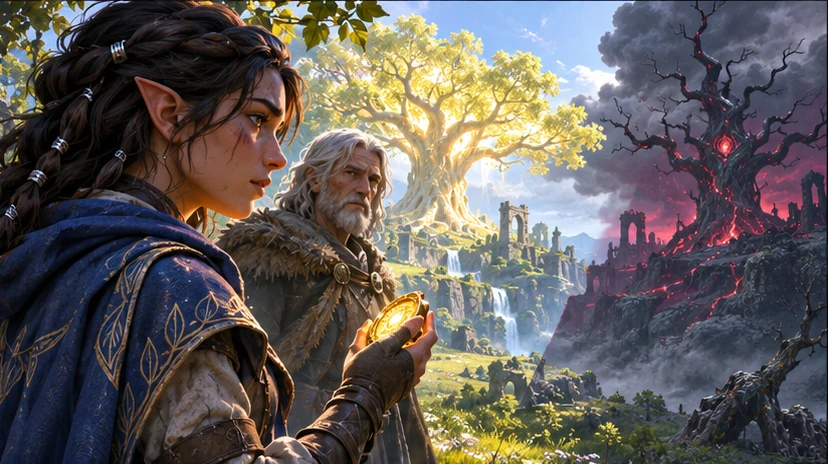

Build a focused first pass
Use your game context to prepare a story scene with a character goal, player agency, and a visible consequence.

Turn one player choice into a consequence worth seeing. Ask seeleAgent for a story scene with a character goal, player agency, and a visible consequence. Describe what you are making and how the player will use it.
Partners and teams

















How it works
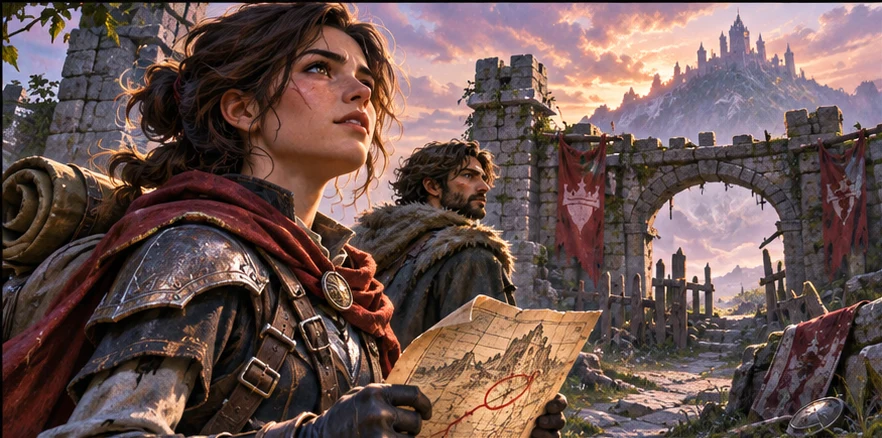
Describe the genre, camera or screen size, and what the player should notice or do. Start with a story scene with a character goal, player agency, and a visible consequence.
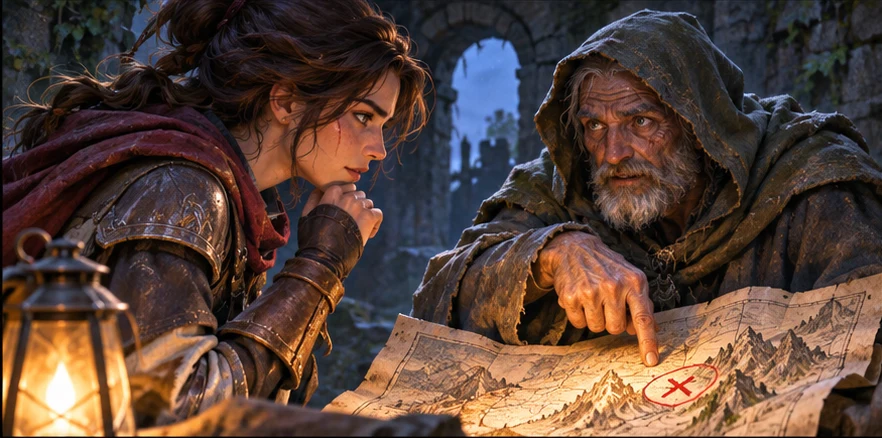
Ask for two versions around the same scene or player action. Vary one choice at a time so you can compare the result.
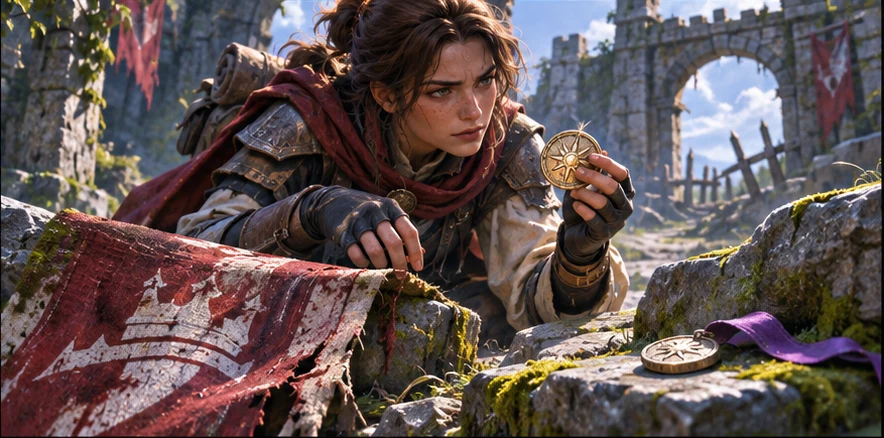
Use a small scene or sample to check your choice. The consequence follows from the player choice. Keep the decisions you want to carry into your next pass.
Pick a starting point
Use a starting prompt from this tool and adapt it to your own game.
Generate a ai game lore generator brief for a fantasy adventure game with style, constraints, and next-step prompts.
Why SEELE
Use your game context to prepare a story scene with a character goal, player agency, and a visible consequence.

Keep the same game scene and compare two approaches before deciding what to make.

Set one acceptance check for the next pass. The consequence follows from the player choice.
FAQ
AI Game Lore Generator Tool is an AI-assisted workflow for turning a rough game creation need into a structured brief, prompt variants, and a workspace handoff for Seele AI.
Name the genre or asset, the player goal, the visual style, and any production constraints. The page examples can be launched into the workspace as a starting point.
The first output should include a concept brief, prompt starter, scoped deliverables, and review notes so a creator can iterate instead of shipping blindly.
Review gameplay feel, originality, brand fit, art rights, accessibility, performance, and final publishing requirements before production release.
Describe the game, the moment the player sees or uses the result, and the constraint that matters most. Ask for a story scene with a character goal, player agency, and a visible consequence.
Try it in a small scene or review it from the player camera. For the first example, check that the consequence follows from the player choice.
Yes. Pick one small scene or interaction and describe what the player should see or do. You can revise the prompt as the idea becomes clearer.
Bring a game idea to Workspace and work through a story scene with a character goal, player agency, and a visible consequence.
Write a game prompt