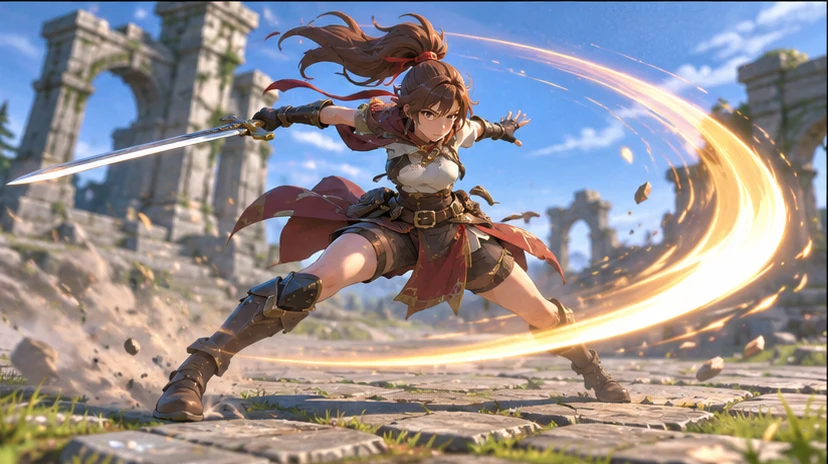

Build a focused first pass
Use your game context to prepare a game attack animation plan with a clear windup, impact pose, and recovery.

Make the movement clear from the camera players actually use. Ask seeleAgent for a game attack animation plan with a clear windup, impact pose, and recovery. Describe what you are making and how the player will use it.
Partners and teams

















How it works
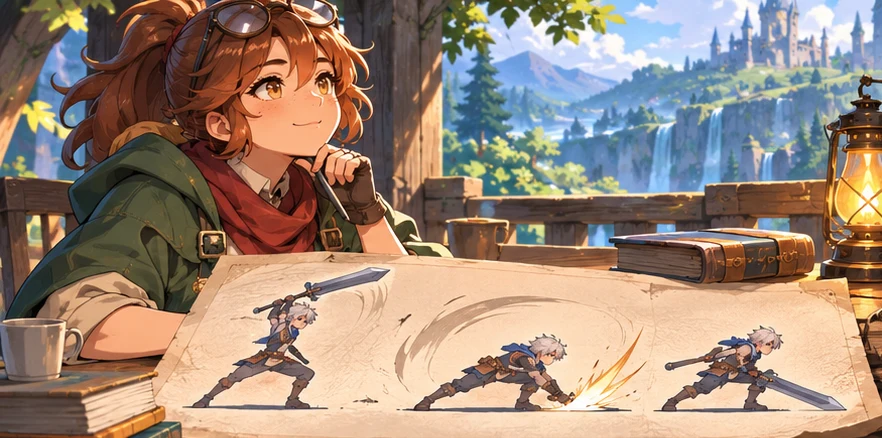
Describe the genre, camera or screen size, and what the player should notice or do. Start with a game attack animation plan with a clear windup, impact pose, and recovery.
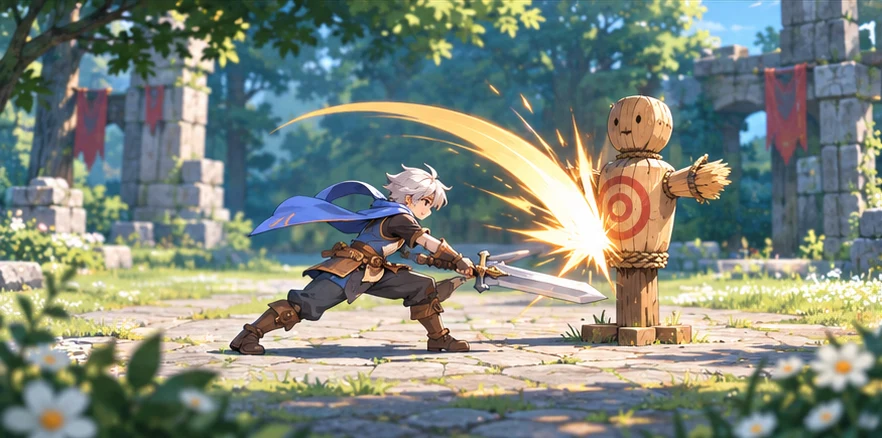
Ask for two versions around the same scene or player action. Vary one choice at a time so you can compare the result.
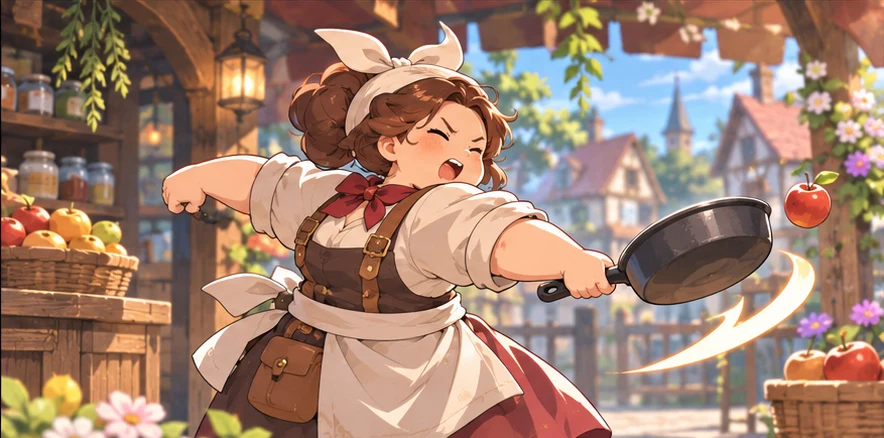
Use a small scene or sample to check your choice. The silhouette reads at gameplay size. Keep the decisions you want to carry into your next pass.
Pick a starting point
Use a starting prompt from this tool and adapt it to your own game.
Create a first-pass animation brief for attack animation generator in a game project, including user goal, production constraints, and the most useful next step.
Why SEELE
Use your game context to prepare a game attack animation plan with a clear windup, impact pose, and recovery.

Keep the same game scene and compare two approaches before deciding what to make.

Set one acceptance check for the next pass. The silhouette reads at gameplay size.
FAQ
Awesome Attack Animation Generator is a workflow for turning a rough request into a clearer animation brief that a team can review, compare, and continue inside Seele AI.
It is most useful for teams that need a faster first pass before deeper production work, especially when scope, direction, or output quality still needs discussion.
No. It is strongest for early-stage animation planning and motion ideation, while timing polish, blending, rig compatibility, and final export quality still need human review before anything is treated as final.
You get a stronger first-pass animation brief, clearer comparison between directions, and a cleaner handoff into Workspace for the next round of iteration.
Describe the game, the moment the player sees or uses the result, and the constraint that matters most. Ask for a game attack animation plan with a clear windup, impact pose, and recovery.
Try it in a small scene or review it from the player camera. For the first example, check that the silhouette reads at gameplay size.
Yes. Pick one small scene or interaction and describe what the player should see or do. You can revise the prompt as the idea becomes clearer.
Bring a game idea to Workspace and work through a game attack animation plan with a clear windup, impact pose, and recovery.
Write a game prompt