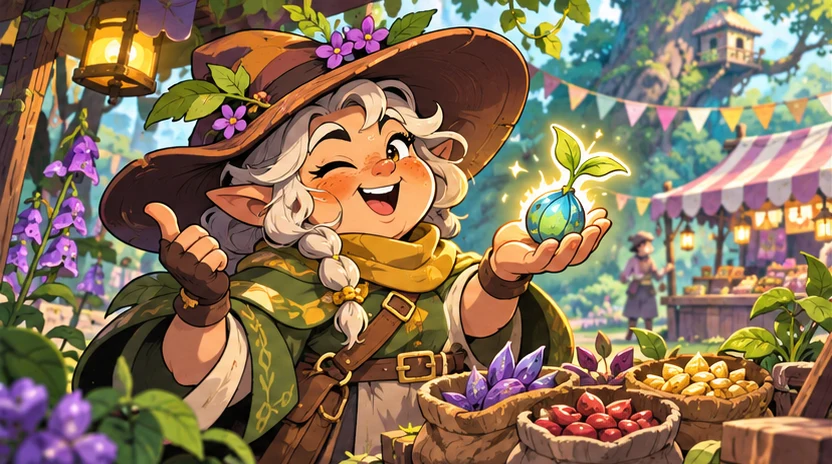

Build a focused first pass
Use your game context to prepare a game character concept with a distinct role, silhouette, and expression cues.

Make the role obvious the moment the player sees it. Ask seeleAgent for a game character concept with a distinct role, silhouette, and expression cues. Describe what you are making and how the player will use it.
Partners and teams

















How it works
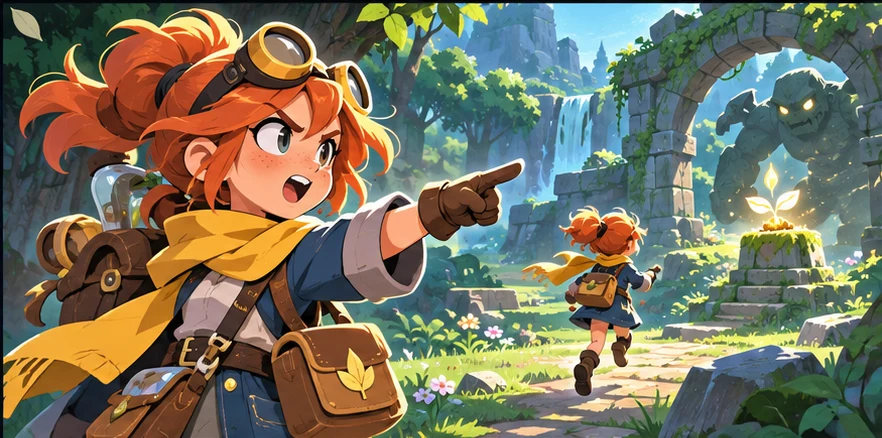
Describe the genre, camera or screen size, and what the player should notice or do. Start with a game character concept with a distinct role, silhouette, and expression cues.
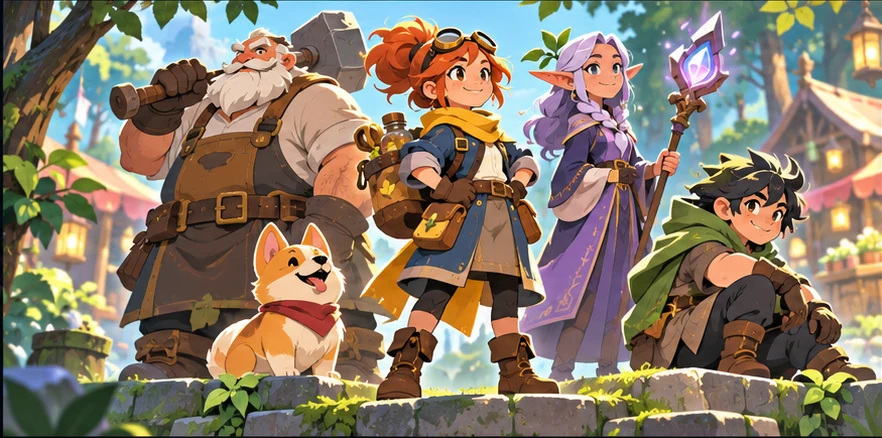
Ask for two versions around the same scene or player action. Vary one choice at a time so you can compare the result.
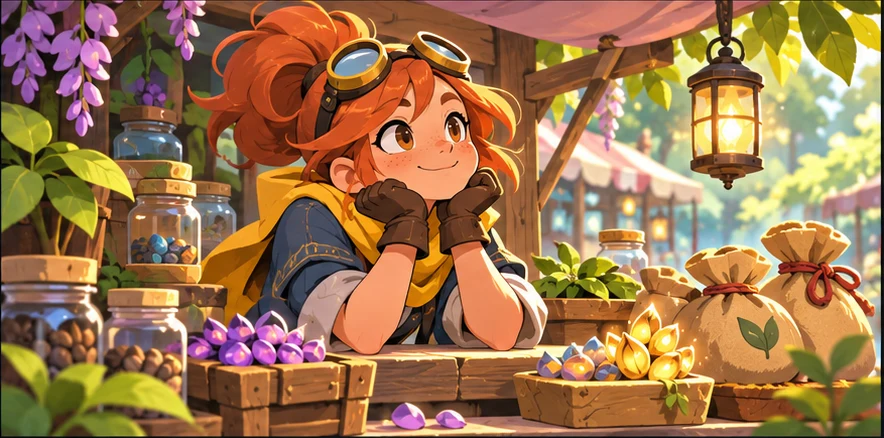
Use a small scene or sample to check your choice. The role reads through the silhouette or a signature detail. Keep the decisions you want to carry into your next pass.
Pick a starting point
Work on a game character concept with a distinct role, silhouette, and expression cues for a cozy RPG with a forest market and a recurring character who trades rare seeds.
Help me plan a game character concept with a distinct role, silhouette, and expression cues for a cozy RPG with a forest market and a recurring character who trades rare seeds. Give me two workable directions and a small test I can run. Check that the role reads through the silhouette or a signature detail.
Why SEELE
Use your game context to prepare a game character concept with a distinct role, silhouette, and expression cues.

Keep the same game scene and compare two approaches before deciding what to make.

Set one acceptance check for the next pass. The role reads through the silhouette or a signature detail.
FAQ
Yes. Start with the subject, format, audience, style, constraints, and what you want to review before publishing.
No. It helps prepare the brief and first pass; rights, quality, identity, and final publishing decisions still need review.
The handoff carries a cartoon concept prompt pack with style, pose, background, and review notes, plus prompts for iteration and practical acceptance checks.
Yes, but the best result usually comes from adding your own audience, style, source material, and final format.
Describe the game, the moment the player sees or uses the result, and the constraint that matters most. Ask for a game character concept with a distinct role, silhouette, and expression cues.
Try it in a small scene or review it from the player camera. For the first example, check that the role reads through the silhouette or a signature detail.
Yes. Pick one small scene or interaction and describe what the player should see or do. You can revise the prompt as the idea becomes clearer.
Bring a game idea to Workspace and work through a game character concept with a distinct role, silhouette, and expression cues.
Write a game prompt