
Start with two clear play styles
Give each fighter a distinct way to control space, apply pressure, or punish a mistake.

Set the fighters, the round goal, and the exchange you want to test. Plan a focused one-on-one fighting game scenario with distinct character roles, readable controls, and a clear round outcome. Start with a small move set, then review whether each action has a visible purpose.
Partners and teams

















How it works
Turn a space hangar into a playable challenge with three holographic targets.
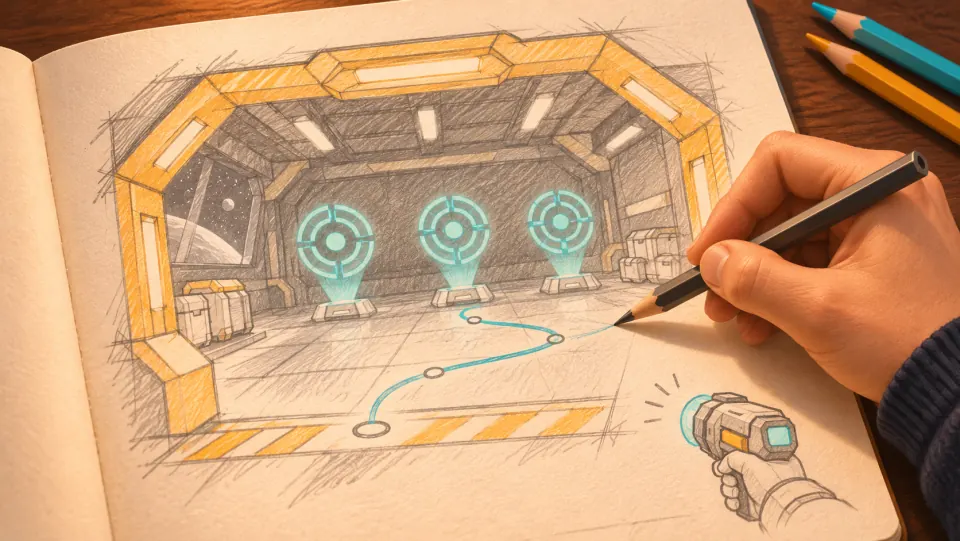
The player enters a space hangar and has to move into position to hit three holographic targets.
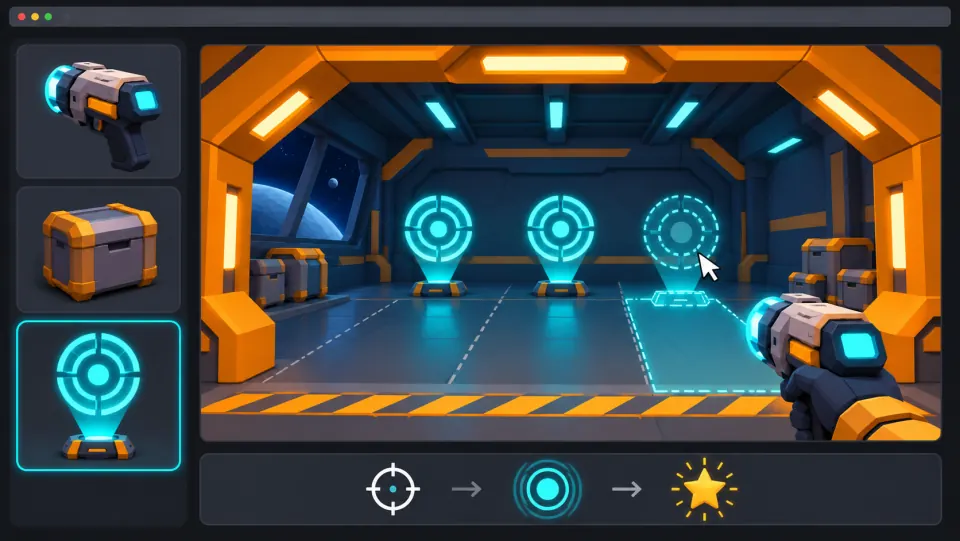
Ask seeleAgent to build the hangar, place the targets, and add first-person controls, hit effects, and scoring.
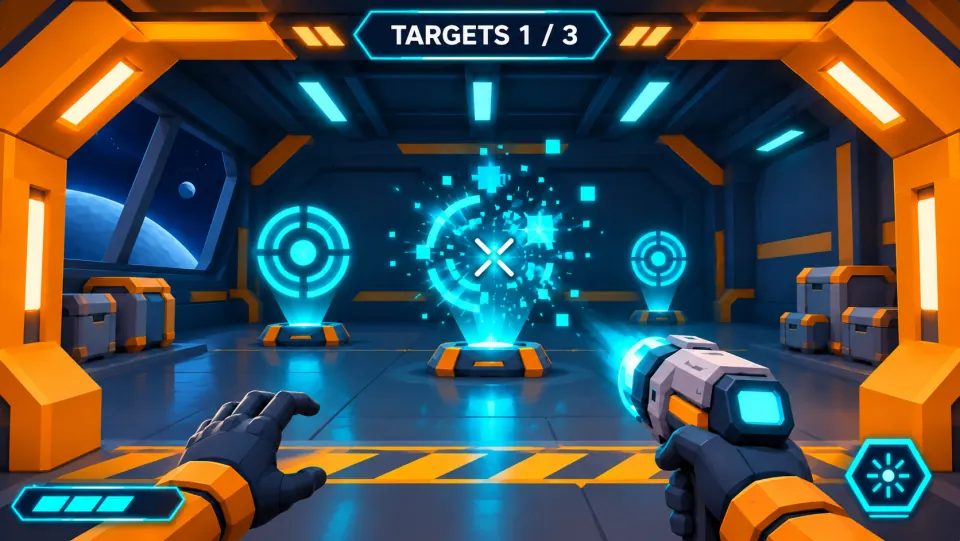
Aim and fire at a target. It should burst into pixels on impact, and the hit counter should go up.
Make a game for freePick a starting point
Try character roles, a training exercise, round rules, or a focused balance review.
Define how the two fighters differ and what decision each one asks the player to make.
Design a first matchup between two original fighters: a patient counter-fighter who controls distance and a fast striker who wants to close in. Give each one a basic attack, a defensive option, and one signature move. State what each fighter is good at and one weakness the opponent can exploit. Keep the move list short.
 Set up a matchup with clear strengths ↗
Why SEELE
Give each fighter a distinct way to control space, apply pressure, or punish a mistake.

A few attacks and defensive actions are enough to test whether the basic exchange makes sense.

Connect each attack or defense to a situation the player can recognize.

Set the start, timer, win condition, and tie rule before adding more characters or modes.

Play the same matchup from each side and check whether strong moves have readable responses.

Record a specific timing or matchup issue, adjust one value, and replay the same exchange.
Made with SEELE
These games are playable. Pick one and give it a try.
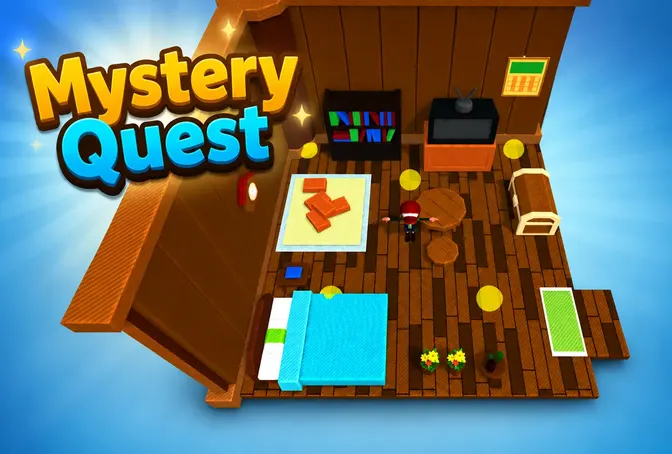 AdventureAdventure GamePlay the example ↗
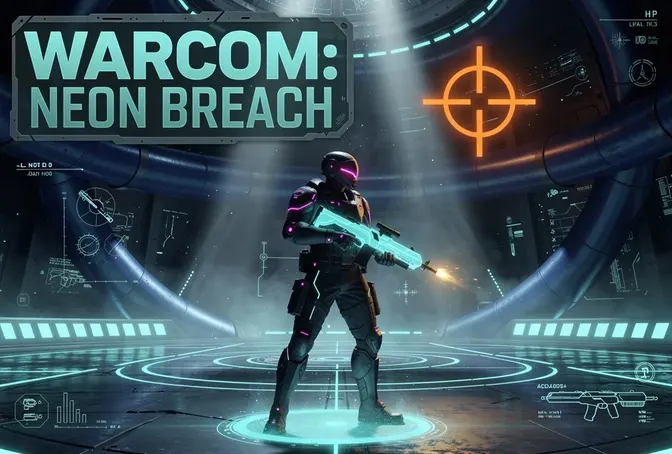 ShooterWarcom: Neon BreachPlay the example ↗
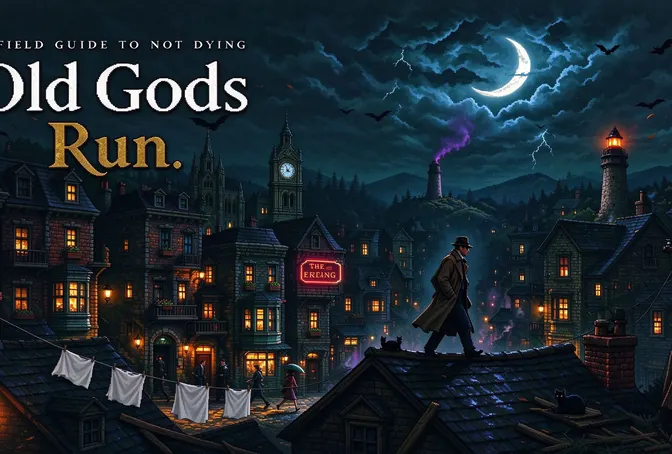 ActionOld Gods RunPlay the example ↗
 CasualCaution! Egg on the Car RoofPlay the example ↗
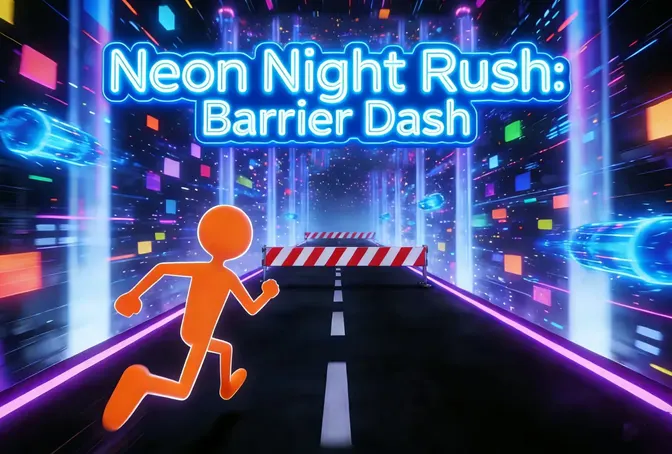 RunnerNeon Night Rush: Barrier DashPlay the example ↗
 PuzzleMuseum ExhibitionPlay the example ↗
 SimulationMilky Way Idle 3DPlay the example ↗
 CasualSnowfall & Starry GiftsPlay the example ↗
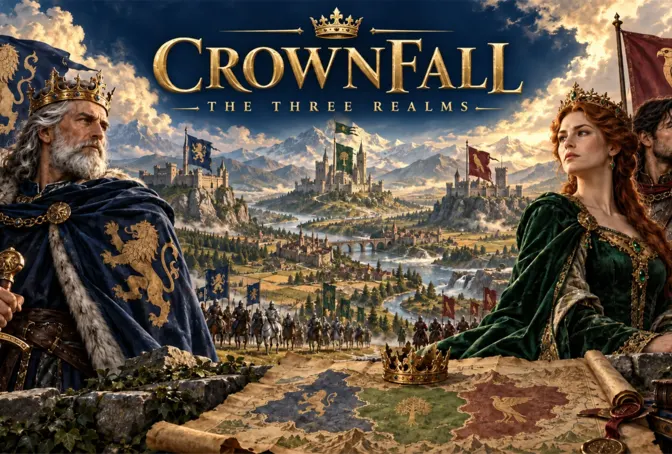 RPGCrownfall-The-Three-Realms-CoverPlay the example ↗
 SimulationFLYING CARPlay the example ↗
Who it’s for
A compact matchup helps a team discuss combat decisions before expanding the roster.
Try a small roster and one round before planning a larger fighting game.
UEFN IAP Delivery for Game Designers ↗
Compare fighter strengths, weaknesses, and counterplay in a scene the team can discuss.
No-Code AI Engine for Game Creation ↗
Use a compact training exercise or matchup to find unclear controls and dominant moves.
Game Generator AI Free ↗Compare
A repeatable exchange makes control and balance questions easier to review. Final tuning depends on the implemented game.
| Feature | A focused fighting game prototype | A full roster and mode plan |
|---|---|---|
| First design choice | Two play styles and one matchup | A full roster before the combat exchange is clear |
| Move set | A few attacks and defensive actions with specific uses | Many moves designed before controls are tested |
| Round rules | A clear start, timer, win condition, and tie rule | Scoring and progression added alongside core combat |
| Balance review | Replay the same matchup from both sides | Adjust damage and timing without a repeatable test |
| Next change | Revise one move or counter and retest the exchange | Change several characters and rules at once |
Reviews
Explore related combat game pages, tools, and guides for planning a game prototype.
FAQ
It helps shape a fighting game idea into a focused matchup, control exercise, or prototype direction. Begin with two play styles and one exchange you want players to understand.
Describe the format, player count, fighter roles, core inputs, round goal, and one interaction to test. State how players can tell when an attack or defense succeeds.
Give each fighter a different approach, such as controlling distance or applying close pressure. Add a strength and a weakness that the other player can respond to.
Keep the first move set small enough to learn in one session. A basic attack, a defensive action, and one special move can reveal whether the core exchange is understandable.
Introduce a few inputs in a practice setting and give each action clear feedback. Add more complex sequences after players understand movement, attack, and defense.
Test both sides under the same conditions. Look for moves that are hard to see, too safe to repeat, or have no practical response; then adjust one rule and replay.
It defines how a round starts, what ends it, how a winner is decided, and what resets before the next round. State ties and time limits so players know the rules.
Make a strong option readable and give the opponent a response that requires timing, spacing, or a choice. Test whether players can recognize both the threat and the counter.
This page helps outline and explore a fighting game concept. A complete game still needs implementation, tuning, animation, sound, accessibility work, and playtesting.
Treat early values as hypotheses. Test the same exchange repeatedly, record what happens, and change one value at a time instead of assuming the first numbers are balanced.
You can describe either format, but available outputs depend on the current creation workflow. Specify the camera and movement plane, then verify the result in the editor.
Teach one action at a time with a practice target, a clear input prompt, and feedback when the action succeeds. Avoid introducing several new rules in the same exercise.
Watch whether players understand spacing, recognize attacks, use defensive options, and know why a round ended. Note exact moments where they hesitate or repeat a move.
Test controls, balance, animation readability, accessibility, performance, content rating, and platform requirements in the actual build. Review rights for all characters, music, and visual assets.
Define two play styles, a short move set, and the round rule you want to test.
Start a fighting game idea →