Translate a remix idea into a player action
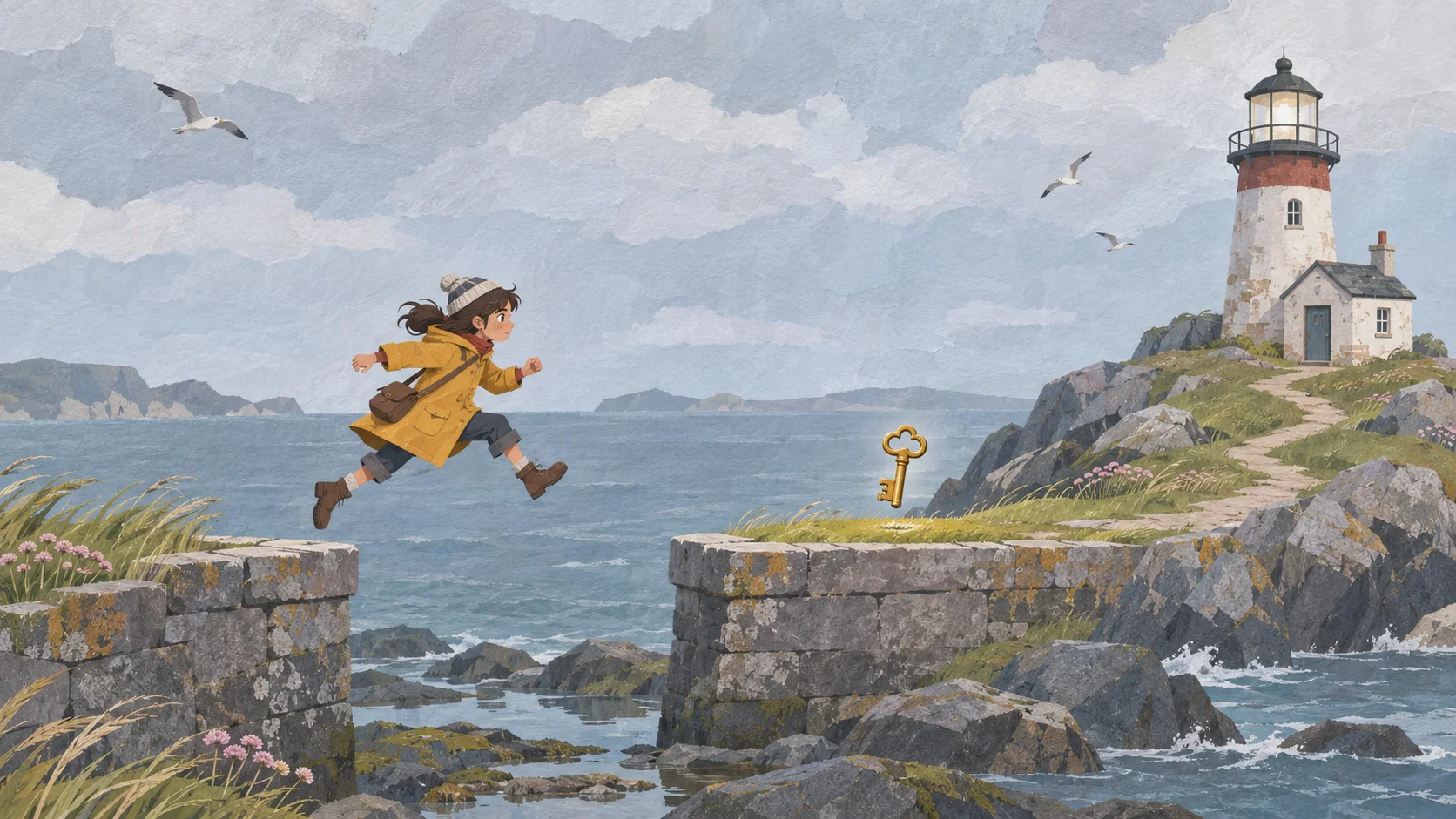
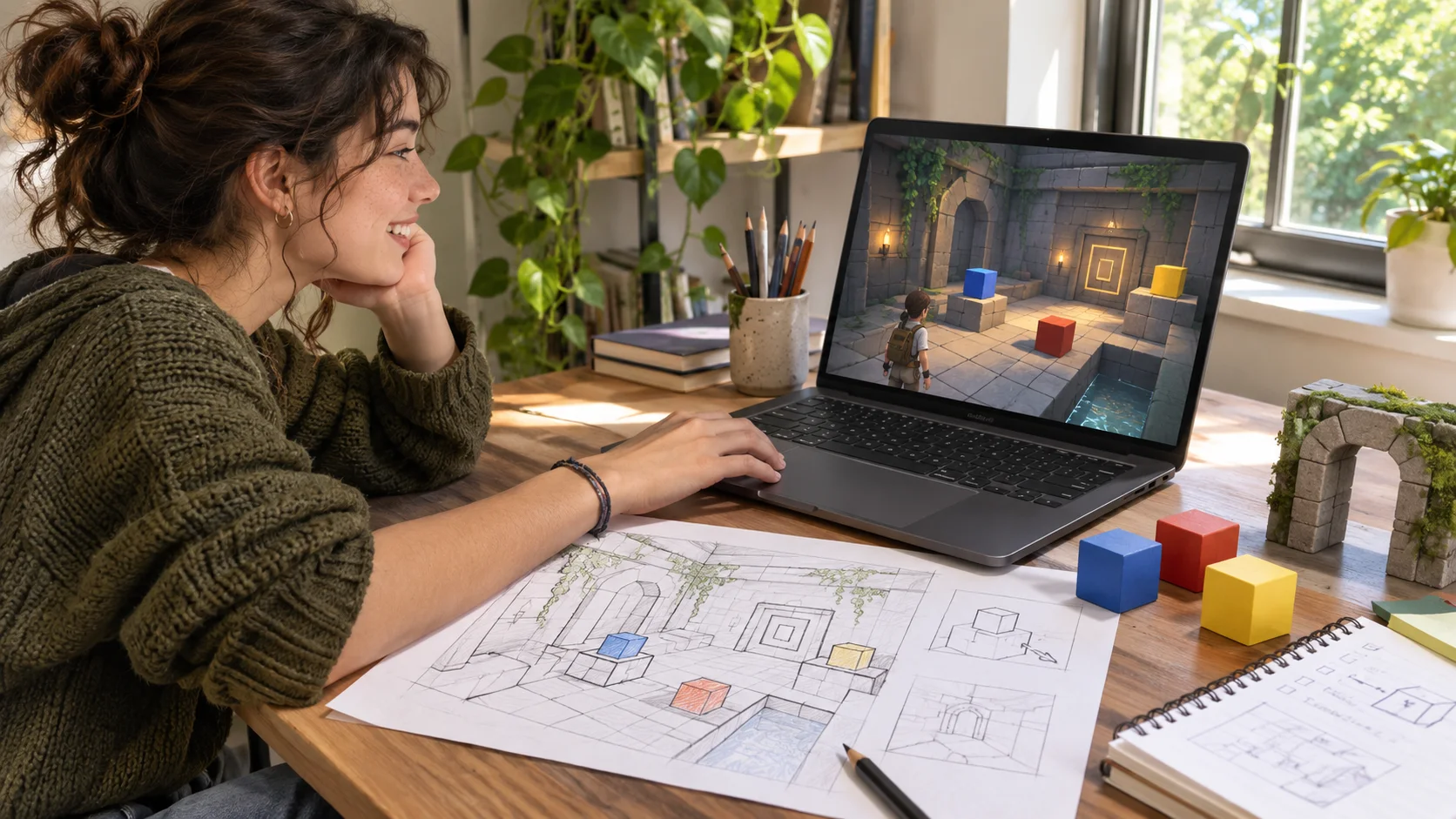
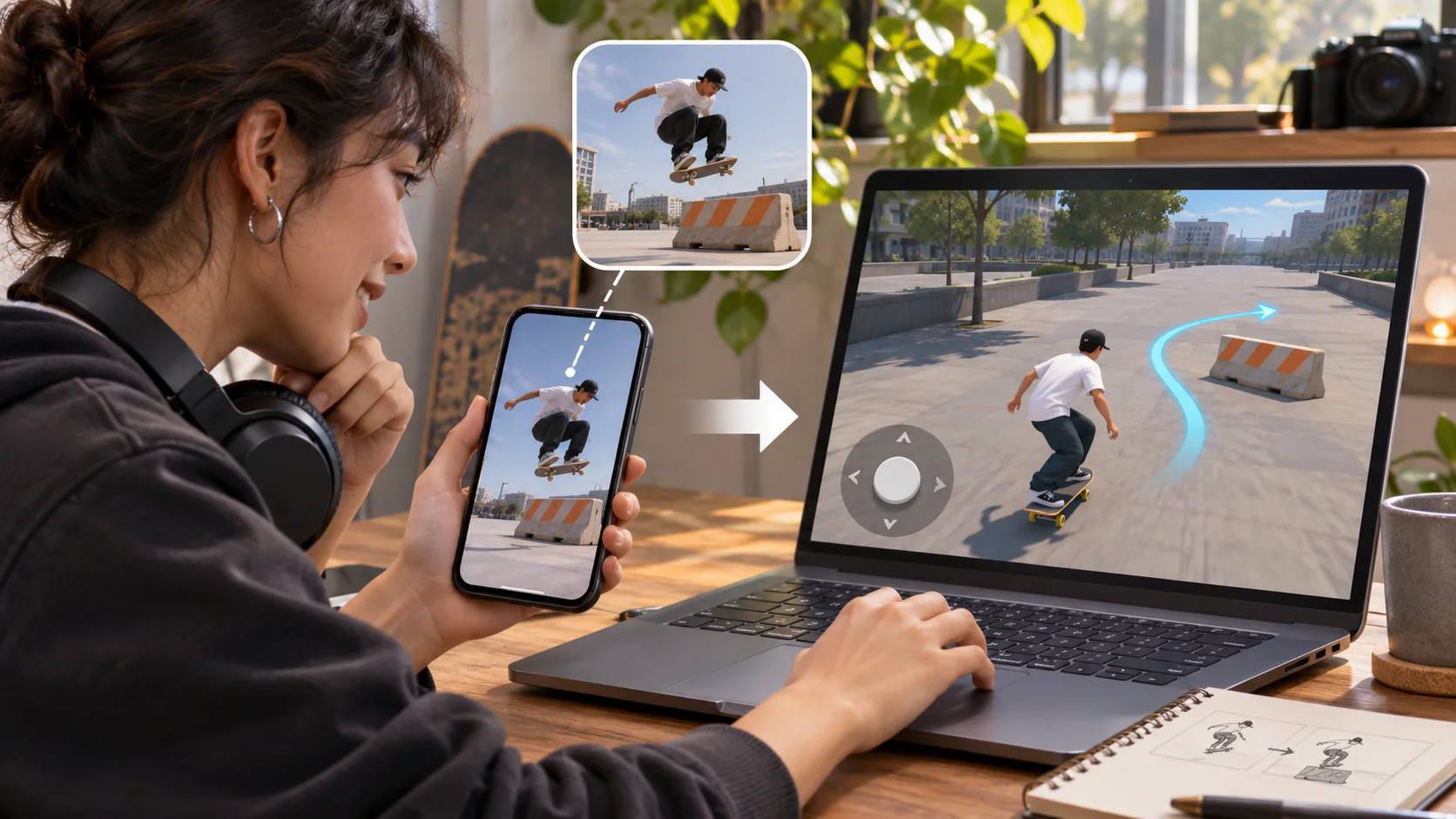
Choose the moment that makes the concept memorable, then give the player something to do at that moment. That turns a reference into a testable game loop.

Try one original arena encounter. Use the remix concept as inspiration for a browser-playable game prototype. Set the scene, player action, and win condition, and use original or properly cleared material.
Partners and teams

















How it works
Turn your story into an interactive visual novel. Create anime characters, branching dialogue, and meaningful choices without coding.
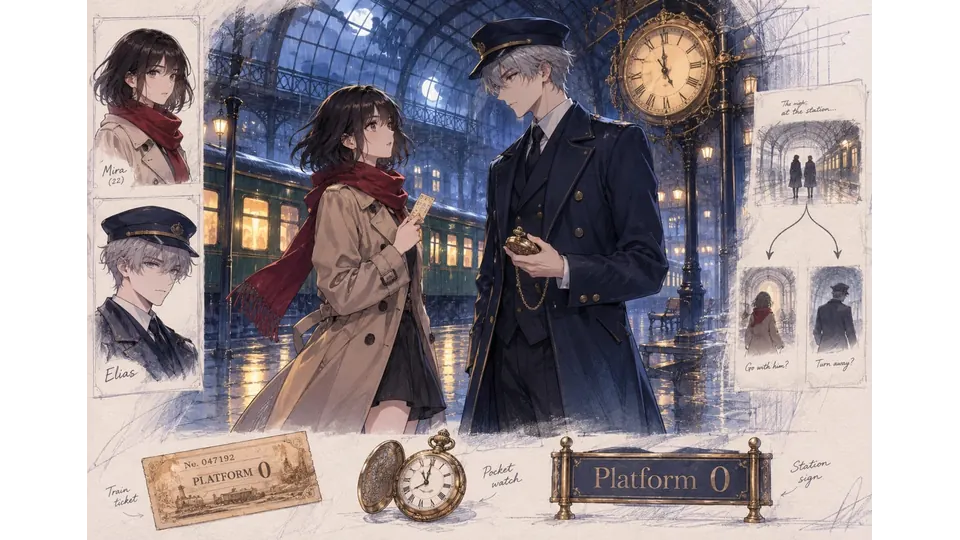
Imagine a midnight station, a missing ticket, and two strangers with secrets.
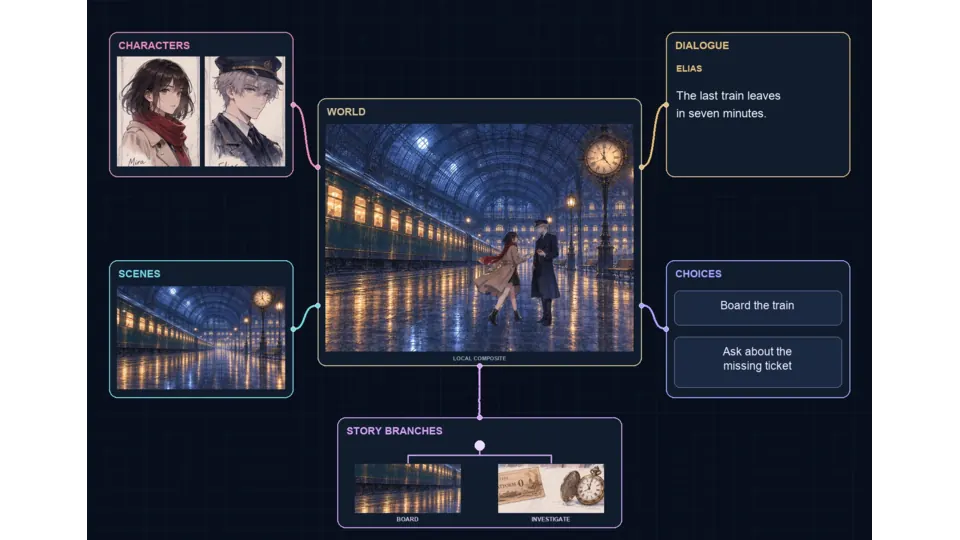
Connect character portraits, scenes, dialogue, and choices into an interactive story.
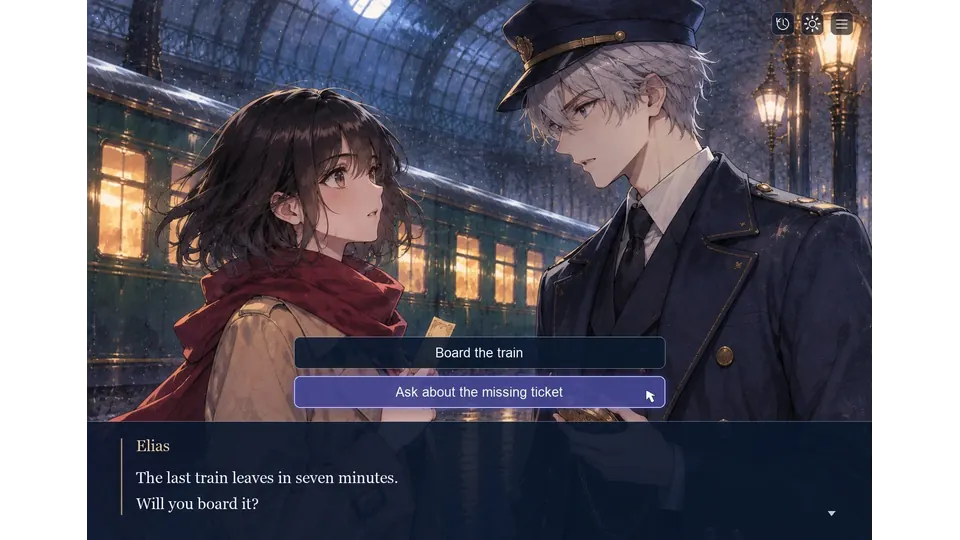
Board the train or ask about the missing ticket to explore different story paths.
Make a game for freePick a starting point
Explore a duel, timing challenge, wave encounter, or visual theme. These prompts describe game prototypes; they do not promise audio or video remix exports.
Build an original arena encounter around a recognizable call-and-response rhythm. Use visual cues to show when the player should act, then test whether the exchange feels clear.
Create an original browser-playable arena duel inspired by the dramatic timing of Sparta Remix videos. Use an original armored champion and a stone courtyard; do not use a source video, song, voice, or copyrighted character. Show a bright visual cue before each enemy strike and let the player dodge, counter once, and win by lowering the opponent health bar to zero.
 Remix-inspired duel ↗
Why SEELE
Choose the moment that makes the concept memorable, then give the player something to do at that moment. That turns a reference into a testable game loop.

Set a place, opponent, and clear route through the encounter. Use your own characters and scene details rather than relying on someone else’s footage or assets.

A flash, marker, or movement tell can give the player time to react. Test the cue in play so the pattern is understandable without an audio edit.

One opponent pattern and one player response make it easier to spot confusing timing. Add another phase only after the first exchange reads well.

Show the prototype to someone unfamiliar with the brief. Ask what they understood and which details felt original, unclear, or too close to the source.

Check the permissions for characters, music, voice, footage, and other inputs. A playable prototype does not grant rights to third-party material.
Made with SEELE
These games are playable. Pick one and give it a try.
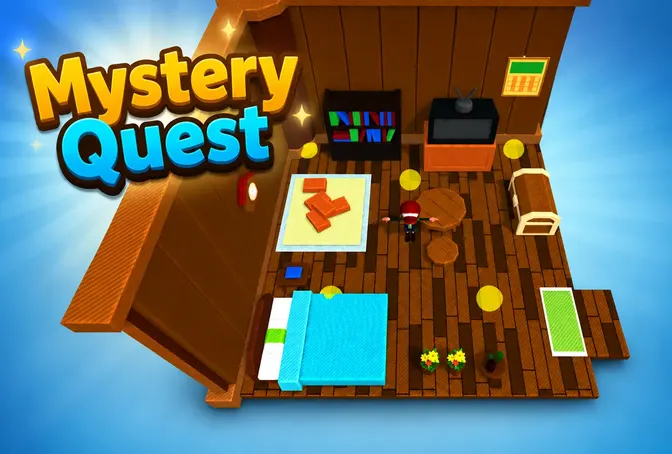 AdventureAdventure GamePlay the example ↗
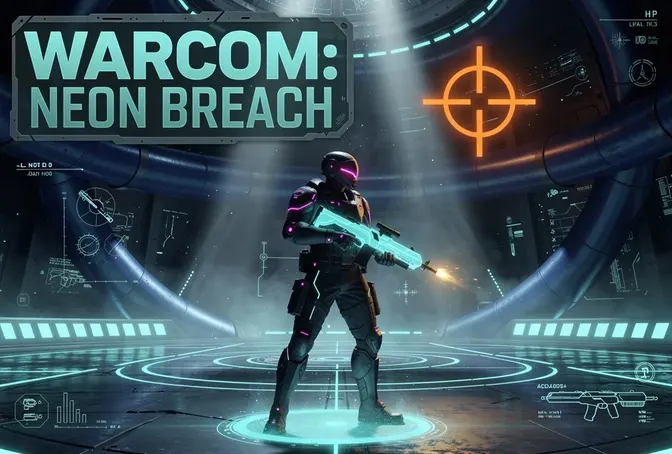 ShooterWarcom: Neon BreachPlay the example ↗
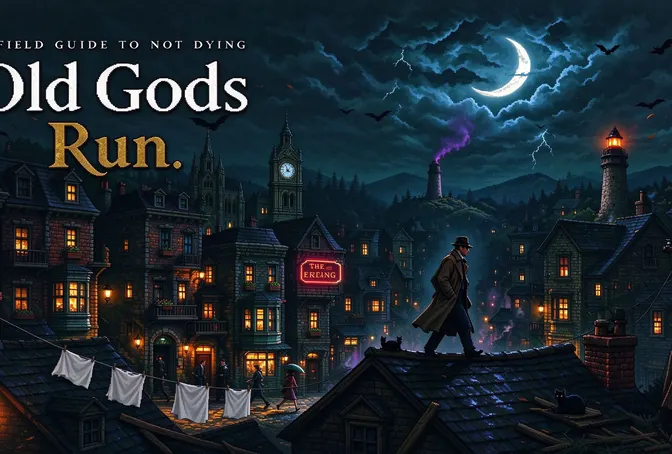 ActionOld Gods RunPlay the example ↗
 CasualCaution! Egg on the Car RoofPlay the example ↗
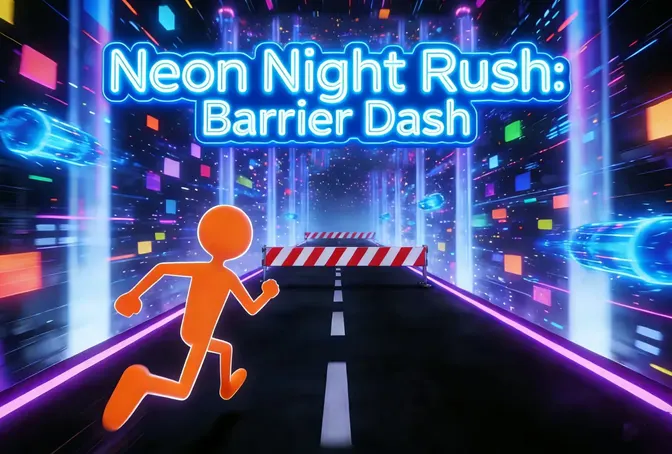 RunnerNeon Night Rush: Barrier DashPlay the example ↗
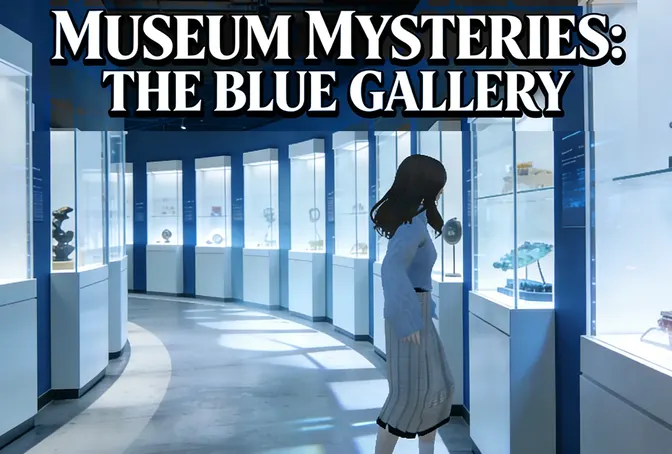 PuzzleMuseum ExhibitionPlay the example ↗
 SimulationMilky Way Idle 3DPlay the example ↗
 CasualSnowfall & Starry GiftsPlay the example ↗
 RPGCrownfall-The-Three-Realms-CoverPlay the example ↗
 SimulationFLYING CARPlay the example ↗
Who it’s for
For creators exploring an original interactive idea through a game prototype workflow. Use a dedicated media editor for audio or video production.
Use a visual reference or cultural format to sketch an original encounter, then test the player action before expanding it into a larger game.
AI Game Maker ↗
Turn a broad concept into a small game scene with its own characters and rules. Check separately which audio, footage, and distribution rights your project needs.
AI Interactive Short Video Maker ↗
Build one visual cue, one player response, and one outcome. A short browser prototype can help the team decide whether the mechanic is worth extending.
AI Boss Arena Game Maker ↗Compare
This route starts a playable game workflow. Creating an audio or video remix requires separate media tools and rights review.
| Feature | Remix-inspired playable game | Audio or video remix workflow |
|---|---|---|
| Main output | A playable game prototype with an original encounter | A remixed audio or video file |
| Player role | React to cues, use controls, and reach a game outcome | Listen to or watch the edited media |
| Creative input | Describe a scene, mechanic, and visual direction | Provide source media and define an edit |
| Review focus | Test controls, timing, readability, and win/loss states | Check edit quality, synchronization, and rights |
| Before sharing | Review the game build and rights for all inputs | Confirm licenses and export terms for the media |
Reviews
Related game-creation pages and guides for building a playable prototype.
FAQ
This SEELE page opens a game-creation workflow for a Sparta Remix-inspired playable prototype. It does not document a dedicated audio remix or video export tool.
The current page does not verify AI audio generation for Sparta Remix. Check the available Workspace tools before relying on audio creation or sound import.
You can describe an original game inspired by a remix format, then test a focused encounter in a browser-playable prototype. Define the player action and outcome in the brief.
Name the original setting, player action, opponent pattern, and win condition. If rhythm matters, describe a visible cue and the response the player should make.
The current Workspace flow shown on this page is for creating a playable game. It does not document a dedicated video export, so do not plan a video deliverable from this route.
This page does not verify custom audio import. Check the current Workspace input options and confirm you have permission to use any sound you provide.
Only use audio or footage when you have the necessary rights. A reference or prompt does not grant permission to reproduce, distribute, or monetize someone else’s work.
Use a visual flash, marker, or enemy wind-up as the timing cue. Test whether players can see when to respond and whether the cue remains clear during the encounter.
Review trademark, copyright, and other rights for the names, characters, logos, and source material in your project. Use original designs when you do not have permission.
Try a short duel, call-and-response challenge, or wave encounter. Keep the first version to one player action and a clear success or failure state.
No. Test the build, review its assets and rights, and check platform requirements before sharing or publishing it.
Yes. Change one part of the loop—such as the cue, dodge timing, or arena layout—and replay the same encounter to see whether the change helped.
It can help game creators and small teams explore an original interactive idea inspired by remix culture. It is not a substitute for an audio editing or video production workflow.
Check that the characters, music, voice, footage, and other assets are original or cleared for your use. Then test controls, performance, accessibility, and the game’s outcome.