Target creators
Indie creators, VTuber/game artists, and anime-inspired character teams.
SEELE AI · 3D creation workflow
Design an anime-style 3D character while preserving face, hair silhouette, costume language, and multi-angle identity.
A focused 3d anime model workflow rather than a generic 3D software directory.
Start in SEELE WorkspaceStart from a concrete brief. Review every output before production use — the world's first online native Unreal workflow.
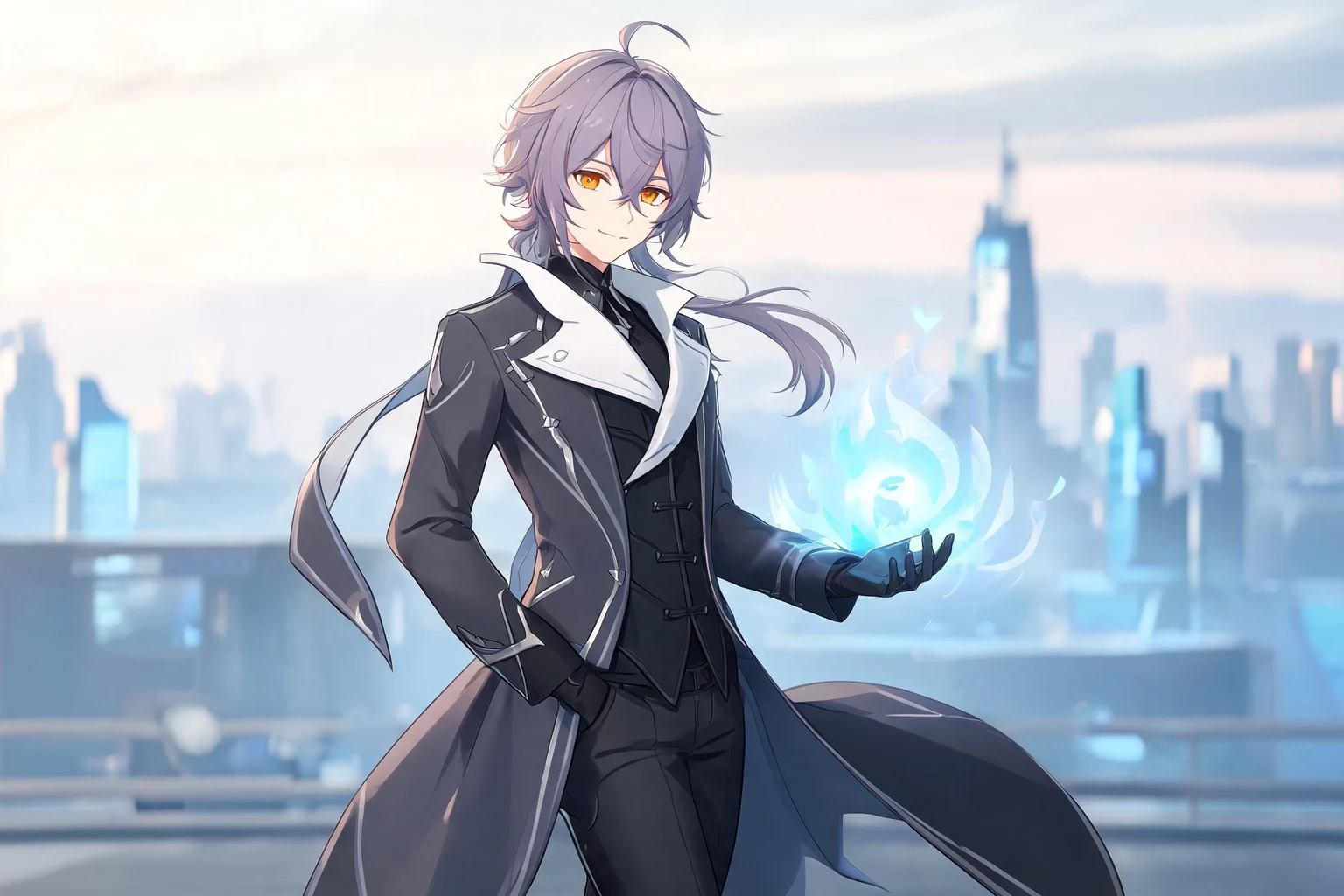
AI 3D Anime Model Generator: Create 3D Anime Characters is a prompt-led workflow for turning a specific 3D asset need into a clearer brief, review plan, and next-step handoff. It is best used to reduce ambiguity before detailed modeling, rigging, conversion, rendering, or engine integration.
Indie creators, VTuber/game artists, and anime-inspired character teams.
A scoped brief with named inputs, constraints, review checkpoints, and a clear destination.
This page opens a SEELE Workspace workflow; it does not claim a standalone in-browser converter, viewer, or guaranteed export format.
You: Provide the source, intended use, and constraints for this step.
SEELE: Workspace uses the prompt to organize the next iteration.
Output: A named artifact or review decision.
You: Provide the source, intended use, and constraints for this step.
SEELE: Workspace uses the prompt to organize the next iteration.
Output: A named artifact or review decision.
You: Provide the source, intended use, and constraints for this step.
SEELE: Workspace uses the prompt to organize the next iteration.
Output: A named artifact or review decision.
You: Provide the source, intended use, and constraints for this step.
SEELE: Workspace uses the prompt to organize the next iteration.
Output: A named artifact or review decision.
Face-angle study — front, three-quarter, and profile identity consistency.
Hair-volume breakdown — major clumps, silhouette, roots, and collision risks.
Shader handoff — cel bands, highlights, outline intent, and material separation.
Create a 3d anime model brief for a stylized game asset, including silhouette, materials, scale, topology goals, and review checks.
Use this promptPlan a realistic 3d anime model workflow for a small studio, with inputs, iteration checkpoints, and a handoff checklist.
Use this promptDraft a low-poly 3d anime model direction optimized for clear shape language and a constrained game scene.
Use this promptCompare two 3d anime model directions and explain geometry, material, animation, and performance tradeoffs before production.
Use this promptNo coding is required to begin with a structured prompt. Technical review is still needed before treating any generated asset or workflow as production-ready.
No. Treat the first result as a reviewable draft, then check geometry, materials, scale, rights, performance, and destination-specific requirements.
The page carries a concrete brief into SEELE Workspace, where you can continue prompting and iteration. It does not claim a separate one-click browser utility.
Name the intended asset, visual direction, target use, scale, topology or motion needs, material constraints, and the decision you want to review first.
Check rights, geometry, transforms, UVs, materials, scale, naming, performance, and compatibility in the actual destination tool or runtime.
No. It can structure a starting brief and iteration plan, while artistic judgment, technical validation, cleanup, and final delivery remain human responsibilities.
Carry a concrete prompt into SEELE Workspace, then keep human review at every production decision.
Continue in WorkspaceRelated-search decision guide
Turn each phrase into a brief: define the desired output, source material, destination, constraints, and reviewer before you generate or build.
Searches mapped to this route include “anime character 3d reference”, “anime character base”, “anime character creater”, “anime character creator full body”, and “anime character sheet generator”. Confirm the actual job and destination instead of assuming every wording is equivalent. Define success, test the smallest complete workflow, keep source and settings, and review the output against destination requirements.
Searches mapped to this route include “anime male character model”, “create an anime character full body”, and “make yourself an anime character”. Confirm the actual job and destination instead of assuming every wording is equivalent. Record the input, expected output, format, destination, rights, performance target, and human review as a concrete acceptance test.