

Give the district a problem
Connect the setting to a need residents can describe.

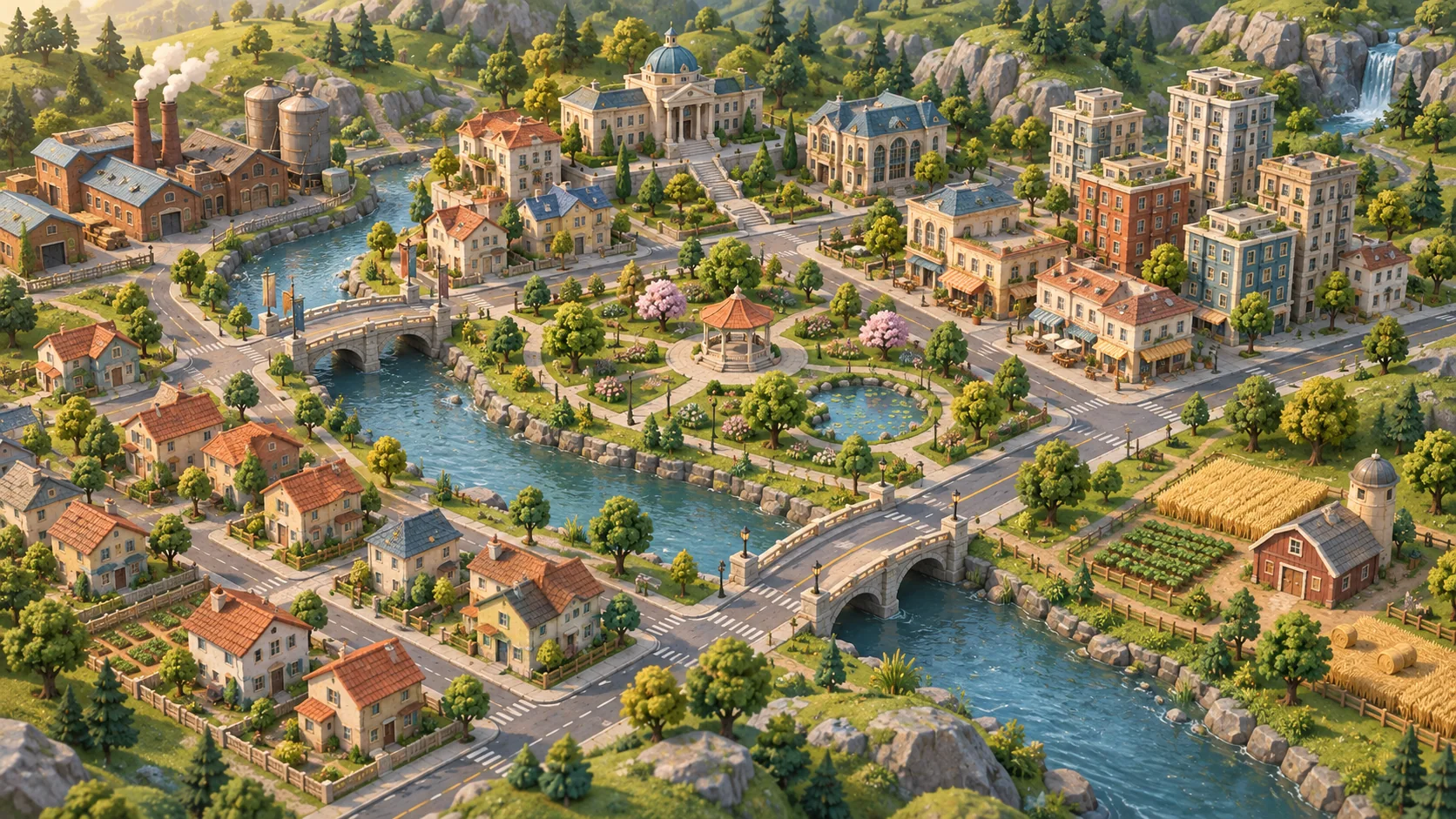
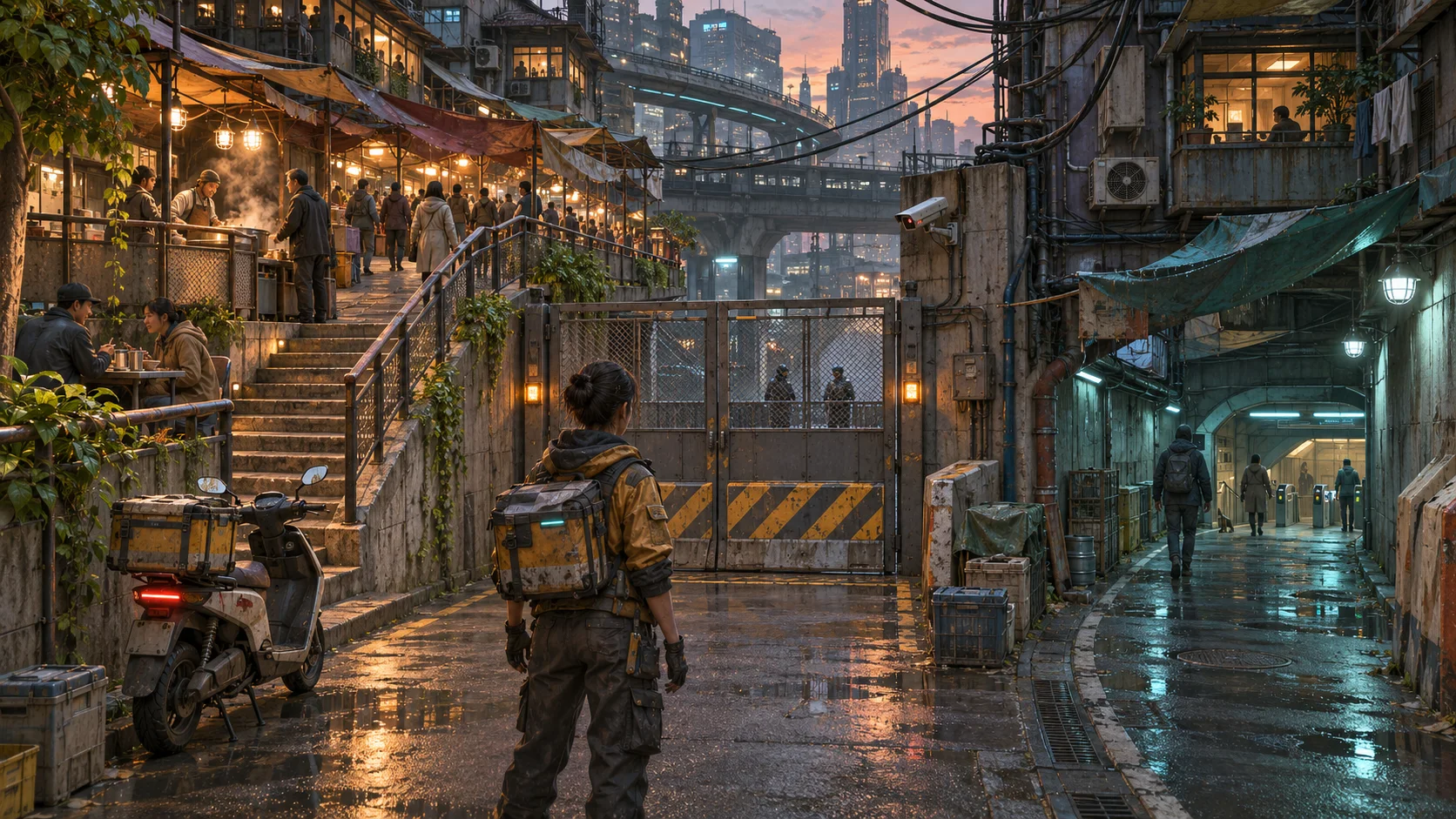
Choose a district, a blocked route, and the people affected by the player’s decision. Give one street a clear identity through its signs, lighting, traffic, and residents. Put an access problem in the player’s path, then make the consequences of each route visible.
Partners and teams

















How it works
Start with a quest idea, build it in SEELE, and play it through from start to finish.

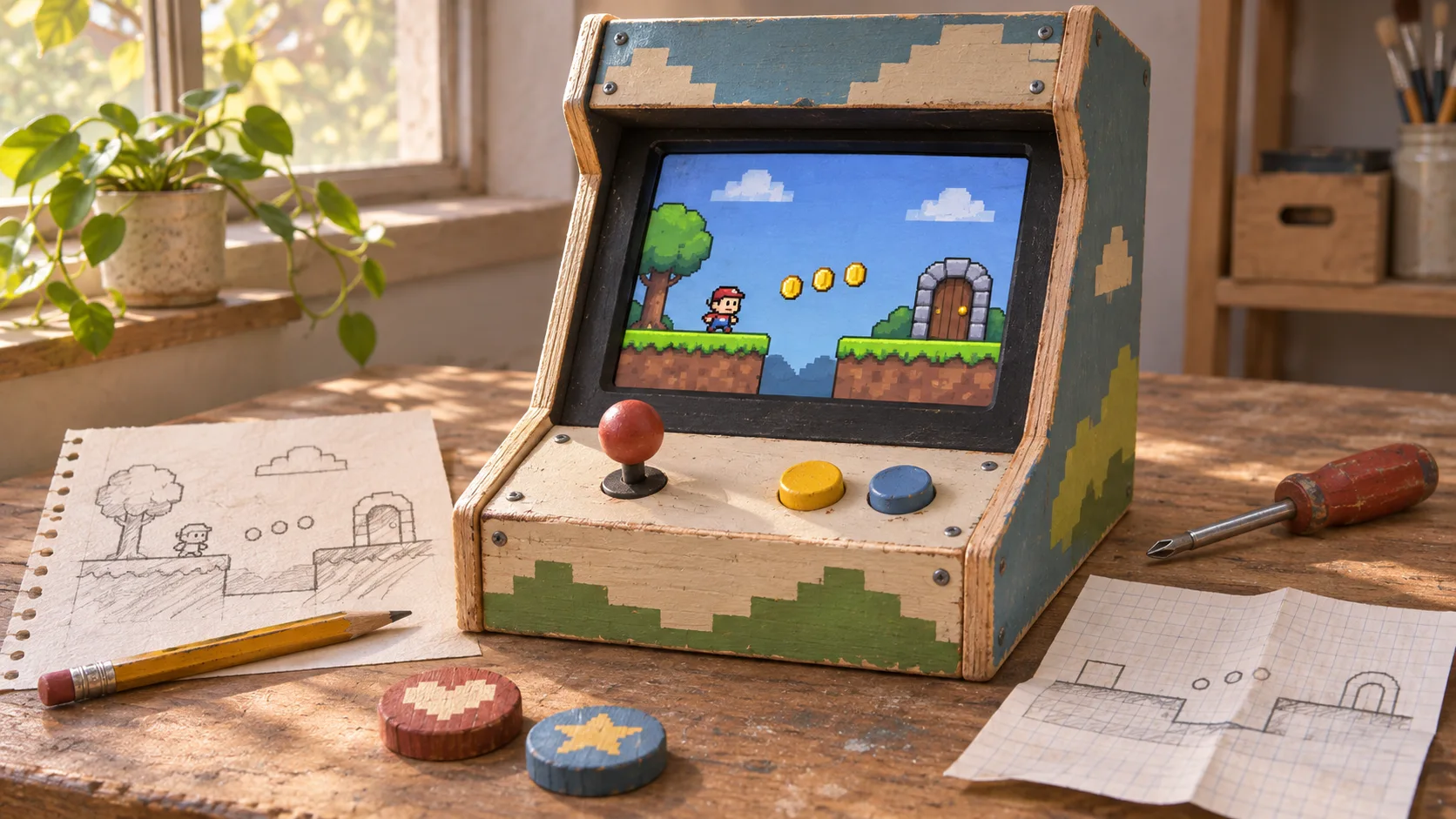
A miller asks for help. The player heads into the forest, finds a crystal, and brings it back for a reward.
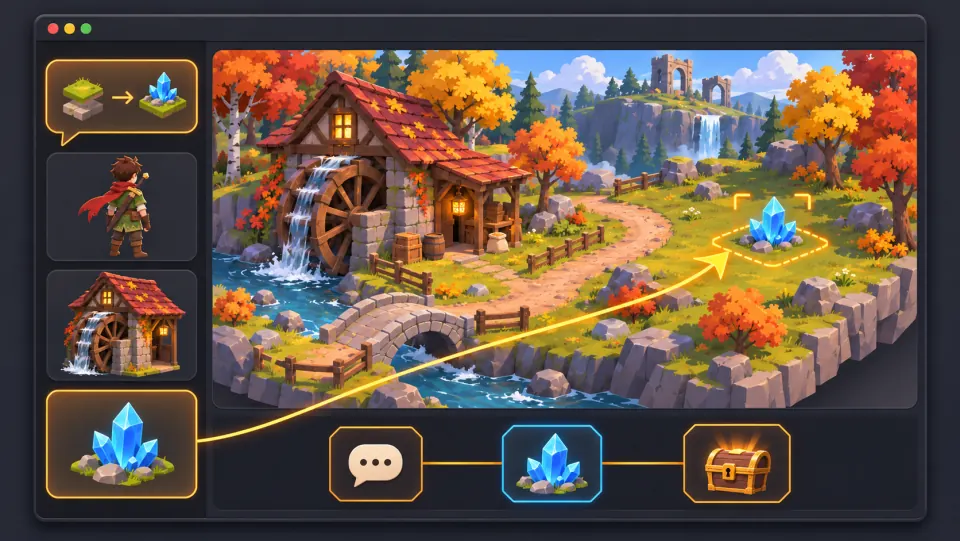
Ask seeleAgent to create the village and forest, add the miller and the crystal, and set up the dialogue, pickup, and reward.
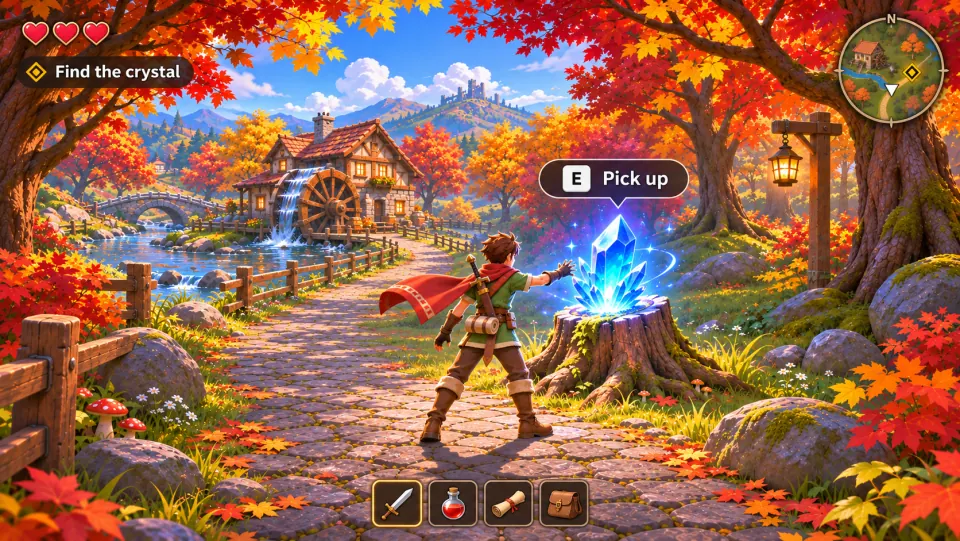
Take the quest, press E to pick up the crystal, and bring it back to the miller to claim your reward.
Make a game for freePick a starting point
Set a night delivery across a rain-soaked market district. Review whether the challenge and its outcome are clear.
Set a night delivery across a rain-soaked market district. Put a corporate checkpoint on the direct road and a crowded pedestrian bridge on the longer route; let the player choose which risk to take.
 City district ↗
Why SEELE
Connect the setting to a need residents can describe.

Make security, crowds, or infrastructure change how the player moves.

Show which service or group benefits from the decision.

Separate safe routes, hazards, and interactable objects with clear visual cues.

Focus on one block and one objective before expanding the city.

Check that the scene shows what changed after the player acts.
Made with SEELE
These games are playable. Pick one and give it a try.
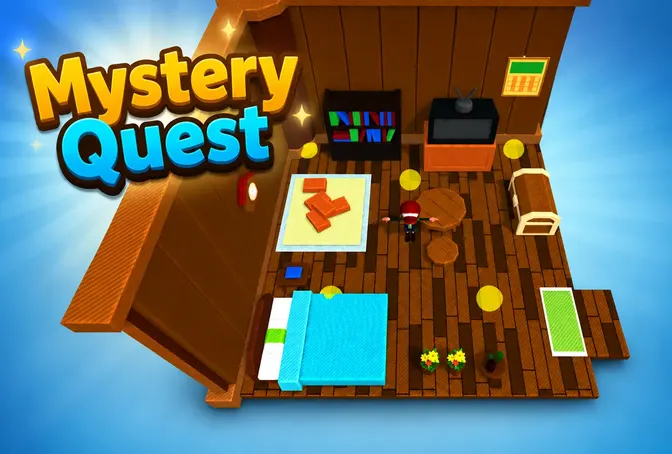 AdventureAdventure GamePlay the example ↗
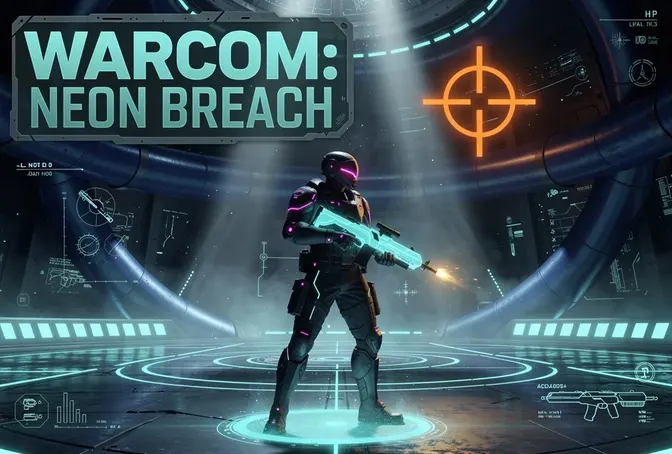 ShooterWarcom: Neon BreachPlay the example ↗
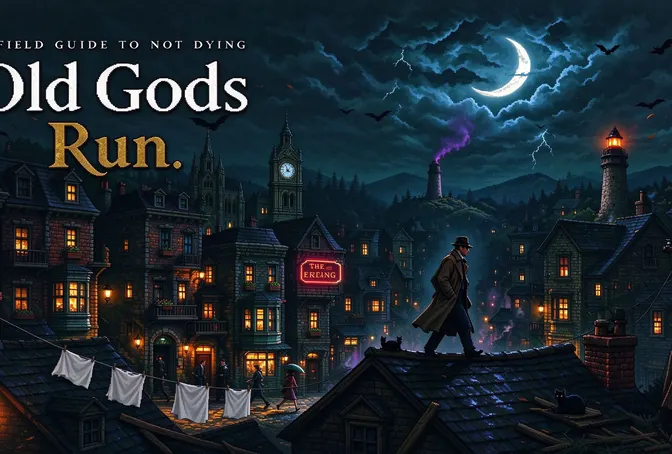 ActionOld Gods RunPlay the example ↗
 CasualCaution! Egg on the Car RoofPlay the example ↗
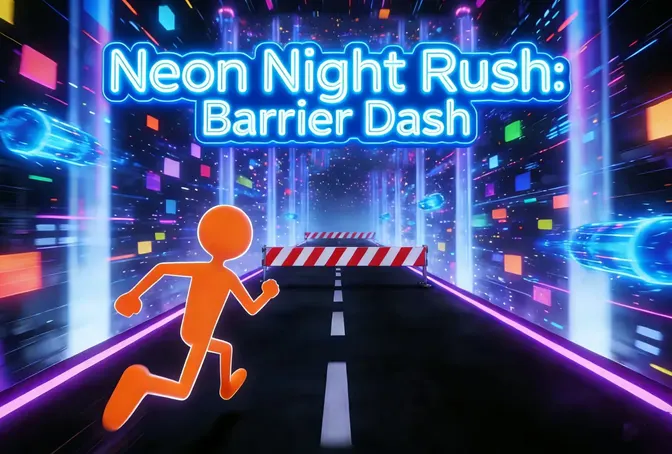 RunnerNeon Night Rush: Barrier DashPlay the example ↗
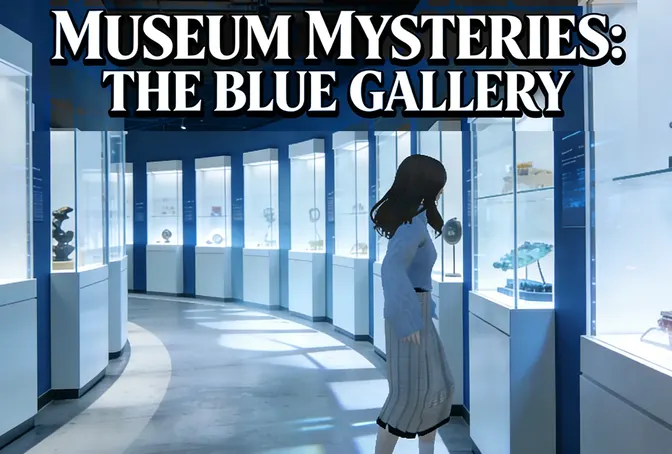 PuzzleMuseum ExhibitionPlay the example ↗
 SimulationMilky Way Idle 3DPlay the example ↗
 CasualSnowfall & Starry GiftsPlay the example ↗
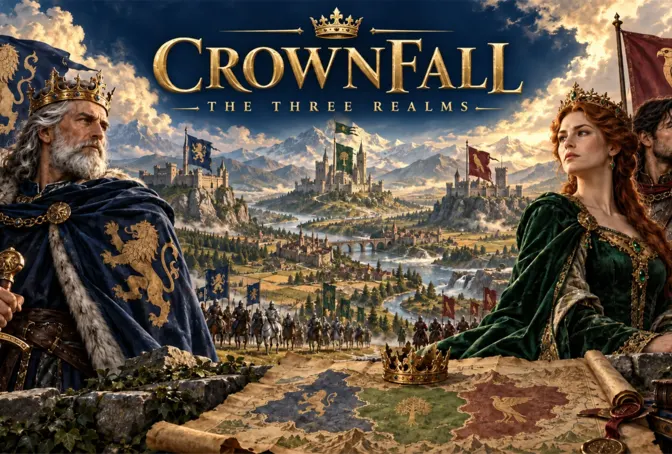 RPGCrownfall-The-Three-Realms-CoverPlay the example ↗
 SimulationFLYING CARPlay the example ↗
Who it’s for
Use these briefs to give each role a concrete part of the cyberpunk city game prototype to explore.
Develop a compact district through landmarks, signs, lighting, and traffic flow.
UEFN IAP Delivery for Game Designers ↗
Make a local choice reveal who controls access to a place and who pays for it.
Create AI City Builder Game Maker with AI ↗
Test a single route and consequence before expanding the city map.
Game Generator AI Free ↗Reviews
FAQ
It is a way to shape a cyberpunk game brief around a district, a player goal, and a conflict over access, resources, or control. Start with one street so the setting and choice remain readable.
Make the setting change the route or available options. A checkpoint can slow a delivery, a blackout can expose a hidden path, or a crowded bridge can trade speed for safety.
Show the scan area or patrol pattern before it becomes dangerous. Give the player time to observe it and at least one understandable way to respond.
Choose a local problem with visible stakes, such as restoring power to a market or bypassing a checkpoint. Show who benefits and what the player gives up.
One connected district is enough to test navigation, atmosphere, and a core choice. Add another block only after players can find the objective and understand the route.
Name the district, the player’s goal, one obstacle, two possible responses, and the visible consequence of each. Include a short list of environmental cues that distinguish the place.
Introduce only the information needed for the current decision. Let signs, objects, and character reactions explain the district as the player moves through it.
Ask someone to locate the objective, choose a route, and describe what changed afterward. If the choice feels arbitrary, clarify the costs and feedback before adding more lore.
Give the checkpoint a visible rule and a route around or through it. Let its guards, signs, or sensors communicate what is restricted before the player reaches the barrier.
Yes. A player might reroute power, trade information, or choose which group receives access. Show the practical cost of each option so the decision remains grounded.
Change something the player can observe: a gate opens, a patrol changes route, a shop loses power, or a character responds. Keep the effect connected to the choice.
Use a few distinct landmarks, consistent signage, and lighting that points toward the next objective. Check that atmosphere does not hide routes or interactable objects.
Use a side street for an alternate entrance, a clue, or a small resource tradeoff. Make its connection to the objective clear enough that exploration feels intentional.
Leave out distant districts, extra factions, and systems that do not affect the first route or choice. Add them after players understand the local conflict.