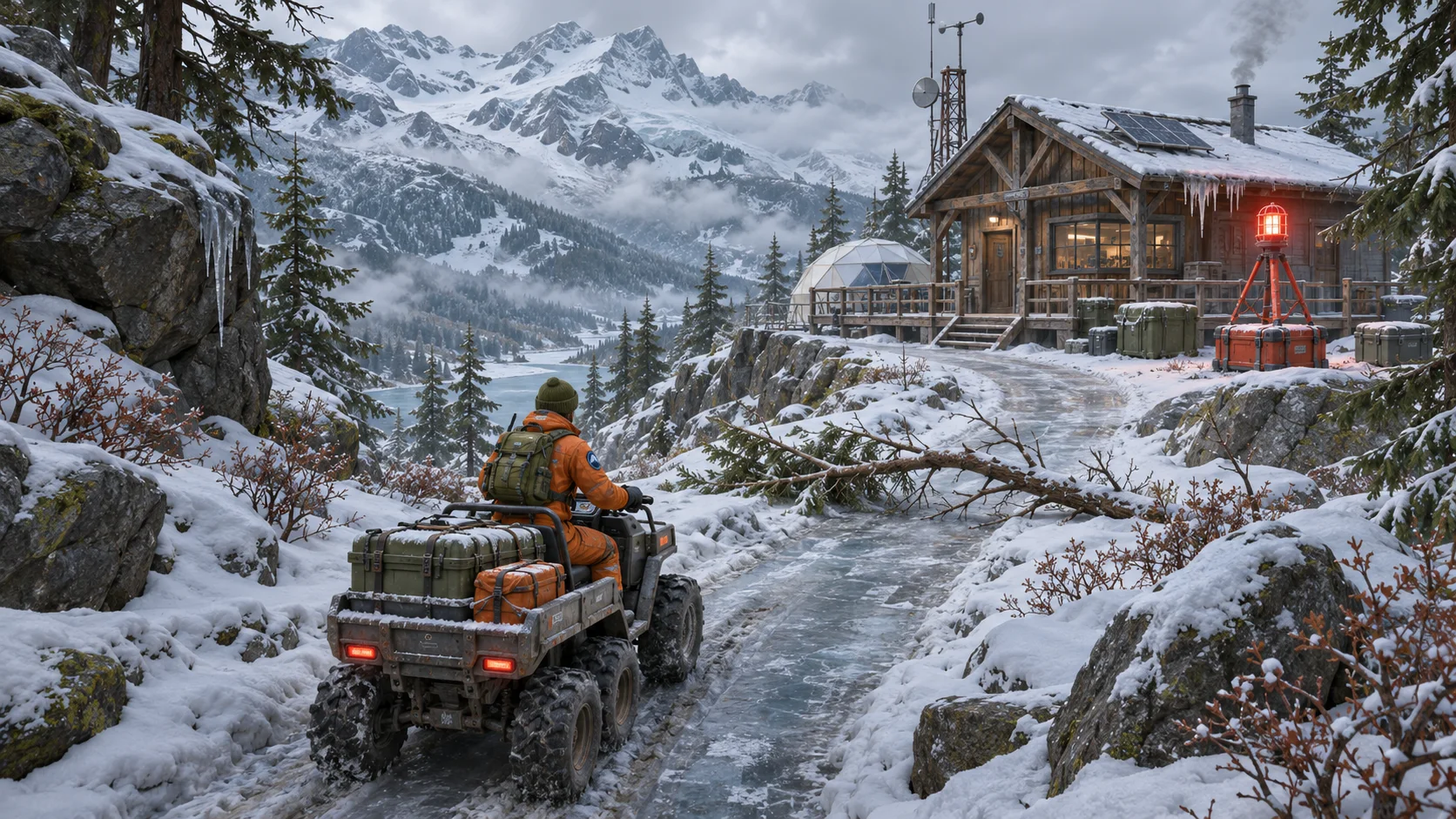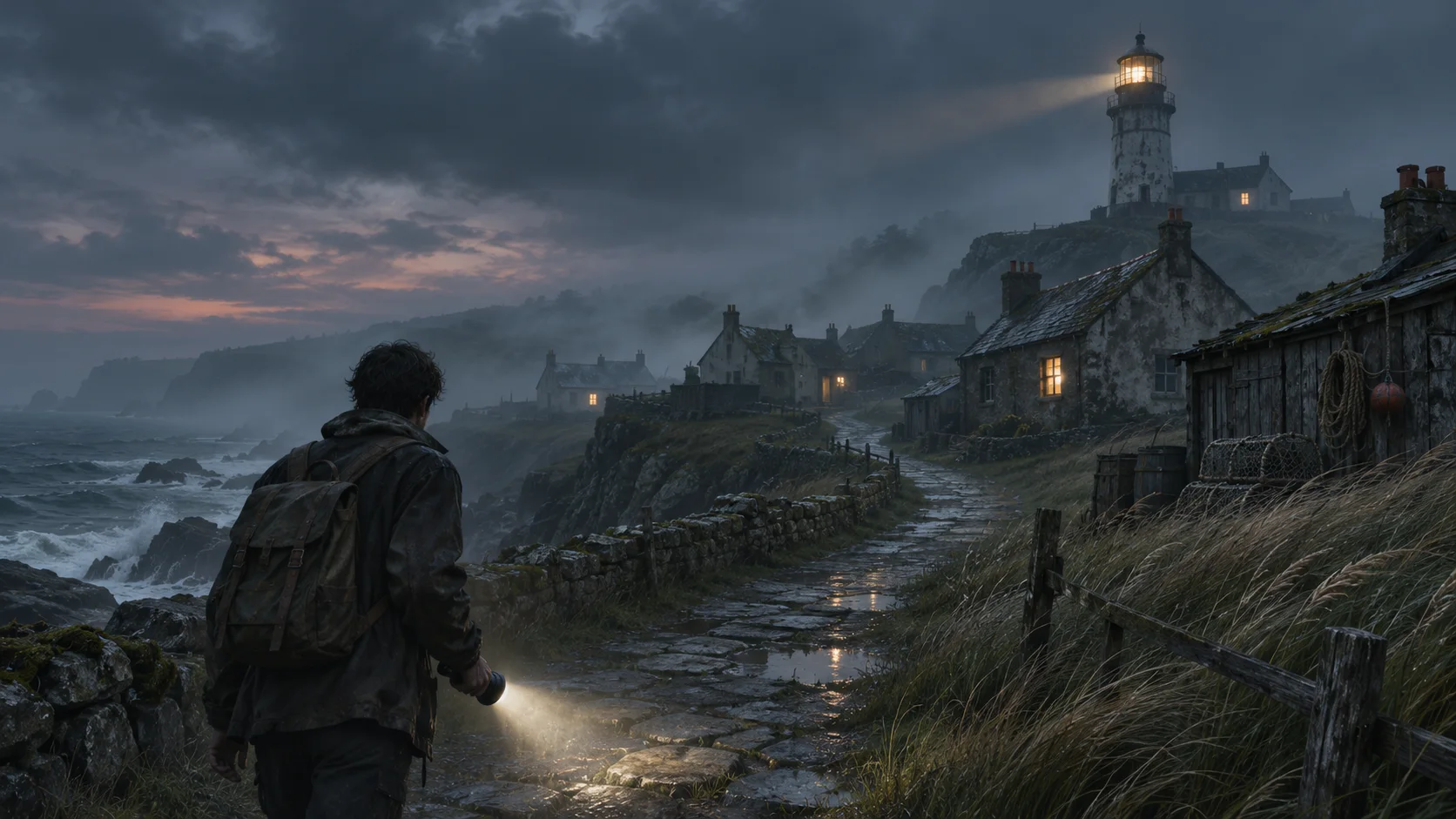


Use atmosphere to support the scene
Tie lighting, sound, and environmental details to what the player is trying to learn or do.

Choose what the player notices, what they fear, and how they can respond. Plan a horror game around atmosphere, a clear player goal, and one source of pressure. Use sound, lighting, pacing, and limited information to create tension, then review whether the player can still read the scene and make a choice.
Partners and teams

















How it works
Start with a quest idea, build it in SEELE, and play it through from start to finish.
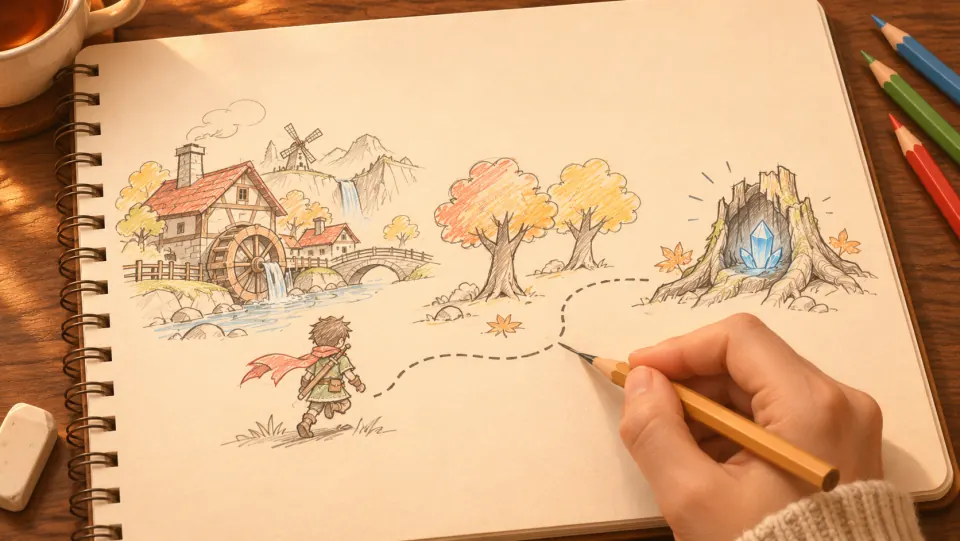
A miller asks for help. The player heads into the forest, finds a crystal, and brings it back for a reward.
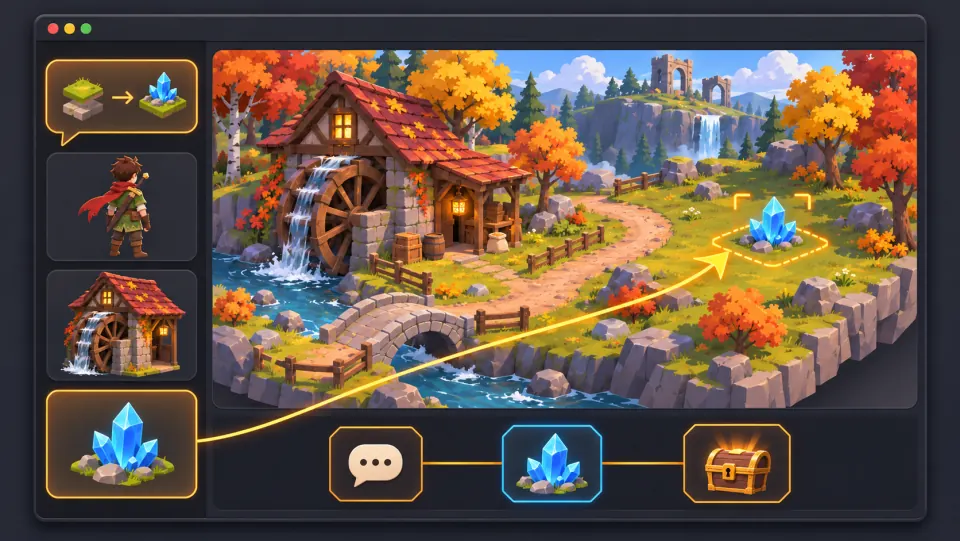
Ask seeleAgent to create the village and forest, add the miller and the crystal, and set up the dialogue, pickup, and reward.
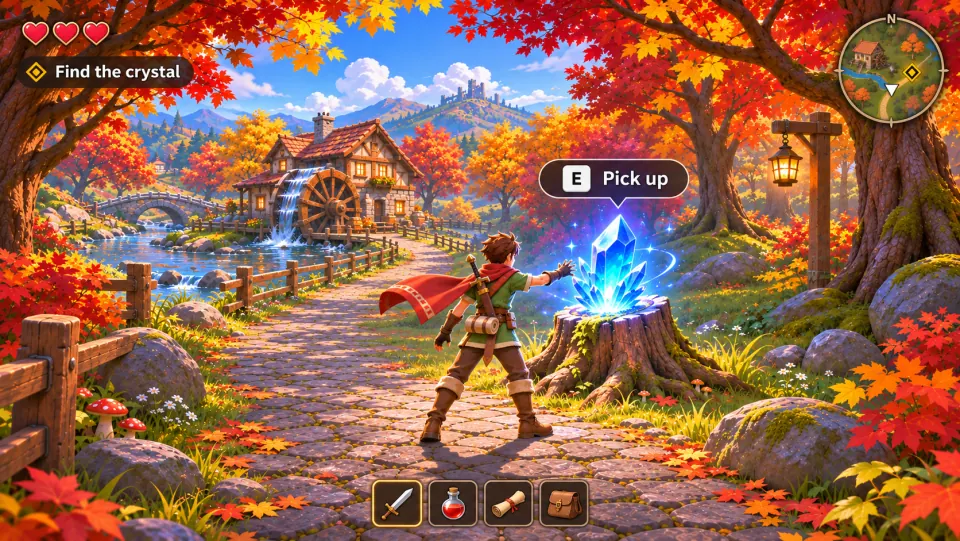
Take the quest, press E to pick up the crystal, and bring it back to the miller to claim your reward.
Make a game for freePick a starting point
Try uneasy exploration, a readable chase, resource pressure, or an accessibility review.
Use a contained location, a few clues, and one change in the environment to build tension without hiding the player’s goal.
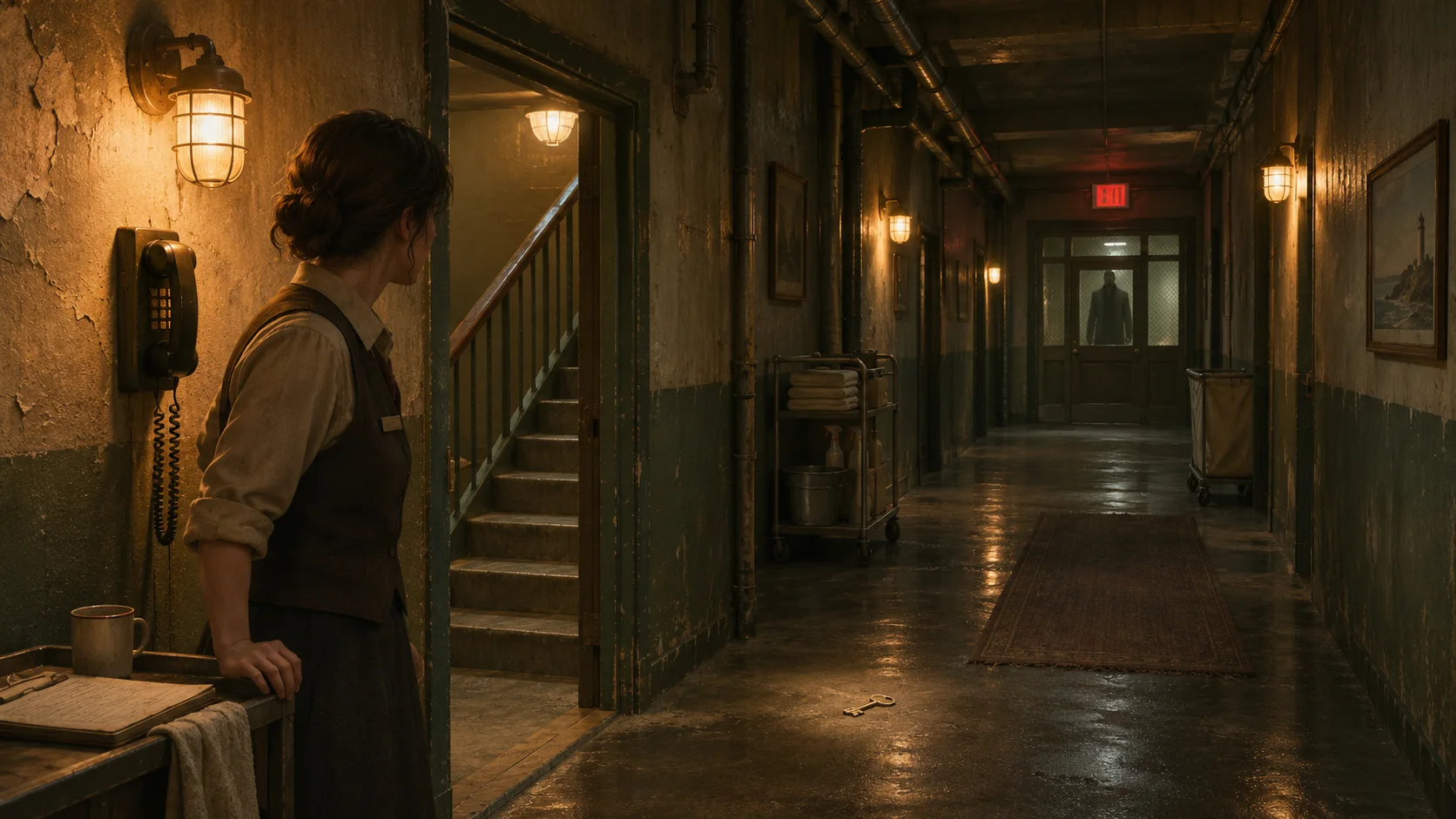
Design a short horror game scene in an abandoned coastal weather station. The player is searching for a missing radio operator. Let them inspect a silent receiver, a wet footprint that stops at a locked door, and a generator that briefly restores the lights. Keep the threat unseen in this first scene and give the player one clear next step.
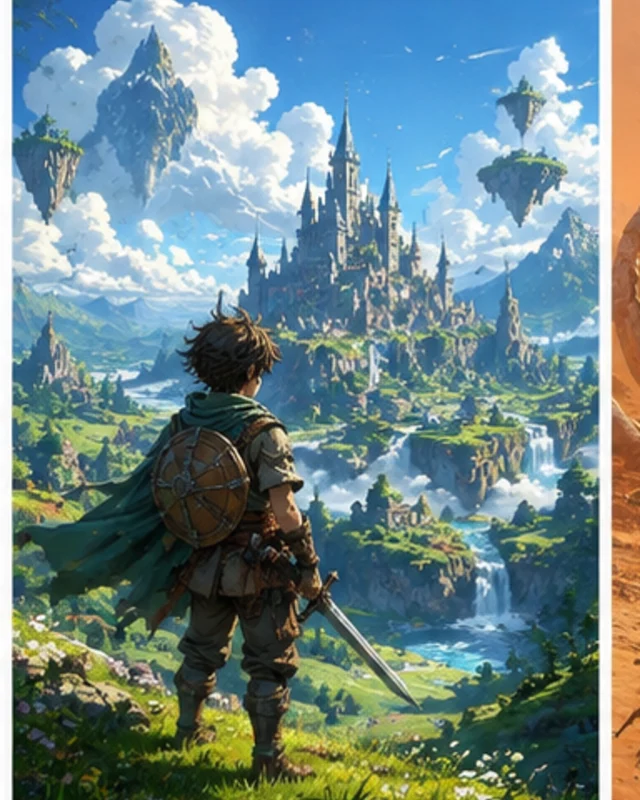 Build dread through a small discovery ↗
Why SEELE
Tie lighting, sound, and environmental details to what the player is trying to learn or do.

Give players a warning or clue before danger changes their choices.

Alternate discovery, anticipation, and relief instead of keeping every moment at maximum intensity.

Use clues and landmarks to connect the player’s actions to a next step.

Review intense sounds, imagery, and surprise events for the intended audience and offer suitable settings where the project allows.

Do not rely only on color, darkness, or audio to communicate a critical clue or threat.
Made with SEELE
These games are playable. Pick one and give it a try.
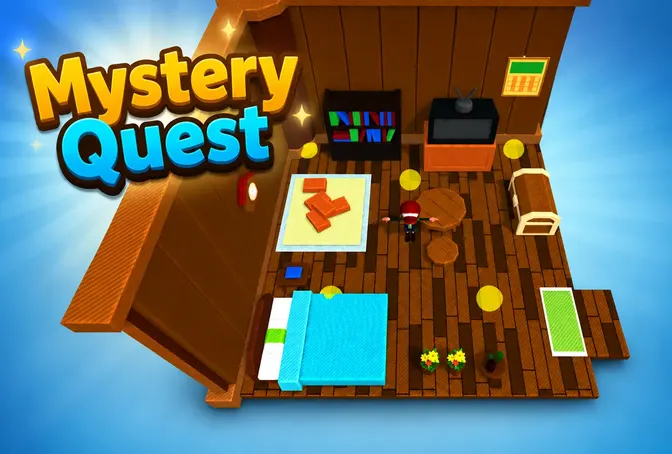 AdventureAdventure GamePlay the example ↗
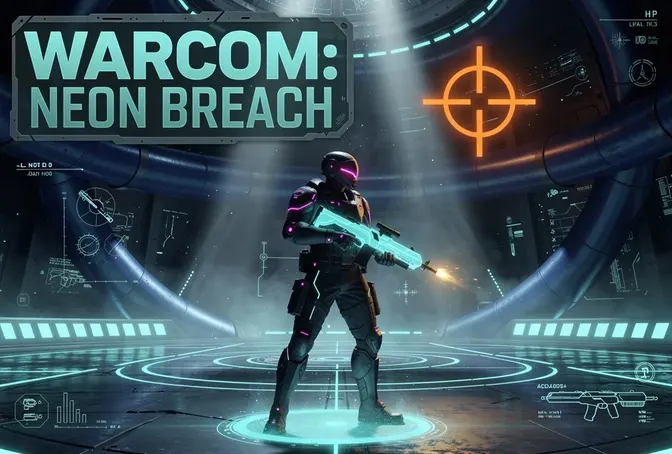 ShooterWarcom: Neon BreachPlay the example ↗
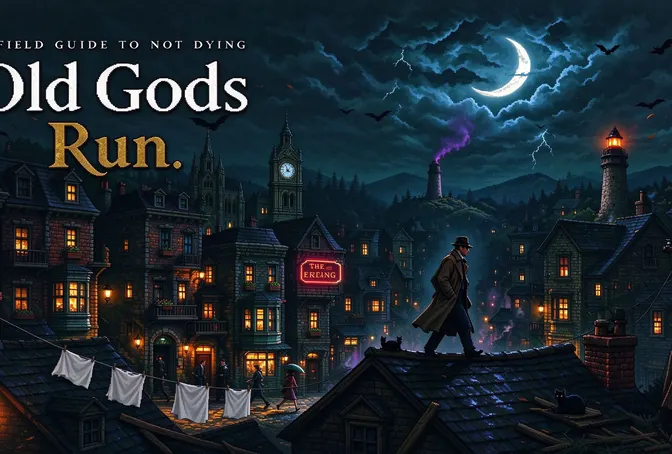 ActionOld Gods RunPlay the example ↗
 CasualCaution! Egg on the Car RoofPlay the example ↗
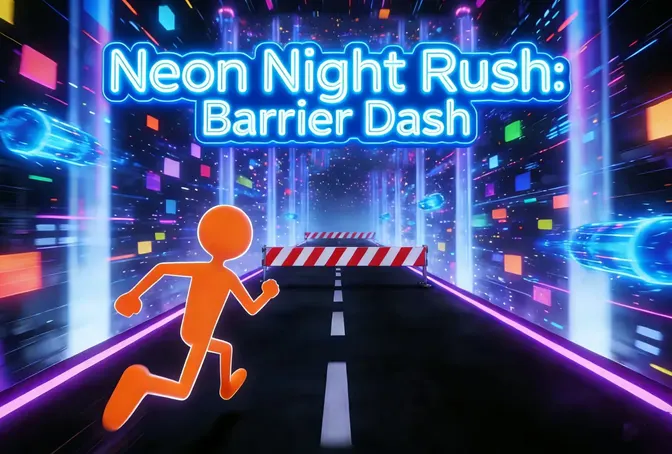 RunnerNeon Night Rush: Barrier DashPlay the example ↗
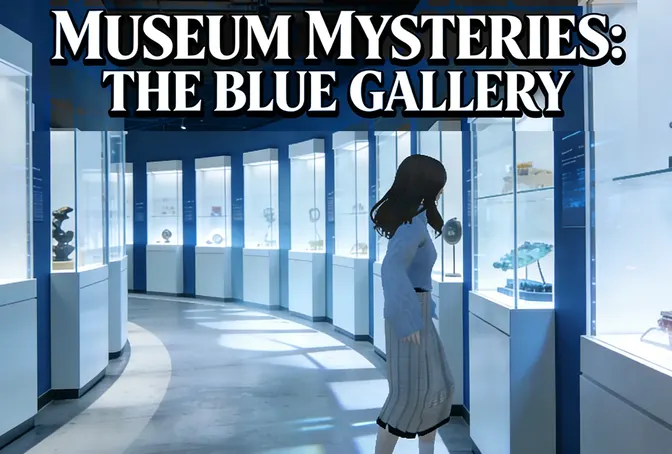 PuzzleMuseum ExhibitionPlay the example ↗
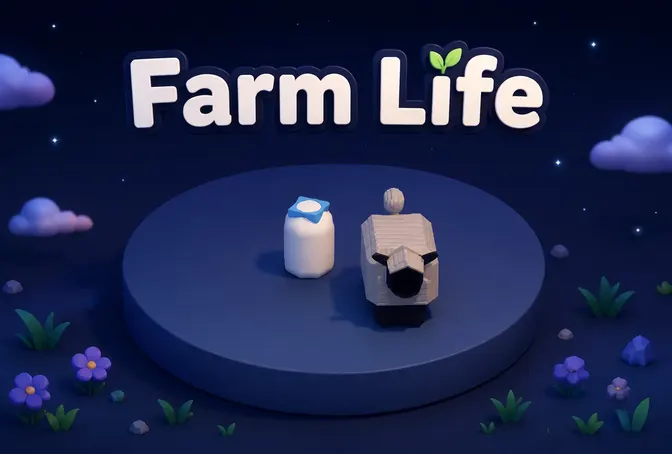 SimulationMilky Way Idle 3DPlay the example ↗
 CasualSnowfall & Starry GiftsPlay the example ↗
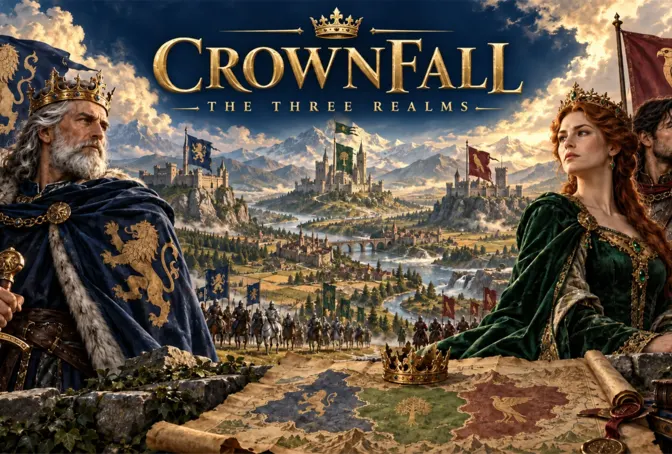 RPGCrownfall-The-Three-Realms-CoverPlay the example ↗
 SimulationFLYING CARPlay the example ↗
Who it’s for
Use one contained scene to review atmosphere and player choices before planning a longer game.
Use a short scene to try lighting, exploration, and a readable threat before building a larger level.
AI 3D Game Generator ↗
Map how a clue, discovery, or player choice changes what the character knows.
AI Game Generator from Prompt ↗
Test one resource or escape decision in a compact playable sequence.
AI Horror Game Generator ↗Compare
A short playtest can reveal whether tension comes from the design or from unclear information.
| Feature | A focused horror scene | A broad horror game concept |
|---|---|---|
| First scene | One location, one player goal, and one source of tension | A long story outline before the atmosphere is tested |
| Threat cue | A warning or clue the player can notice and respond to | A surprise event with no clear way to react |
| Pacing | A sequence of discovery, anticipation, and relief | High intensity sustained across every beat |
| Player choice | A route or action with an understandable tradeoff | A penalty that arrives without context |
| Review | Check clarity, accessibility, and content boundaries | Review mood without testing how players read the scene |
Reviews
Explore related game makers, tools, and guides for planning an interactive scene.
FAQ
It helps you shape a horror game idea into a scene or prototype direction. Start with the player’s goal, the source of tension, and the actions available when danger appears.
Build anticipation through clues, pacing, sound, and changes in the environment. Give the player enough information to understand the immediate goal and make a response.
Name the setting, player role, objective, threat, mood, and one action the player can take. Add constraints for intensity, content, or sensory cues when they matter to your audience.
Use uncertainty, environmental clues, pauses, and the possibility of a threat. Vary quiet exploration with moments of pressure so players have time to interpret what they notice.
Signal danger before it reaches the player and make the escape options understandable. Test whether players can see where to go and whether their choices affect the outcome.
A resource limit is most useful when players can see its cost and choose how to spend it. Test one resource and one decision before adding a larger inventory system.
Yes. Setting, sound, absence, and uncertain information can create tension. Make sure clues still lead players toward a goal rather than leaving them unable to act.
Review intensity for the intended audience, provide content information when appropriate, and consider volume or intensity controls. Check whether important information also has a visual or text cue.
Offer alternatives for important audio cues, distinguish interactive objects without color alone, and make objectives and controls readable in dark scenes.
Alternate exploration, discovery, anticipation, and release. Use playtest notes to find sections that feel confusing or intense for too long.
Survival horror often emphasizes danger, limited resources, and escape. Psychological horror may focus more on perception, uncertainty, and character experience; a game can combine both.
Yes. A scene can center on exploration, hiding, puzzles, or escape. Describe how the player responds to danger and what counts as reaching safety.
Ask someone to play without explaining the intended route. Watch whether they notice the clues, understand the objective, and can identify what choices are available.
Check content boundaries, accessibility, performance, controls, age rating, and rights for all assets. Playtest intense scenes with people who understand the intended audience.
Choose a setting, a player goal, and one source of tension to test.
Start a horror game idea →