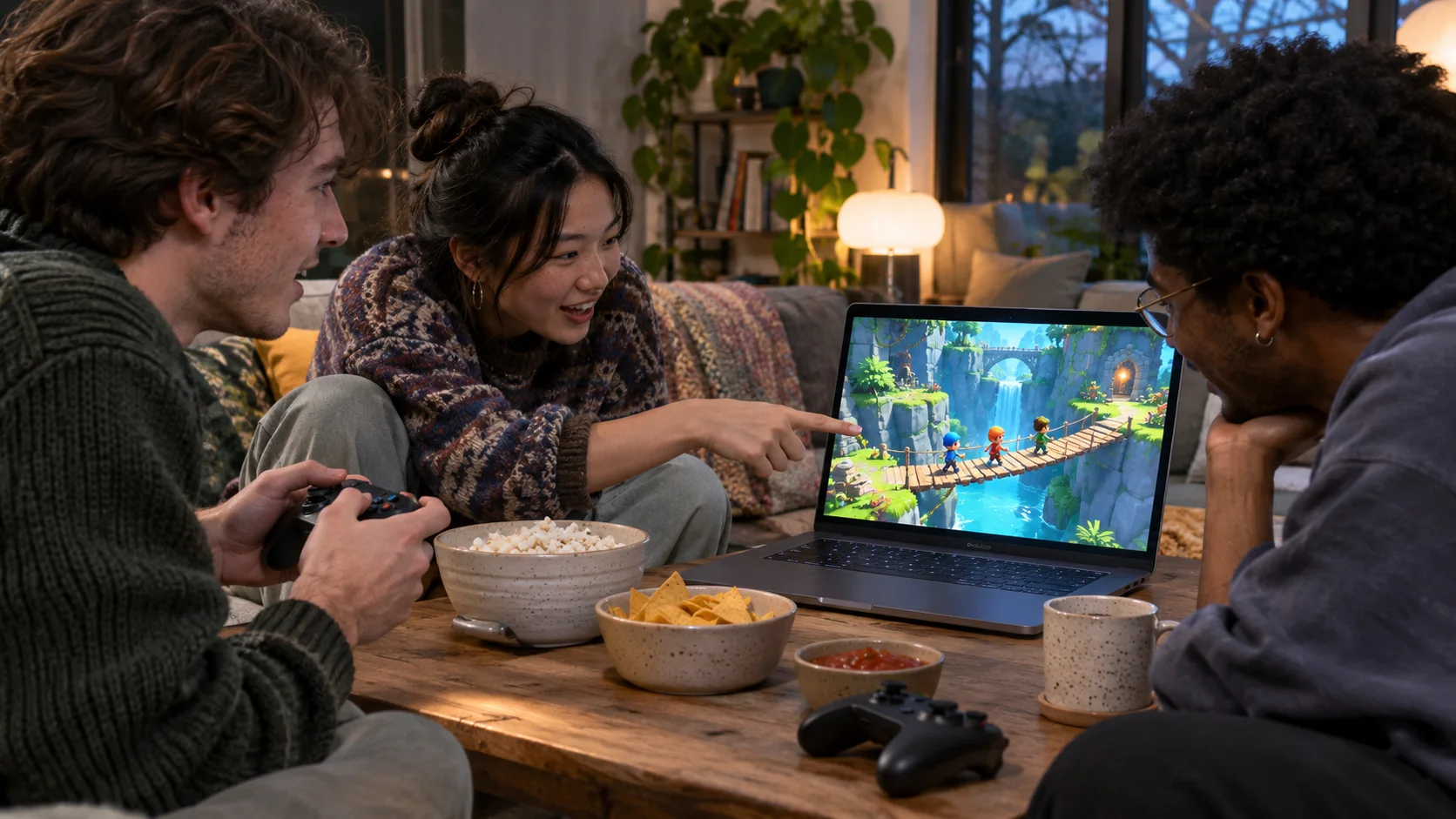


Start with a player count
Choose how many people take part and whether they share a screen, take turns, or play in separate sessions.

Give each player a reason to cooperate, compete, or make a different choice. Shape a small multiplayer concept by defining player roles, the shared objective, and interaction rules. Begin with one scenario your team can discuss and test before expanding the mode.
Partners and teams

















How it works
Sketch a candy-colored coaster, build the track in SEELE, and take it for a spin.
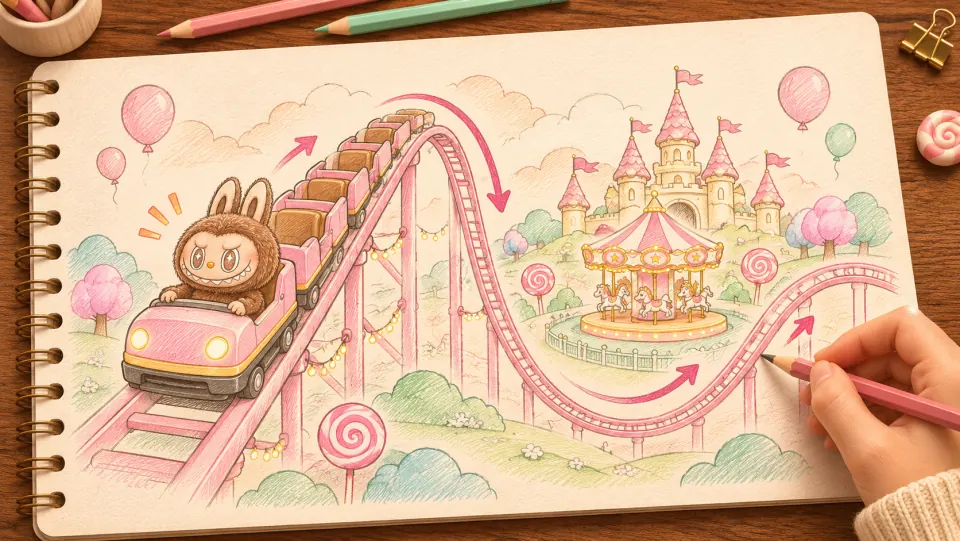
Picture Labubu riding a pink coaster through a candy-colored park. Sketch where the train climbs, drops, and sweeps past the carousel.
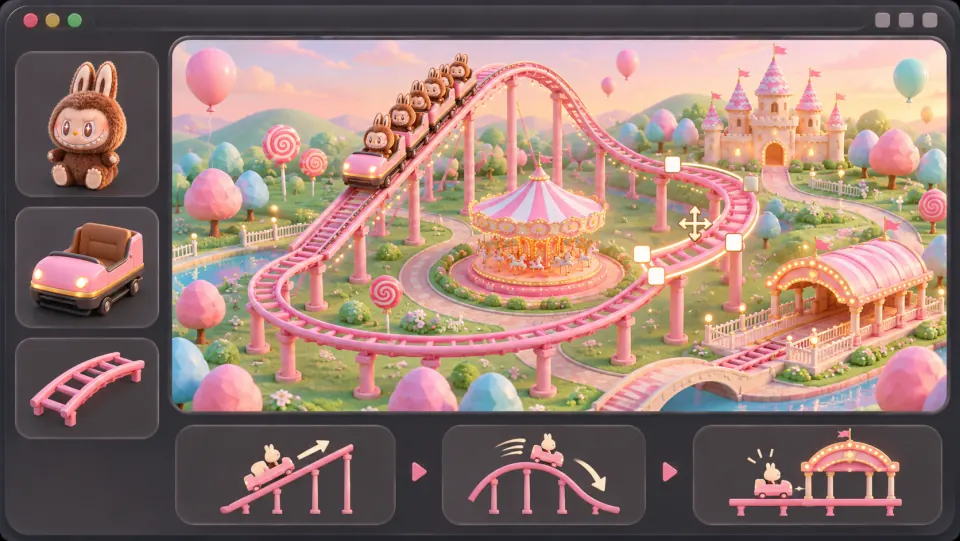
Ask seeleAgent to lay out the track, add the train and riders, and connect the lift hill and banked turns into a loop that returns to the station.

Open the game preview and follow the train through a full lap. Watch how it climbs, picks up speed on the drop, and leans through the turn.
Make a game for freePick a starting point
Explore a co-op objective, player roles, match rules, or a first playtest.
Define what the group is trying to accomplish and what each player can contribute.
Design a co-op game scenario for two players restoring power to a flooded research station. One player can access the control room while the other can move through submerged maintenance tunnels. Give them one shared objective, a timed hazard they can see coming, and a way to communicate if they get separated. Keep the scenario short enough to explain in a minute.
 Make cooperation necessary ↗
Why SEELE
Choose how many people take part and whether they share a screen, take turns, or play in separate sessions.

State what players are trying to achieve together or against one another, and how they know the round is over.

Describe what each player can do and what information or tools they have.

Decide how players communicate, take turns, share resources, or respond to another player’s action.

Ask whether every player has a useful decision and whether one role can solve the challenge alone.

Try one short match or co-op encounter, then revise the rule that caused the most confusion.
Made with SEELE
These games are playable. Pick one and give it a try.
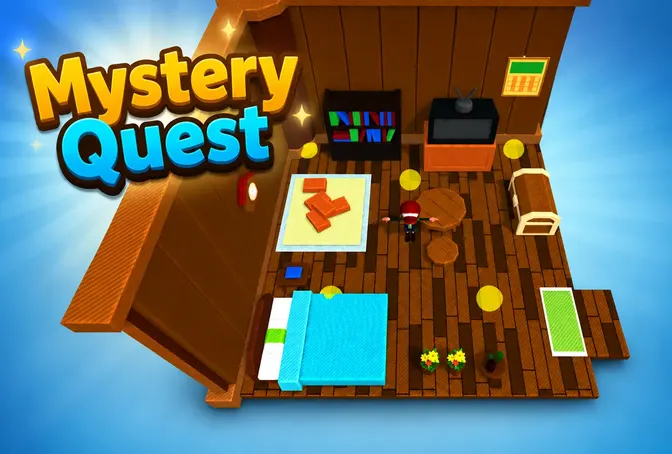 AdventureAdventure GamePlay the example ↗
 ShooterWarcom: Neon BreachPlay the example ↗
 ActionOld Gods RunPlay the example ↗
 CasualCaution! Egg on the Car RoofPlay the example ↗
 RunnerNeon Night Rush: Barrier DashPlay the example ↗
 PuzzleMuseum ExhibitionPlay the example ↗
 SimulationMilky Way Idle 3DPlay the example ↗
 CasualSnowfall & Starry GiftsPlay the example ↗
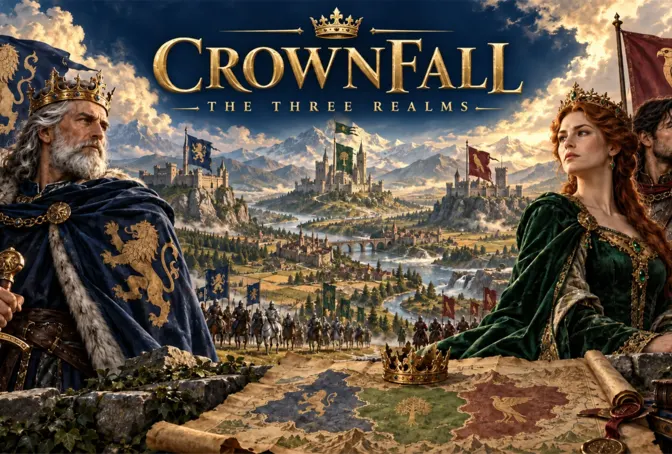 RPGCrownfall-The-Three-Realms-CoverPlay the example ↗
 SimulationFLYING CARPlay the example ↗
Who it’s for
Use a compact scenario to discuss player interaction before expanding the design.
Compare player roles and a shared objective before planning a larger multiplayer mode.
AI Game Generator ↗
Write down the round structure and win condition so teammates can agree on what to try first.
Browser 3D Game Maker ↗
Use a short scenario to find unclear responsibilities, unfair advantages, or players who have too little to do.
AI Branching Story Game Generator ↗Compare
A clear plan helps teams agree on what to test. Online play still depends on implementation, networking, and testing.
| Feature | Plan with SEELE AI | Plan directly in a game project |
|---|---|---|
| First design question | What do players do together or against each other? | Set up a project before the player interaction is clear. |
| Player roles | Compare each role’s actions and information in one scenario. | Define roles across separate design notes. |
| Match structure | State how play starts, scores, and ends. | Add round rules while building the mode. |
| Early review | Check one short scenario for clarity and balance. | Wait until more of the mode is implemented. |
| Technical work | Networking, synchronization, hosting, and testing still need implementation. | Networking, synchronization, hosting, and testing still need implementation. |
Reviews
Explore related game makers, guides, and tools for planning an early game concept.
FAQ
It helps shape a multiplayer game idea into a plan that is easier to discuss and review. Start with the player count, what players do together or against each other, and how a round ends.
Give players one shared objective and define what each person can contribute. A useful first scenario creates a reason to coordinate without making either player wait for long stretches.
Give roles distinct actions, information, or constraints. Then check whether each role matters to the objective and whether one player can complete the scenario alone.
Include player count, platform assumptions, the core interaction, team or versus structure, round length, and win condition. Name one scenario to test rather than describing a whole online game.
Start with symmetrical rules and comparable opportunities. Test whether players understand scoring, whether one strategy dominates, and whether a player can recover after falling behind.
In co-op, players work toward a shared outcome. In versus play, they compete for an individual or team result. Each mode should explain its goal and rules.
This page helps you plan a multiplayer concept. Networking, synchronization, matchmaking, hosting, and platform support depend on your game project and still need to be implemented and tested.
Decide what information players need to share and which communication methods fit the game. Treat voice chat and external services as separate product and implementation choices.
Ask players to complete a short objective and observe whether each person has a meaningful action. If one player can do everything or has nothing to contribute, revise the role or scenario.
Keep it to one short match or encounter with a clear start and end. A compact test makes it easier to spot unclear rules and balance problems.
State a tie rule before testing. You might share the result, compare a secondary objective, or replay a round, depending on the kind of competition you want.
Yes. Specify whether players share a screen or take turns, then describe how the interface communicates each player’s actions and status.
A written scenario can clarify the interaction before you choose tools. A working multiplayer build requires an implementation environment and technical decisions suited to your platforms and network model.
Test role balance, connection behavior, privacy and safety needs, accessibility, moderation requirements, and platform rules in the actual build. Checks depend on the audience and features you implement.
Set the player count, define the shared or opposing goal, and choose one short interaction to review.
Start a multiplayer idea →