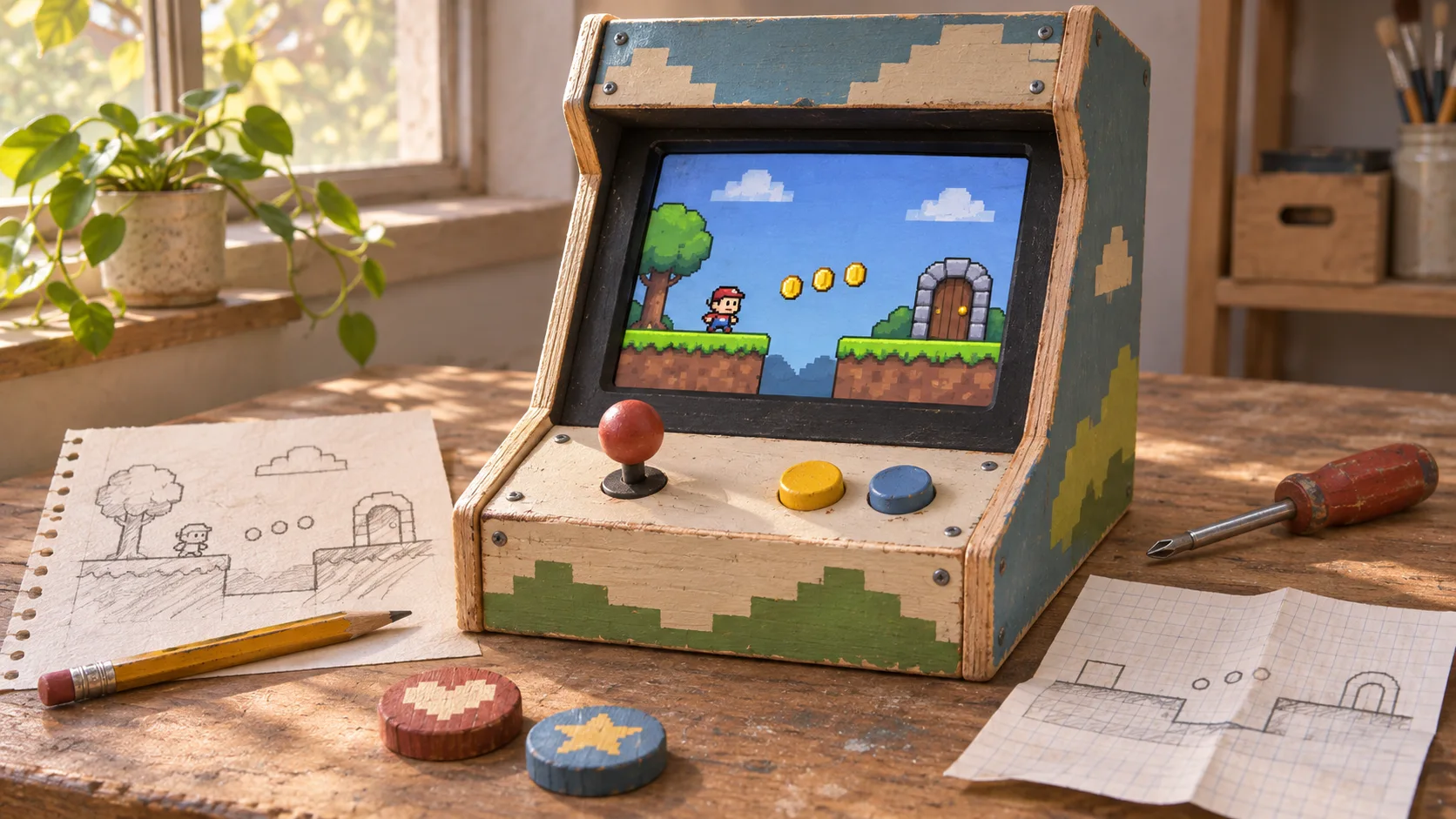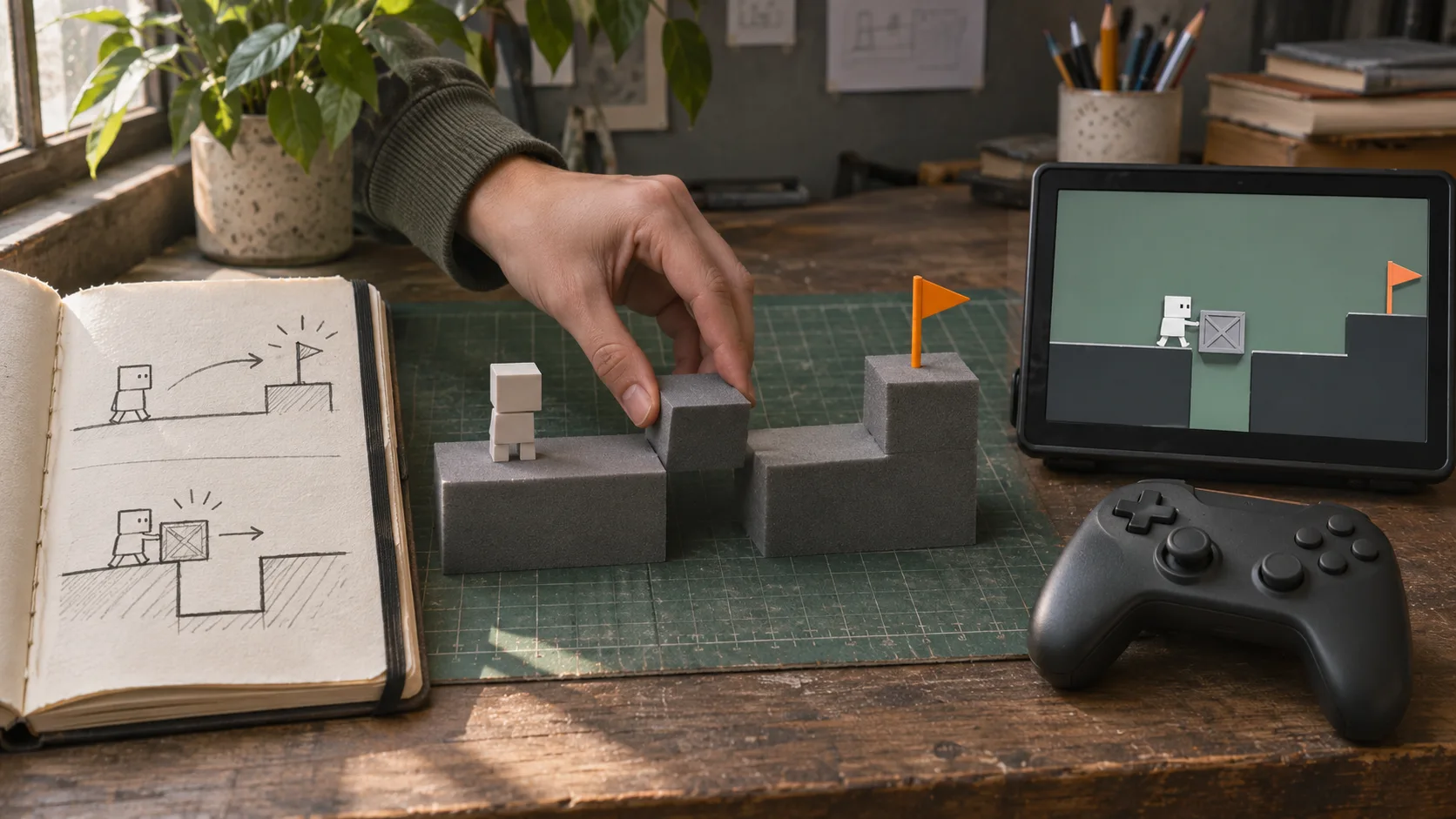

Make the routine visible
Show planting, growth, and harvest as distinct changes.

Choose a crop cycle, a resource limit, and a change the player can see. Give players a small plot, a few seeds, and a reason to tend each bed. Show how watering, weather, and harvest change the farm, then test whether the next task is clear.
Partners and teams

















How it works
Start with a quest idea, build it in SEELE, and play it through from start to finish.
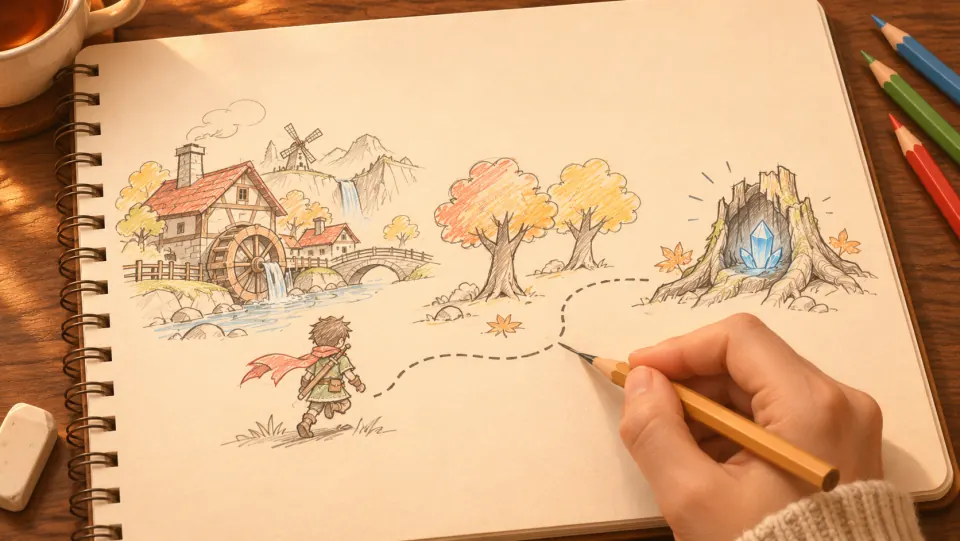
A miller asks for help. The player heads into the forest, finds a crystal, and brings it back for a reward.
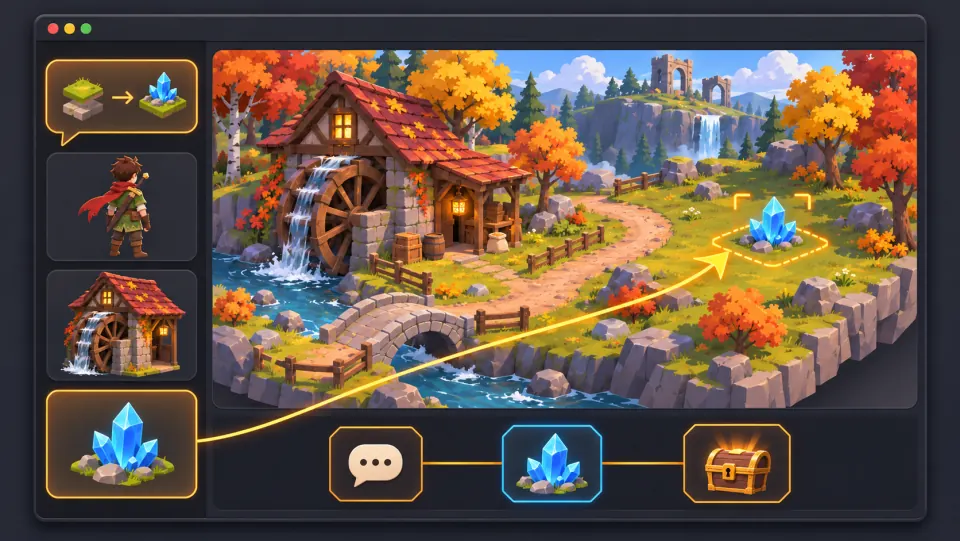
Ask seeleAgent to create the village and forest, add the miller and the crystal, and set up the dialogue, pickup, and reward.
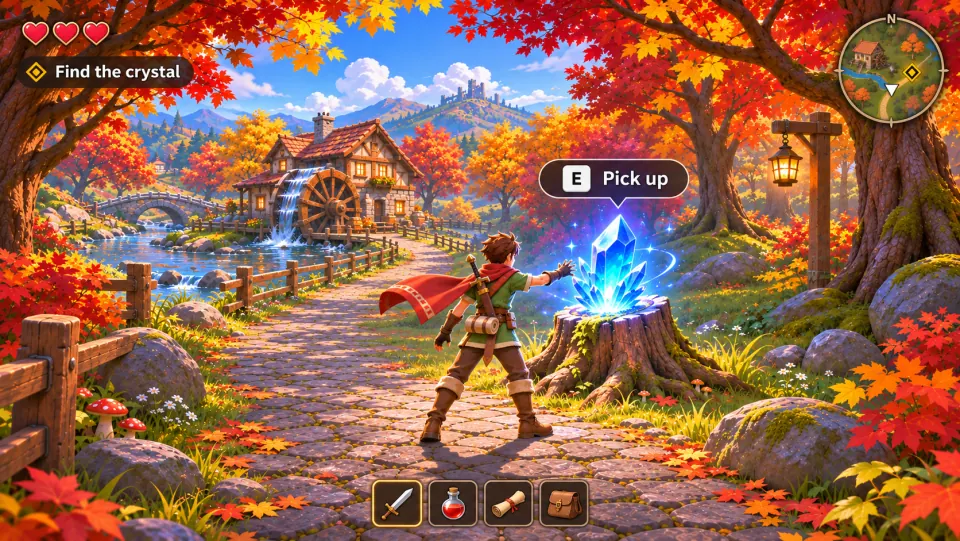
Take the quest, press E to pick up the crystal, and bring it back to the miller to claim your reward.
Make a game for freePick a starting point
Connect a small garden to one batch of tea so each harvest has a purpose.
Create a cozy garden and tea-stall game. Plant mint and chamomile in three beds, water them, and harvest enough herbs to serve two lakeside visitors. Show which beds are ready, record the first recipe, and let the player plan the next batch without a countdown.
 Grow herbs for a lakeside tea stall ↗
Why SEELE
Show planting, growth, and harvest as distinct changes.

Use weather or daylight to shape choices without punishing missed days.

Let familiar tasks unlock a new crop, tool, or place to explore.

Tie requests to the farm’s current season or available produce.

Offer a short task list alongside optional activities.

Check that crop timing gives players useful things to do between harvests.
Made with SEELE
These games are playable. Pick one and give it a try.
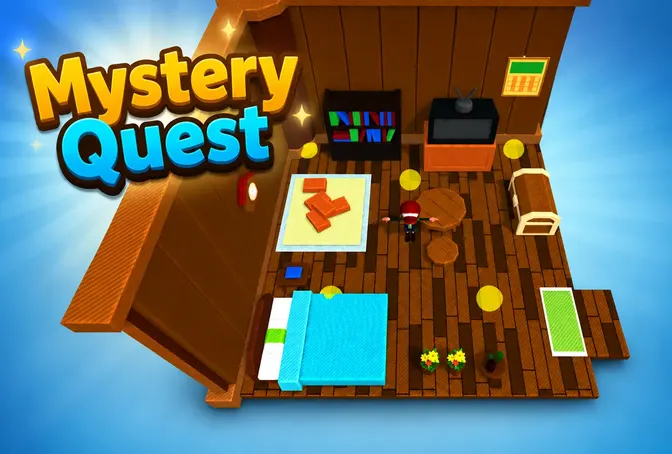 AdventureAdventure GamePlay the example ↗
 ShooterWarcom: Neon BreachPlay the example ↗
 ActionOld Gods RunPlay the example ↗
 CasualCaution! Egg on the Car RoofPlay the example ↗
 RunnerNeon Night Rush: Barrier DashPlay the example ↗
 PuzzleMuseum ExhibitionPlay the example ↗
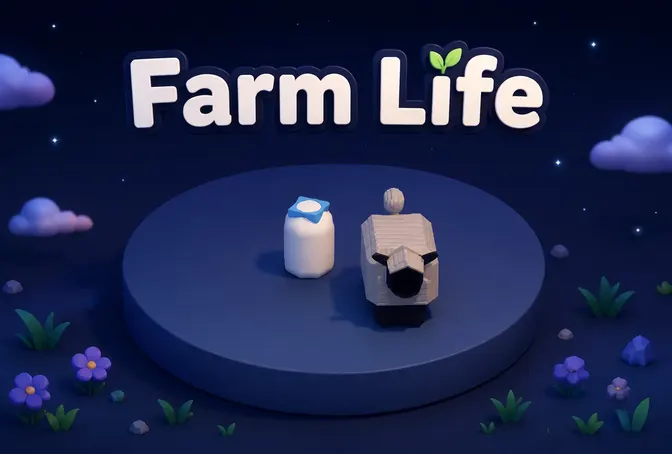 SimulationMilky Way Idle 3DPlay the example ↗
 CasualSnowfall & Starry GiftsPlay the example ↗
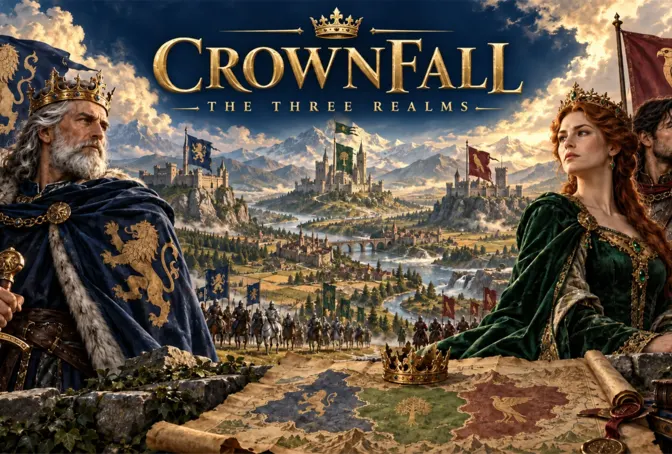 RPGCrownfall-The-Three-Realms-CoverPlay the example ↗
 SimulationFLYING CARPlay the example ↗
Who it’s for
Shape crop cycles, resource choices, and visible changes across a small plot.
UEFN IAP Delivery for Game Designers ↗
Test how a limited resource affects a repeatable daily routine.
Game Generator AI Free ↗
Build one complete planting-to-harvest loop before adding a larger farm.
AI game generator workflow ↗Reviews
FAQ
It helps shape a farming-game concept around planting, care, harvest, and the decisions that connect them. Start with one plot and a complete crop cycle.
Show the player how to plant, tend, and harvest one crop. Make the time or action needed for each stage visible so the loop can be tested.
Use distinct visual states for planted, growing, and ready crops. A short label or animation can explain what changed after watering or waiting.
Let weather change a choice without making progress feel arbitrary. Give players a forecast or environmental cue, then provide a response such as watering or changing the planting plan.
Give the player fewer watering actions than beds and make each crop’s state visible. Check whether players can explain why they chose one bed over another.
Let one task prepare or improve the next: compost helps a bed, harvested produce supports a market stall, or a repaired path makes another plot reachable.
Give a character a request that connects to a crop or place the player already knows. Show how completing it changes a relationship, object, or available task.
Keep the first day short enough to learn the routine. Add a new decision only after players know how planting, time, and harvest relate.
Choose a consequence that matches the game’s tone, explain it before it happens, and let players recover if the design is meant to feel forgiving.
Tie a new bed or tool to a clear milestone, such as completing a harvest or helping a neighbor. Let players see what the expansion changes.
It can be designed around shared tasks or divided roles, but test whether players know who is tending each plot and how they coordinate a harvest.
Try a garden that supplies a tea stall. Show which crops are ready, which ingredients each recipe needs, and how the queue changes when you serve an order. Start with two visitors and one recipe before adding stock limits or stall upgrades.
Name the plot, crops, growth stages, one resource choice, the day’s goal, and the visible result of a harvest. Add a boundary such as a small farm or short play session.
See whether players know what to plant, what needs attention, and when a crop is ready. Note which feedback they miss before expanding the farm.