

Give every character a point of view
Build characters from goals, boundaries, and the way they respond under pressure.

Give each relationship a voice, a turning point, and room to change. Outline an original dating sim with distinct characters, a clear player role, and choices that affect the story. Start with one scene or route, then review tone, pacing, and how each decision changes the relationship.
Partners and teams

















How it works
Build your own single-player racing game. Design a coastal track, add nitro boosts and checkpoints, then race against the clock.

Imagine a silver sports car racing past waterfalls, cherry blossoms, and neon gates.
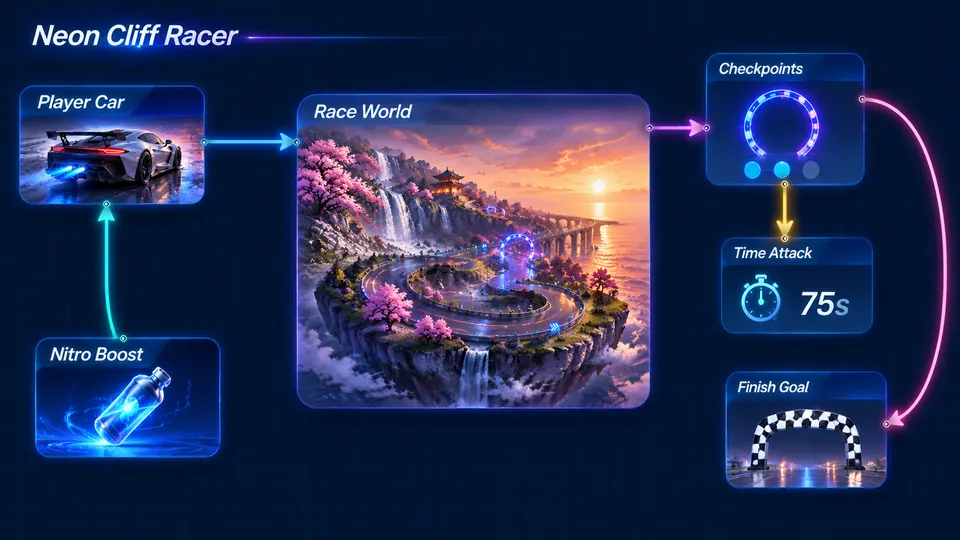
Connect your sports car, coastal track, checkpoints, nitro boost, and finish line.
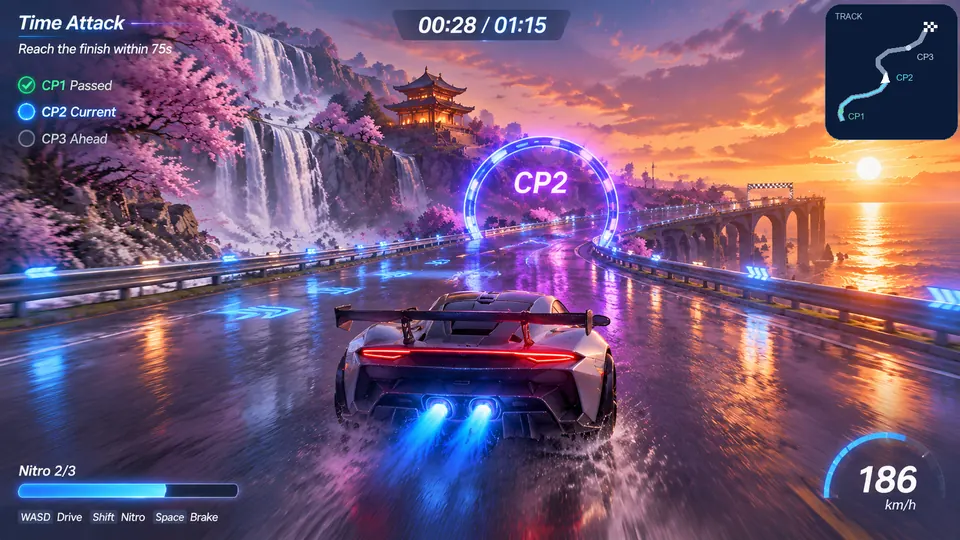
Drive through three neon gates, activate nitro, and finish within 75 seconds.
Make a game for freePick a starting point
Develop a first meeting, distinct voices, route beats, or choice consequences.
Establish the player’s role and let a character’s priorities surface through action.
Write the first meeting for an original campus dating sim. The player is helping reopen a student-run radio station. Introduce a meticulous sound engineer who wants to preserve the station’s archive and a confident host who wants to relaunch it with a live show. End with a choice about which project to support, and let both characters remain sympathetic.
 Open with a scene that reveals character ↗
Why SEELE
Build characters from goals, boundaries, and the way they respond under pressure.

Give the player a role and an action that moves the relationship story forward.

Map a few scenes and decisions before outlining a full route.

Use rhythm, vocabulary, and reactions to help each character sound different.

Show how an answer changes trust, plans, or the next conversation.

Treat privacy and consent as part of the story rather than a shortcut to romance.
Made with SEELE
These games are playable. Pick one and give it a try.
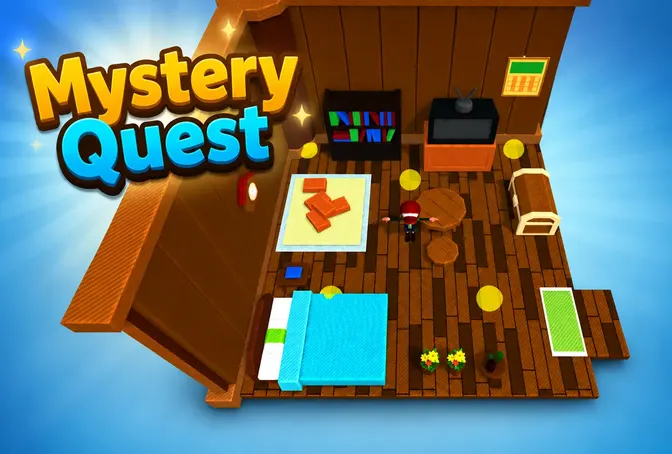 AdventureAdventure GamePlay the example ↗
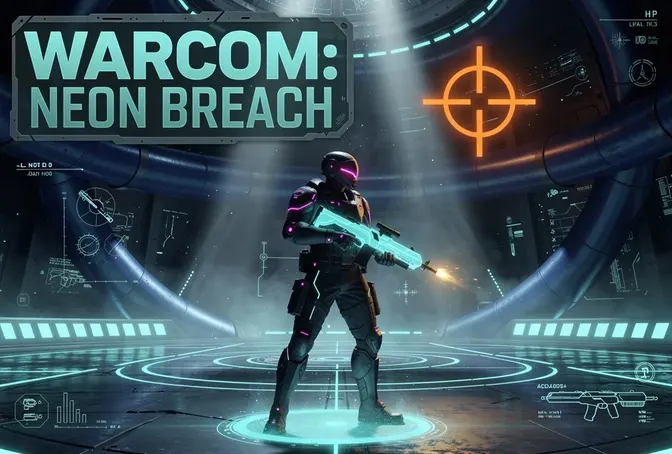 ShooterWarcom: Neon BreachPlay the example ↗
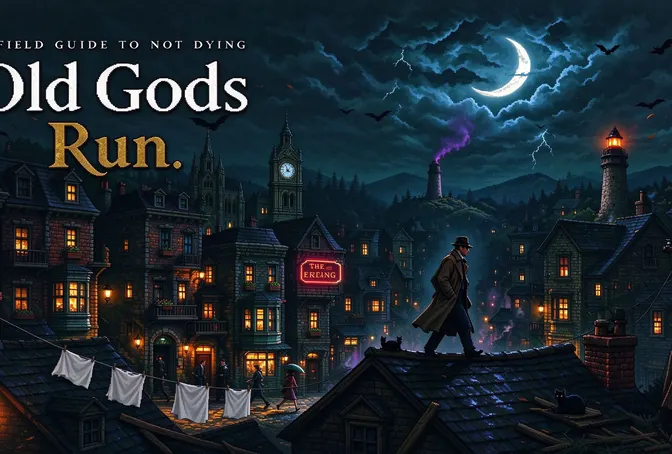 ActionOld Gods RunPlay the example ↗
 CasualCaution! Egg on the Car RoofPlay the example ↗
 RunnerNeon Night Rush: Barrier DashPlay the example ↗
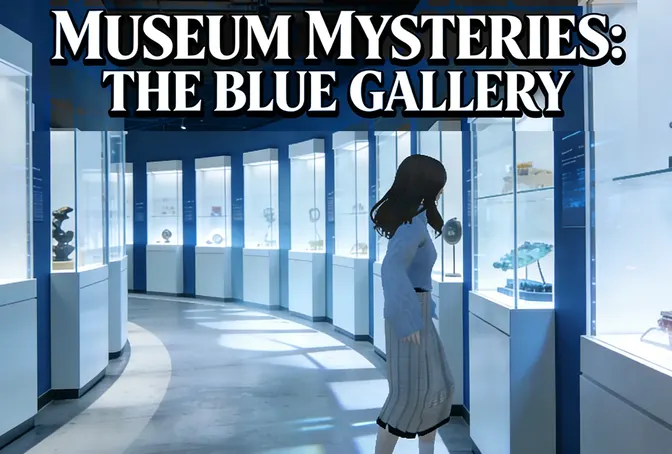 PuzzleMuseum ExhibitionPlay the example ↗
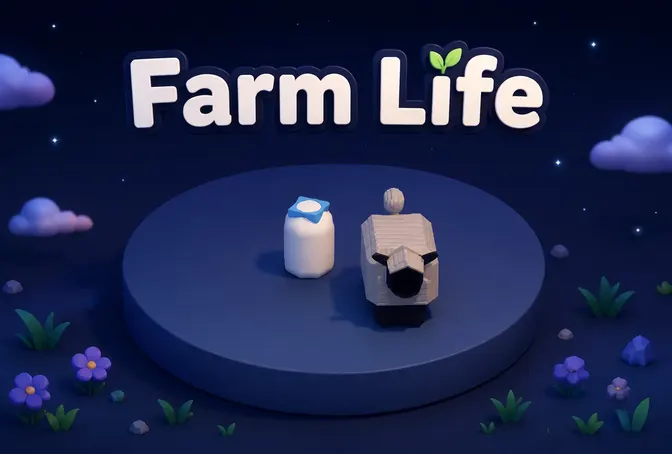 SimulationMilky Way Idle 3DPlay the example ↗
 CasualSnowfall & Starry GiftsPlay the example ↗
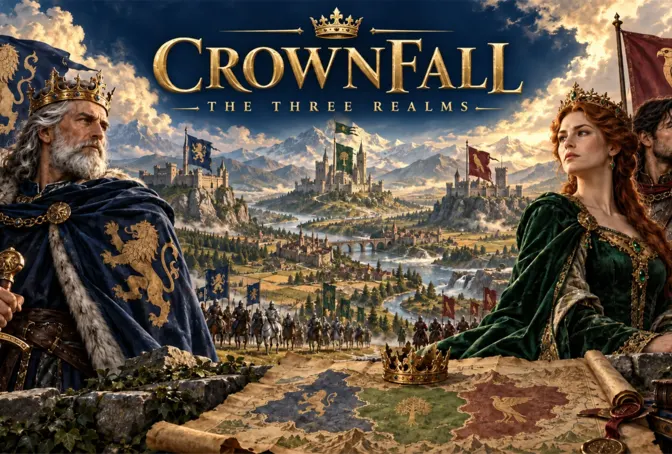 RPGCrownfall-The-Three-Realms-CoverPlay the example ↗
 SimulationFLYING CARPlay the example ↗
Who it’s for
A focused route outline helps writers and small teams review character arcs before scripting.
Develop a premise, cast, and relationship turning point.
AI Game Generator from Prompt ↗
Map a compact route and find gaps before scripting scenes.
UEFN IAP Delivery for Game Designers ↗
Connect dialogue options to visible changes in story or trust.
Election Night Simulator ↗Compare
A relationship story works when characters have their own motives and choices affect what happens next.
| Feature | A character-driven dating sim outline | A sequence of disconnected romance scenes |
|---|---|---|
| Characters | Each has a goal, voice, and boundary | Characters exist only to approve the player |
| Player role | The player has a reason to join the story | The player is an undefined observer |
| Choices | Decisions change dialogue, plans, or trust | Choices alter only the next line |
| Route | A few scenes build toward a clear emotional turn | A long route with no turning point |
| Tone | Romance develops at a character-appropriate pace | Intimacy is treated as an automatic reward |
Reviews
Explore related game creation pages and interactive story guides.
FAQ
It can help outline an original premise, cast, dialogue scene, route, or choice. Review whether characters have clear motives and whether player decisions change the story.
A written outline or scene is not a finished game. A complete release still needs scripting, art, implementation, accessibility review, and playtesting.
Give each character different goals, boundaries, vocabulary, and ways of reacting. Let those traits show through decisions and dialogue.
You can outline scenes, dialogue options, and route consequences. Check that branches remain coherent and lead toward an intentional emotional turn.
Decide what changes after each option, such as trust, a plan, or a later conversation. Make those changes visible to the player.
Yes. Describe the relationship the player can build and avoid assuming every route must become romantic.
Let characters state preferences and boundaries, and make the player’s response matter. Do not frame pressure or ignored consent as a successful route.
It can draft dialogue ideas. Review the tone, character voice, age suitability, and whether the scene respects the characters’ established boundaries.
You can choose a setting, but define the characters’ roles and intended audience clearly. Review age, power dynamics, and content suitability for the final game.
Check the current product terms and review the text for originality, rights, and third-party material before release.
Confirm the current Workspace features for image generation. A text description does not guarantee a finished or production-ready character image.
Available export and integration options depend on the current Workspace. Verify the formats and test them in your chosen authoring tool.
Start with one short route or a few scenes. Use playtests to check whether the choices read clearly before expanding the cast.
Check story continuity, branching paths, accessibility, content suitability, rights, and whether the game communicates its themes clearly.
Describe the player’s role, the characters involved, and what changes after the decision.
Plan a dating sim scene →