
Give the protagonist a reason to act
A personal goal makes a quest feel connected to the character instead of a list of errands.

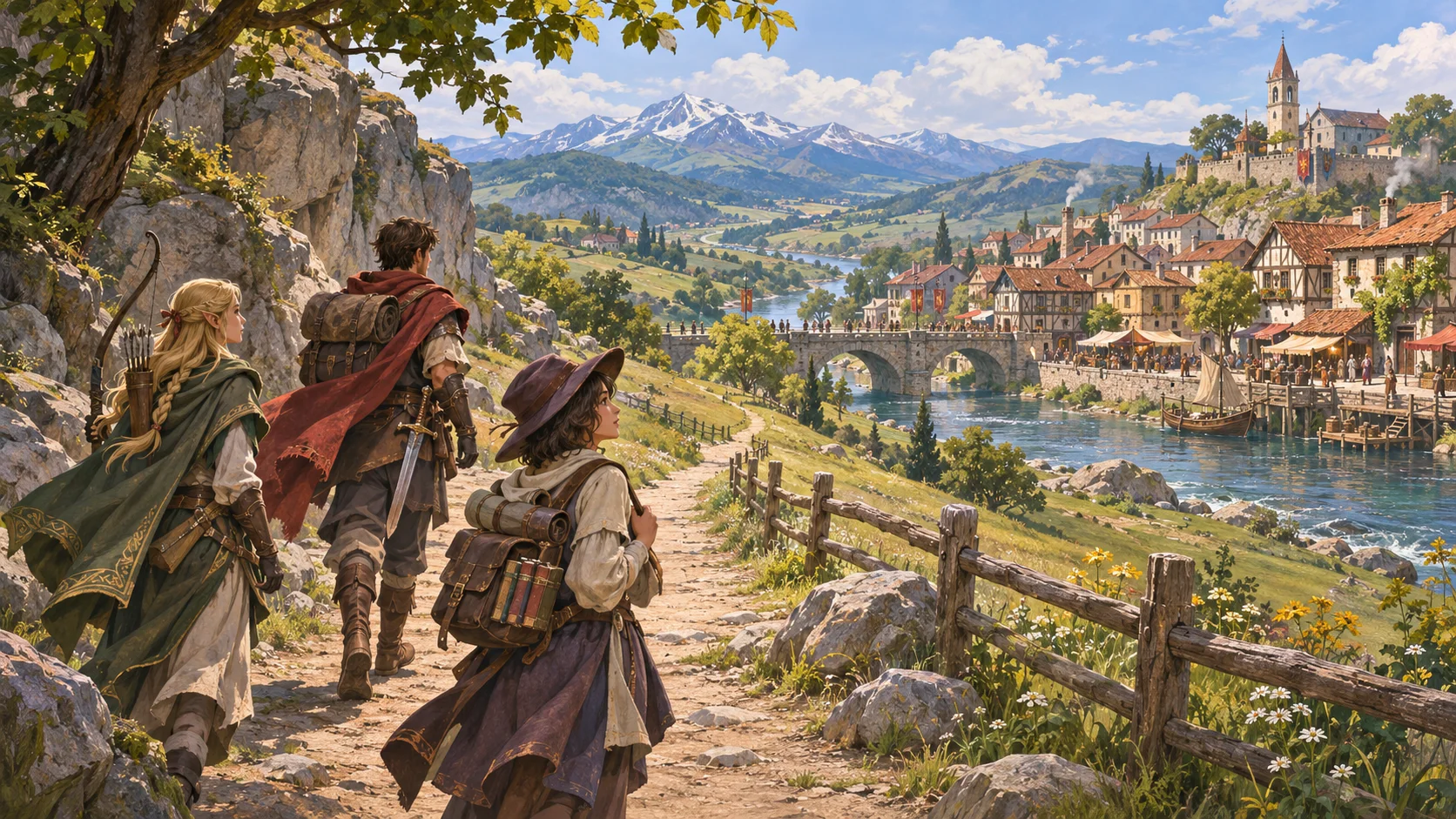
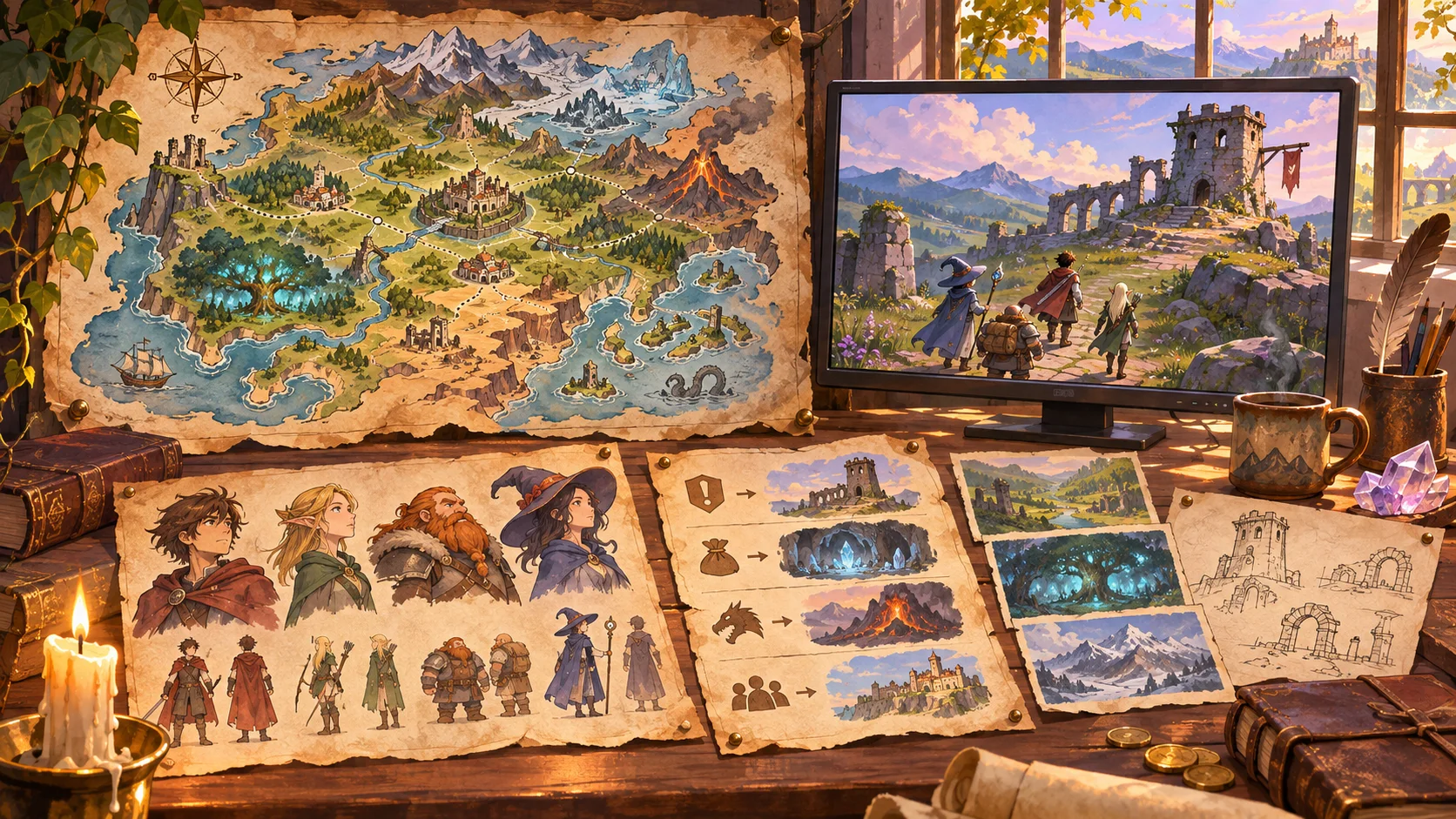
Start with a character goal, not a lore dump. Describe a playable scene, the quest objective, and the choice that changes what happens next. Build one short route, then check whether the characters, world, and reward stay consistent.
Partners and teams

















How it works
Start with one machine, automate collection, and give players a reason to save up for an upgrade.
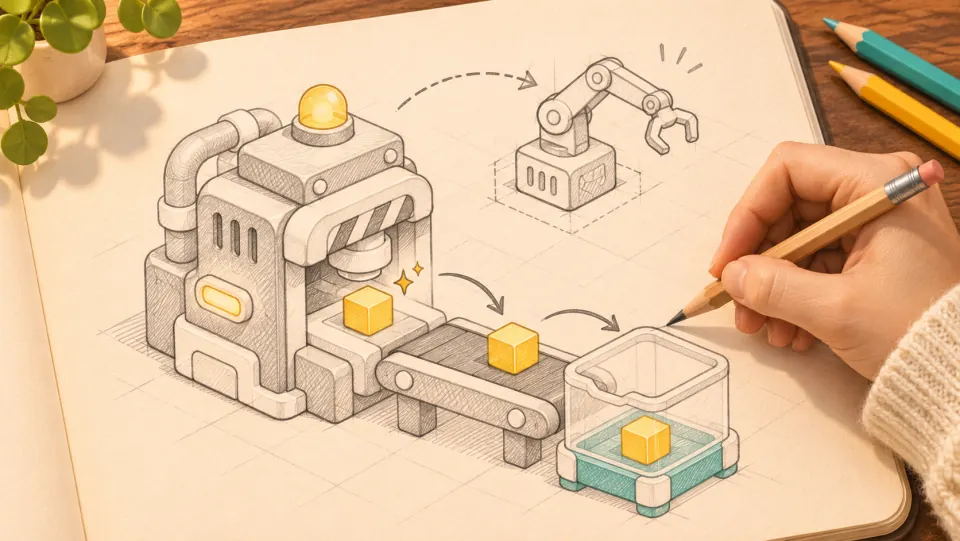
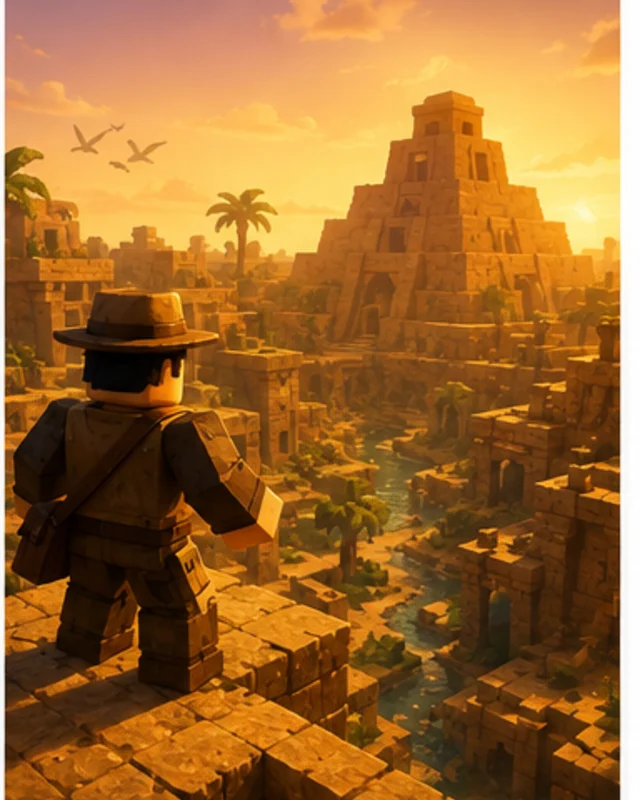
Players collect gold cubes for coins, then spend those coins on a robot arm that takes over collection.
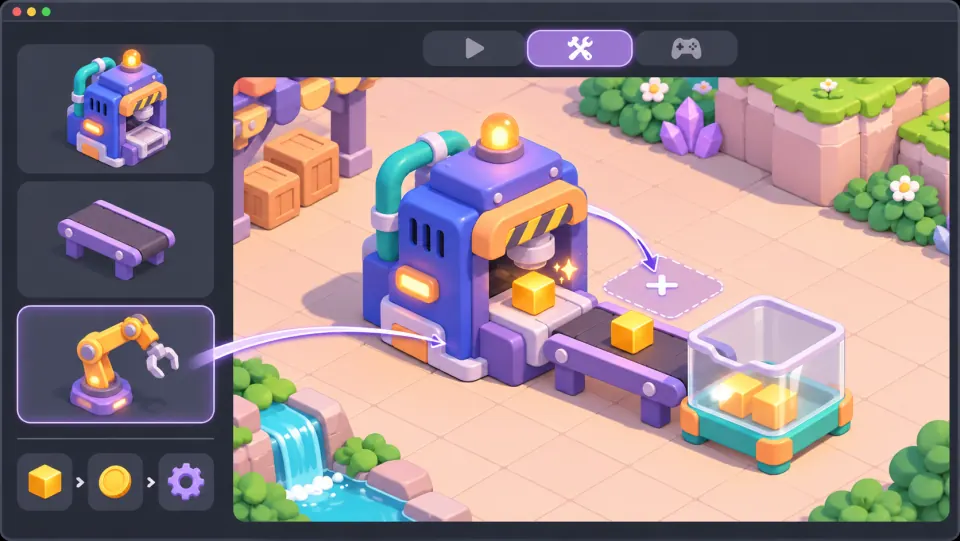
Ask seeleAgent to add the press, conveyor, and robot arm. Set how fast cubes come out, what they earn, and what upgrades cost.
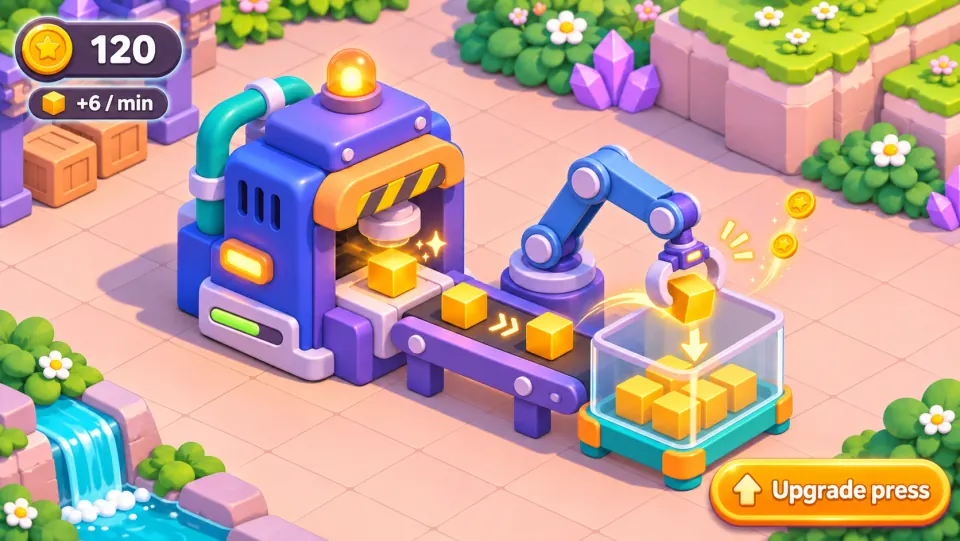
Watch the arm collect cubes. When you have enough coins, upgrade the press and see how much faster the line runs.
Make a game for freePick a starting point
Try a quest, a readable combat encounter, a meaningful skill choice, or a small discovery route.
Use a destination, a clue, and a character who needs something. Check whether the player can tell what to do next without a long lore explanation.
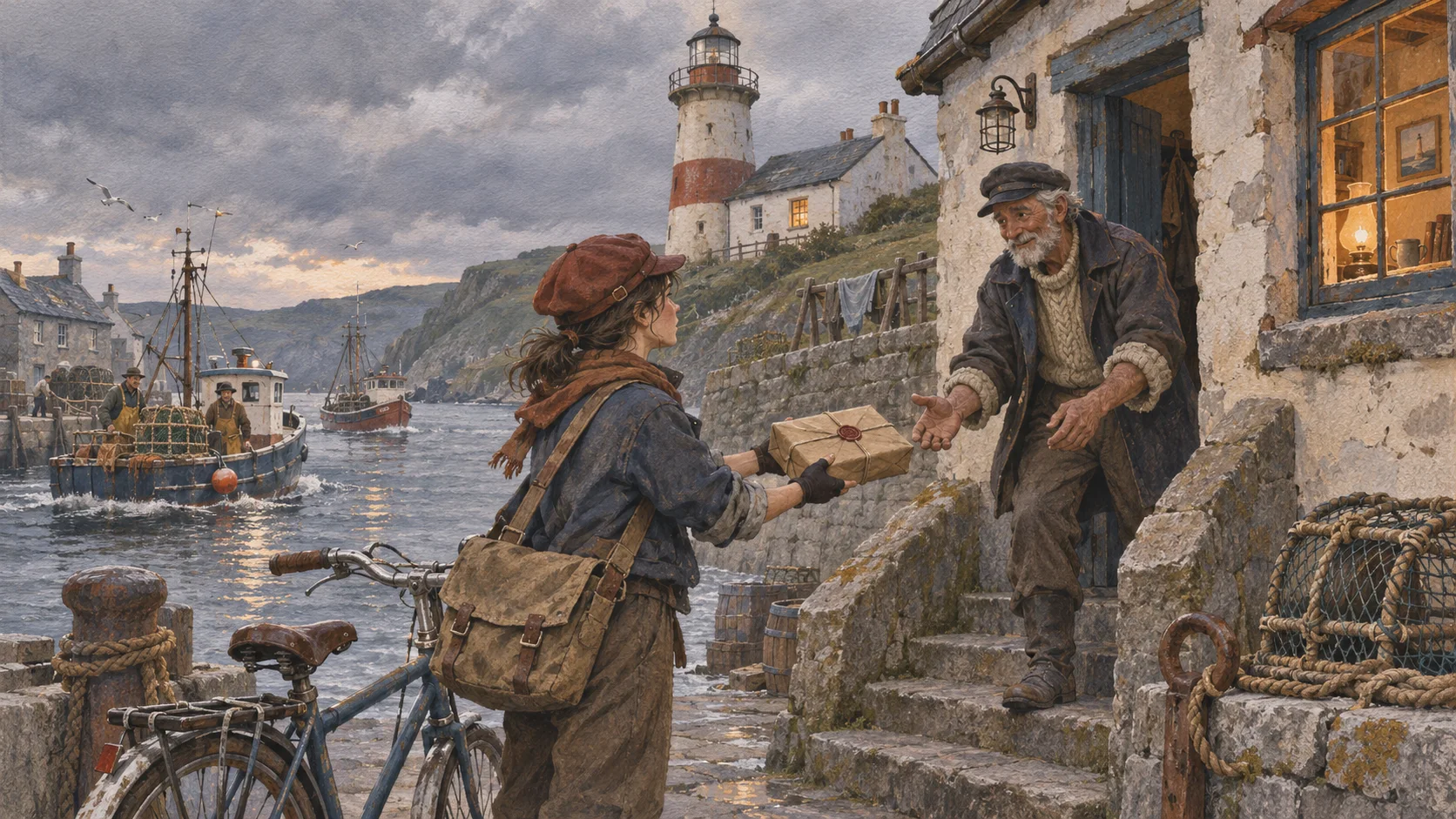
Write a short fantasy RPG quest in the hill village of Brackenmere. A courier has lost a sealed ledger on the path to the old mill. The player can ask the miller about a bell they heard or follow muddy bootprints by the creek; each route should reveal a different clue and lead to the ledger. End with a choice about whether to return it unopened.
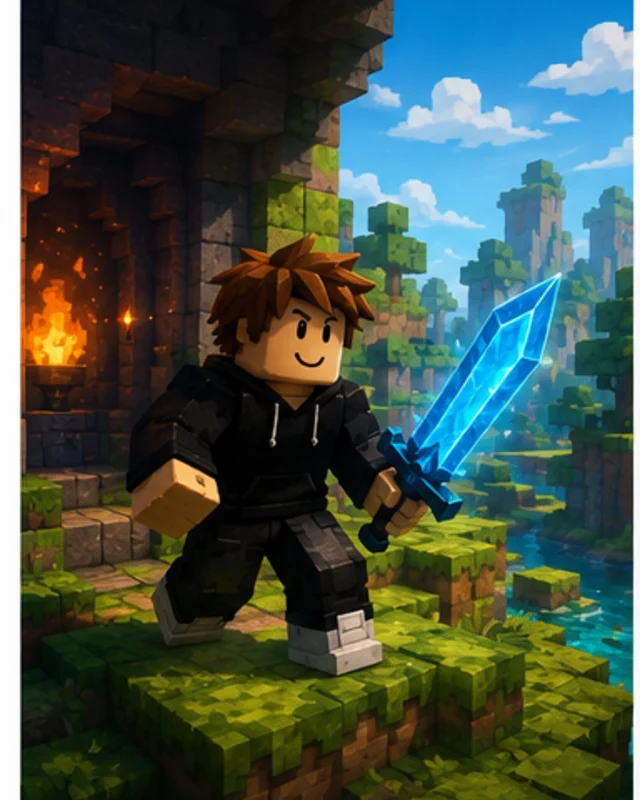 Quest and exploration ↗
Why SEELE
A personal goal makes a quest feel connected to the character instead of a list of errands.

Start with one location, one objective, and a small cast. Add the wider world after the route reads clearly.

Give characters different reasons for helping, refusing, or withholding information.

Make an item, skill, or new route answer a problem the player has already encountered.

Note which clues and conversations each route includes so later scenes do not contradict them.

Check whether the objective, stakes, and next step remain clear without relying on background lore.
Made with SEELE
These games are playable. Pick one and give it a try.
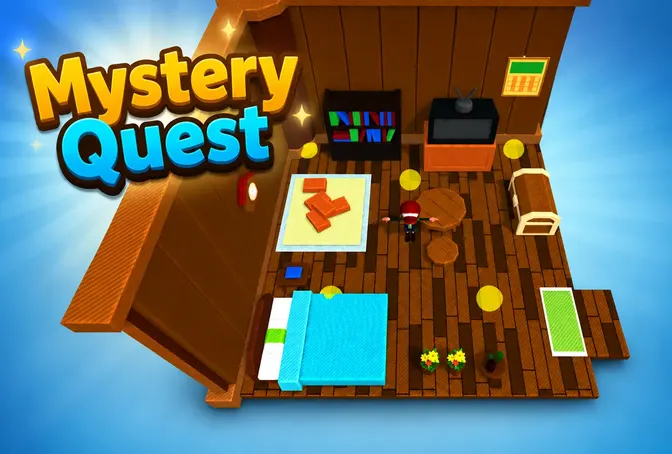 AdventureAdventure GamePlay the example ↗
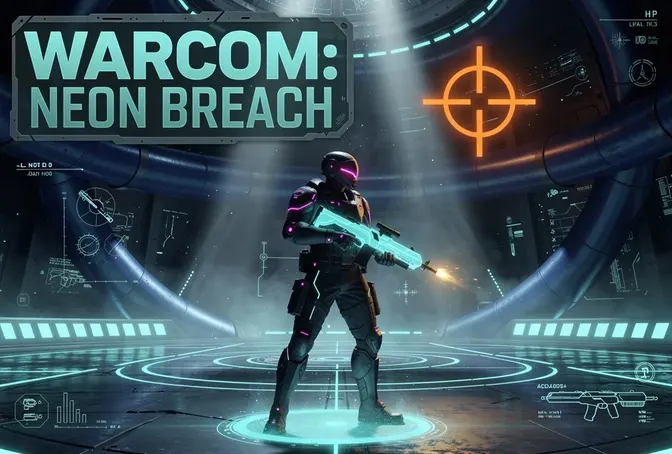 ShooterWarcom: Neon BreachPlay the example ↗
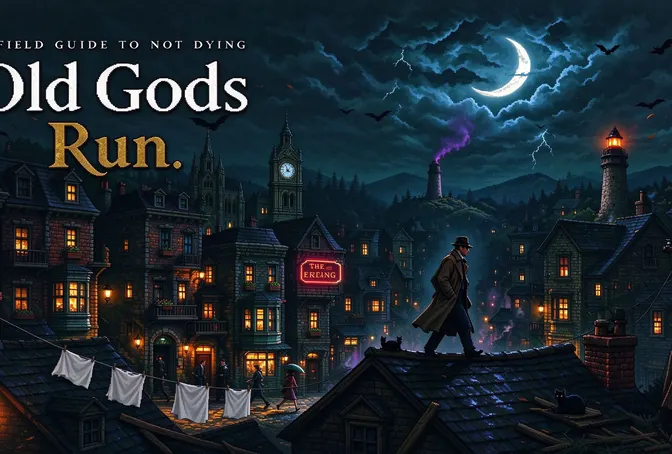 ActionOld Gods RunPlay the example ↗
 CasualCaution! Egg on the Car RoofPlay the example ↗
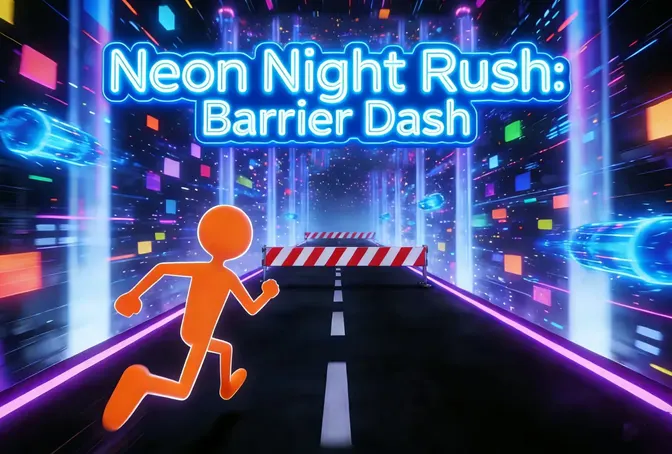 RunnerNeon Night Rush: Barrier DashPlay the example ↗
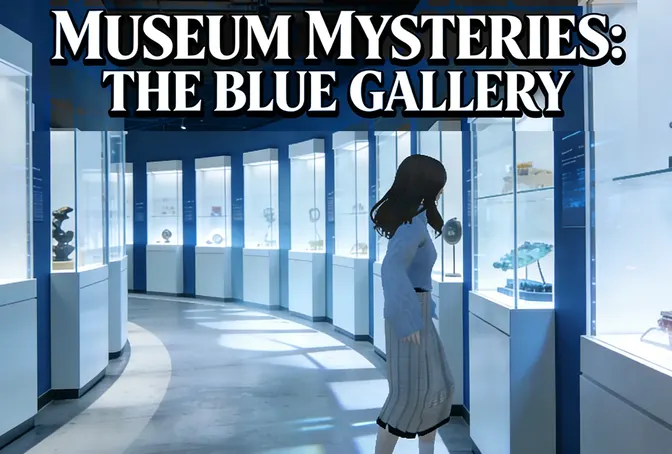 PuzzleMuseum ExhibitionPlay the example ↗
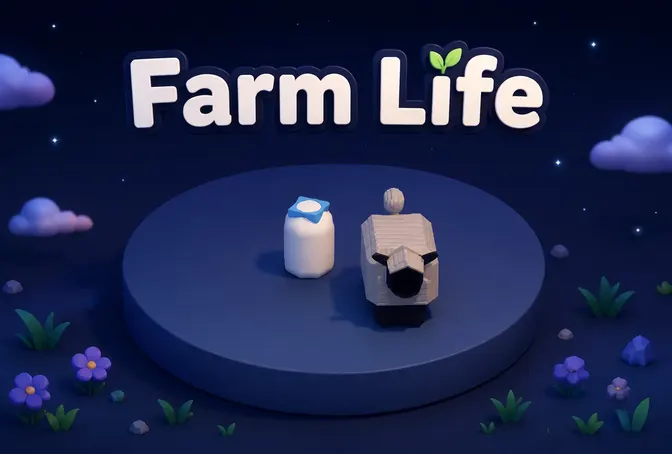 SimulationMilky Way Idle 3DPlay the example ↗
 CasualSnowfall & Starry GiftsPlay the example ↗
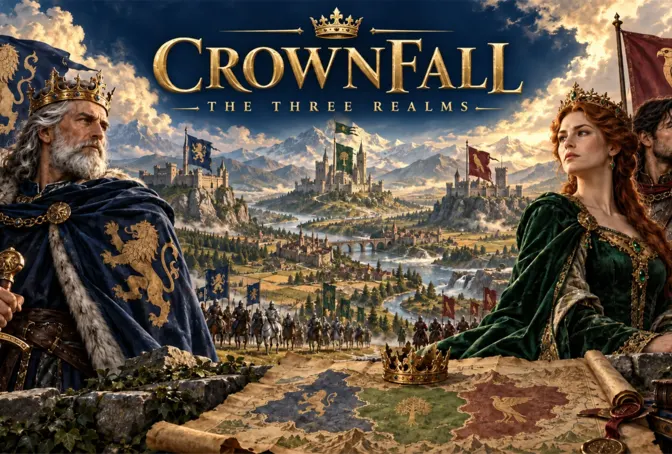 RPGCrownfall-The-Three-Realms-CoverPlay the example ↗
 SimulationFLYING CARPlay the example ↗
Who it’s for
A focused RPG scene gives creators something concrete to discuss before expanding the cast, world, or quest line.
Draft one character goal, a short route, and a reward before expanding the setting or quest chain.
AI Quest Game Maker ↗
Test how dialogue, motivation, and a player decision affect the next scene in a compact route.
AI Visual Novel Generator ↗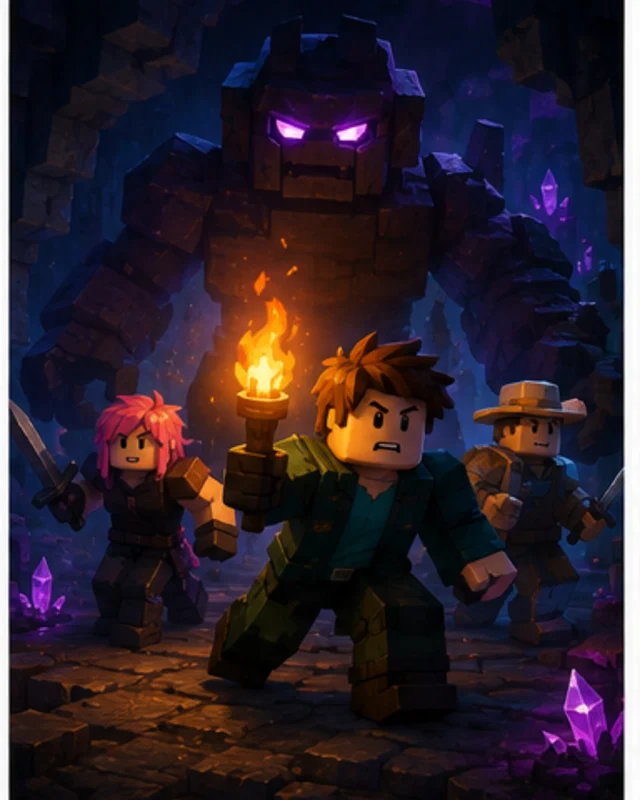
Use a focused encounter or progression choice to discuss pacing and player feedback before widening the build.
RPG Creator ↗Compare
A playable route helps explore character and quest choices; a full outline helps coordinate a longer campaign.
| Feature | Start with one playable RPG route | Outline a full RPG first |
|---|---|---|
| First step | Set one character goal, scene, and quest objective. | Plan the setting, cast, progression, and major quest lines. |
| Early feedback | Play the route and check whether the objective and choices are clear. | Review the outline for missing motivations and story dependencies. |
| Scope | Develop one short quest or encounter before widening the world. | Map the broader campaign and production needs before building. |
| Best use | Explore a character, mechanic, or quest direction. | Coordinate a longer narrative and its dependencies. |
| Before release | Check continuity, encounter balance, assets, and audience fit. | Review the full narrative plan and validate the implementation. |
Reviews
Read about character design, quest and dialogue systems, and planning a game design document.
FAQ
Start with a role-playing game scene, quest, encounter, or character choice. Keep the first route small enough to read and play through.
Name the setting, player character, immediate goal, obstacle, and what changes when the player acts. Add only the lore needed to understand the scene.
Give the player one objective, a reason to pursue it, and a clue or character who points toward the next step. Make the reward connect to the problem.
Yes. Give the character a goal and a choice to make. Add companions or a larger cast after the first scene has a clear direction.
Give each speaker a motive, a point of view, and a different way of expressing it. Read the exchange aloud and remove lines that repeat information.
Use one enemy pattern and show its warning before the attack. Give the player a clear response and enough time to recognize whether it worked.
Tie a skill or reward to a visible obstacle. Let the choice change the route, the approach, or what the player can do next.
Introduce only the detail a player needs for the current choice. Save history and faction context for scenes where it changes what the character does.
Describe the choice, what each route reveals, and where the routes meet or end. Review each path for continuity and a clear payoff.
You can describe the first scene in plain language. Review the result and check current editor options before planning technical features or a larger project.
Treat the first result as a starting point. A finished project still needs playtesting, implementation review, content checks, and release work.
Give both routes a shared objective. In the flooded archive, the key and the pressure plate both open the same gate. Track which route the player took for dialogue and quest-log updates, and mark the chart as retrieved only once.
RPG creators, narrative designers, and small teams can use a focused scene to explore a quest or mechanic. Choose a scope that answers one design question.
Check quest clarity, character continuity, combat readability, audience fit, and rights to any source material. Do not treat an early result as release-ready.