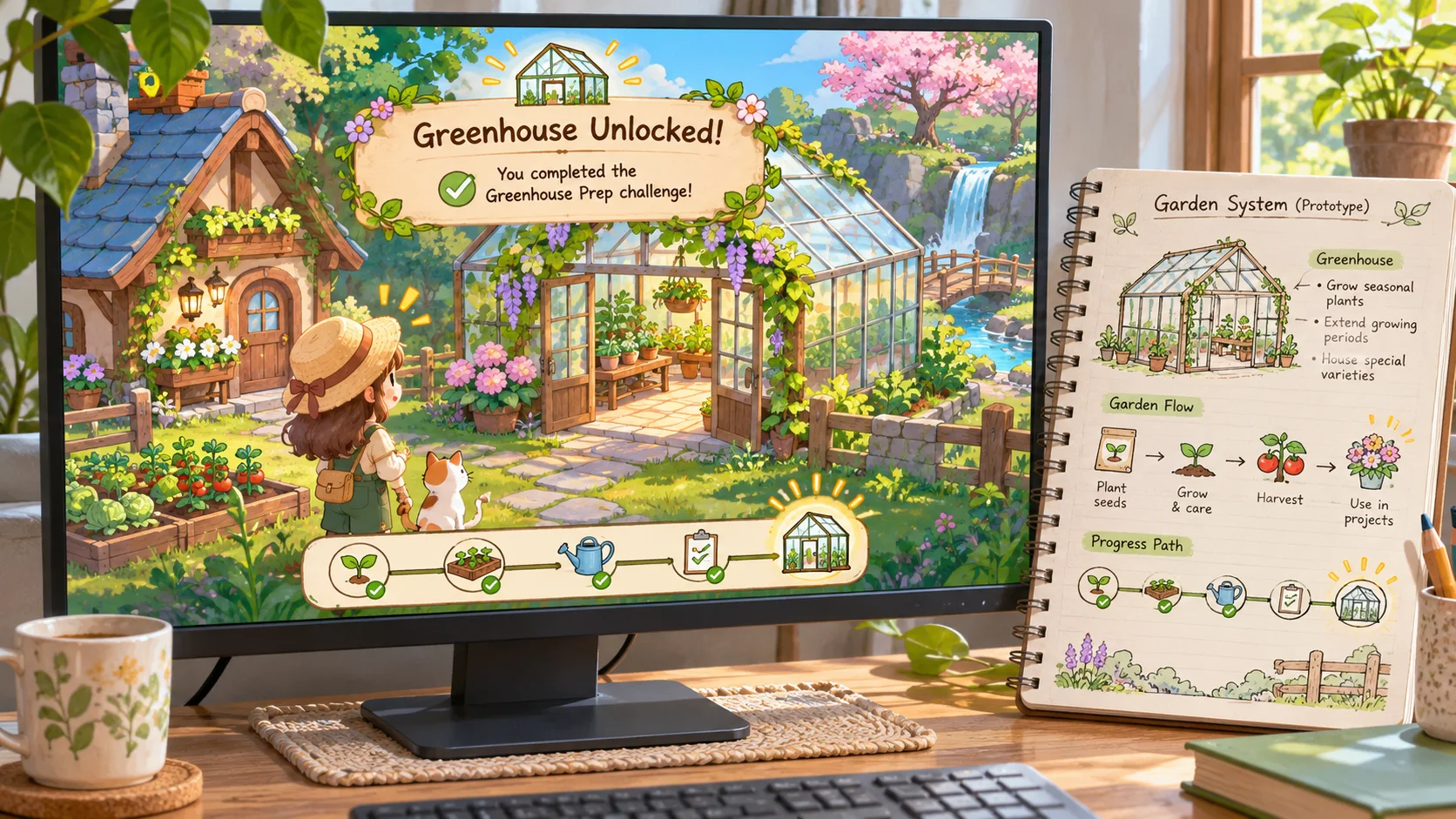

Assign review owners
Brand, product, safety, and policy reviews have clear responsibility.

Review an in-app offer for age fit, clarity, privacy, moderation, and approved brand use. Create a trust-and-safety review brief for a branded game purchase. Check the offer language, audience, data use, moderation, accessibility, and platform requirements with the responsible teams.
Partners and teams

















How it works
Create a 3D first-person shooter with AI. Build a battlefield, add enemy waves, test your weapons, and refine the action with prompts.
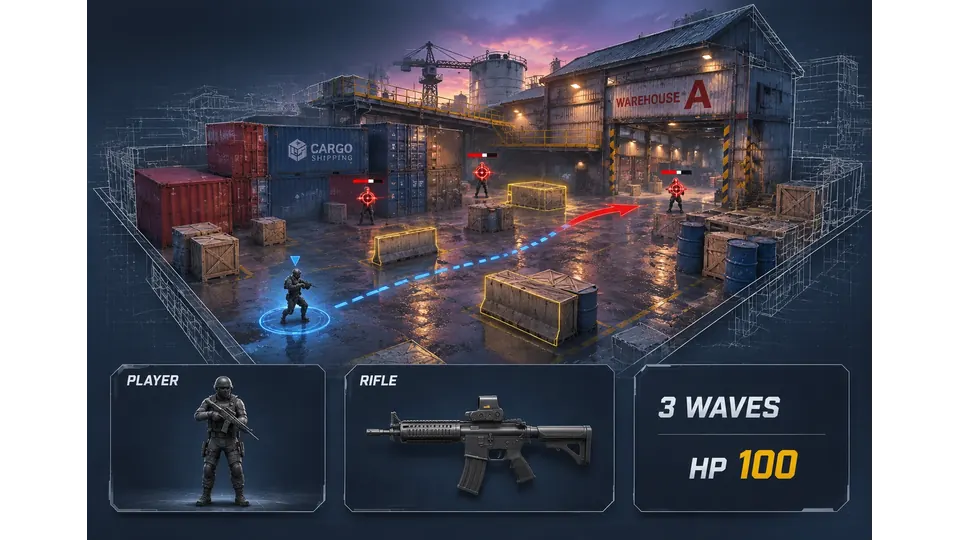
Plan a warehouse battlefield with a rifle, cover, and three waves of enemies.
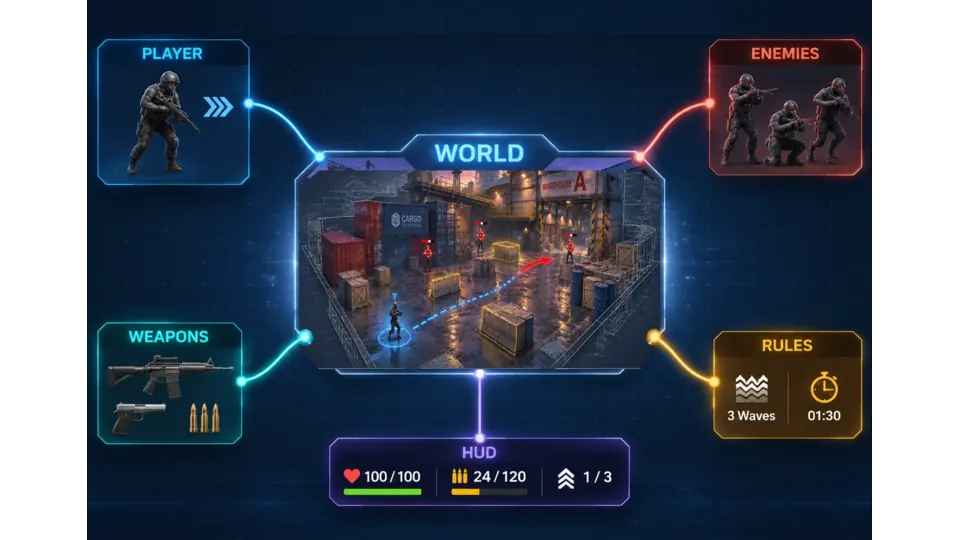
Combine the warehouse map, weapons, enemies, combat rules, and game HUD.
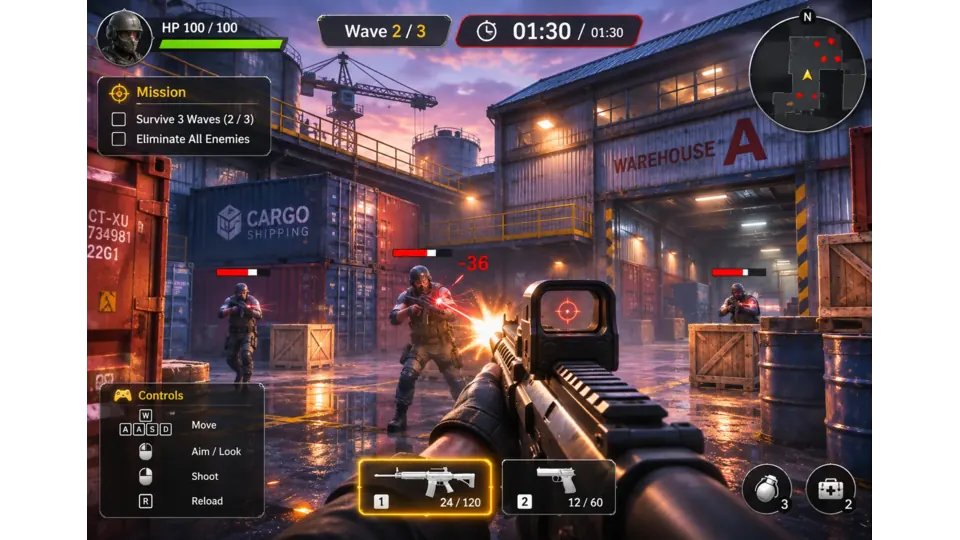
Fight through enemy waves, reload your rifle, and manage your health and ammo.
Make a game for freePick a starting point
Review a branded sticker pack sold inside a family-friendly puzzle game. List the audience, included art, price display, and the team that approves each item.
Create an approval matrix listing who reviews offer copy, art, price source, audience rating, and release.
 First outcome ↗
Why SEELE
Brand, product, safety, and policy reviews have clear responsibility.

Show contents, price, and limitations in plain language.

Review content and purchase flows for the intended players.

State what information the flow collects and why.

Keep source approvals with the offer record.

Review translations and current platform requirements before release.
Made with SEELE
These games are playable. Pick one and give it a try.
 AdventureAdventure GamePlay the example ↗
 ShooterWarcom: Neon BreachPlay the example ↗
 ActionOld Gods RunPlay the example ↗
 CasualCaution! Egg on the Car RoofPlay the example ↗
 RunnerNeon Night Rush: Barrier DashPlay the example ↗
 PuzzleMuseum ExhibitionPlay the example ↗
 SimulationMilky Way Idle 3DPlay the example ↗
 CasualSnowfall & Starry GiftsPlay the example ↗
 RPGCrownfall-The-Three-Realms-CoverPlay the example ↗
 SimulationFLYING CARPlay the example ↗
Who it’s for
Describe the player need, offer, and decision point. Validate pricing, consent, and the purchase flow in the actual product before release.
Fashion Game Convenience Upgrade IAP ↗
Check that the offer is understandable, optional where appropriate, and consistent after reload. Confirm that the relevant IAP tool or purchase flow is currently available before treating the concept as implemented.
Campaign Strategy Game ↗
Review whether the purchase choice is clear and fair from the player's point of view; confirm current product and platform rules before launch.
Game UI Design for Mini Games ↗Reviews
FAQ
Run an age-appropriate language review, inspect shared and streamed screens, test accessible cancellation, and record unresolved policy work instead of implying approval.
Use audience-appropriate language while you make age, accessibility, moderation, rights, privacy, regional wording, and platform-policy review part of release acceptance. Keep quantity, duration, restrictions, and the delivered state explicit.
Use IAP Brand Teams Trust Safety as a focused project brief: state the intended outcome, audience, and one constraint. Review the result against those details and decide what needs a follow-up pass.
Before a first Brand Teams IAP Trust & Safety project, define the task, intended audience, one visible outcome, and a constraint. Use First outcome as a direction that fits the brief.
To get started with Brand Teams IAP Trust & Safety, use Start with the audience requirement as the first step. Set one goal, audience, and constraint; test a small version, then change one thing at a time.
For Brand Teams IAP Trust & Safety, name the intended user, one action, and a visible outcome. Use First outcome as a starting direction and add one requirement from its example prompt.
Ask someone who matches the intended player or viewer for Brand Teams IAP Trust & Safety to test its main action. Note where the brief is unclear, then revise once before adding features.
For Brand Teams IAP Trust & Safety, try First outcome first. Define the action, outcome, and one constraint, then compare another direction only if the first misses the brief.
Check the Brand Teams IAP Trust & Safety result against the brief, intended behavior, and first workflow step. Record one mismatch and test that change before expanding scope.
Scope a first Brand Teams IAP Trust & Safety prototype to First outcome, one user action, and one visible outcome. Defer secondary features until that path works.
Compare First outcome and Main interaction for Brand Teams IAP Trust & Safety using the same user action and visible outcome. Choose the direction that fits the brief with fewer assumptions.
After reviewing Brand Teams IAP Trust & Safety, record one gap between the brief and result. Make one focused change, then test the same action against the original outcome.
Match a linked tool's input and output to one need in the Brand Teams IAP Trust & Safety brief. If it does not support that step, skip it and keep the test in the main project.