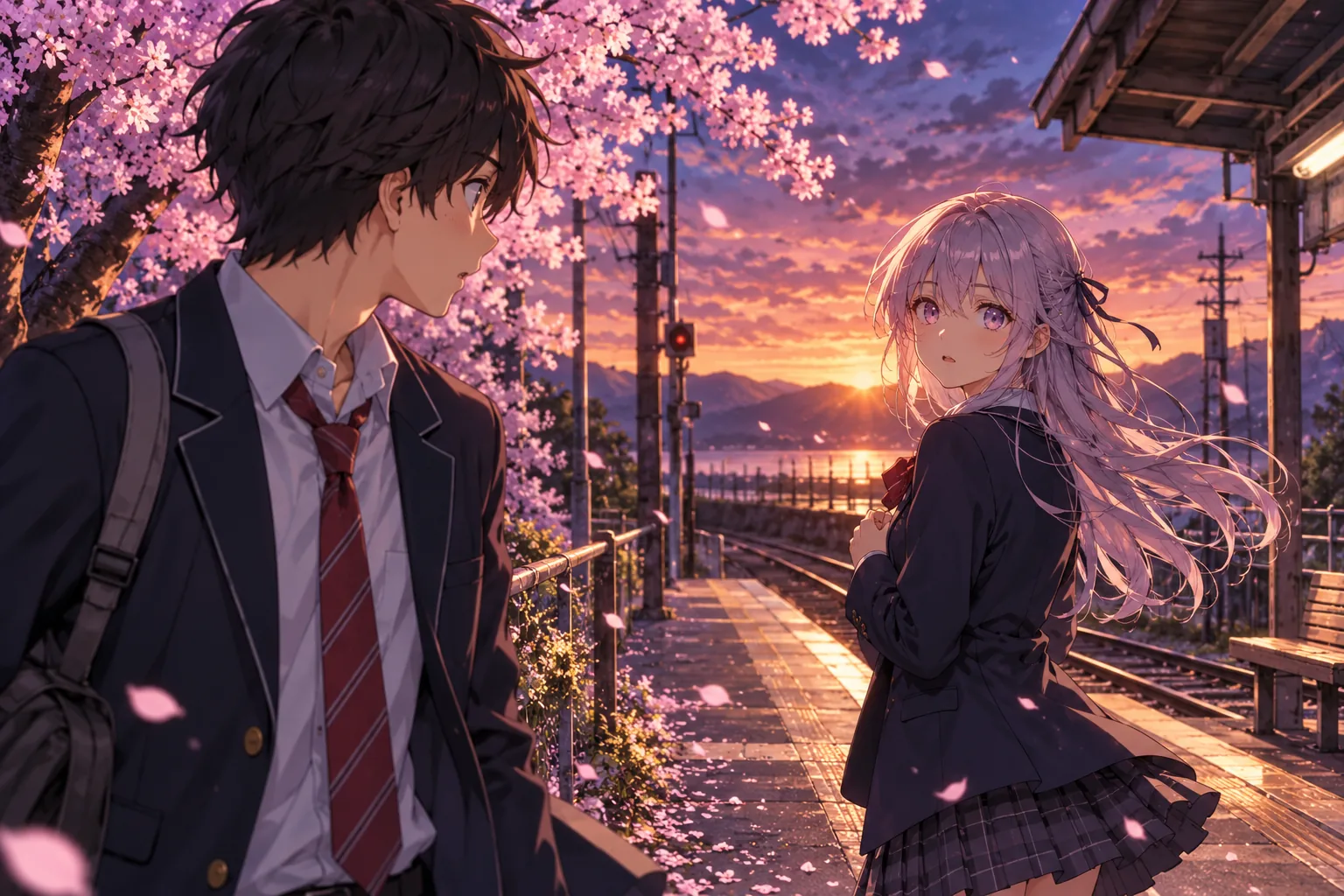


Give the route a clear first moment
Begin with a meeting, shared task, or difficult conversation that gives both characters a reason to be there.

Give each character a clear motive and make every choice lead somewhere. Shape an original gal game around a first meeting, a relationship decision, or an alternate ending. Start with one route and check its voice and continuity before expanding.
Partners and teams

















How it works
Build your own single-player racing game. Design a coastal track, add nitro boosts and checkpoints, then race against the clock.
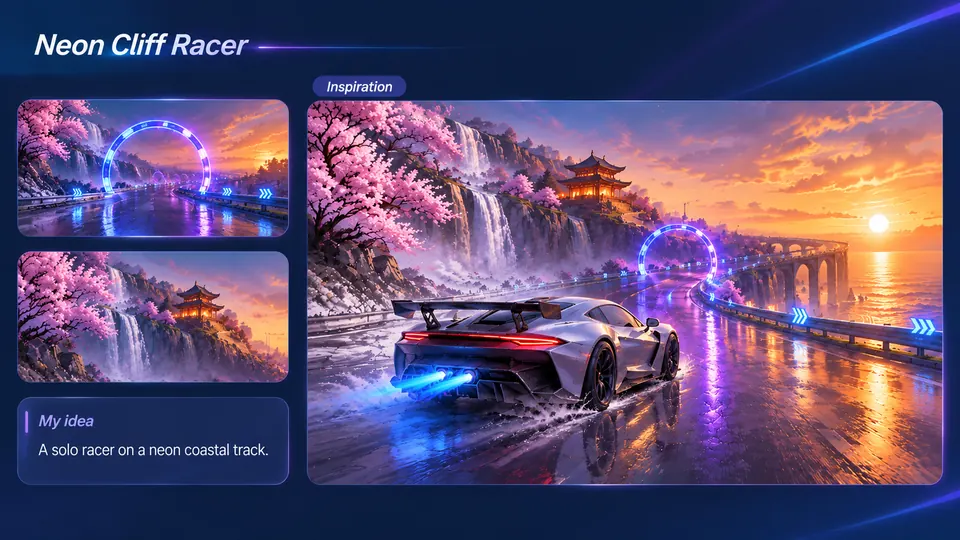
Imagine a silver sports car racing past waterfalls, cherry blossoms, and neon gates.
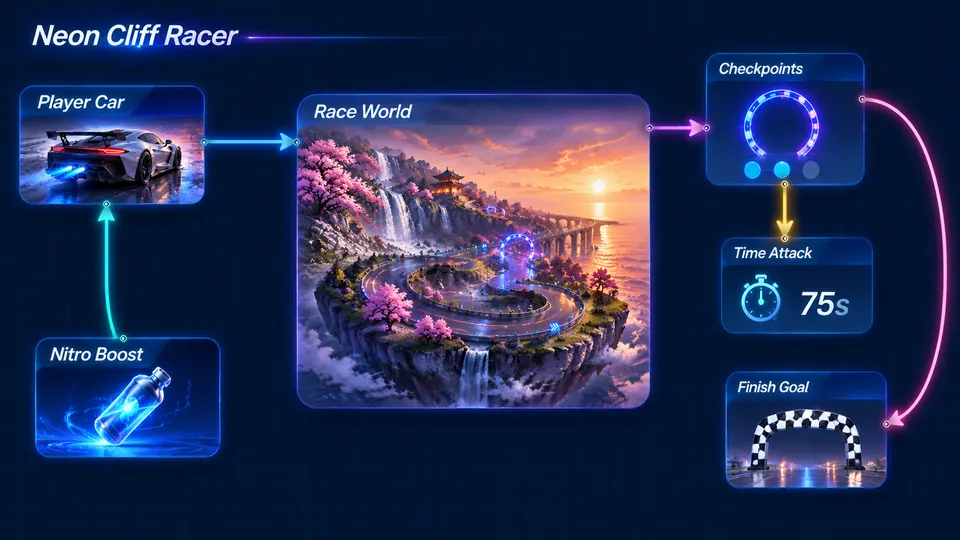
Connect your sports car, coastal track, checkpoints, nitro boost, and finish line.
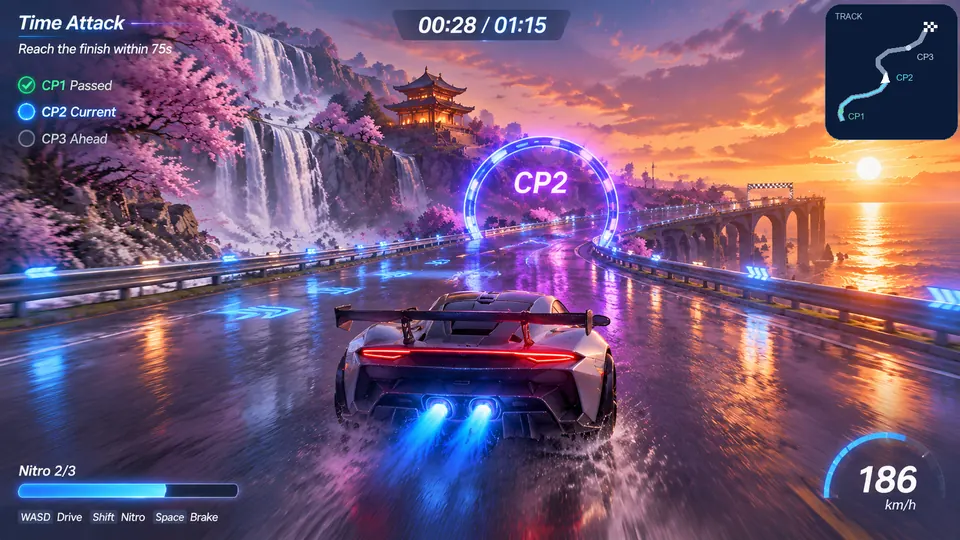
Drive through three neon gates, activate nitro, and finish within 75 seconds.
Make a game for freePick a starting point
Use a meeting, route decision, reveal, or ending as a starting point for original characters.
Introduce two characters through the task they share and the different reasons they want to finish it. Let the player’s first question shape the tone of their next exchange.
Write the opening scene of an original romance visual novel. Two adult university club members meet while trying to repair a lantern display before the evening event. Give each a different reason to stay, and let the player choose what to ask first.
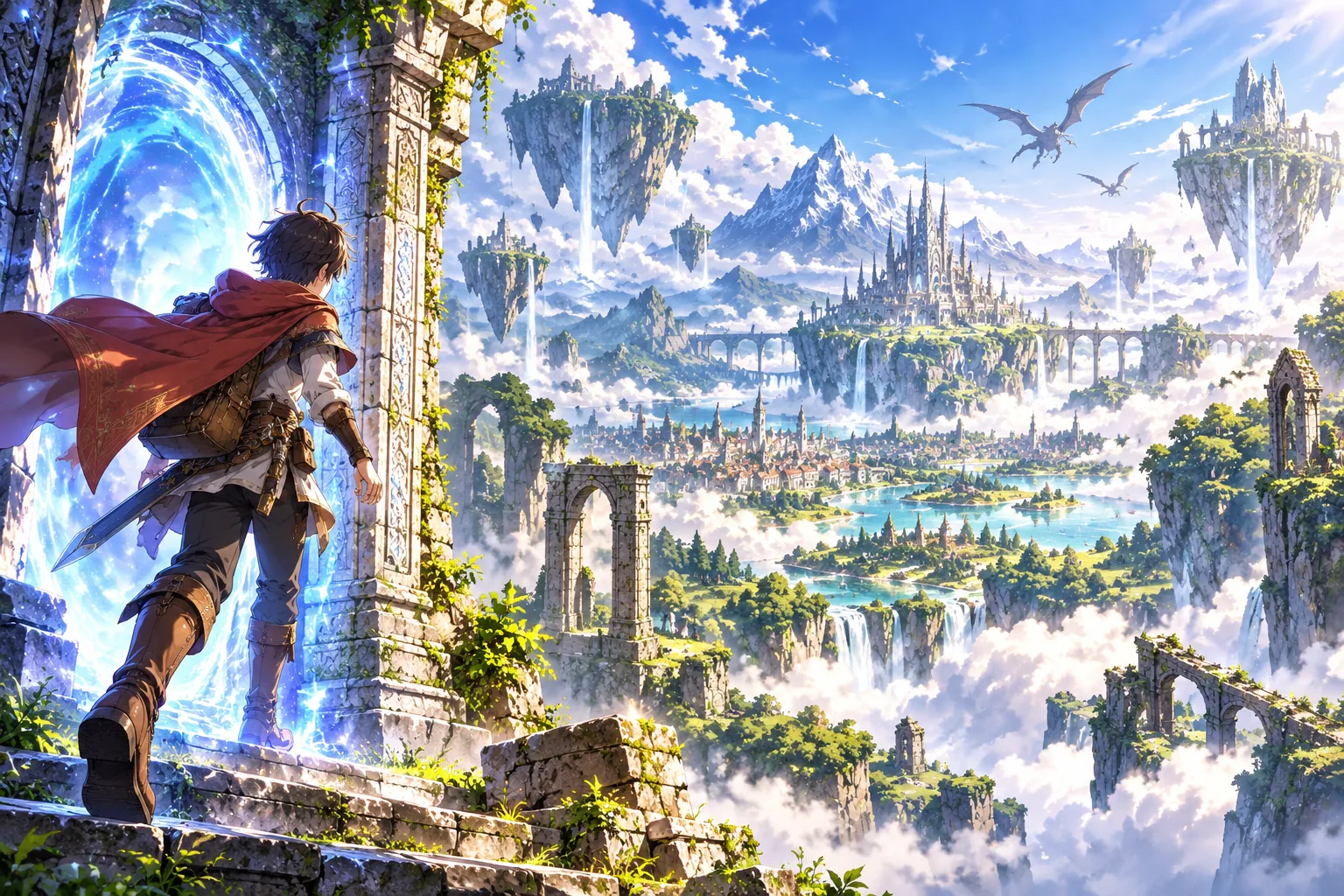 A first meeting at the lantern festival ↗
Why SEELE
Begin with a meeting, shared task, or difficult conversation that gives both characters a reason to be there.

Offer responses that express curiosity, support, or caution and show how the other character reacts.

If a route tracks trust or closeness, connect any change to a specific action or conversation.

Describe what each person wants and how they speak when they feel uncertain, excited, or guarded.

Let a route’s final scene reflect what the player learned and how the characters treated each other.

Read each branch from its opening through the next scene so details, tone, and relationship changes still fit.
Made with SEELE
These games are playable. Pick one and give it a try.
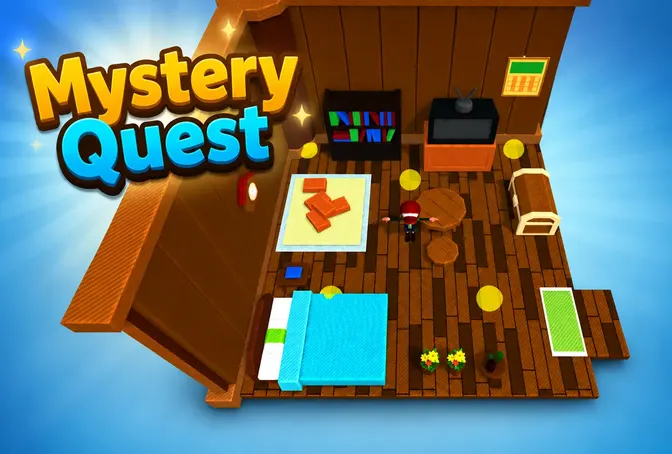 AdventureAdventure GamePlay the example ↗
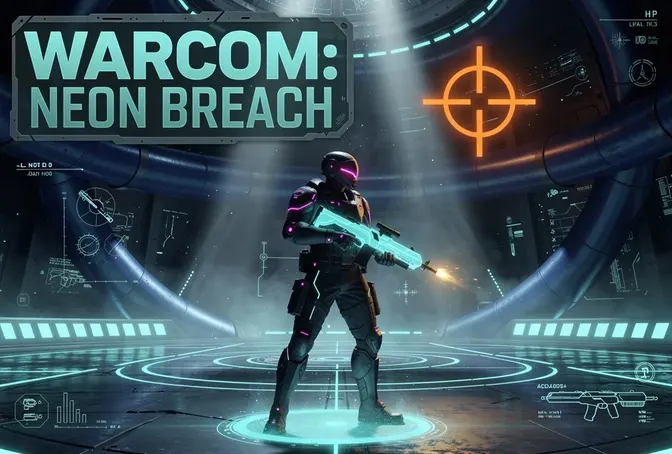 ShooterWarcom: Neon BreachPlay the example ↗
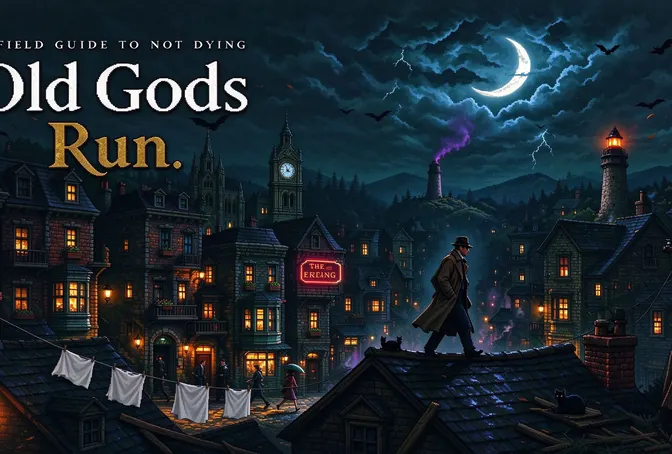 ActionOld Gods RunPlay the example ↗
 CasualCaution! Egg on the Car RoofPlay the example ↗
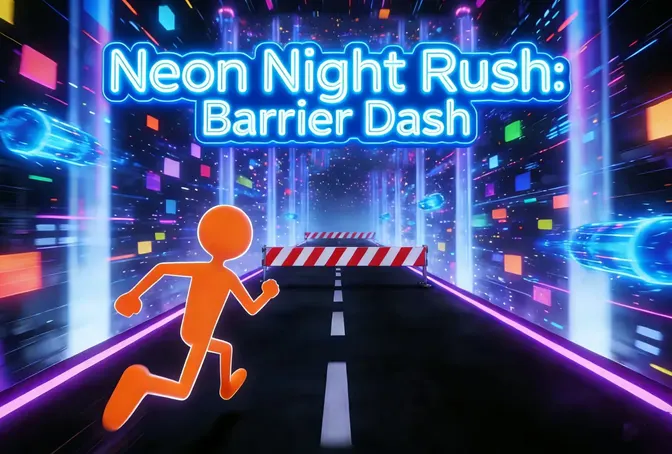 RunnerNeon Night Rush: Barrier DashPlay the example ↗
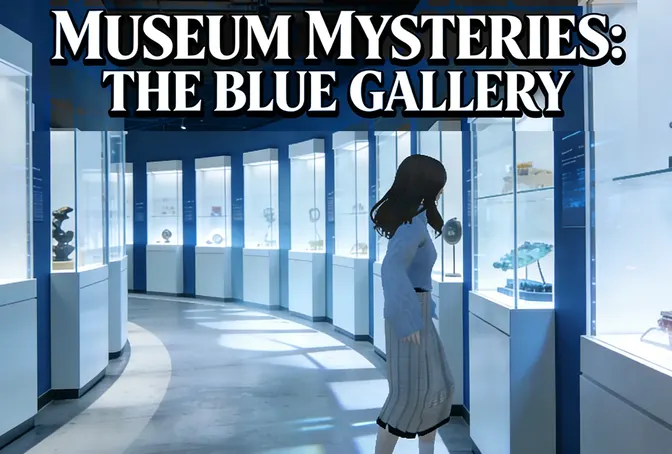 PuzzleMuseum ExhibitionPlay the example ↗
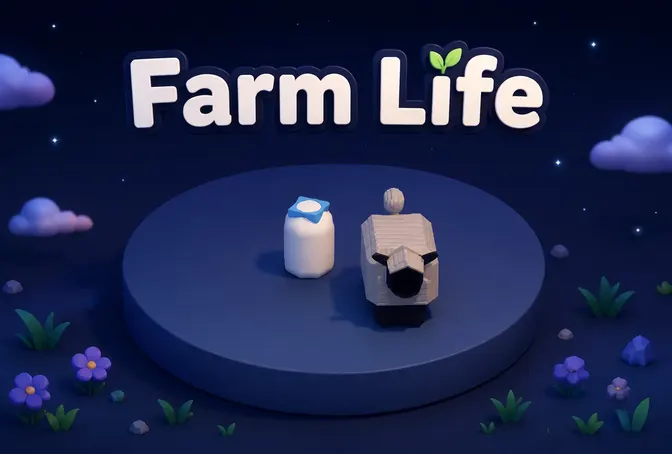 SimulationMilky Way Idle 3DPlay the example ↗
 CasualSnowfall & Starry GiftsPlay the example ↗
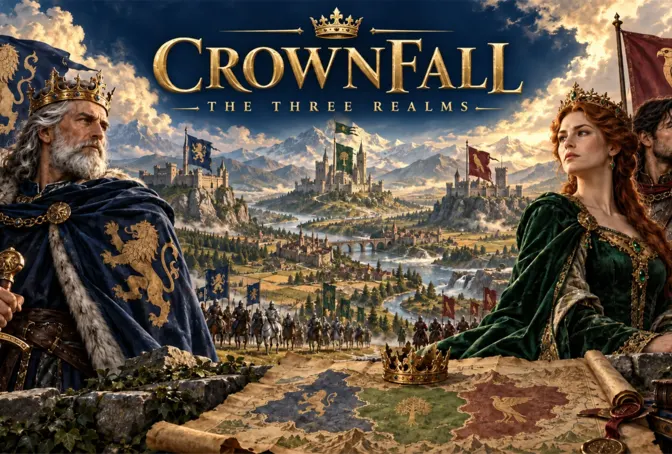 RPGCrownfall-The-Three-Realms-CoverPlay the example ↗
 SimulationFLYING CARPlay the example ↗
Who it’s for
Writers and visual novel creators can use a short route to test character voice and choice consequences.
Use one scene and one relationship decision to test how a route changes the next exchange.
AI Game Maker Free ↗
Compare character motives and route outcomes before writing a larger cast or branching structure.
AI Interactive Game Generator for Story Games ↗
Start with characters you have permission to use. Give each a distinct voice and check the route before sharing it.
AI Visual Novel Game Maker ↗Compare
Focusing on one route makes dialogue, relationship changes, and continuity easier to review.
| Feature | One route at a time | A full visual novel outline |
|---|---|---|
| Starting point | A meeting or conversation with a clear purpose | The entire cast and story arc |
| Character focus | Two characters with distinct motives | Several character routes at once |
| Player choice | A response that changes the next exchange | Choices mapped across multiple chapters |
| Continuity review | Check one route from scene to scene | Track branches and details across the whole story |
| Next step | Refine voice or consequence in the current route | Decide which branch or character to develop first |
Reviews
Explore related story makers, interactive fiction guides, and game design tools.
FAQ
It helps you outline an interactive story around characters, dialogue, choices, and route outcomes. Start with one scene so you can review the voice and branch before expanding.
Yes. The prompts can help shape a romance route, first meeting, relationship choice, or ending. Define the characters’ motives and let the player decide how to respond.
Name the characters, where they meet, what each wants, and the decision the player faces. Explain how the response changes the next conversation or route.
Let the choice affect what a character shares, how they respond, or what scene follows. Keep the consequence visible so the player understands why the route changed.
You can describe a relationship value and what kind of action should change it. Review the result to ensure the displayed change matches the character interaction.
Define a character’s goal, speech style, and reaction to conflict. Read their dialogue across several branches and revise lines that could belong to anyone.
Plan one route first, then list where later routes share or diverge from the common story. Track the facts and choices that each route inherits.
Describe the earlier decisions that lead to each ending and the emotional outcome you want. Check that the ending follows from the route rather than appearing at random.
Use original characters or material you have permission to use. Do not assume that a generated result makes protected names, designs, or settings available for public or commercial use.
No. A selected example is placed in the workspace for you to review or edit. Start generation when you are ready.
Yes. Change the cast, setting, relationship, or tone to match your story before continuing.
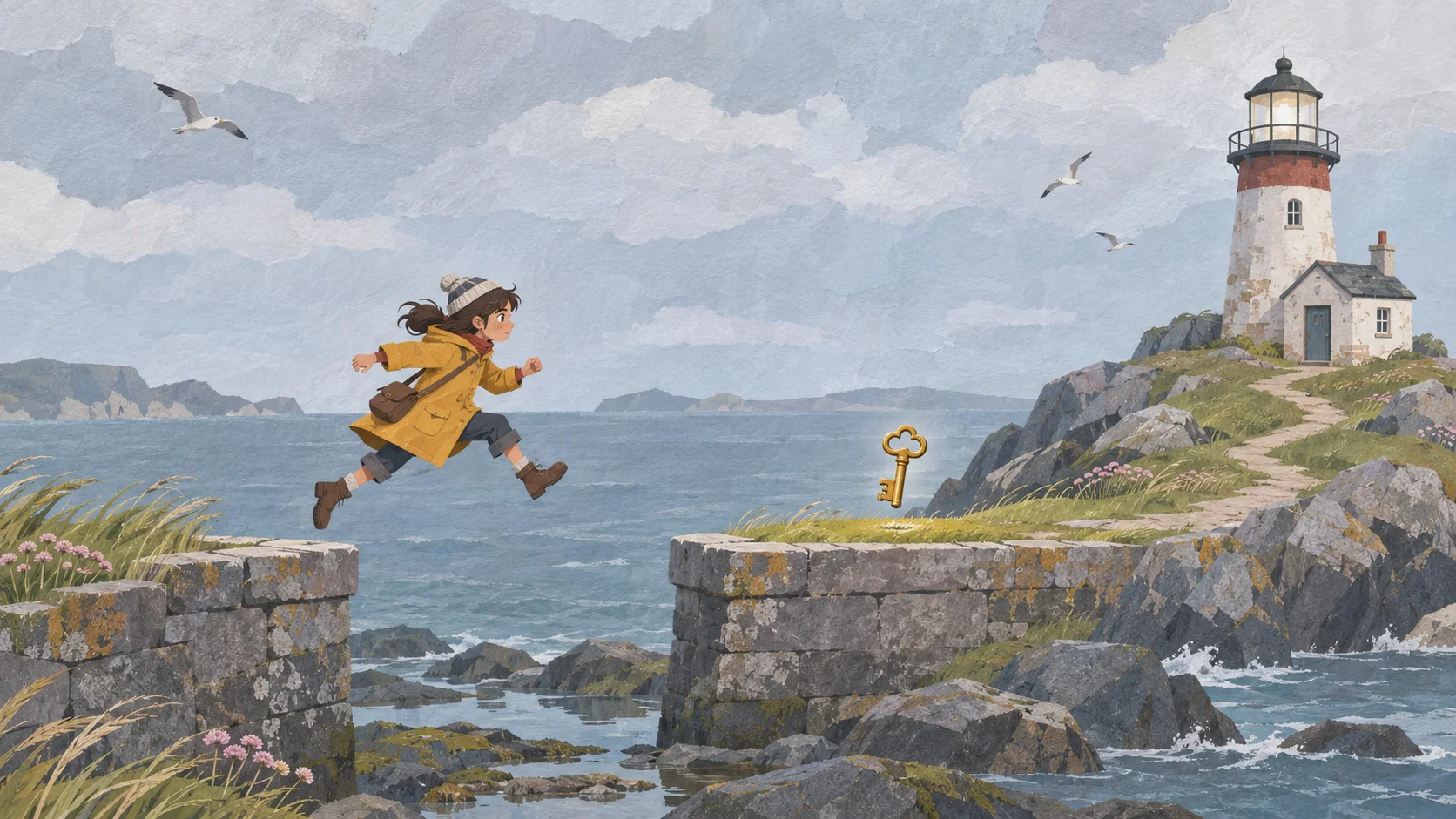
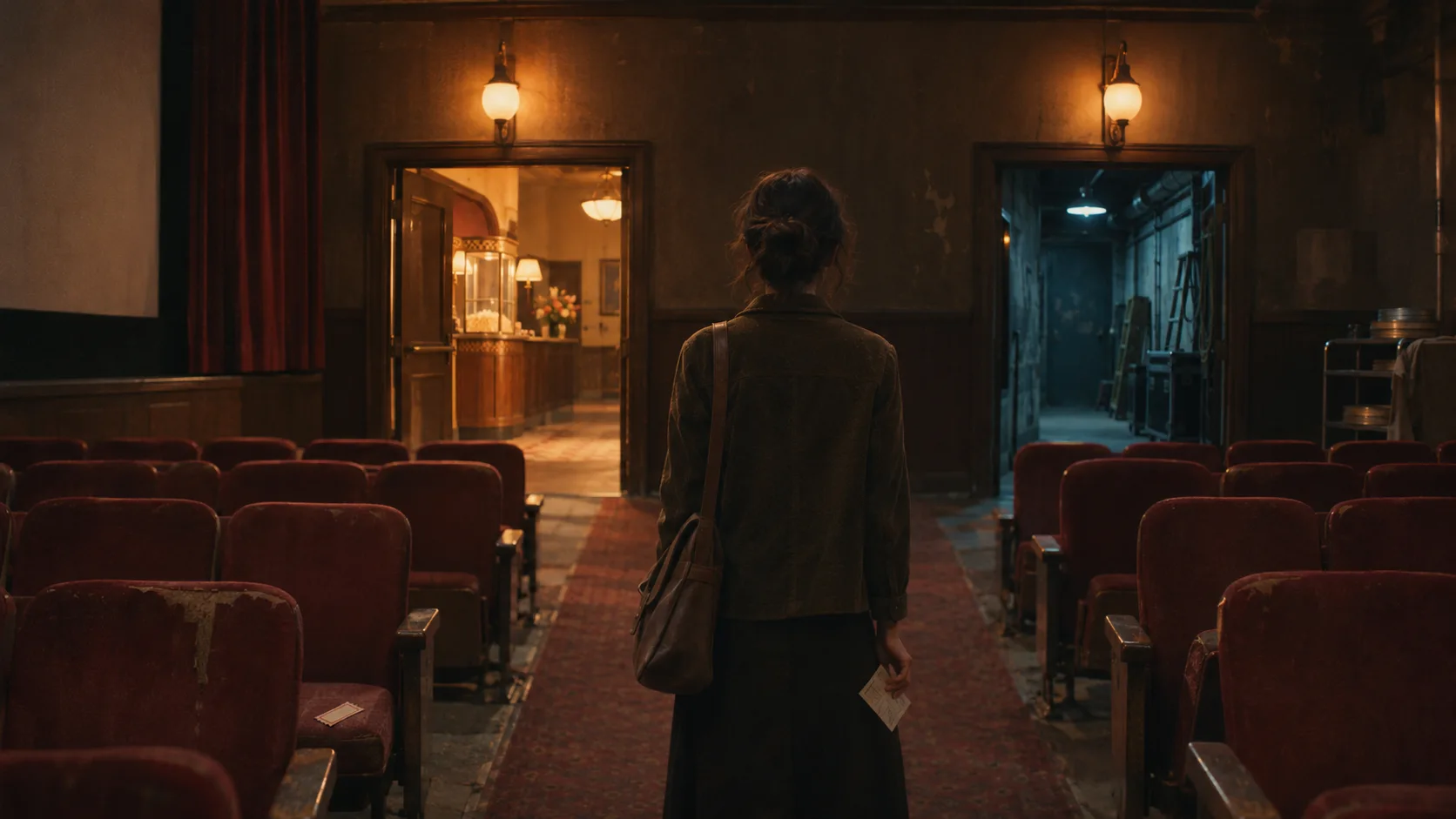
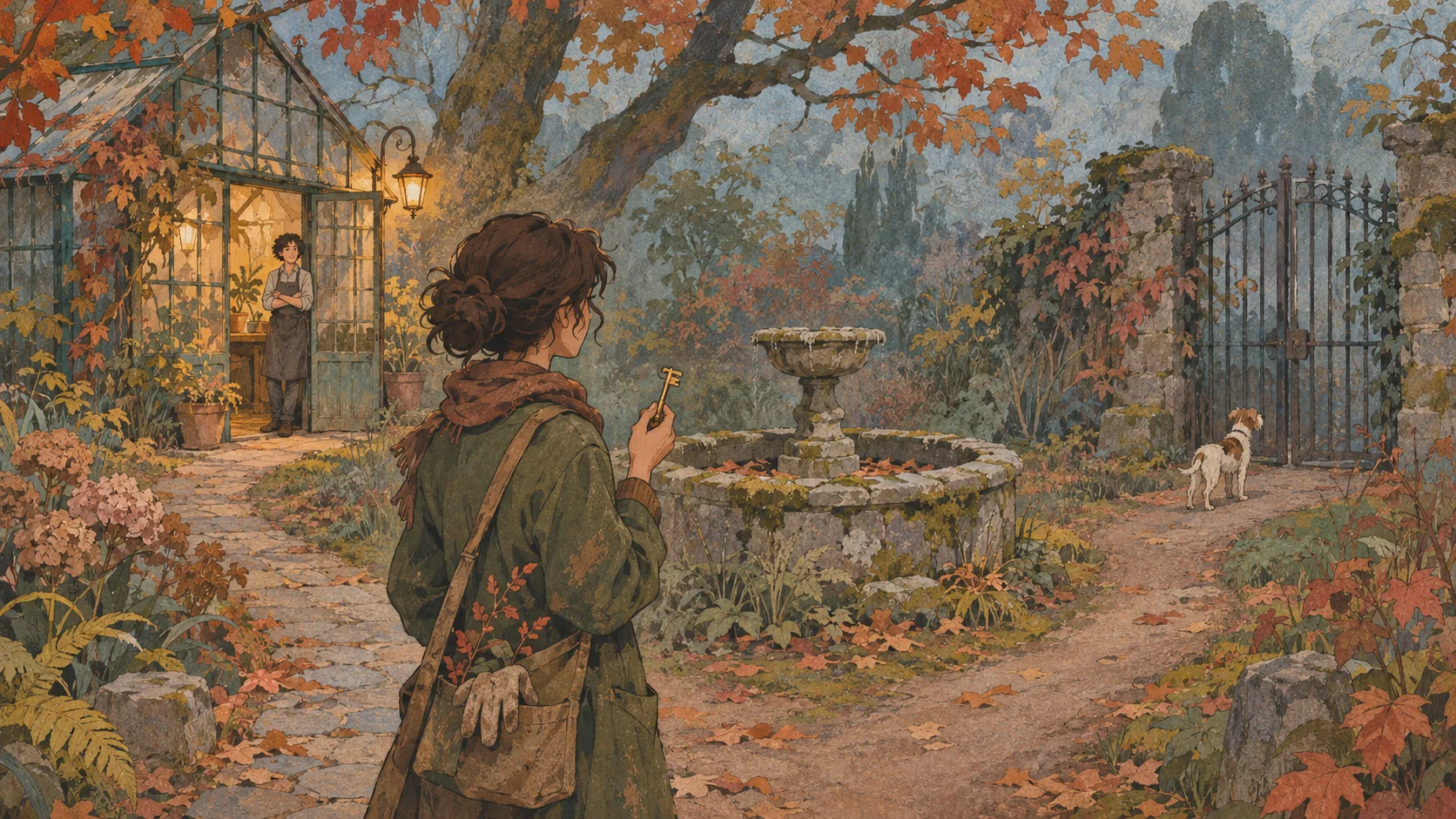
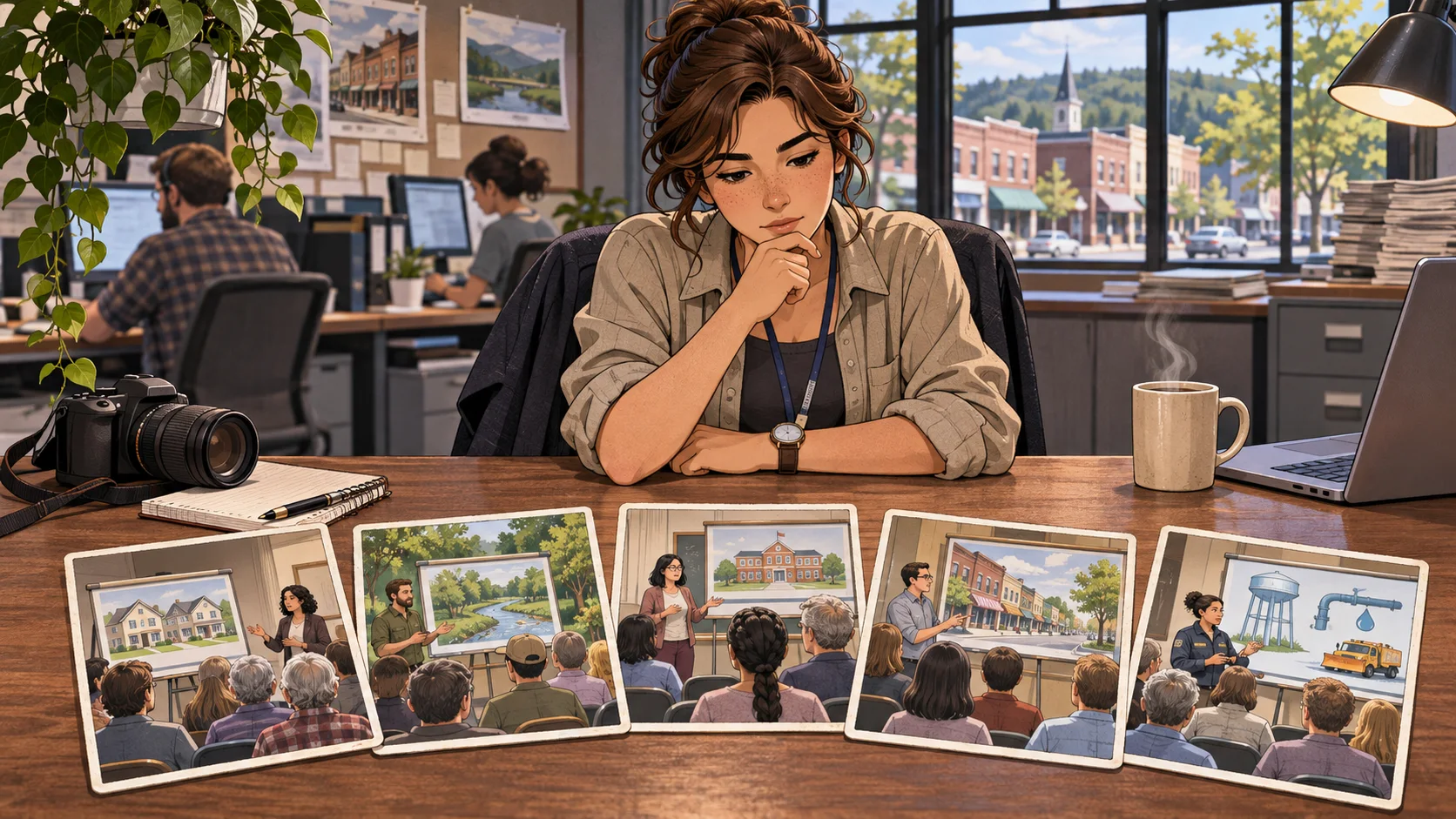
No. They are visual references for the prompt examples. The prompts describe story scenes and choices.
Yes. Add narration, dialogue, choice labels, and the scene that follows each choice to make the structure easier to review.
Check character rights, dialogue tone, route continuity, age suitability, and the requirements of the platform where you plan to share or publish it.
Give two original characters a reason to meet and let the player shape what happens next.
Plan a visual novel scene →