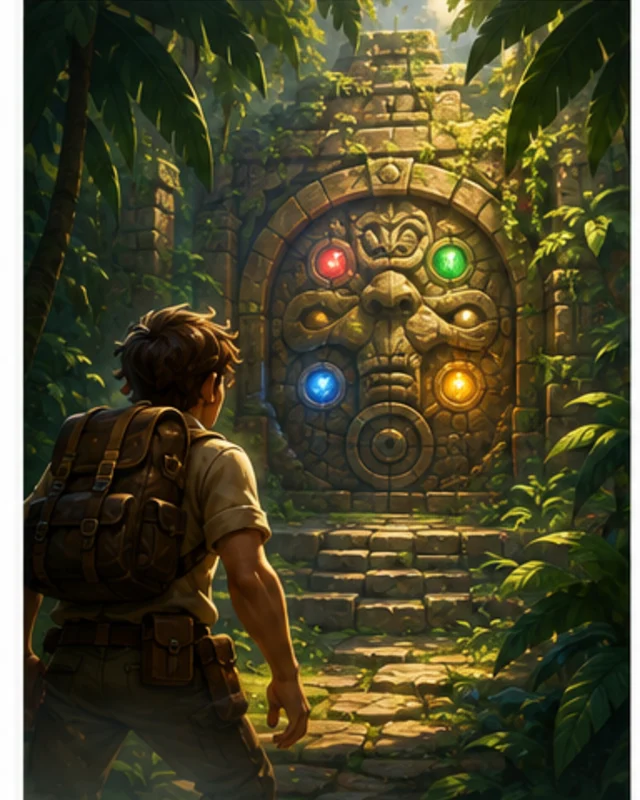



Make the player part of the story
Give them an action that changes what happens next.

Give the story a concrete opening, a choice, and a consequence the player can see. Turn a story premise into a playable sequence by tracking what each decision changes in the next scene.
Partners and teams

















How it works
Start with one machine, automate collection, and give players a reason to save up for an upgrade.
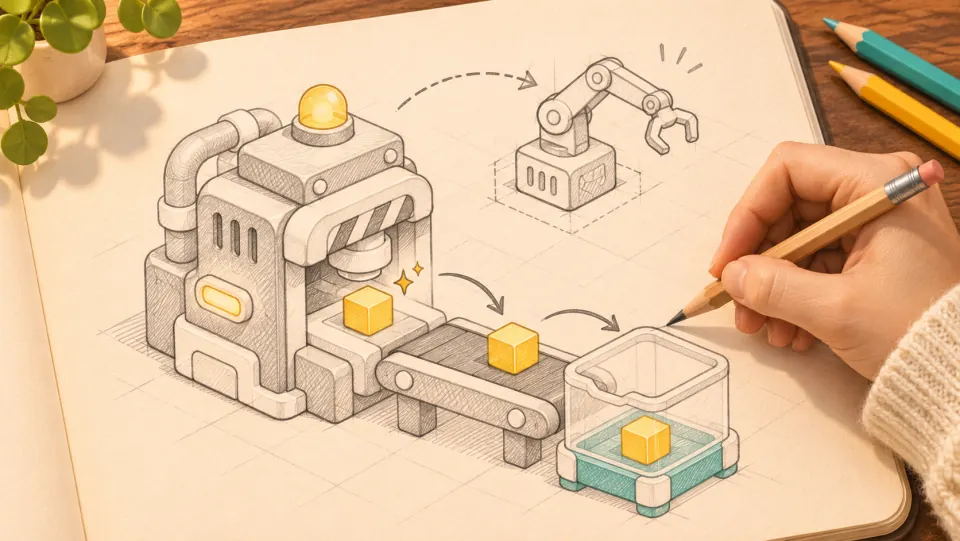
Players collect gold cubes for coins, then spend those coins on a robot arm that takes over collection.
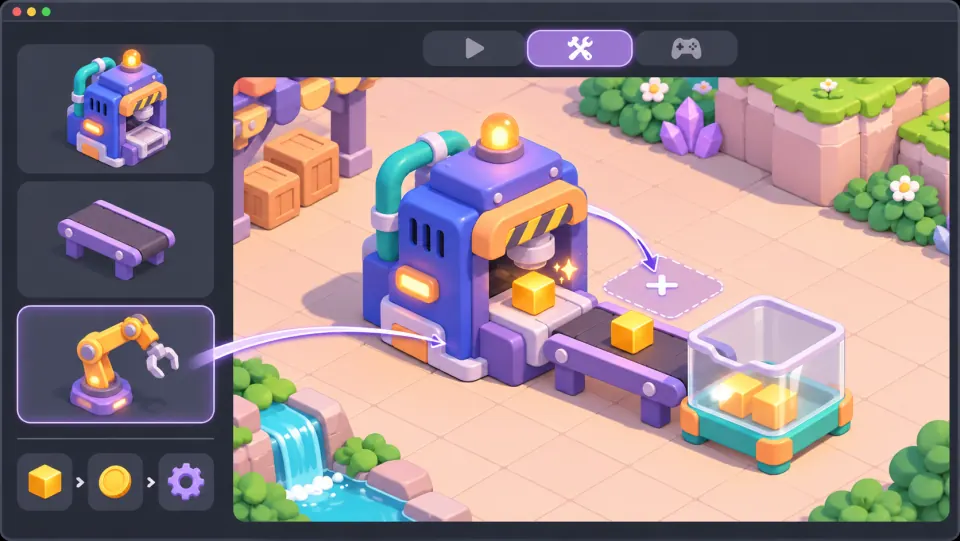
Ask seeleAgent to add the press, conveyor, and robot arm. Set how fast cubes come out, what they earn, and what upgrades cost.
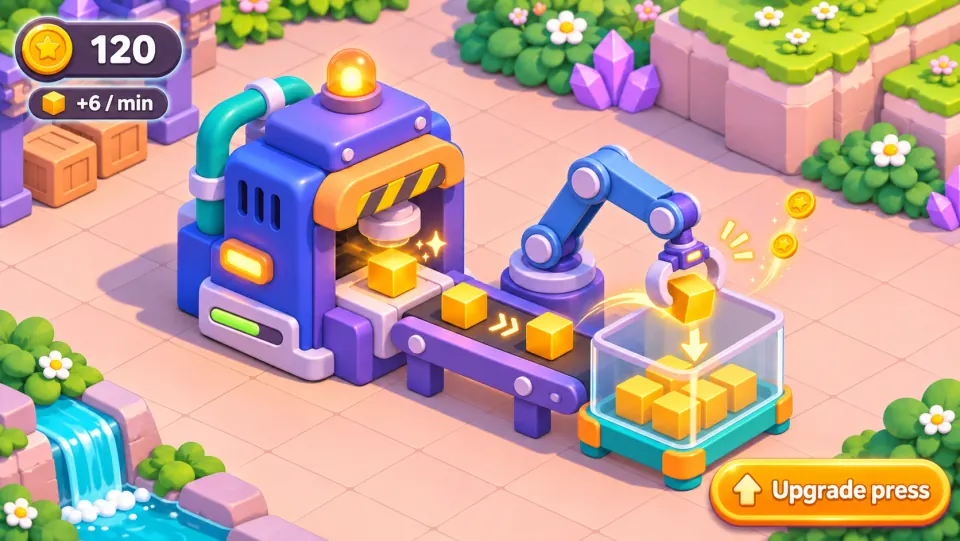
Watch the arm collect cubes. When you have enough coins, upgrade the press and see how much faster the line runs.
Make a game for freePick a starting point
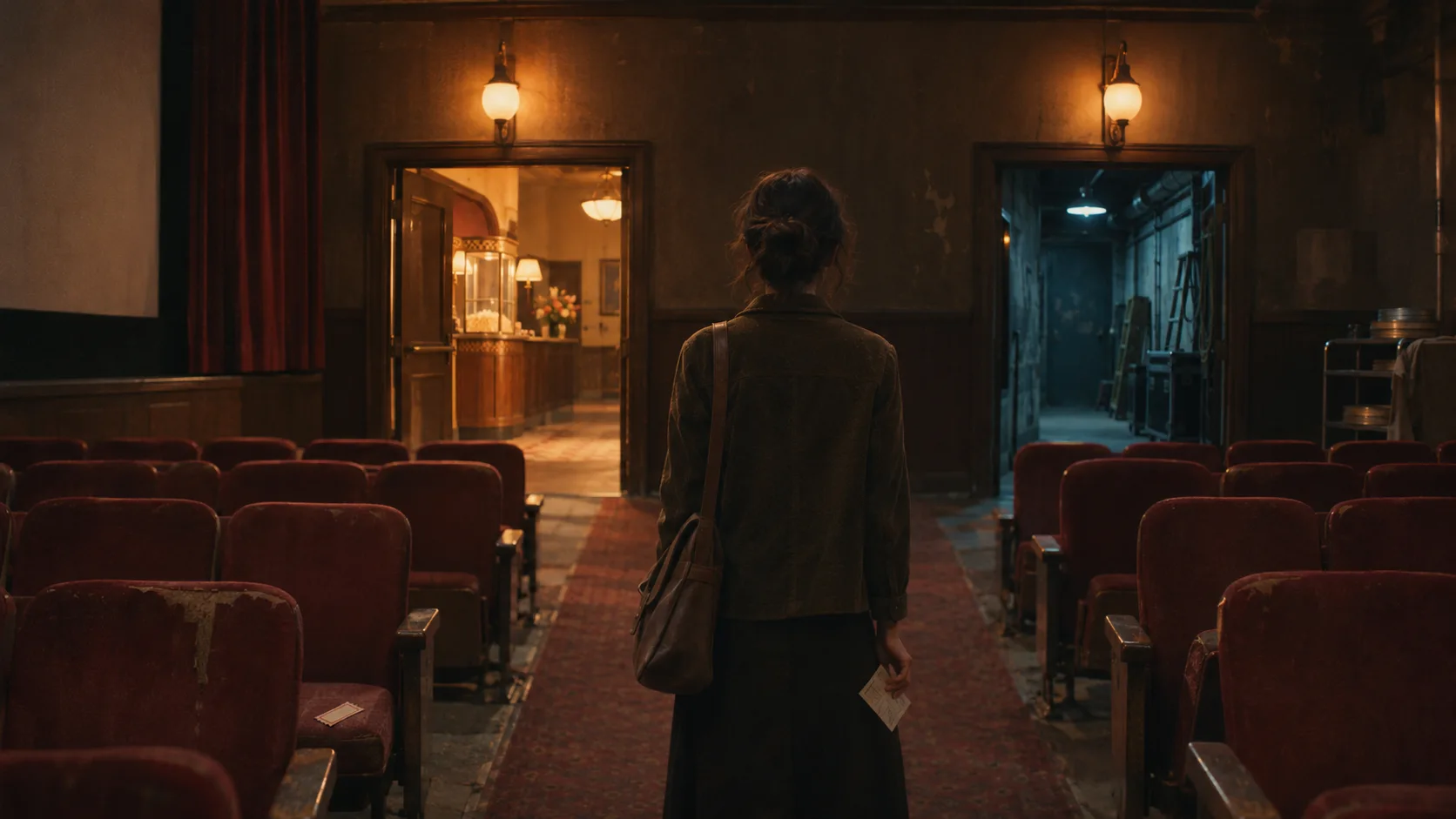
A museum guard finds one display case open and a wet footprint leading toward two exits. Review whether the choice and its result are easy to follow.
A museum guard finds one display case open and a wet footprint leading toward two exits. Introduce the night shift and let the player choose which trail to follow.
 Opening scene ↗
Why SEELE
Give them an action that changes what happens next.

Let the player understand what each option may cost.

Track clues and relationships that later scenes depend on.

Use visible locations and goals to orient the player.

Connect the ending to the mystery or conflict from the first scene.

Check that every route has enough context to make sense.
Made with SEELE
These games are playable. Pick one and give it a try.
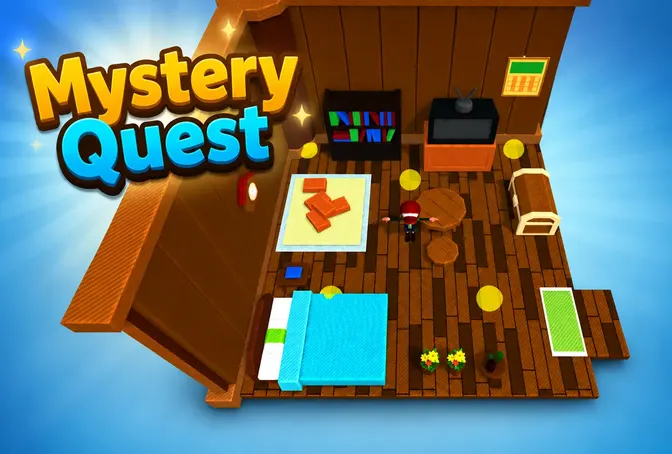 AdventureAdventure GamePlay the example ↗
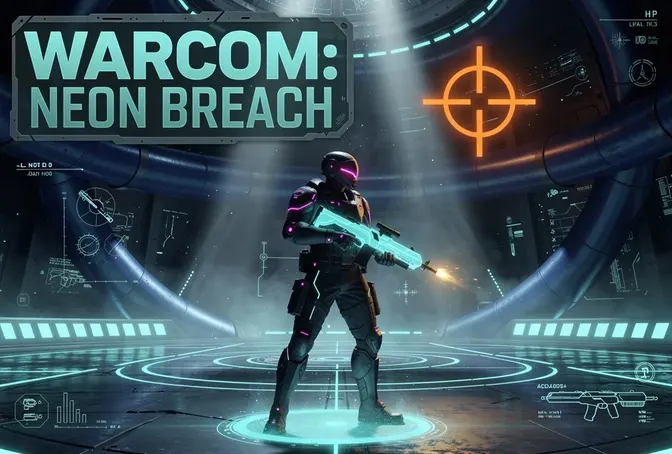 ShooterWarcom: Neon BreachPlay the example ↗
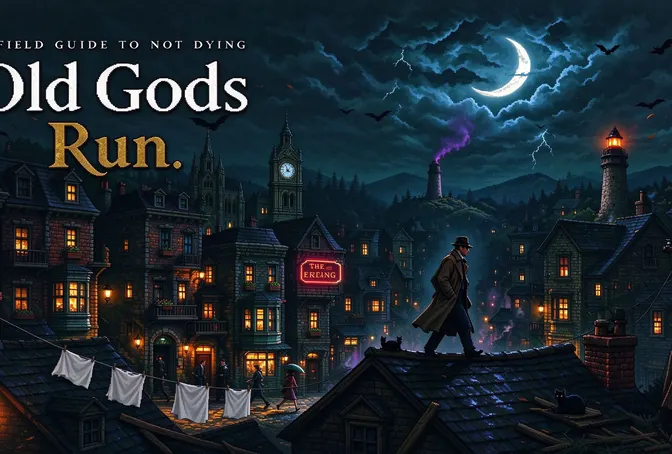 ActionOld Gods RunPlay the example ↗
 CasualCaution! Egg on the Car RoofPlay the example ↗
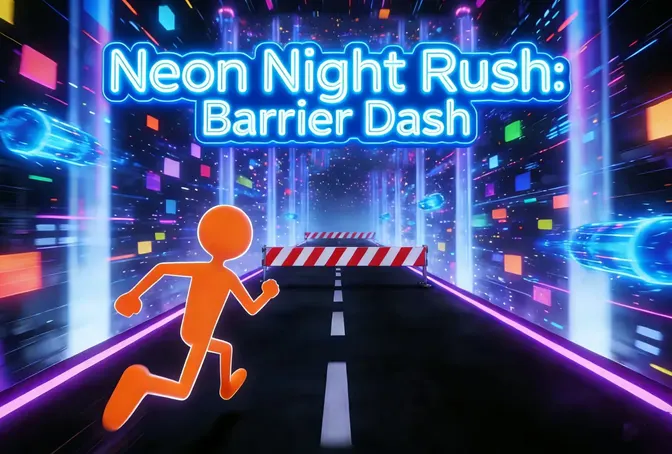 RunnerNeon Night Rush: Barrier DashPlay the example ↗
 PuzzleMuseum ExhibitionPlay the example ↗
 SimulationMilky Way Idle 3DPlay the example ↗
 CasualSnowfall & Starry GiftsPlay the example ↗
 RPGCrownfall-The-Three-Realms-CoverPlay the example ↗
 SimulationFLYING CARPlay the example ↗
Who it’s for
Define the player, one core mechanic, and one testable outcome for a first AI Interactive Game Generator for Story Games brief. Keep the scope small enough to playtest.
AI Cinematic Interactive Story Generator ↗
Compare AI Interactive Game Generator for Story Games directions against the target player and engine workflow before the team commits to a larger build.
Interactive Election Story ↗Reviews
FAQ
For AI Interactive Story Game, describe the intended interaction, visual direction, and one constraint. Review the result against that brief, then refine any mismatch before expanding the scope.
You can define a first AI Interactive Game Generator for Story Games pass in a plain-language brief. If the workflow returns code or assets, inspect and test them before sharing or extending the project.
This AI Interactive Game Generator for Story Games page does not verify the requested behavior: “Can I add more scenes or endings later.” Check the current Workspace options and validate a small example against the target requirements.
Before a first AI Interactive Game Generator project, define the task, intended audience, one visible outcome, and a constraint. Use Opening scene as a direction that fits the brief.
Open on the night shift: a display case is open and a wet footprint leads toward two exits. Let the player choose which trail the museum guard follows before revealing the next clue.
For AI Interactive Game Generator, name the intended user, one action, and a visible outcome. Use Opening scene as a starting direction and add one requirement from its example prompt.
Ask a reader to play both routes and explain what each choice risks. They should understand why preserving the exhibit room conflicts with helping the injured visitor reach the lobby.
Choose Opening scene to test the footprints and two trails. Choose Meaningful choice to compare protecting the exhibit with helping the visitor; make the cost of each route visible before the decision.
Check that the open case and wet footprint point somewhere, each exit leads to a different consequence, and the injured visitor’s route does not erase the exhibit risk.
Scope a first AI Interactive Game Generator prototype to Opening scene, one user action, and one visible outcome. Defer secondary features until that path works.
Choose Opening scene to test the footprints and two trails. Choose Meaningful choice to compare protecting the exhibit with helping the visitor; make the cost of each route visible before the decision.
If both options lead to the same scene, make one consequence distinct. If the player cannot see the trade-off, reveal the immediate risk before they choose.
Match a linked tool's input and output to one need in the AI Interactive Game Generator brief. If it does not support that step, skip it and keep the test in the main project.
Review the linked guides most relevant to AI Interactive Game Generator. Choose one based on your question and check its scope before applying the steps.