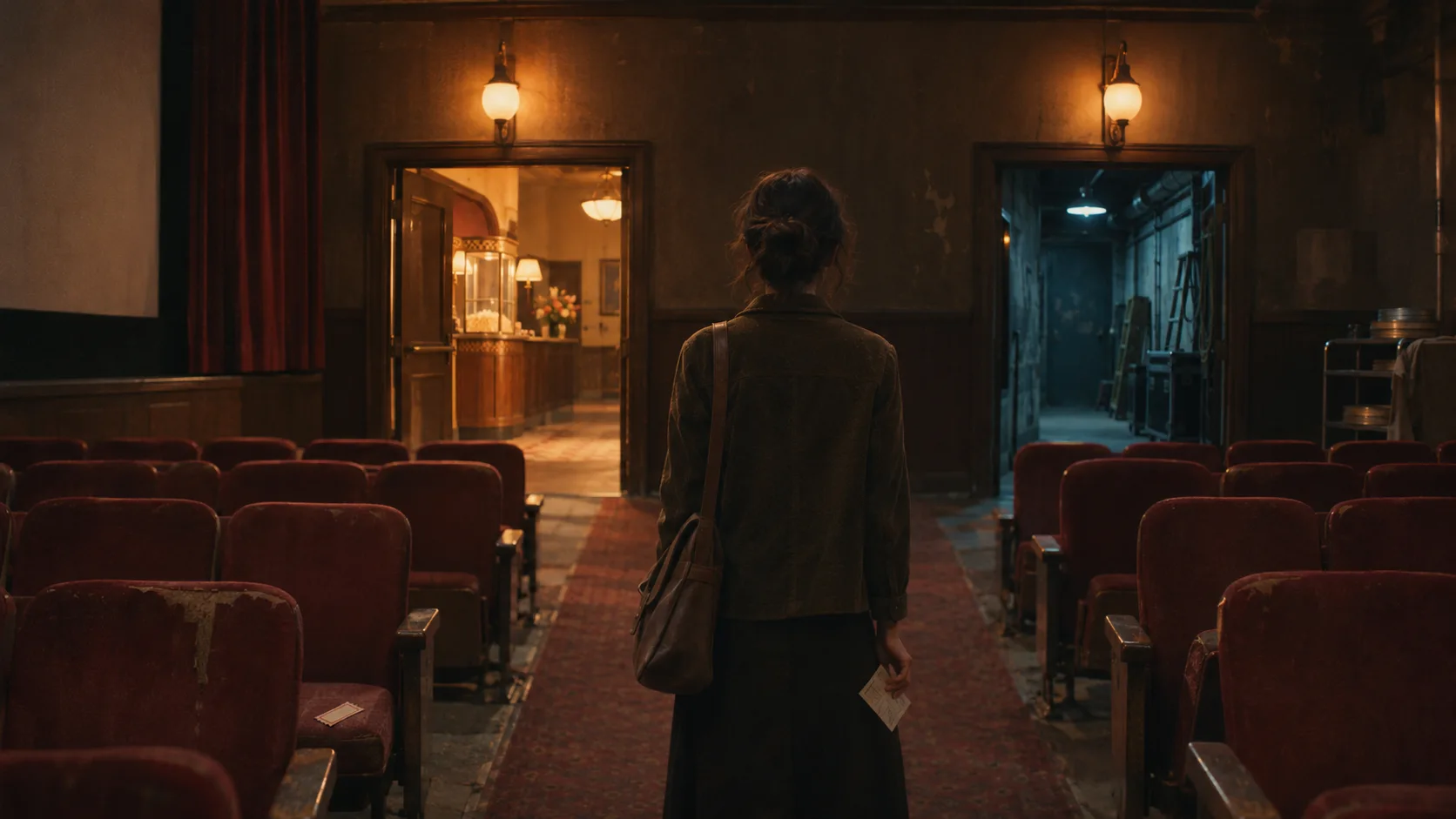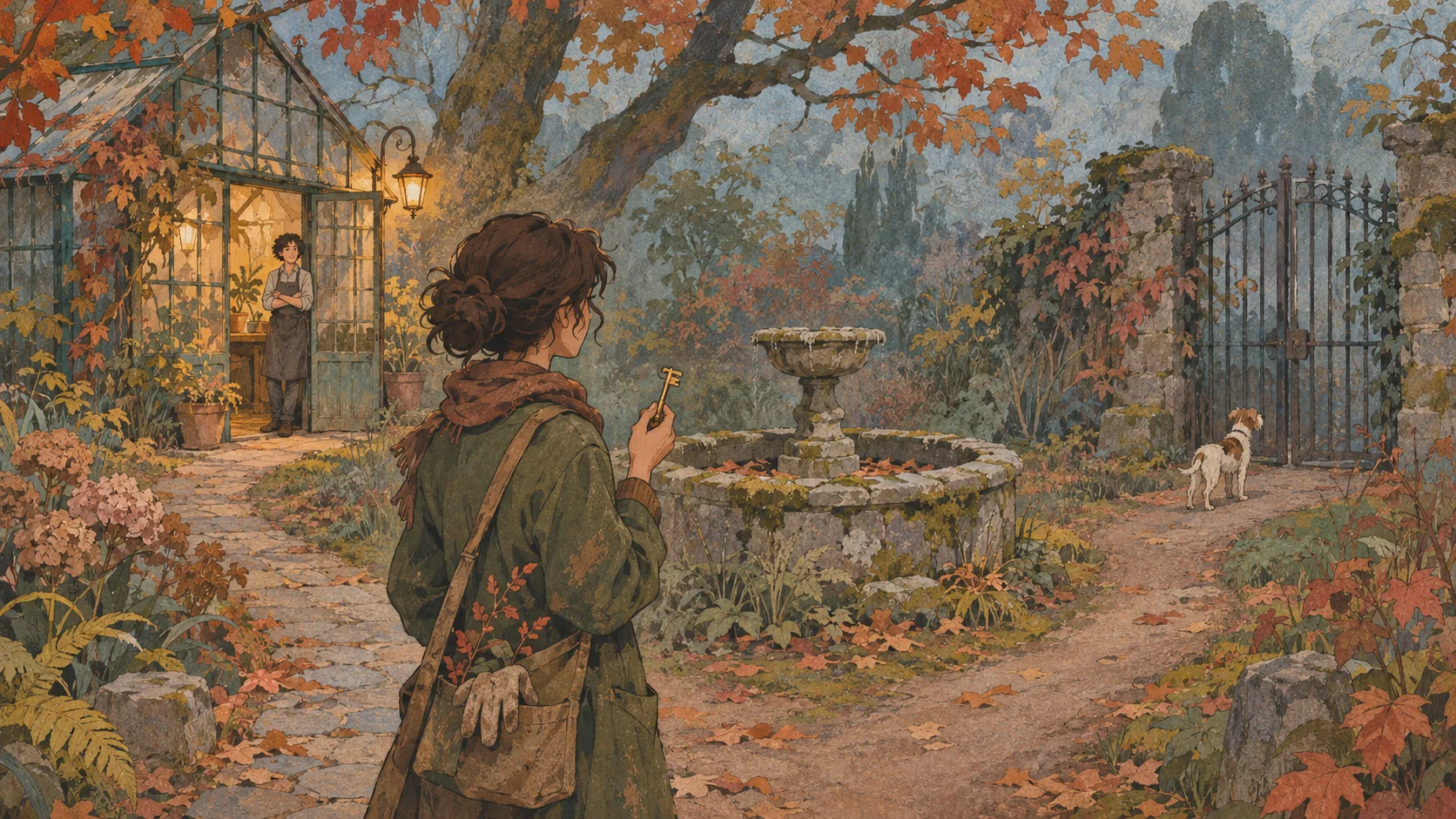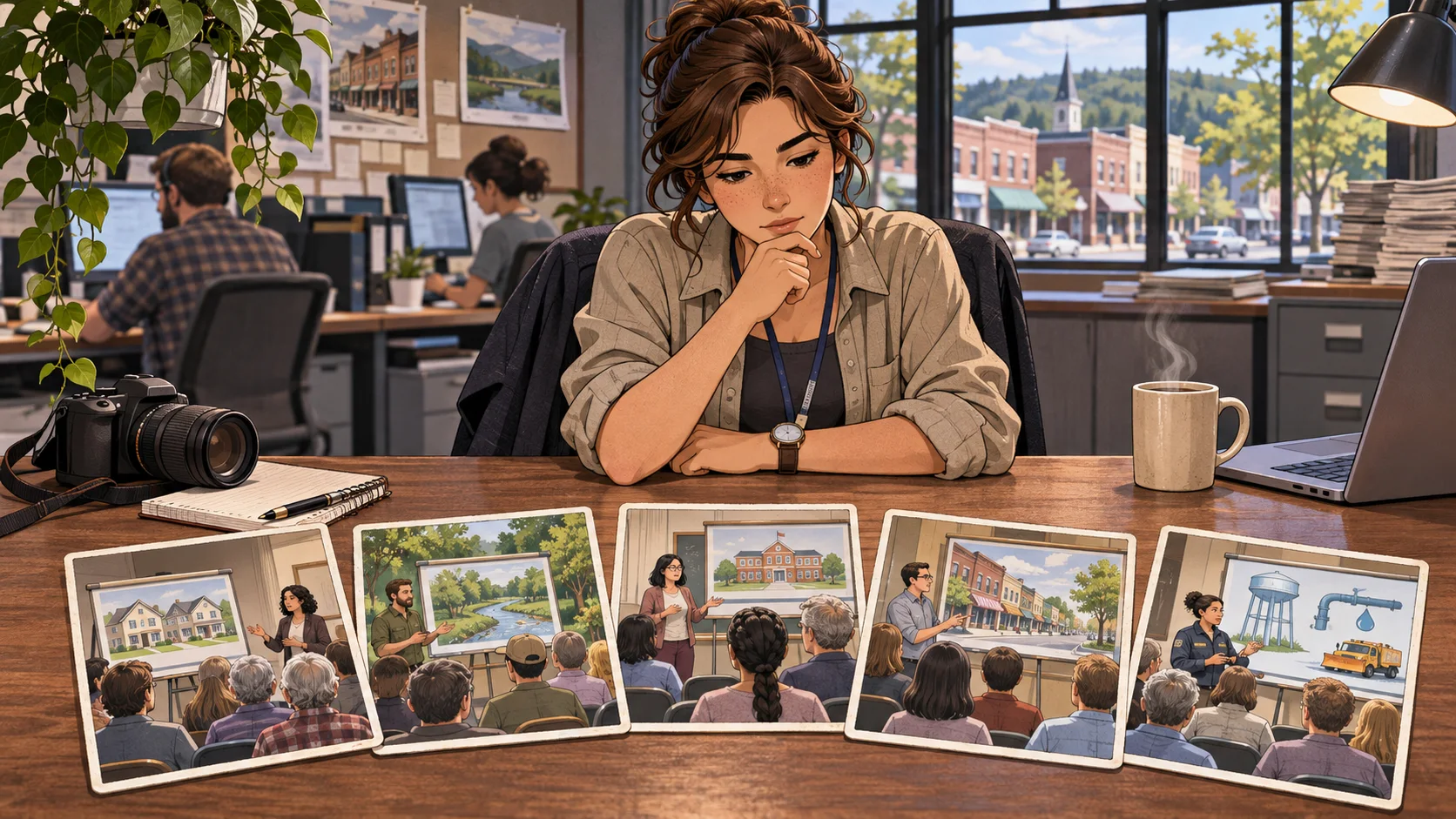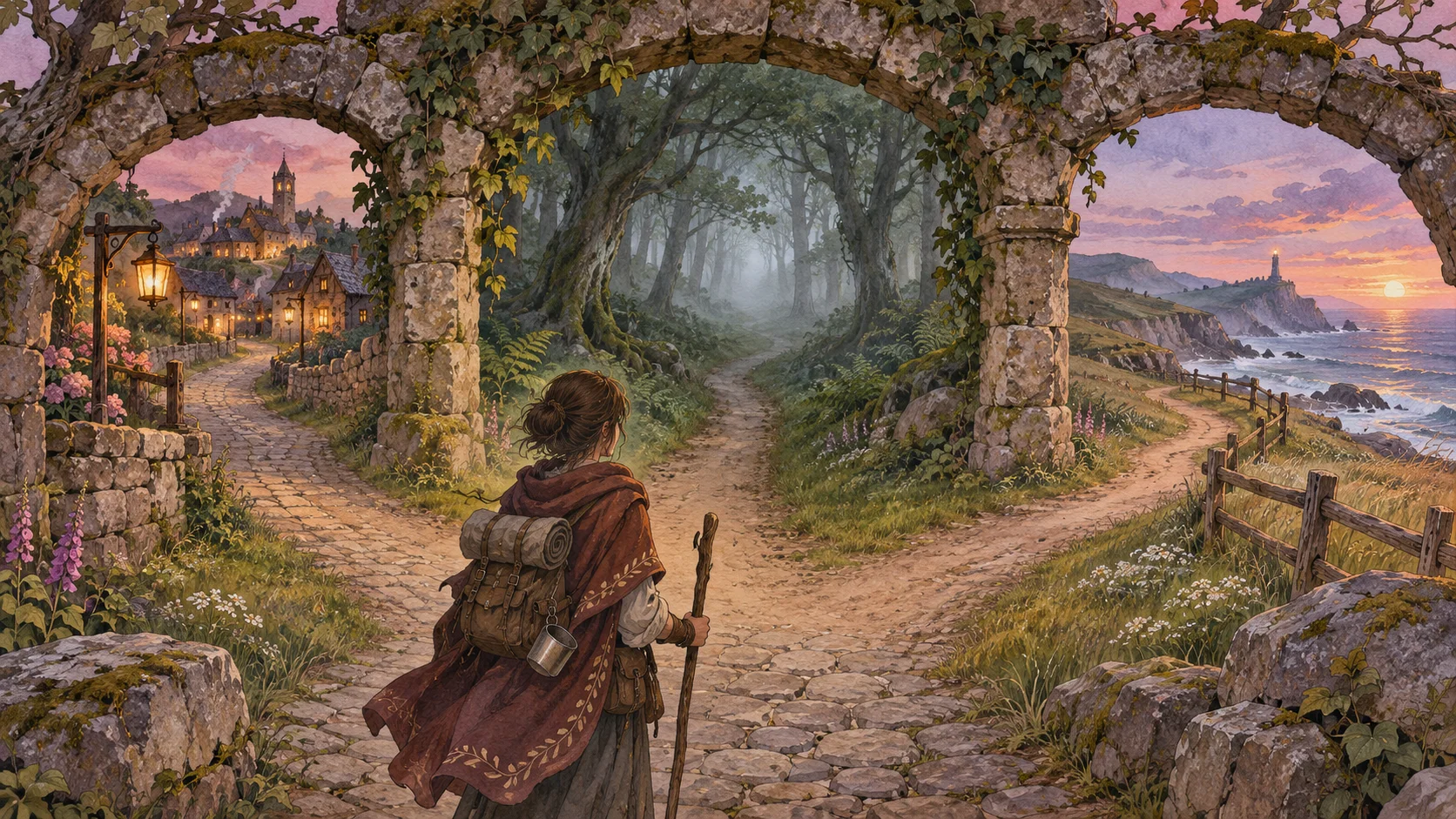

Choose one story beat
Focus on a moment that can become a player decision.

Choose a story moment, turn it into a player action, and show how play changes the scene. Adapt an original story premise into a game sequence by identifying the protagonist, the player’s role, the central obstacle, and a consequence that can be played.
Partners and teams

















How it works
Start with one machine, automate collection, and give players a reason to save up for an upgrade.
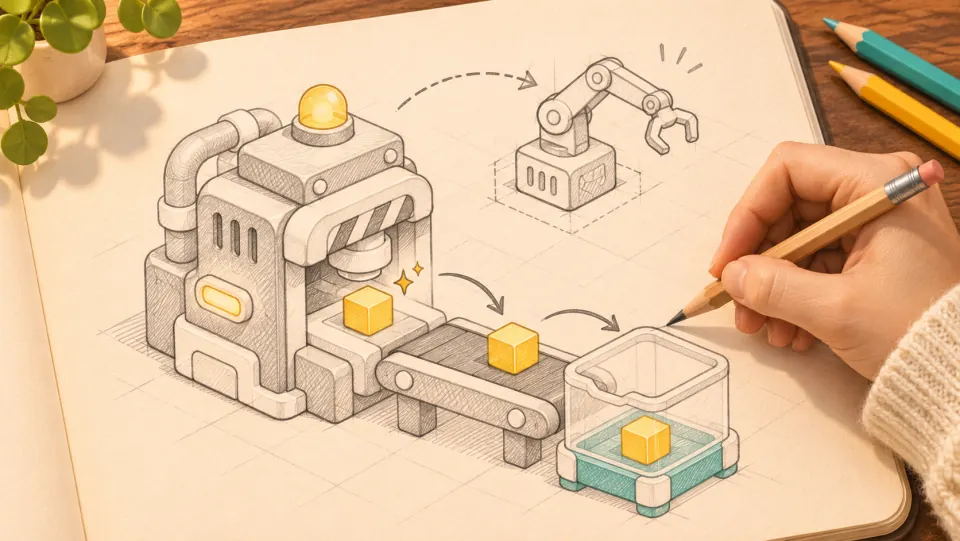
Players collect gold cubes for coins, then spend those coins on a robot arm that takes over collection.
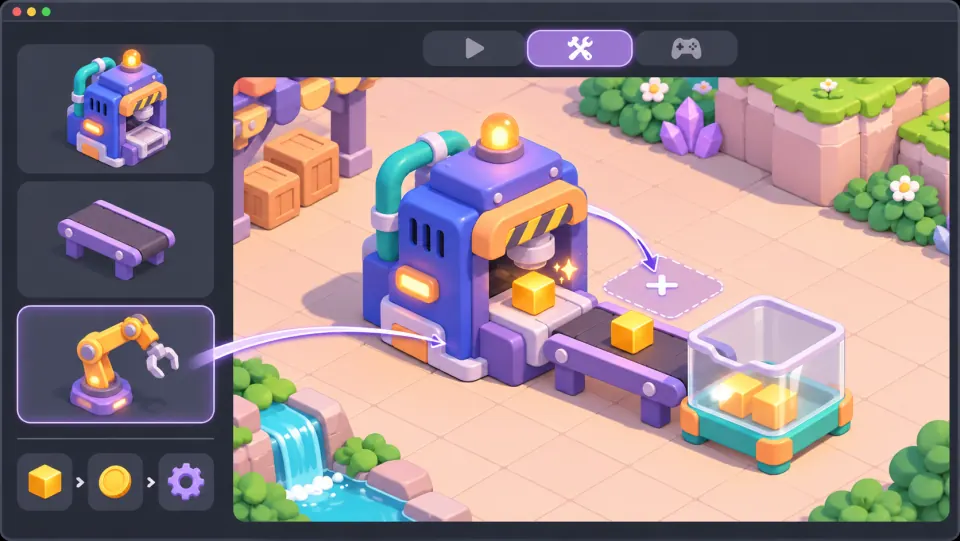
Ask seeleAgent to add the press, conveyor, and robot arm. Set how fast cubes come out, what they earn, and what upgrades cost.
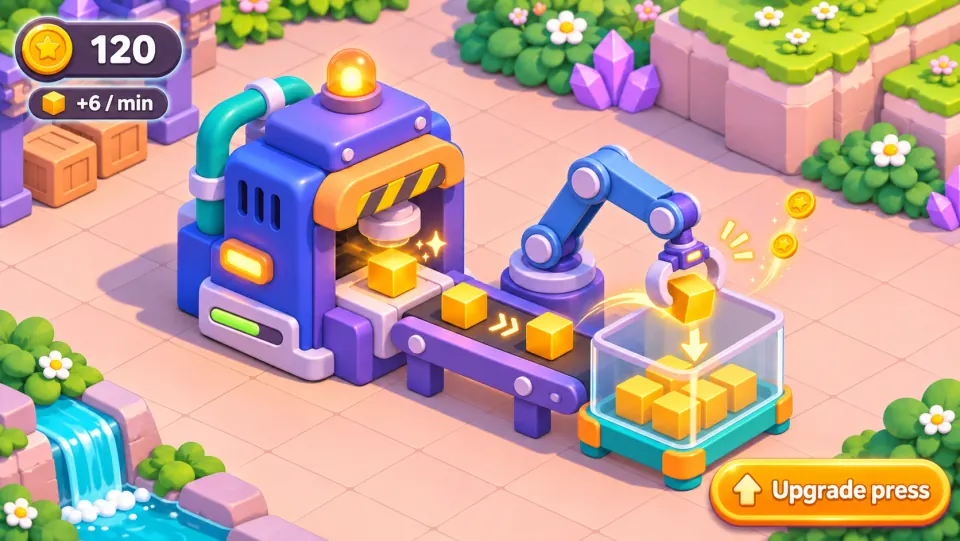
Watch the arm collect cubes. When you have enough coins, upgrade the press and see how much faster the line runs.
Make a game for freePick a starting point
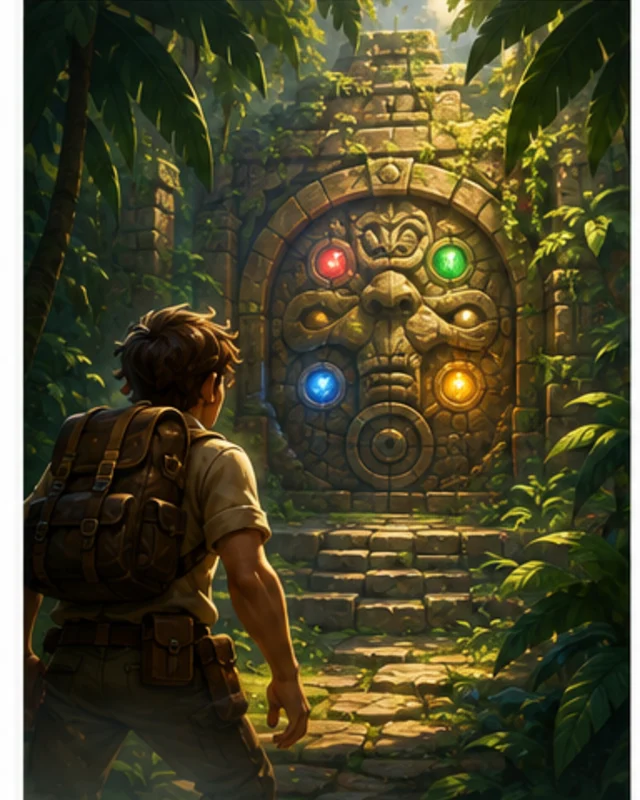
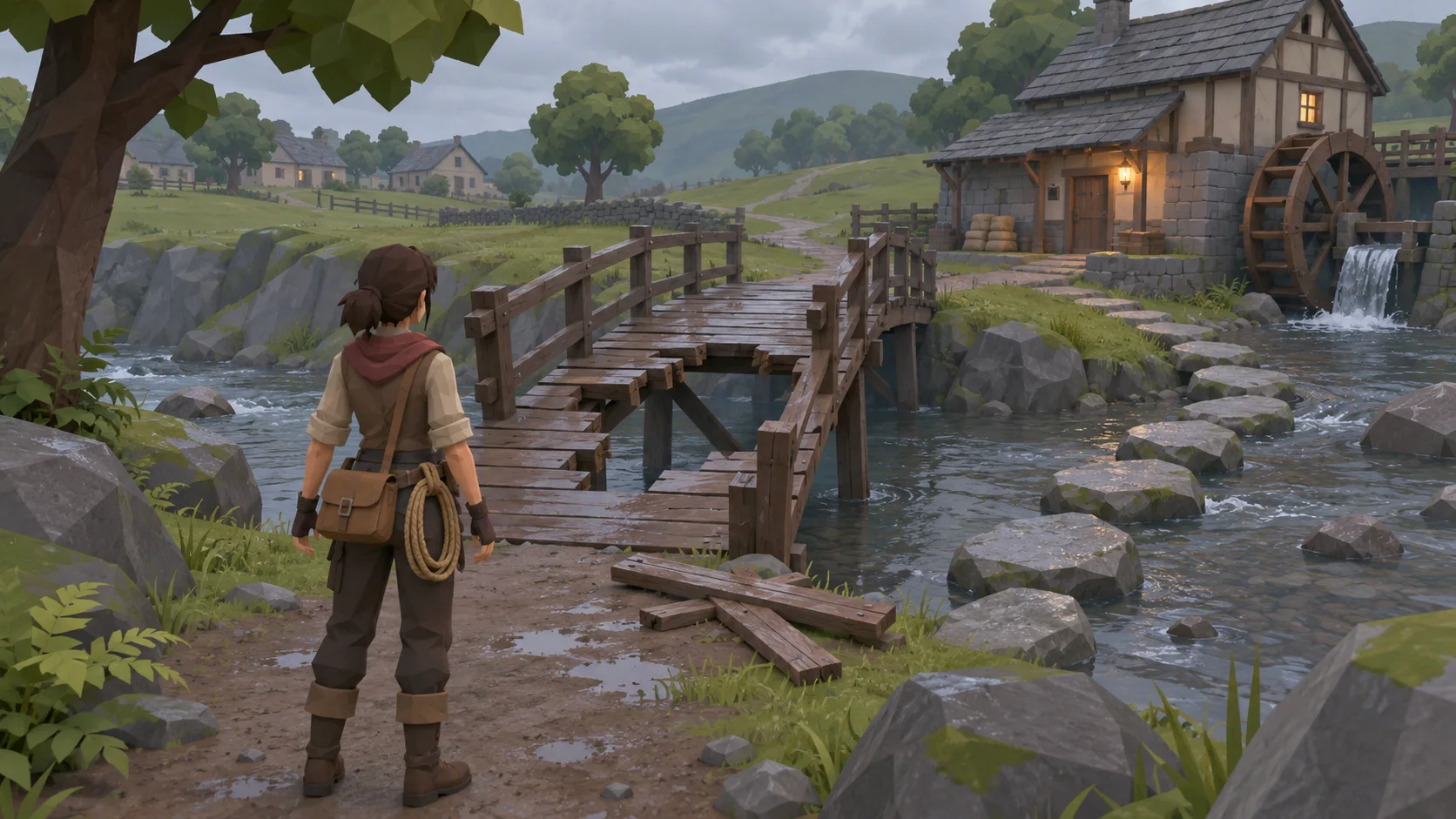
In an original folktale, a village messenger discovers the river has reversed direction. Review whether the choice and result are visible during play.
In an original folktale, a village messenger discovers the river has reversed direction. Let the player decide whether to warn the miller or follow the current toward the mountain.
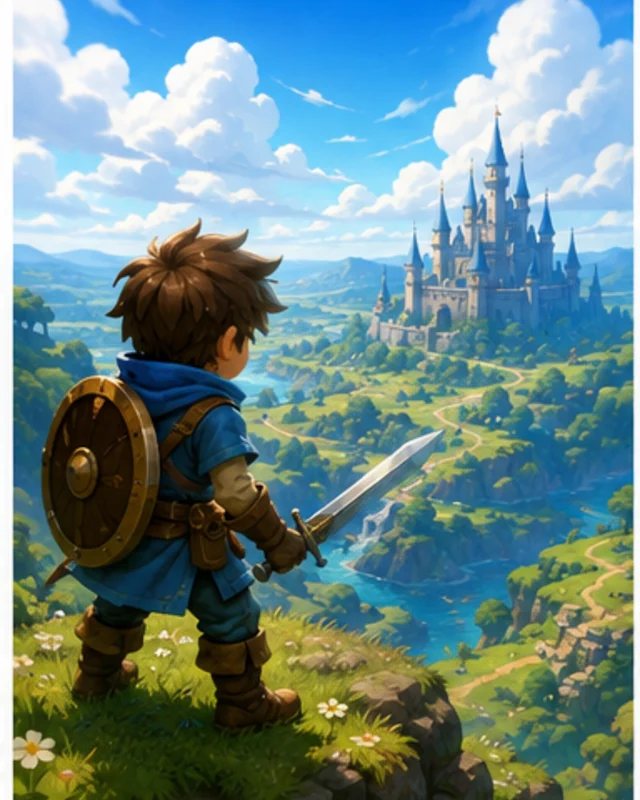 Story moment ↗
Why SEELE
Focus on a moment that can become a player decision.

Explain why they can affect the story events.

Use movement, choices, or resource use to express the conflict.

Let actions change later scenes or relationships.

Use an original story or confirm you can adapt the source.

Check that the game keeps the story’s central motive and stakes.
Made with SEELE
These games are playable. Pick one and give it a try.
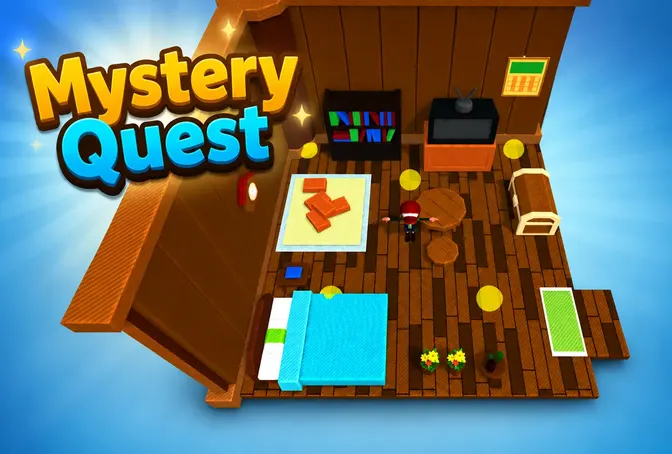 AdventureAdventure GamePlay the example ↗
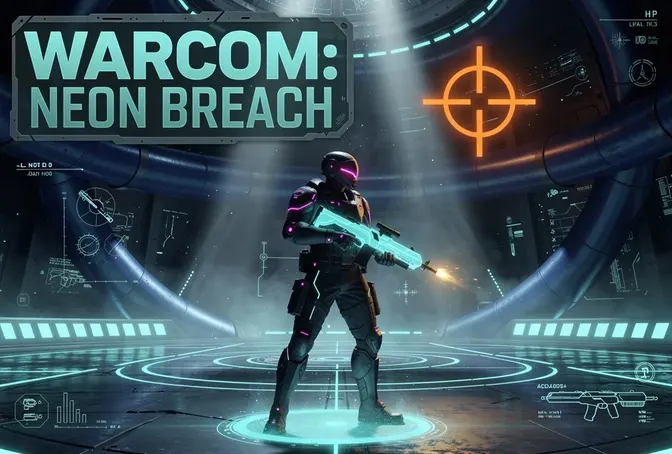 ShooterWarcom: Neon BreachPlay the example ↗
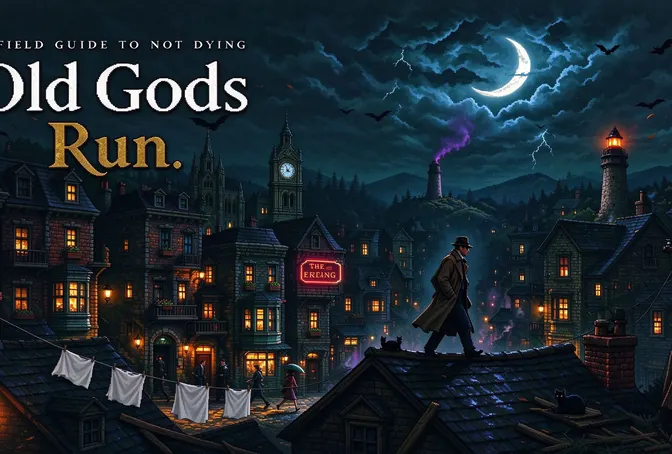 ActionOld Gods RunPlay the example ↗
 CasualCaution! Egg on the Car RoofPlay the example ↗
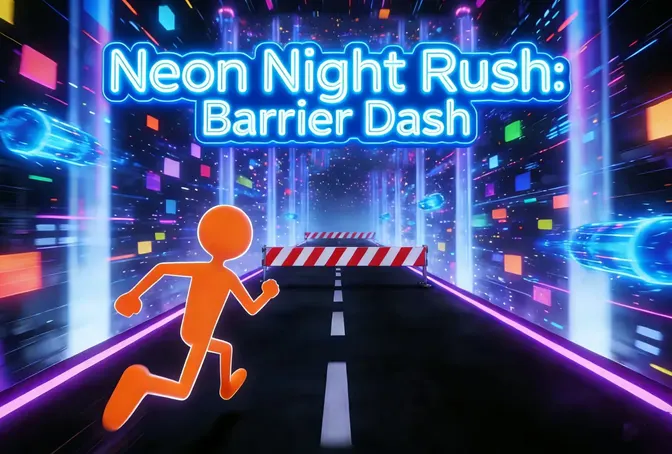 RunnerNeon Night Rush: Barrier DashPlay the example ↗
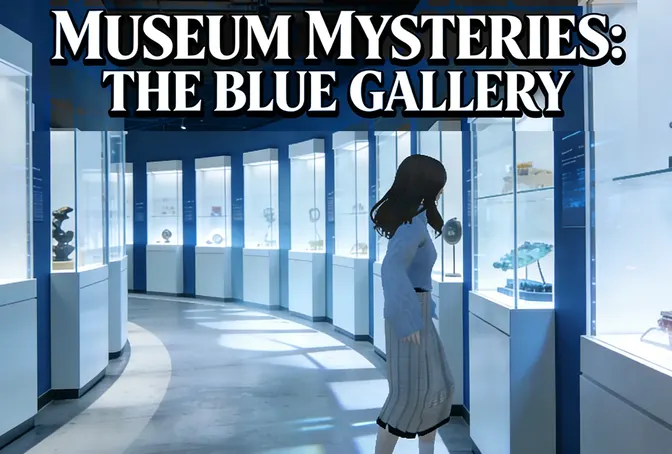 PuzzleMuseum ExhibitionPlay the example ↗
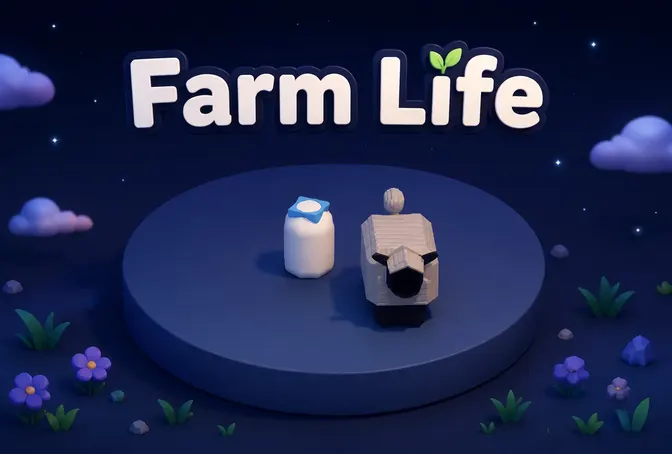 SimulationMilky Way Idle 3DPlay the example ↗
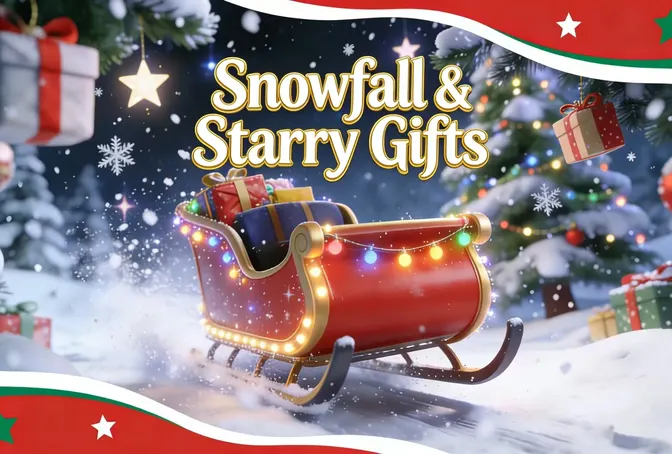 CasualSnowfall & Starry GiftsPlay the example ↗
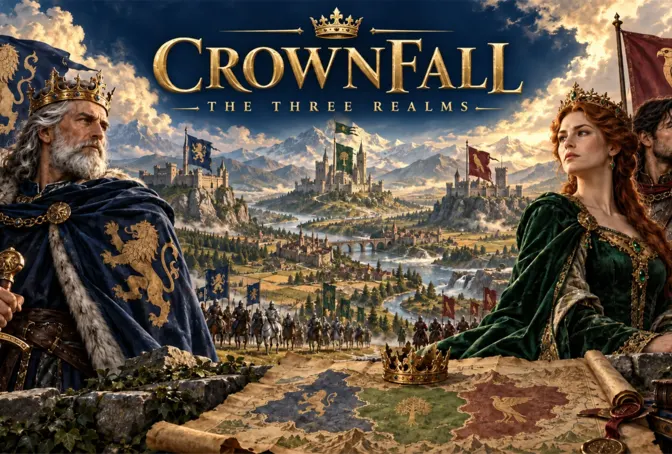 RPGCrownfall-The-Three-Realms-CoverPlay the example ↗
 SimulationFLYING CARPlay the example ↗
Who it’s for
Define the player, one core mechanic, and one testable outcome for a first AI Story to Game Generator brief. Keep the scope small enough to playtest.
AI Interactive Game Generator for Story Games ↗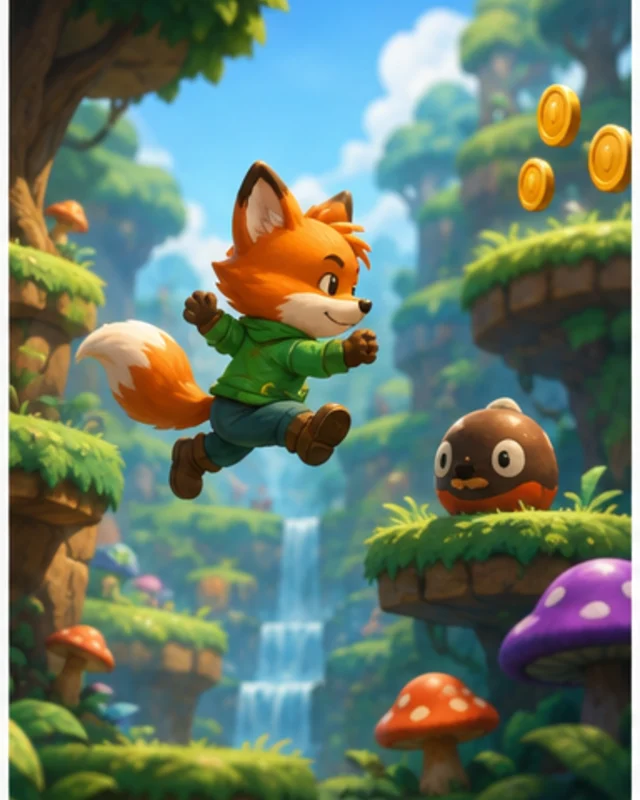
Compare AI Story to Game Generator directions against the target player and engine workflow before the team commits to a larger build.
AI Cinematic Interactive Story Generator ↗Reviews
FAQ
The AI Story to Game Generator starting points include the first scoped outcome. Choose a format and audience that fit your project, then add one success condition for review.
You can define a first AI Story to Game Generator pass in a plain-language brief. If the workflow returns code or assets, inspect and test them before sharing or extending the project.
This AI Story to Game Generator page does not verify the requested behavior: “Can I add more levels or mechanics later.” Check the current Workspace options and validate a small example against the target requirements.
Before a first AI Story to Game Generator project, define the task, intended audience, one visible outcome, and a constraint. Use Opening scene as a direction that fits the brief.
To get started with AI Story to Game Generator, use Describe the job as the first step. Set one goal, audience, and constraint; test a small version, then change one thing at a time.
For AI Story to Game Generator, name the intended user, one action, and a visible outcome. Use Opening scene as a starting direction and add one requirement from its example prompt.
Ask someone who matches the intended player or viewer for AI Story to Game Generator to test its main action. Note where the brief is unclear, then revise once before adding features.
For AI Story to Game Generator, try Opening scene first. Define the action, outcome, and one constraint, then compare another direction only if the first misses the brief.
Check the AI Story to Game Generator result against the brief, intended behavior, and first workflow step. Record one mismatch and test that change before expanding scope.
Scope a first AI Story to Game Generator prototype to Opening scene, one user action, and one visible outcome. Defer secondary features until that path works.
Compare Opening scene and Meaningful choice for AI Story to Game Generator using the same user action and visible outcome. Choose the direction that fits the brief with fewer assumptions.
After reviewing AI Story to Game Generator, record one gap between the brief and result. Make one focused change, then test the same action against the original outcome.
Match a linked tool's input and output to one need in the AI Story to Game Generator brief. If it does not support that step, skip it and keep the test in the main project.
Review the linked guides most relevant to AI Story to Game Generator. Choose one based on your question and check its scope before applying the steps.