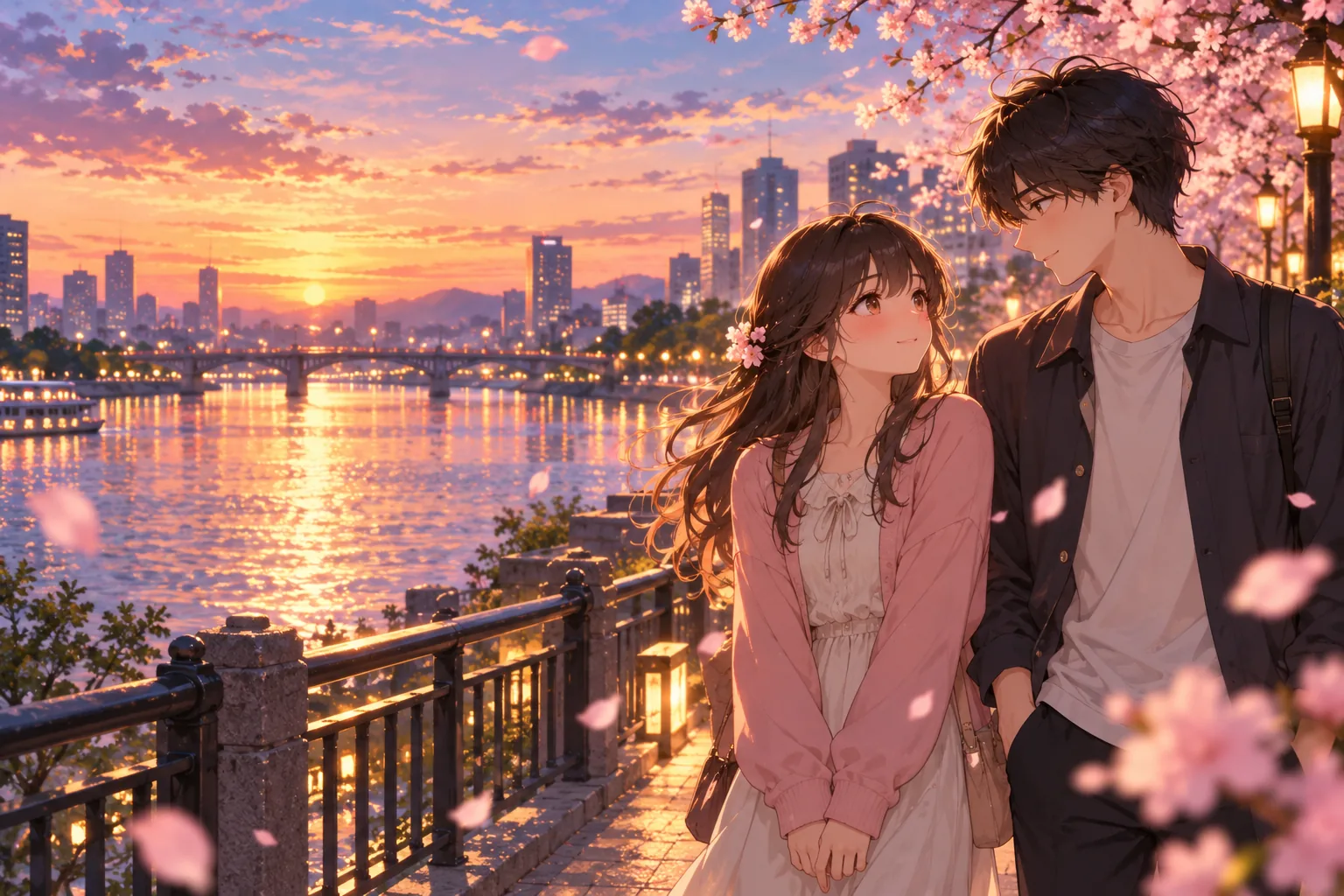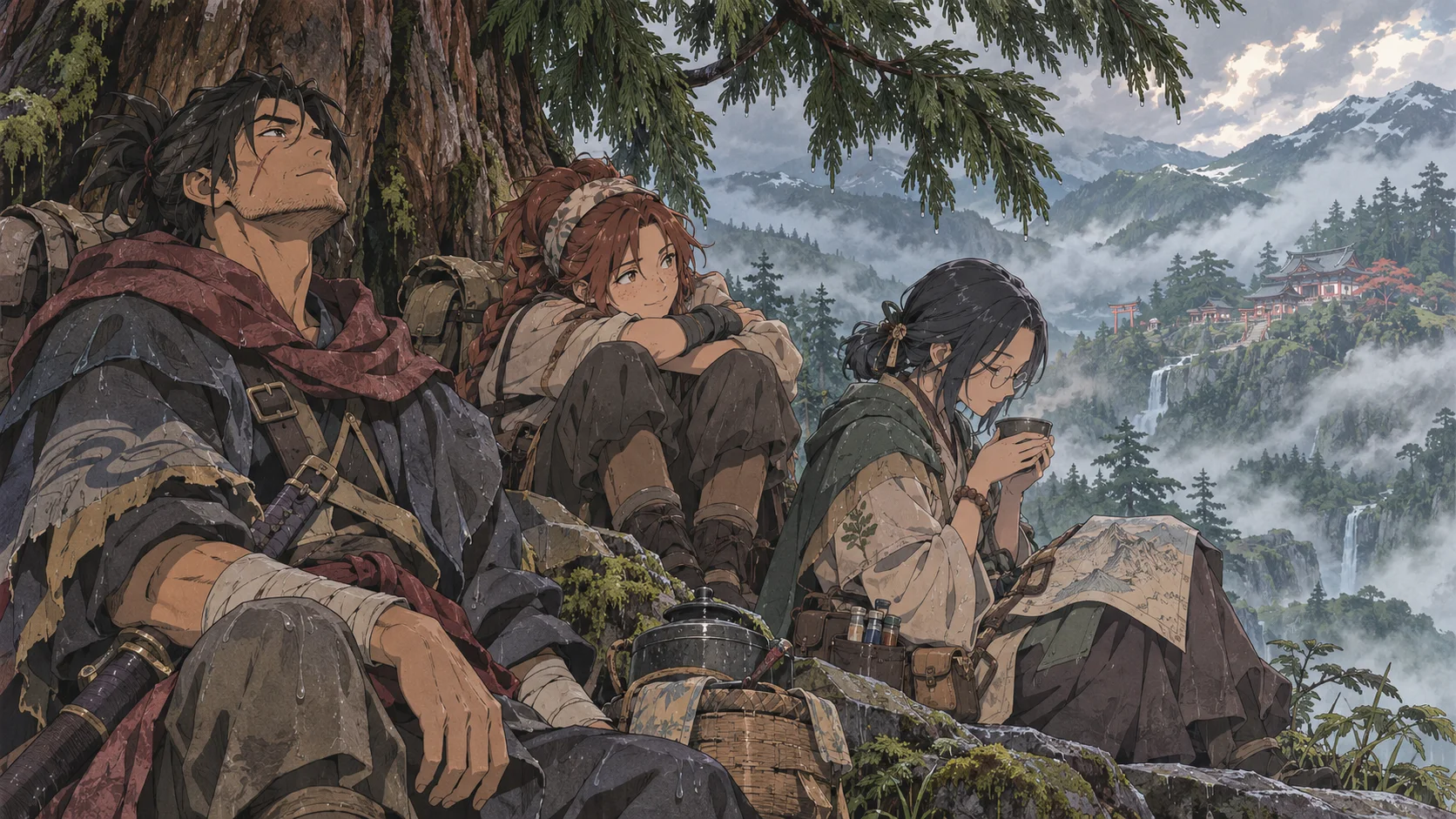

Start with a playable premise
Define what the player does and why the opening scene matters.

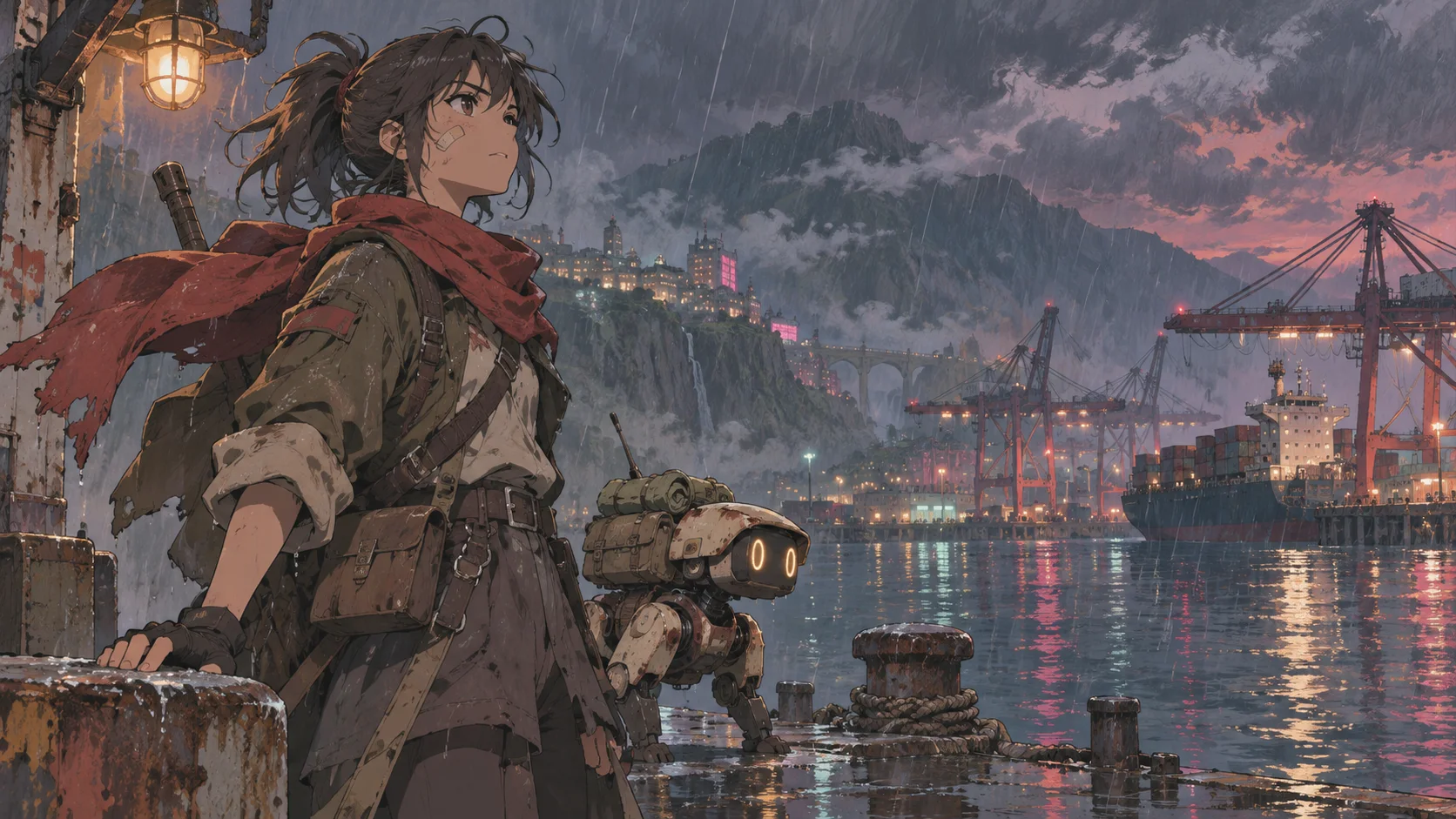
Build an original cast, a clear player choice, and a world with its own rules. Plan an anime-inspired game with original characters and settings. Define the player role, the central conflict, and one meaningful action, then review the scene and gameplay direction before expanding the story.
Partners and teams

















How it works
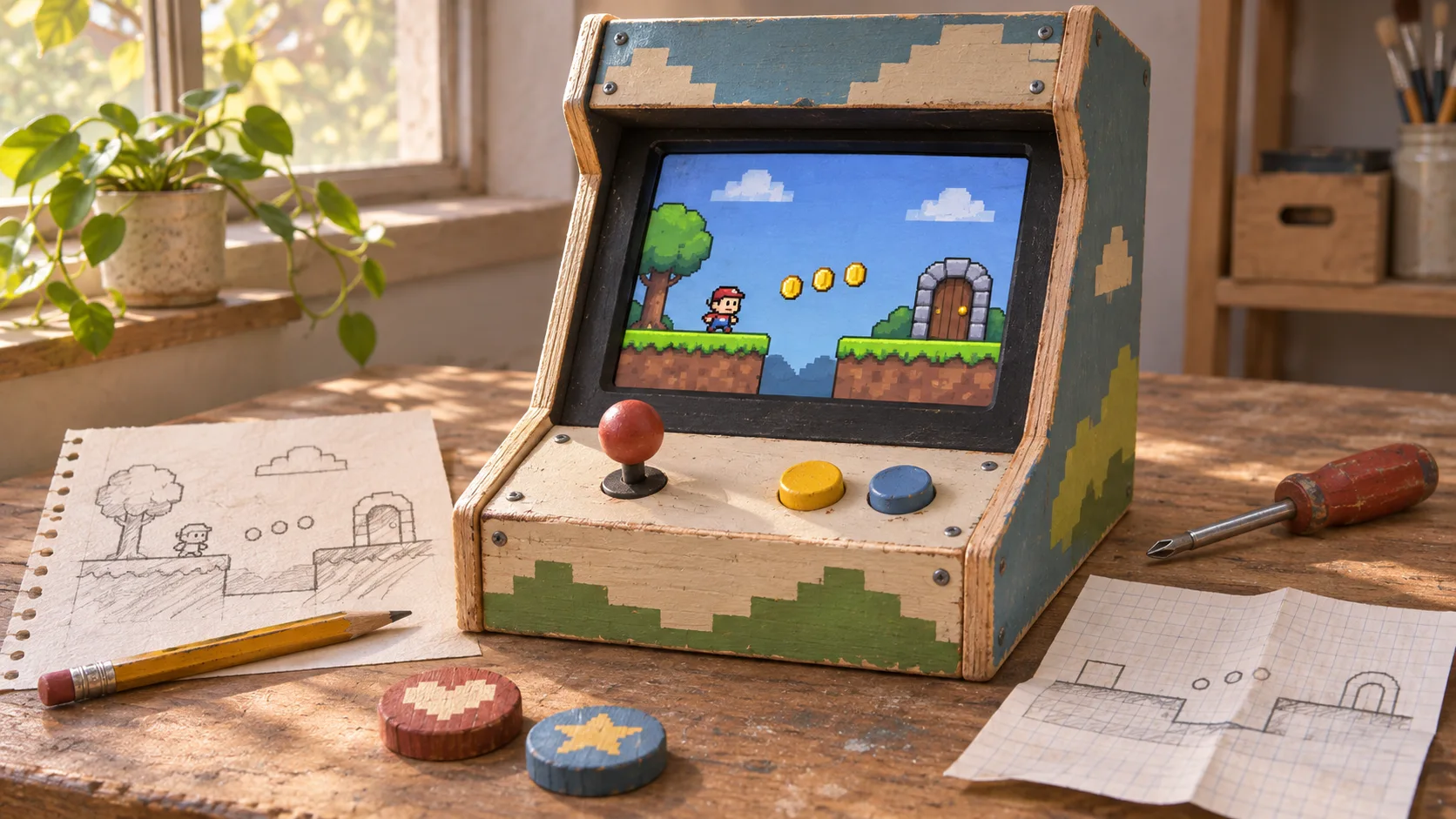
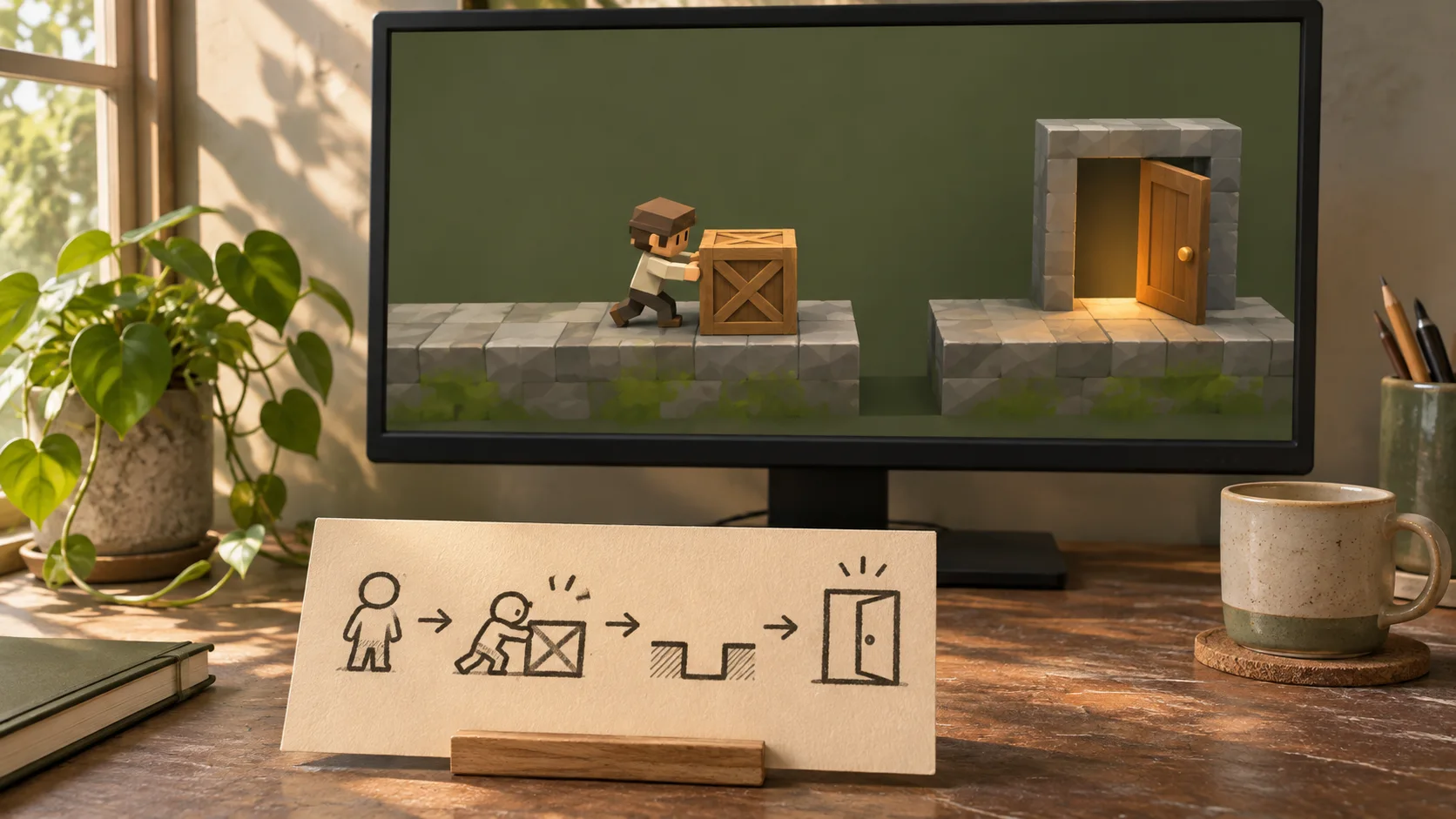
Start with a river to cross and give players the blocks and tools to build their own bridge.
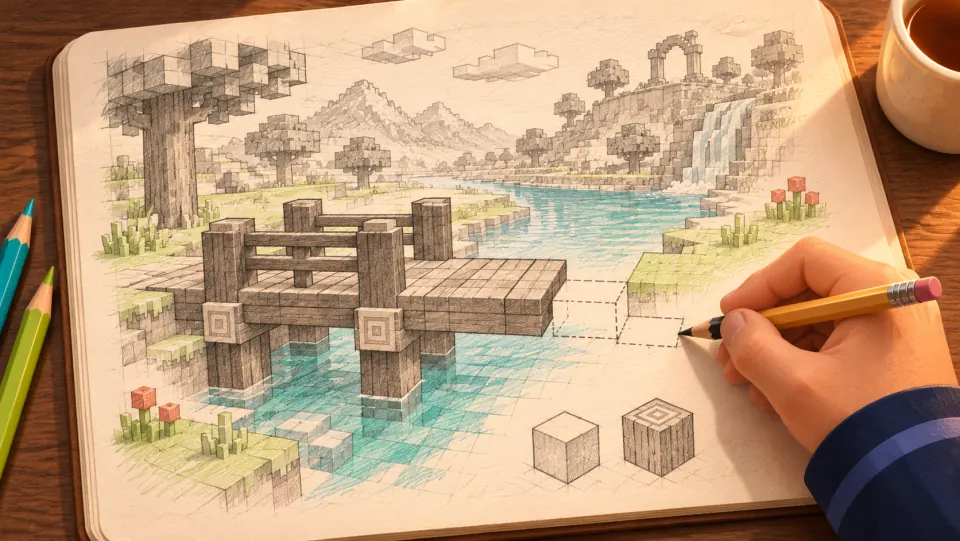
Picture a blocky world where the player reaches a river and builds a wooden bridge to get to the other side.
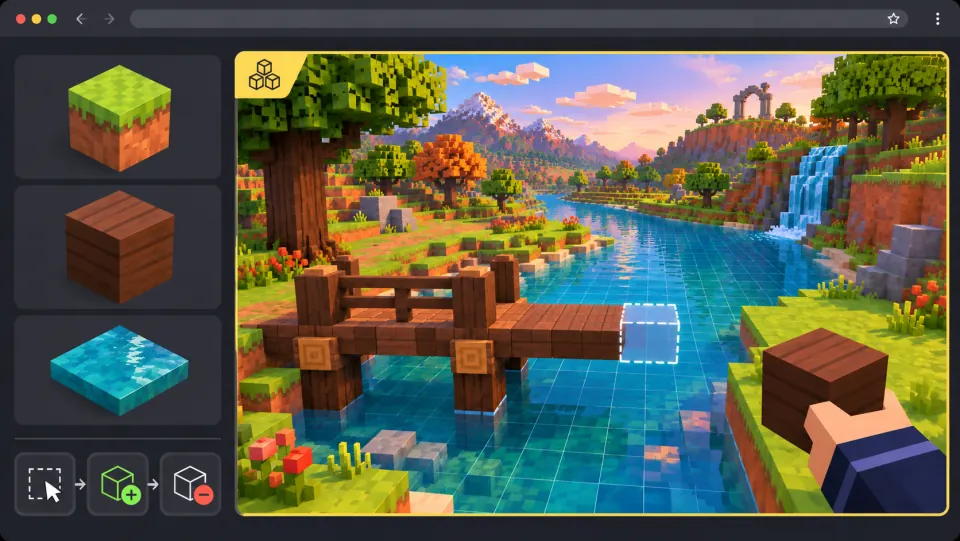
Ask seeleAgent to shape the riverbanks and add wood blocks. Let players preview where each block will go, place it, or remove it.
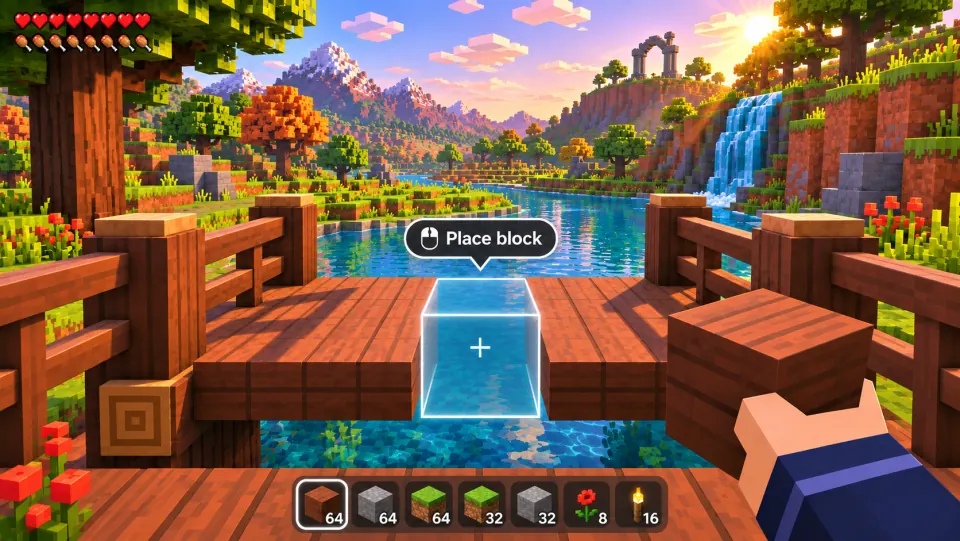
Select a wood block, line up the preview, and click to place it. Finish the bridge and walk across.
Make a game for freePick a starting point
Develop the story, combat, world, or progression one focused question at a time.
Give the protagonist a goal, a rival with a different motive, and a decision that changes what happens next.
Plan the opening scene of an original anime-inspired mystery game. The player is a new transfer student who finds a coded note in the astronomy club room. Introduce one observant classmate and one rival who wants the note hidden. End with a choice between decoding it together or reporting it to the teacher. Use original characters and avoid references to existing series.
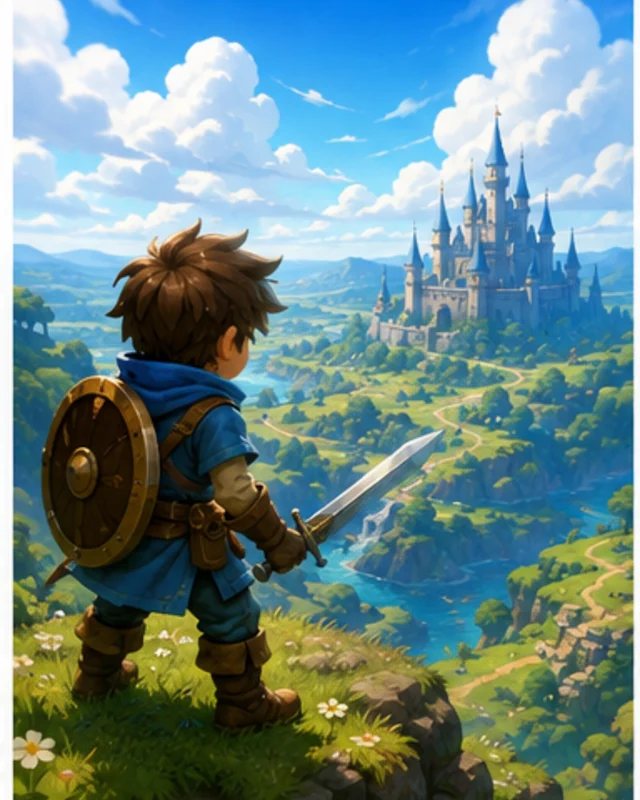 Build a story around a player choice ↗
Why SEELE
Define what the player does and why the opening scene matters.

Give each character a goal, a point of tension, and a recognizable voice.

Pair an ability with a limit so players have a real decision to make.

Make locations reveal story information or change the route forward.

Show what changes immediately and what may return later.

Use genre conventions as inspiration while creating new names, designs, and settings.
Made with SEELE
These games are playable. Pick one and give it a try.
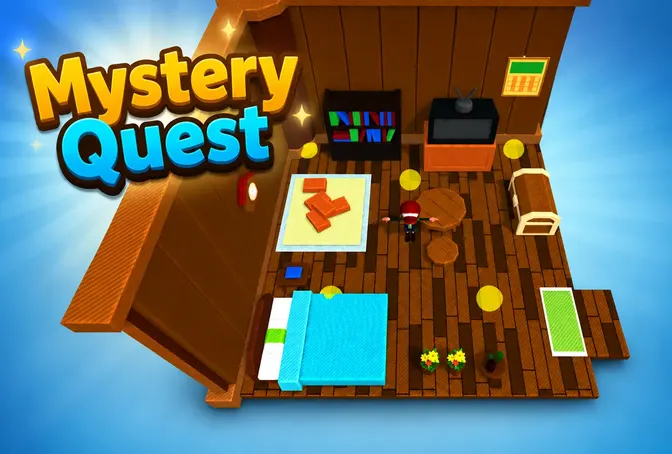 AdventureAdventure GamePlay the example ↗
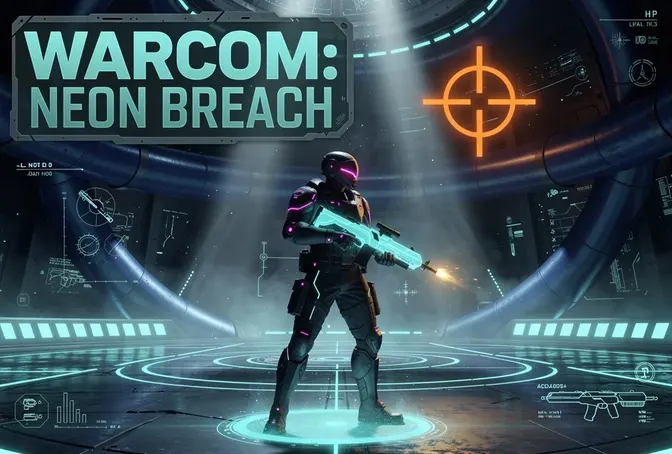 ShooterWarcom: Neon BreachPlay the example ↗
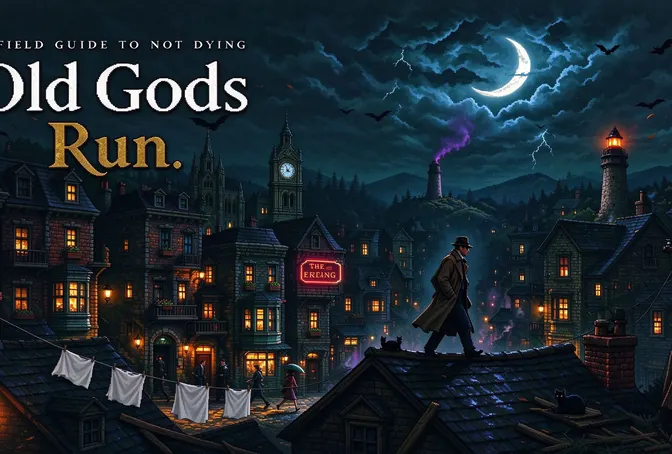 ActionOld Gods RunPlay the example ↗
 CasualCaution! Egg on the Car RoofPlay the example ↗
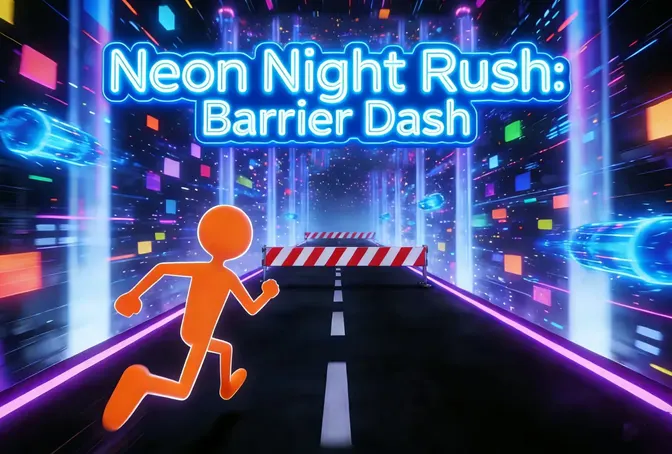 RunnerNeon Night Rush: Barrier DashPlay the example ↗
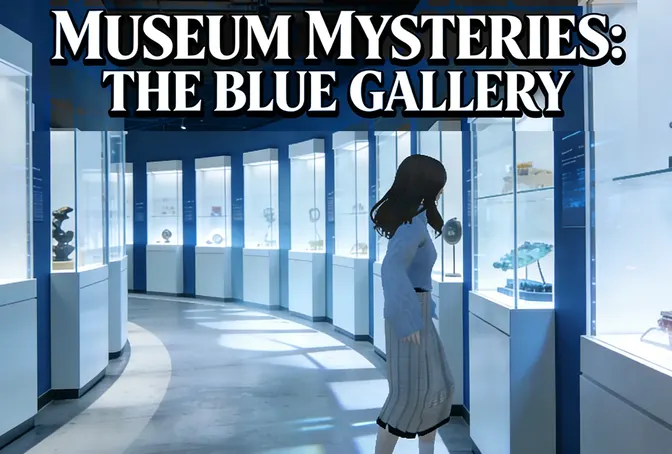 PuzzleMuseum ExhibitionPlay the example ↗
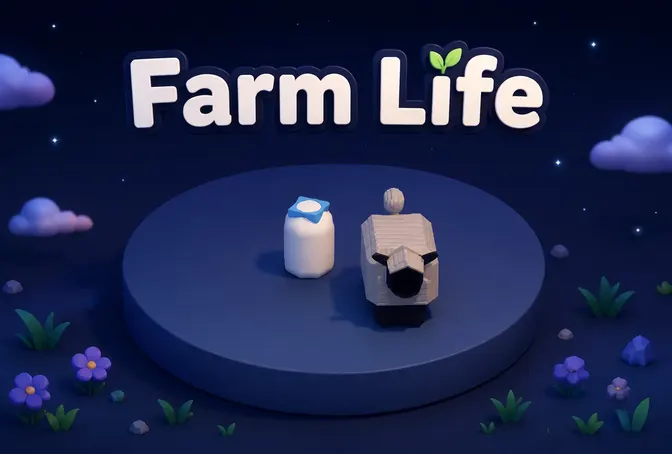 SimulationMilky Way Idle 3DPlay the example ↗
 CasualSnowfall & Starry GiftsPlay the example ↗
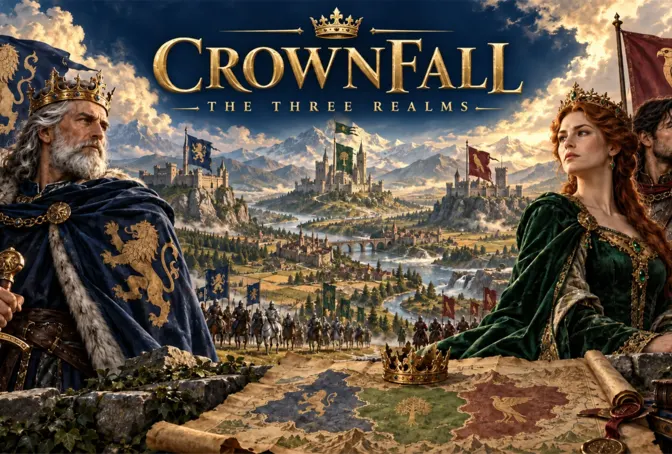 RPGCrownfall-The-Three-Realms-CoverPlay the example ↗
 SimulationFLYING CARPlay the example ↗
Who it’s for
A focused outline helps writers, designers, and small teams discuss what to prototype next.
Shape an original premise, cast, and opening choice.
Anime AI Game Maker ↗
Connect character abilities, world details, and player decisions.
Game Generator AI Free ↗
Turn a broad idea into a scene and a mechanic the team can review.
AI Game Generator from Prompt ↗Compare
Genre and visual inspiration can set a tone; the game still needs original characters, player actions, and consequences.
| Feature | A playable anime-inspired game plan | A collection of genre references |
|---|---|---|
| Story | An original premise with a player goal | A familiar franchise setup without a distinct game hook |
| Characters | Different motives and recognizable voices | Character descriptions based only on appearance |
| Abilities | A power with a readable limit or trade-off | Powers that solve every encounter the same way |
| Choices | Decisions that affect scenes or relationships | Choices with no visible outcome |
| Originality | New names, designs, and settings | Protected characters, logos, or copied storylines |
Reviews
Explore related pages for more game design and development workflow ideas.
FAQ
It can help outline an anime-inspired game premise, original cast, scene, mechanic, or branch. Review the result for a clear player goal and a distinct creative direction.
Use original characters, names, settings, and storylines unless you have the rights to use a franchise. Genre inspiration does not grant permission to copy protected material.
A generated outline or scene is a starting point. A playable game still needs implementation, assets, testing, and revisions in the appropriate development workflow.
Give each character a goal, a conflicting belief, a voice, and a choice they might make under pressure. Avoid relying on a recognizable character’s name or signature design.
You can outline dialogue, character routes, scene beats, and branching choices. Review continuity, pacing, and the consequences on each route.
Describe the player action, enemy behavior, ability limits, and visual tells. Playtest the encounter to check clarity and balance.
State what the ability does, when it can be used, its limitation, and how the player sees its effect. Then test whether it creates interesting decisions.
It can help draft ideas for a cast and setting. Check that character goals, world rules, and the central conflict fit together before adding more detail.
Name the immediate reaction and a later consequence for each option. Keep branches understandable and make sure the choices reflect the characters or stakes.
Review the applicable product terms and independently check originality, rights, factual claims, and any third-party material before release.
Confirm the current Workspace features for image generation. Text describing a character does not itself guarantee a finished image or production-ready asset.
Available export and integration options depend on the current Workspace. Check the formats provided and test them in your chosen engine.
A game needs player actions, rules, feedback, and choices. A story premise becomes a game plan when you define what the player does and how the world responds.
Check originality, story consistency, accessibility, content suitability, technical behavior, and rights for all included text and assets.
Describe the original game idea, who the player is, and what decision comes next.
Plan an anime-inspired game →