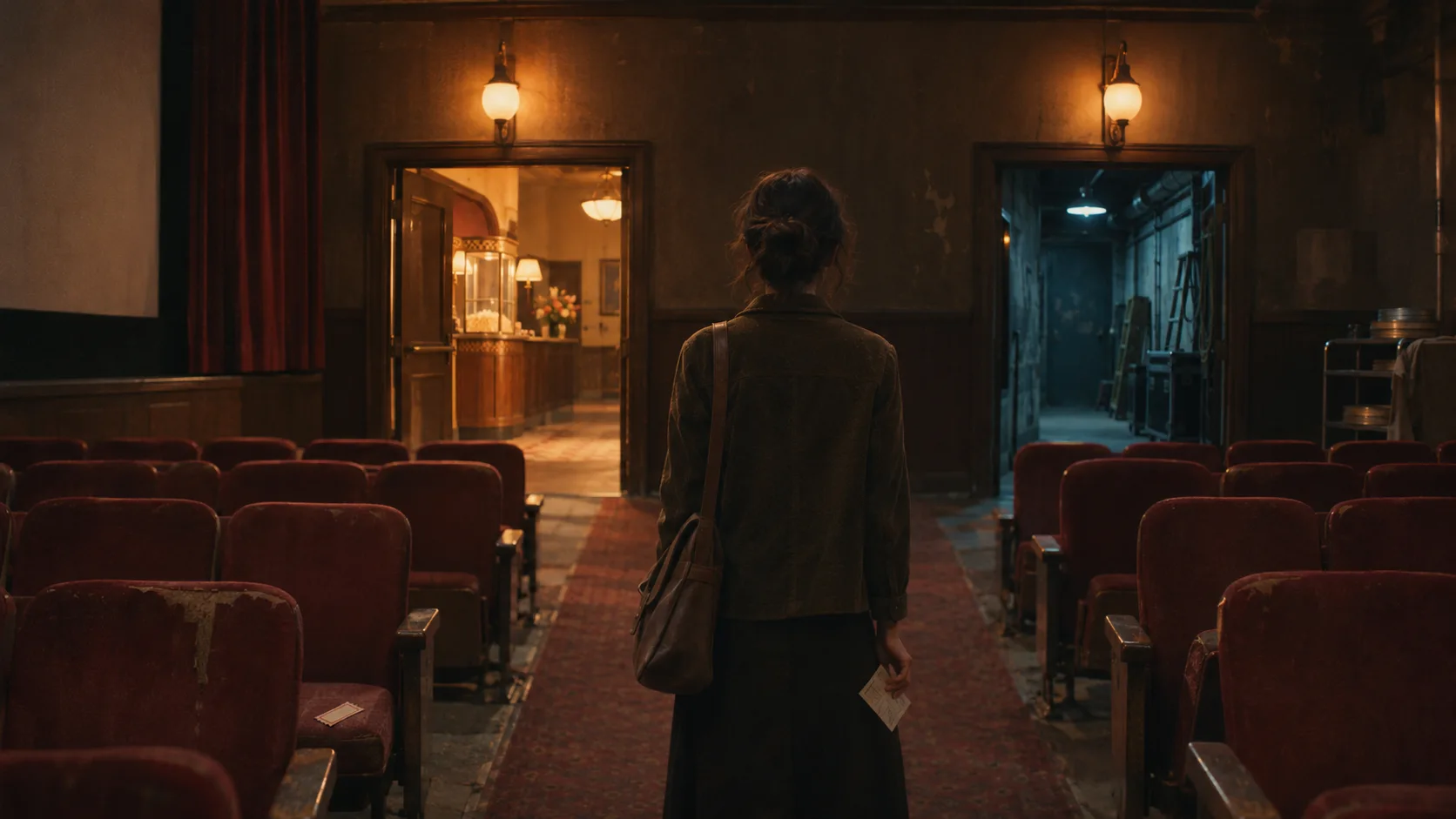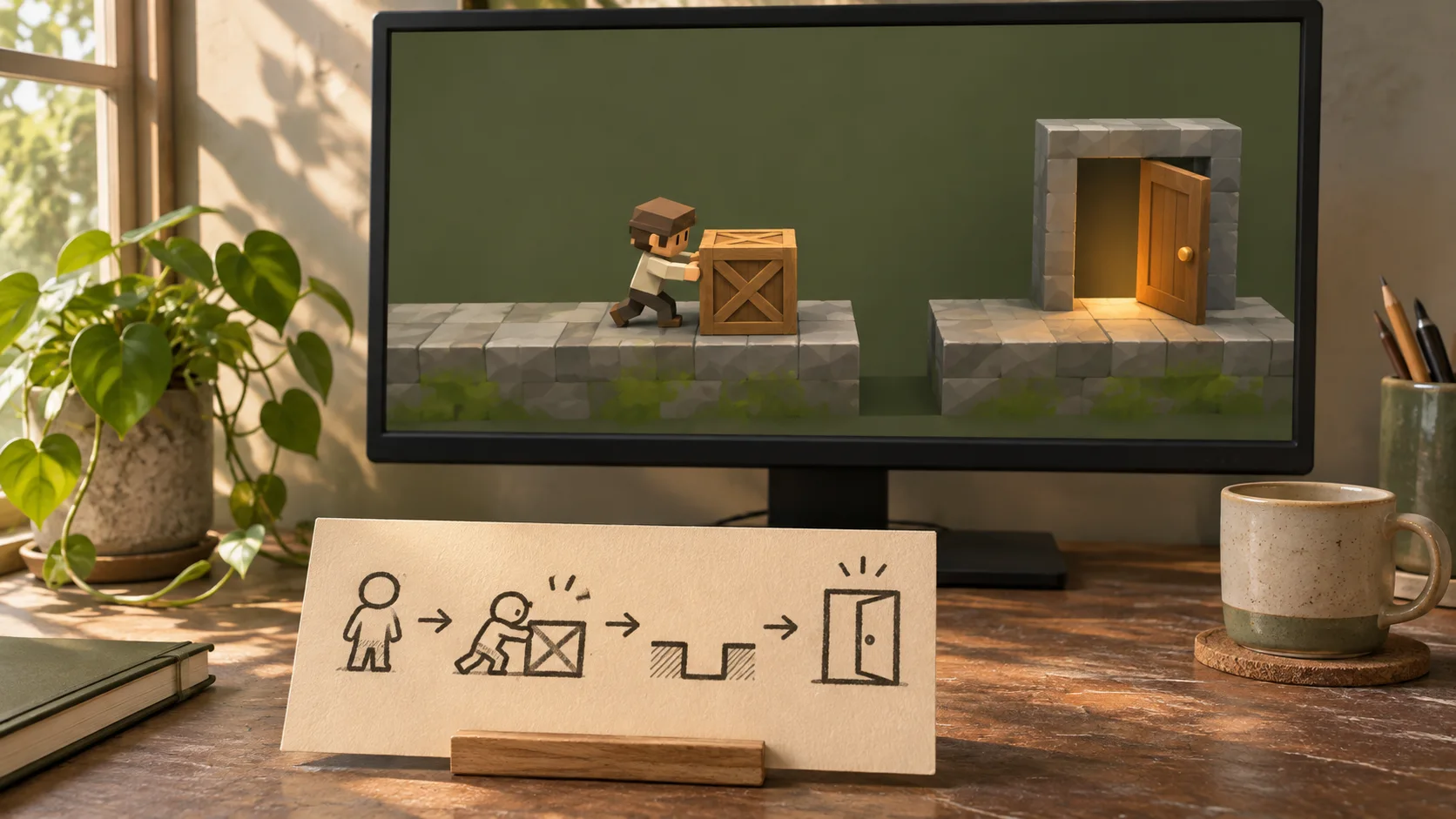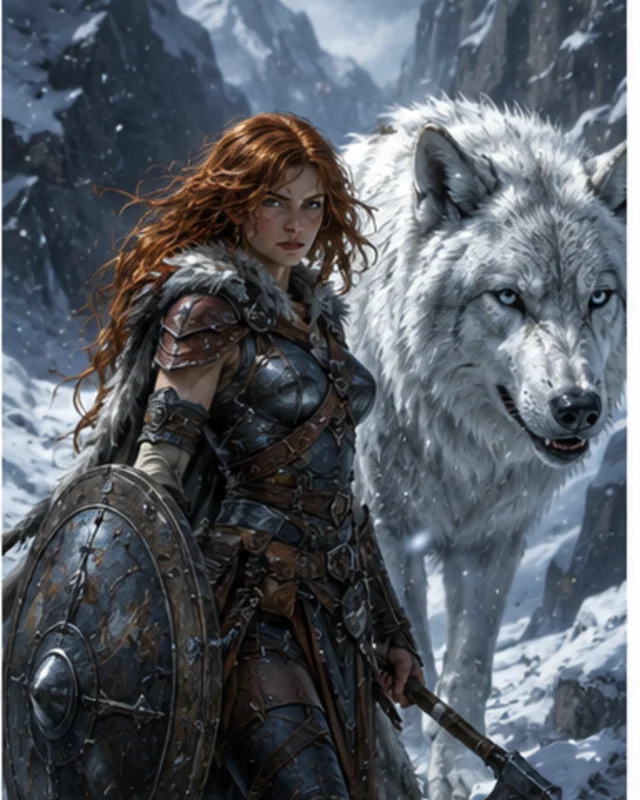

Give the cast a reason to speak
Start each scene with what the characters want and what they are reluctant to say.

Give each character a motive, then let one choice change the scene. Build an anime-inspired roleplay game around original characters, a clear scene goal, and a choice that changes what happens next.
Partners and teams

















How it works
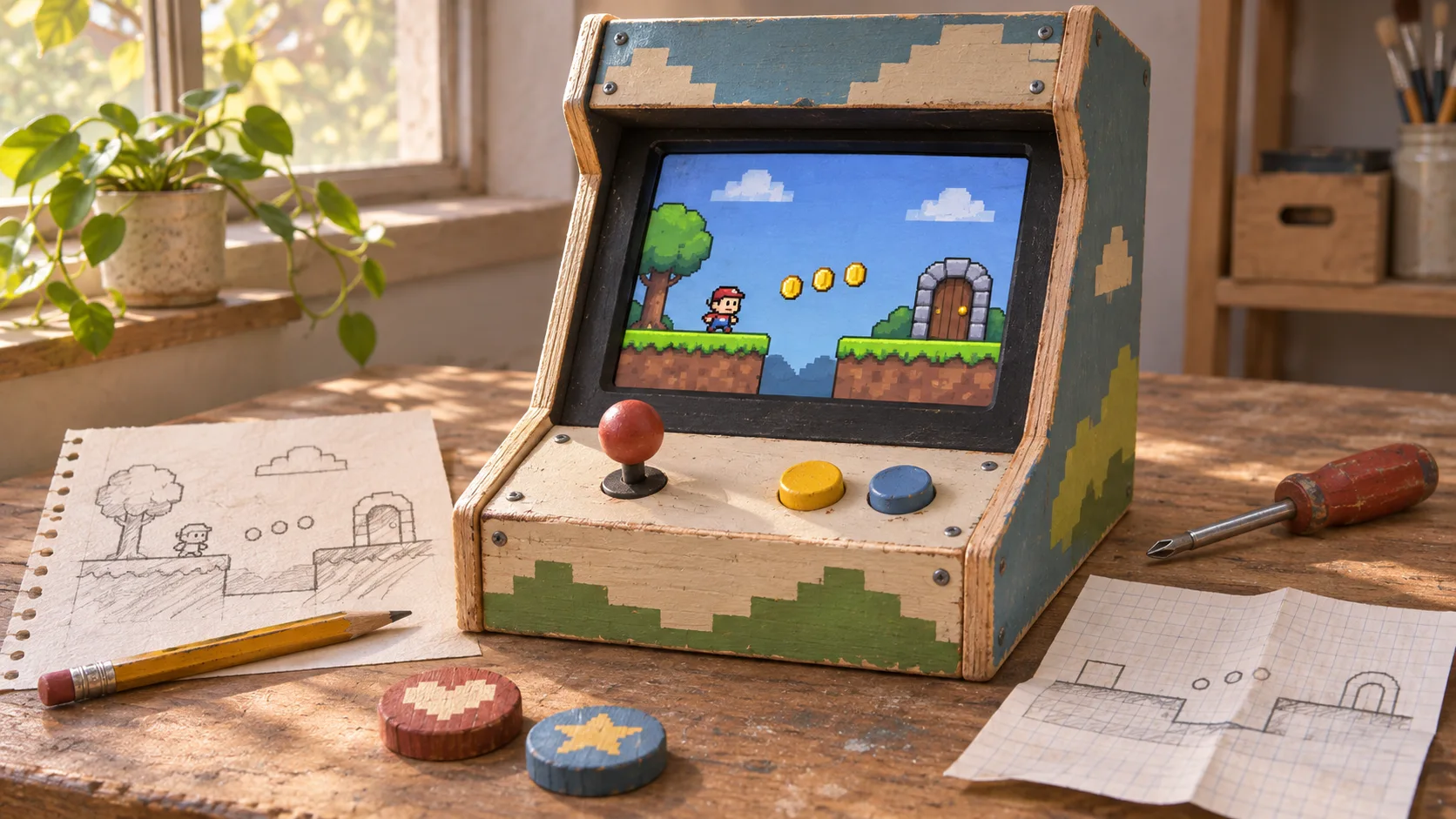
Start with one machine, automate collection, and give players a reason to save up for an upgrade.
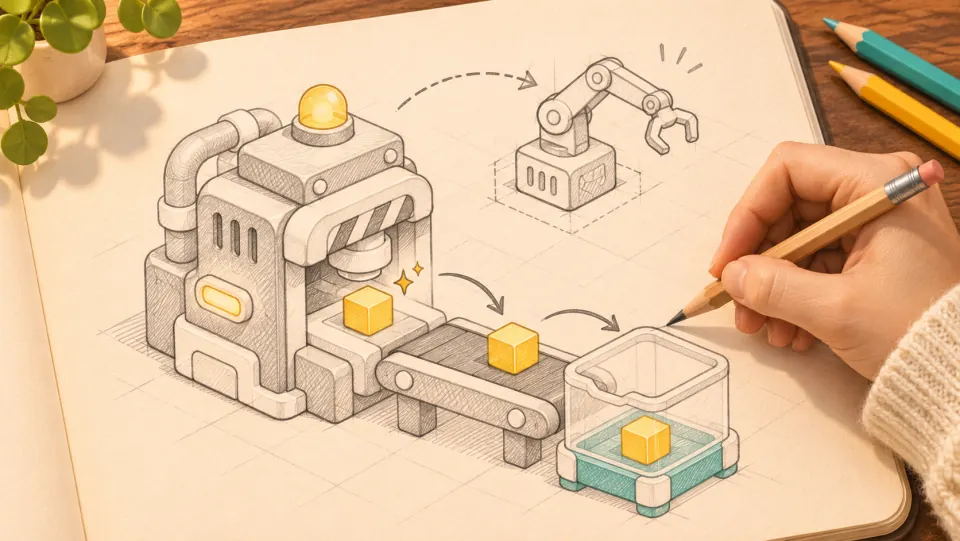
Players collect gold cubes for coins, then spend those coins on a robot arm that takes over collection.
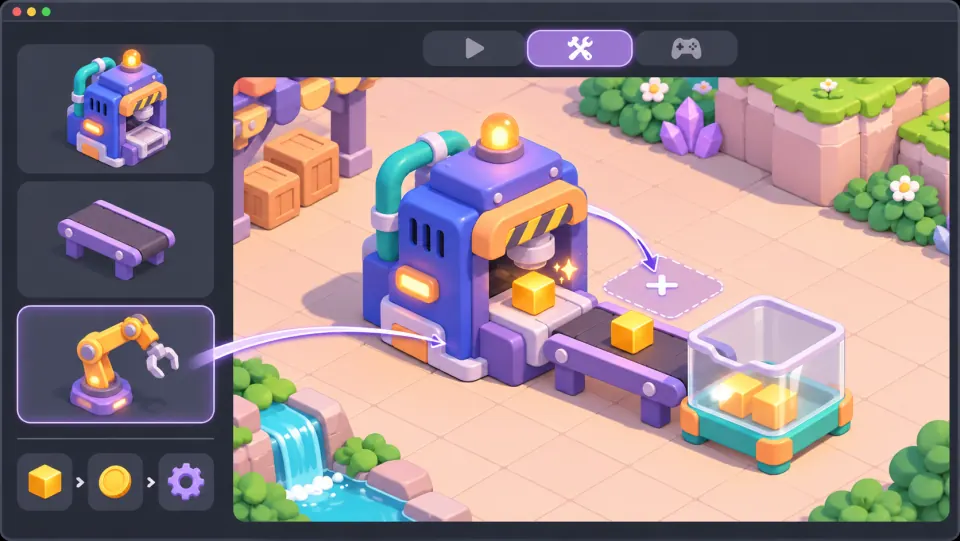
Ask seeleAgent to add the press, conveyor, and robot arm. Set how fast cubes come out, what they earn, and what upgrades cost.
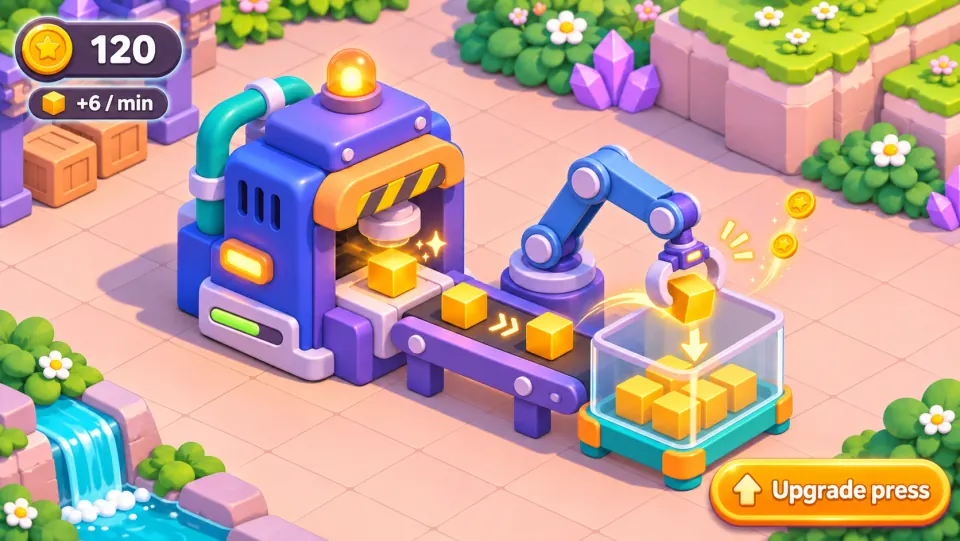
Watch the arm collect cubes. When you have enough coins, upgrade the press and see how much faster the line runs.
Make a game for freePick a starting point
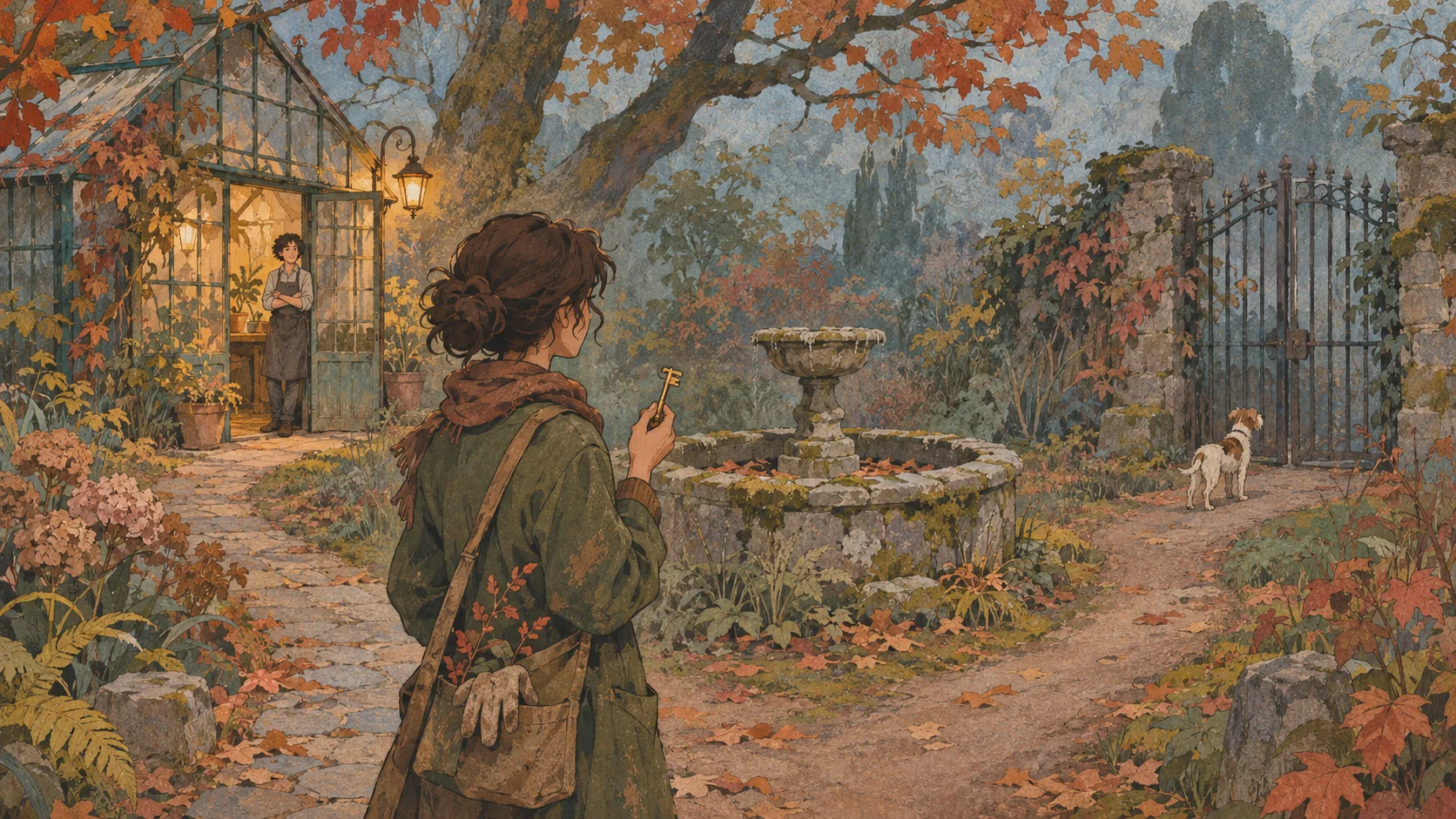
Use an opening, disagreement, revelation, or ending as a starting scene for original characters.
Introduce the cast through an immediate mystery. Let the player choose how to approach the club president, then carry that choice into the next exchange.
Write an opening scene for an original anime-style roleplay game. A transfer student arrives during a meteor shower and finds the astronomy club’s telescope already pointed at a blank patch of sky. Give the club president a reason to hide the observation log and let the player decide whether to ask directly or investigate first.
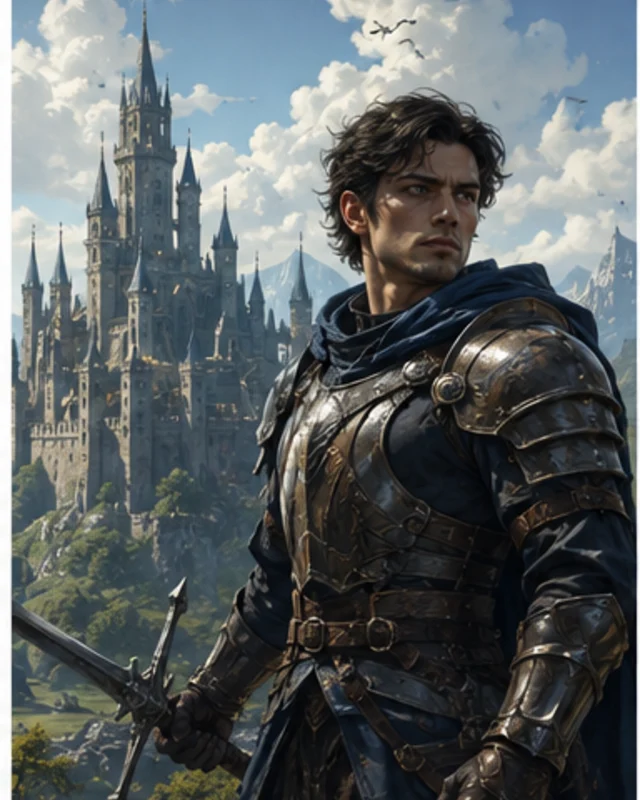 Opening scene at the astronomy club ↗
Why SEELE
Start each scene with what the characters want and what they are reluctant to say.

Show what changes in the next line, relationship, or plan after the player responds.

Use a discovery, disagreement, or arrival to give the scene direction without lengthy setup.

Describe how each character speaks and what matters to them; check that the dialogue stays consistent across branches.

If a scene tracks trust or closeness, state what action changes it and make the shift understandable to the player.

Read the response and the next scene together to catch broken continuity, abrupt tone changes, or choices with no consequence.
Made with SEELE
These games are playable. Pick one and give it a try.
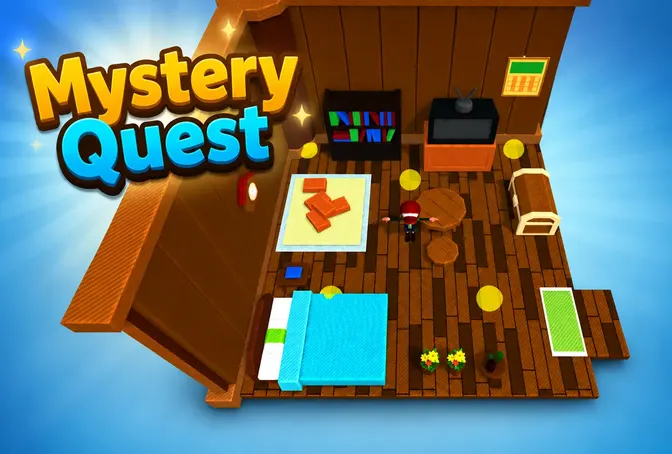 AdventureAdventure GamePlay the example ↗
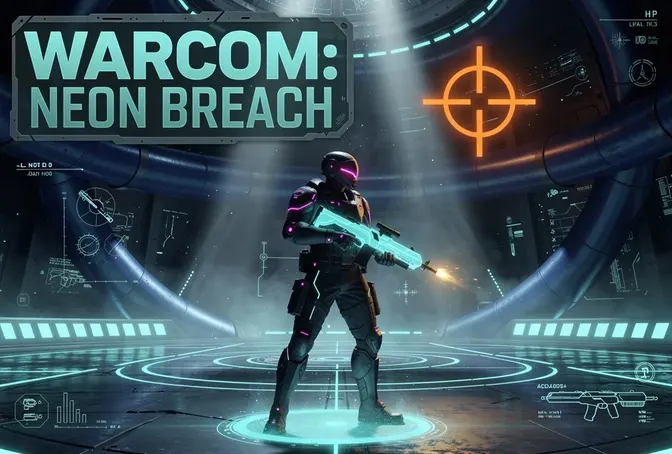 ShooterWarcom: Neon BreachPlay the example ↗
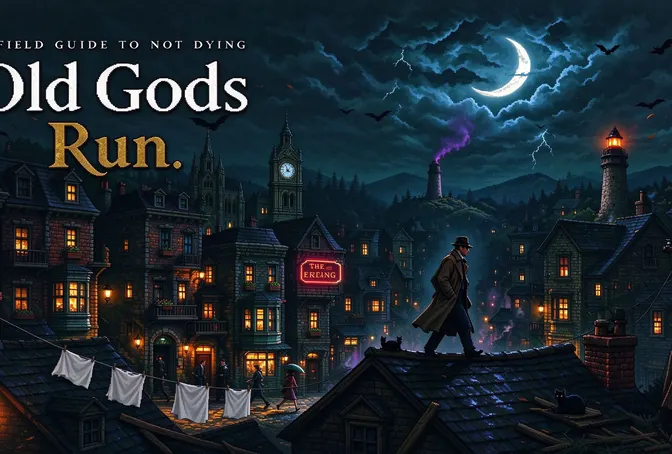 ActionOld Gods RunPlay the example ↗
 CasualCaution! Egg on the Car RoofPlay the example ↗
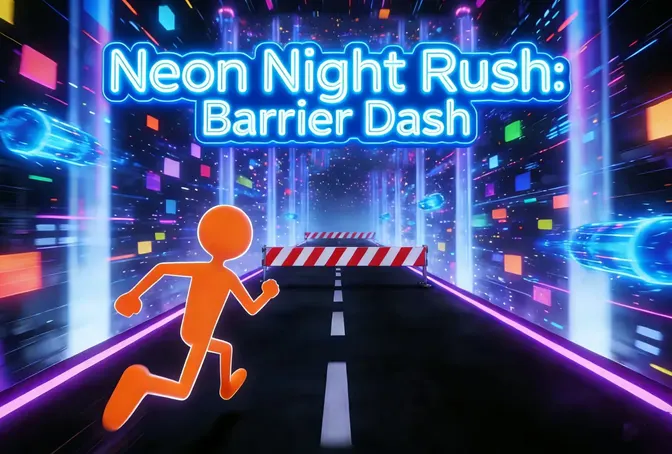 RunnerNeon Night Rush: Barrier DashPlay the example ↗
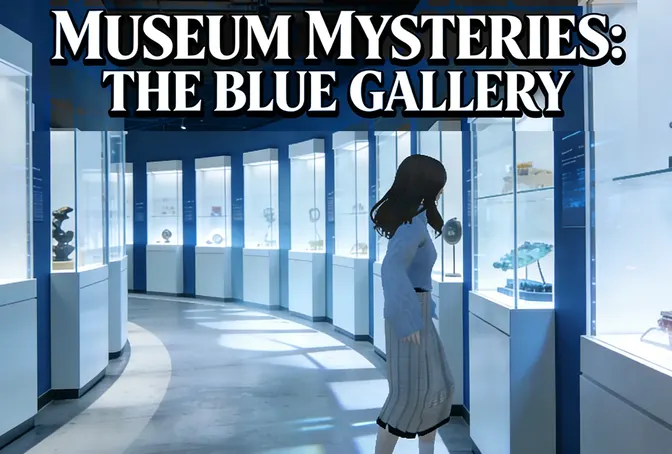 PuzzleMuseum ExhibitionPlay the example ↗
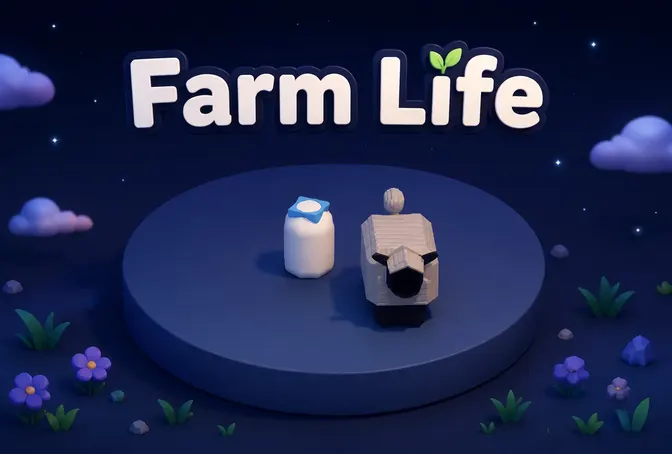 SimulationMilky Way Idle 3DPlay the example ↗
 CasualSnowfall & Starry GiftsPlay the example ↗
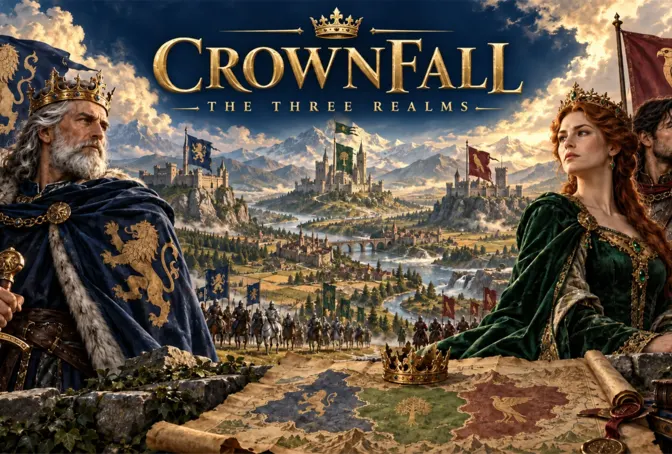 RPGCrownfall-The-Three-Realms-CoverPlay the example ↗
 SimulationFLYING CARPlay the example ↗
Who it’s for
Writers and game creators can use a focused scene to explore character voice and story branches.
Use a concrete scene goal and character motives to shape the next exchange. Review the dialogue before extending the story.
AI Interactive Game Generator for Story Games ↗
Compare a few ways to stage one choice, then check how each branch changes the next scene.
AI Cinematic Interactive Story Generator ↗
Give each character a distinct voice and a reason to act. Keep the scenario original and review it before sharing.
AI Interactive Story Generator & Game Builder ↗Compare
A defined scene makes character motives and choice consequences easier to review.
| Feature | Scene with defined character motives | Open-ended roleplay prompt |
|---|---|---|
| Opening | Start with a moment that needs a response | Begin with a broad premise |
| Character voice | Give each character a want and a distinct way of speaking | Discover character traits as the exchange unfolds |
| Player choice | Name what changes after the response | Let the next direction emerge from open conversation |
| Continuity | Check the next scene against the selected branch | Track established details across a longer exchange |
| Ending | Connect the scene outcome to an earlier decision | Continue roleplay without a planned turning point |
Reviews
Explore related interactive story pages, writing guides, and game tools.
FAQ
It helps you shape an anime-inspired game scene around original characters, dialogue, and player choices. A focused scene makes it easier to review how the story responds.
Name the characters, what each one wants, where the scene takes place, and what the player can decide. Explain how the choice affects the next moment.
Yes. Describe each character’s appearance, voice, goals, and relationships in your own terms. Review the result for resemblance to protected characters before sharing it.
For public or commercial work, avoid using protected names, logos, and distinctive character designs without permission. Create original characters and review the result for similarity.
Show what changes after the choice: a character reveals information, a plan shifts, or the group responds differently. Connect later scenes to the player’s earlier decision.
You can describe a trust or relationship value as part of the scenario. Check the generated result to confirm that the interaction and any displayed status match your instructions.
Give each character a distinct goal, vocabulary, and reaction to the current problem. Review dialogue across branches, not only in the opening scene.
Describe the decision that leads to each ending and what the player must learn or choose first. Check that each outcome follows from the story so far.
No. The example is placed in the workspace for you to review or edit. Start generation when you are ready.
Yes. Change the cast, setting, tone, or stakes so the scene fits your story before continuing.
You can adapt the scene prompts for a visual novel by specifying narration, dialogue, choices, and how each branch continues.
Start with a moment that interrupts the characters’ plans or raises a question. Give the player a response that reveals something about the lead.
Check the current sharing options in Workspace. Before sharing, review character originality, dialogue, branch continuity, and any assets used.
Check character and asset rights, dialogue continuity, age suitability, branch behavior, and the requirements of the platform where you plan to publish.
Give original characters a reason to act, then decide how the player can change the next moment.
Shape a roleplay scene →