
Name the dataset
Use a source and date for every real election value.

Use supplied election data, label the map date, and let players explore how outcomes change. Plan an electoral-map game or classroom activity using a named dataset and clearly marked assumptions. Do not invent vote totals or present a simulation as a forecast.
Partners and teams

















How it works
Start with a river to cross and give players the blocks and tools to build their own bridge.

Picture a blocky world where the player reaches a river and builds a wooden bridge to get to the other side.
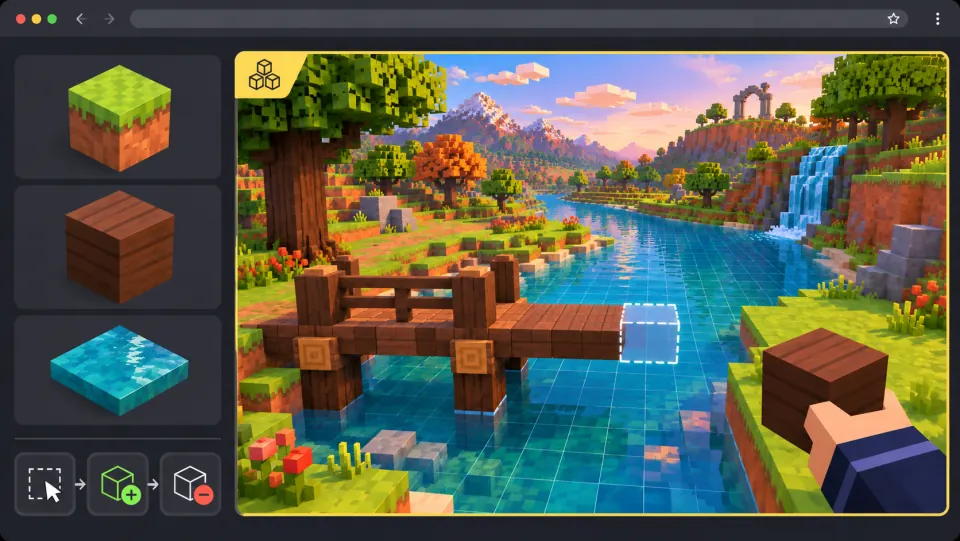
Ask seeleAgent to shape the riverbanks and add wood blocks. Let players preview where each block will go, place it, or remove it.
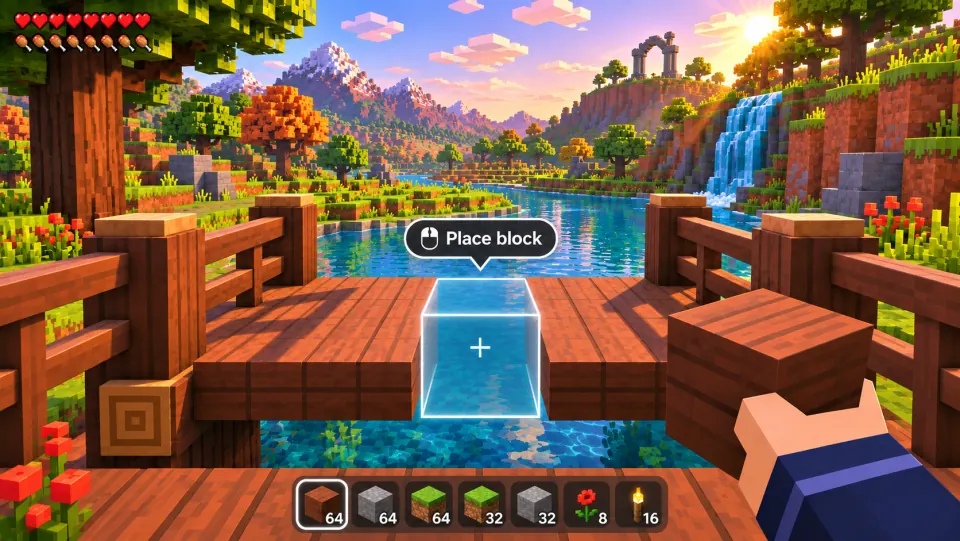
Select a wood block, line up the preview, and click to place it. Finish the bridge and walk across.
Make a game for freePick a starting point
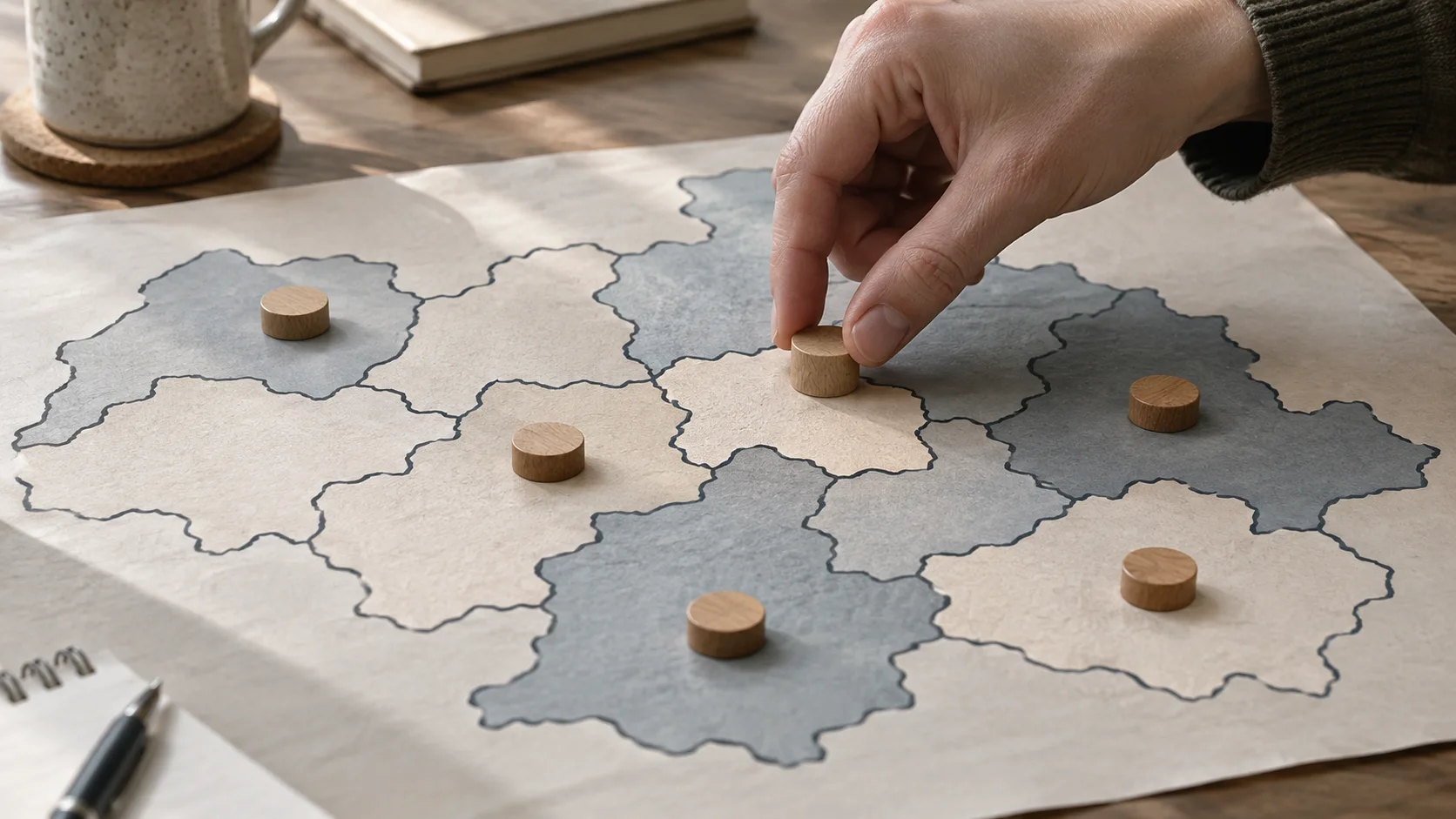
Use fictional state data to let players assign each region to one of two candidates. Show the region total and the national result after each selection.
Prototype an election-map game using six fictional districts and clearly labeled sample vote totals. Let the player assign campaign visits and see the map update without suggesting a real-world forecast.
 Core game loop ↗
Why SEELE
Use a source and date for every real election value.

Separate fictional data and scenarios from official results.

Let users inspect how region values produce the total.

Identify turnout, thresholds, and rounding choices.

Do not imply a scenario predicts an actual election.

Pair map colors with labels or patterns that remain distinguishable.
Made with SEELE
These games are playable. Pick one and give it a try.
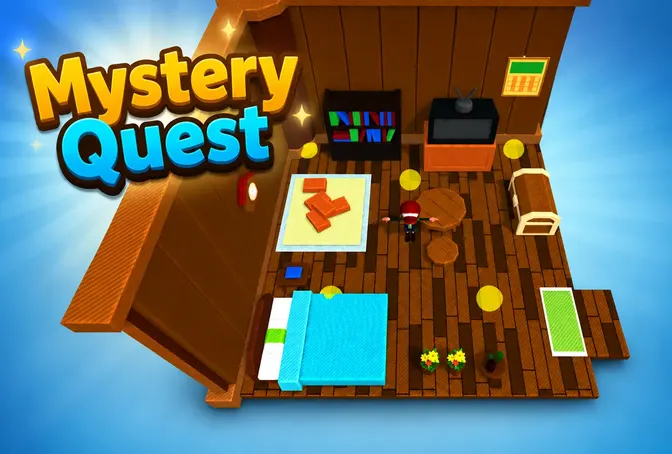 AdventureAdventure GamePlay the example ↗
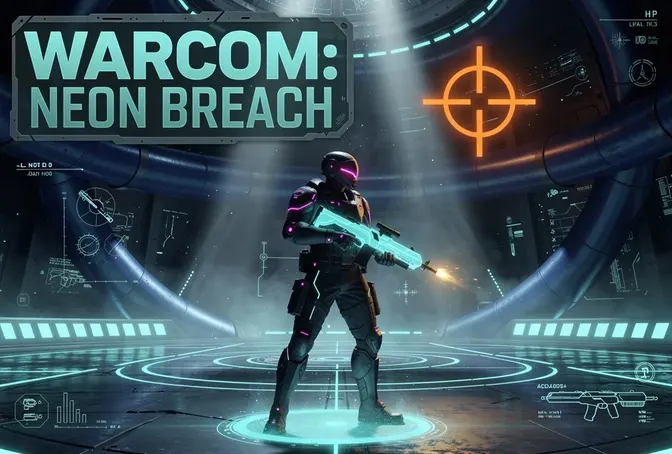 ShooterWarcom: Neon BreachPlay the example ↗
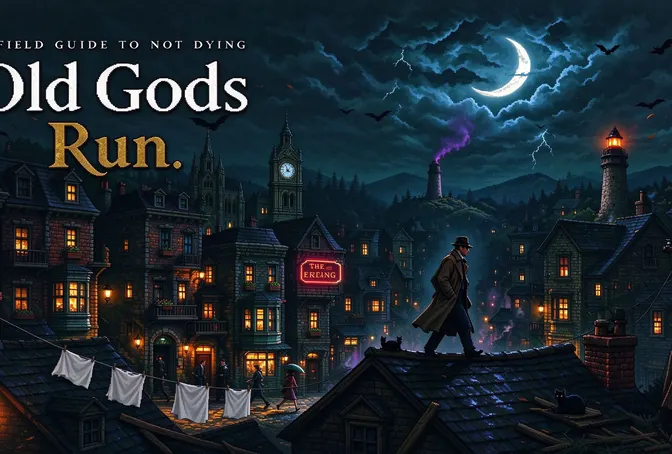 ActionOld Gods RunPlay the example ↗
 CasualCaution! Egg on the Car RoofPlay the example ↗
 RunnerNeon Night Rush: Barrier DashPlay the example ↗
 PuzzleMuseum ExhibitionPlay the example ↗
 SimulationMilky Way Idle 3DPlay the example ↗
 CasualSnowfall & Starry GiftsPlay the example ↗
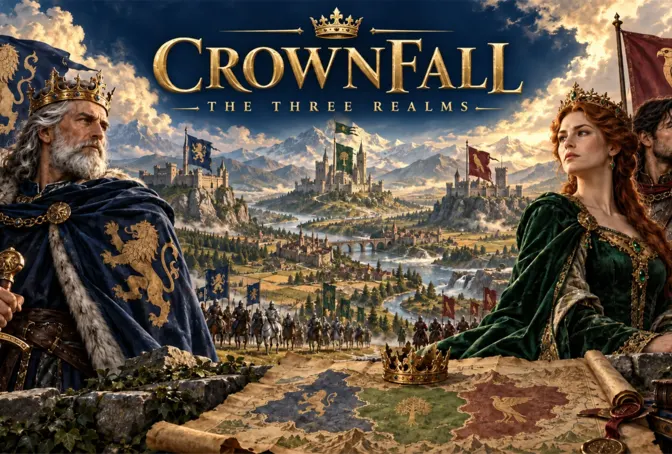 RPGCrownfall-The-Three-Realms-CoverPlay the example ↗
 SimulationFLYING CARPlay the example ↗
Who it’s for
Define the player, one core mechanic, and one testable outcome for a first Electoral Map Game brief. Keep the scope small enough to playtest.
Election Night Simulator ↗
Compare Electoral Map Game directions against the target player and engine workflow before the team commits to a larger build.
2026 Midterm Election Simulator ↗Reviews
FAQ
Prefer fictional maps for prototypes. Real maps require careful sourcing and human review.
No. This is a fictional civic simulation, not a tool for predicting real election results. Use clearly labeled fictional values or a verified source and state the assumptions.
Yes, if colors represent fictional scenario state and are accessible without color alone.
Before a first Electoral Map Game project, define the task, intended audience, one visible outcome, and a constraint. Use Core game loop as a direction that fits the brief.
Use a clearly fictional map and invented values. Give the player one decision that changes a visible district outcome, and label the values as game data rather than a real forecast.
For Electoral Map Game, name the intended user, one action, and a visible outcome. Use Core game loop as a starting direction and add one requirement from its example prompt.
Ask a player to explain what a changed district value means in the game. A reviewer familiar with election data should also check that the map cannot be mistaken for real polling or results.
Choose Core game loop to test how a fictional value changes the map. Choose Player challenge to test whether the player can read the resulting data and understand the decision it represents.
Check that district values are marked fictional, the legend explains the colors, and changing a value updates the intended region. Avoid real-world claims that the example data cannot support.
Scope a first Electoral Map Game prototype to Core game loop, one user action, and one visible outcome. Defer secondary features until that path works.
Choose Core game loop to test how a fictional value changes the map. Choose Player challenge to test whether the player can read the resulting data and understand the decision it represents.
If the map suggests a real result, change the labels, values, or framing before adding more districts. Retest with someone who has not seen the prompt.
Match a linked tool's input and output to one need in the Electoral Map Game brief. If it does not support that step, skip it and keep the test in the main project.