

Build a concrete premise
Give the character something happening now.

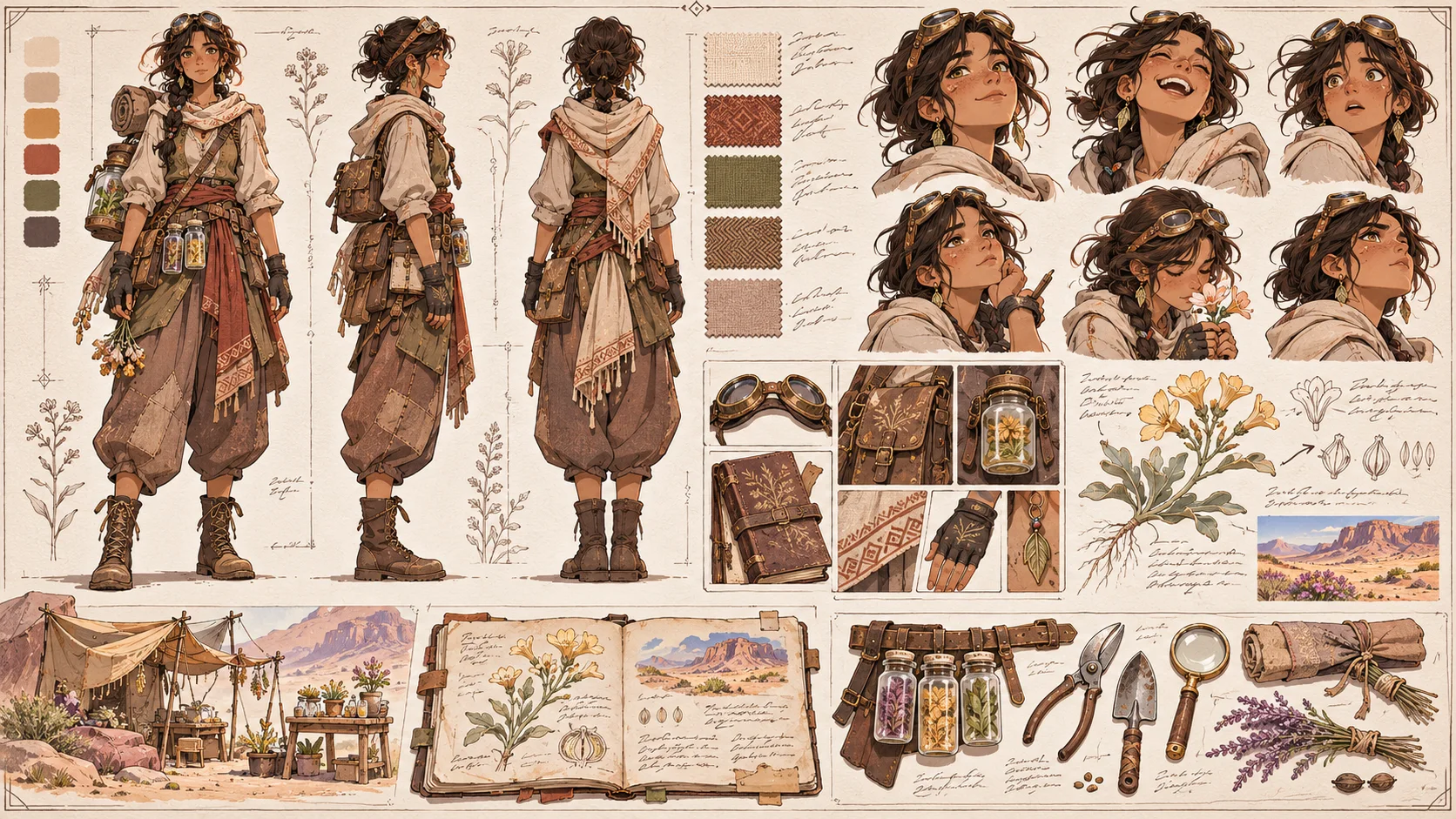
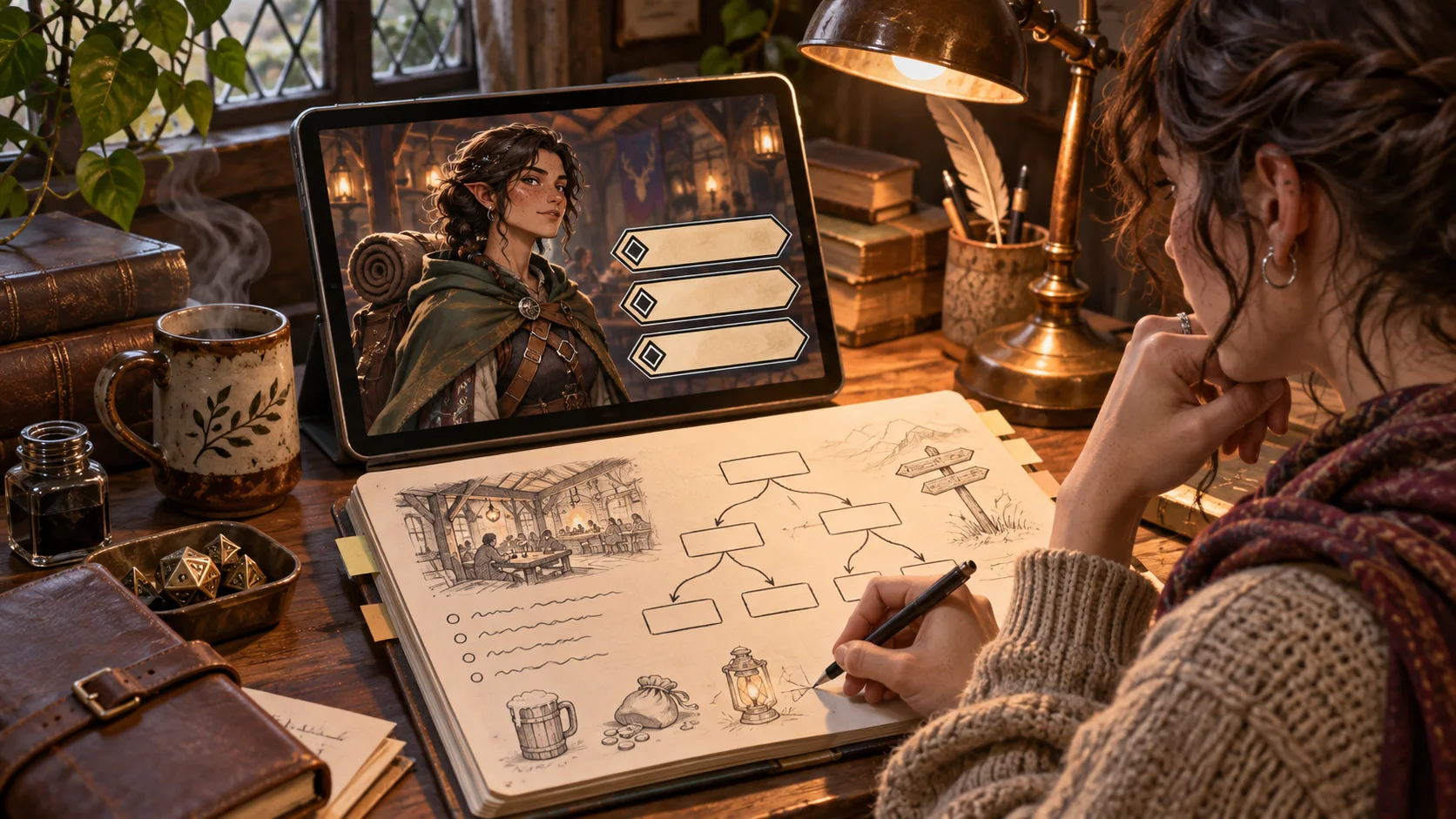
Give an original character a voice, a motive, and a scene that invites a reply. Create a talking original character from a specific background and point of view. Define what they know, how they speak, and which topics or actions should stay outside the scene.
Partners and teams

















How it works
Turn a space hangar into a playable challenge with three holographic targets.
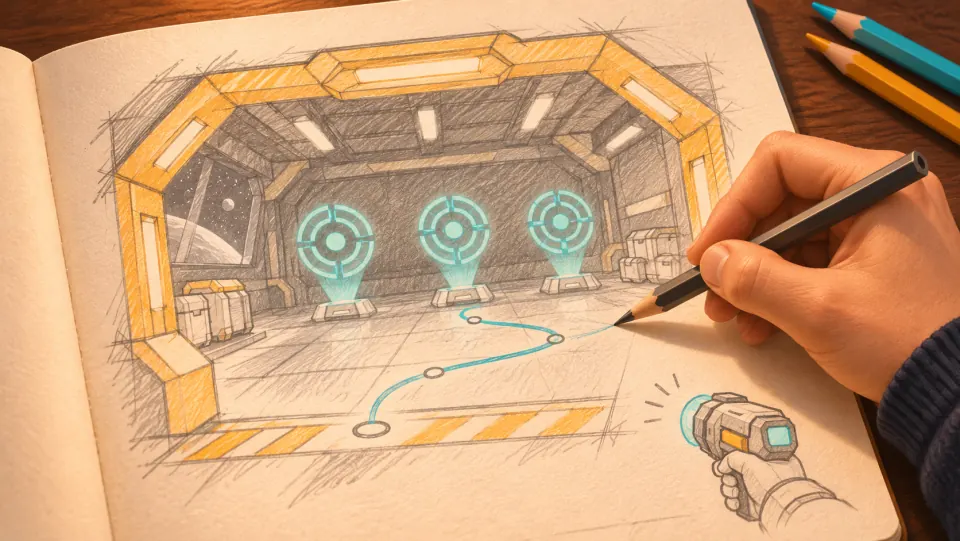
The player enters a space hangar and has to move into position to hit three holographic targets.
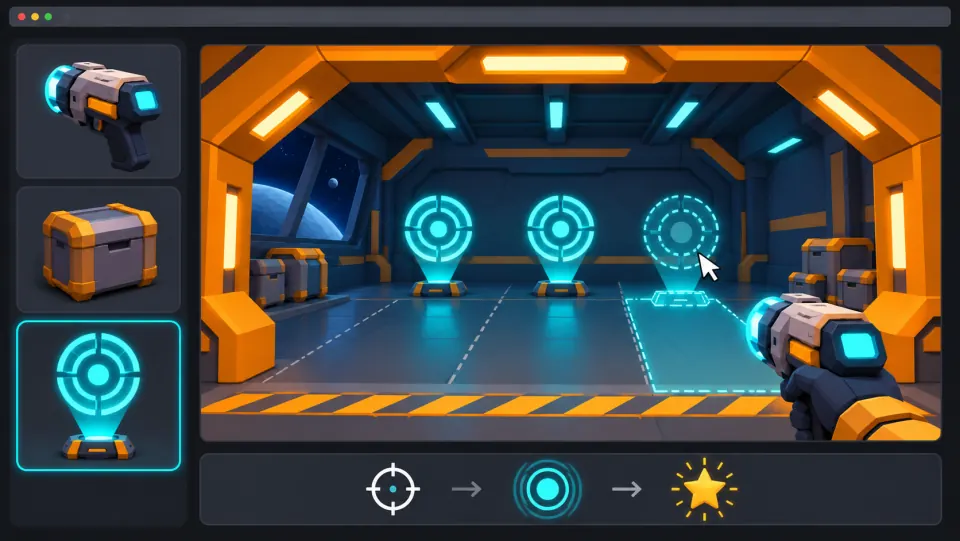
Ask seeleAgent to build the hangar, place the targets, and add first-person controls, hit effects, and scoring.
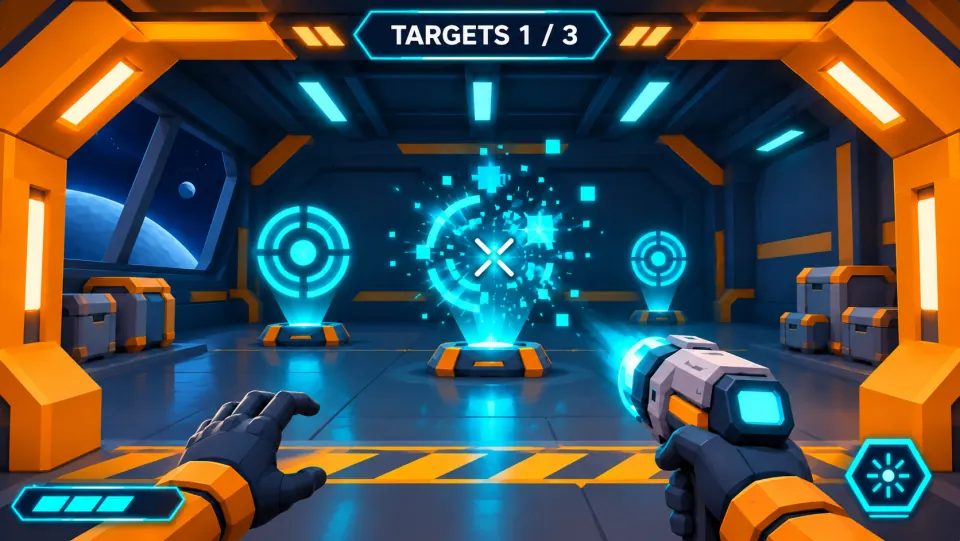
Aim and fire at a target. It should burst into pixels on impact, and the hit counter should go up.
Make a game for freePick a starting point
The opening request reveals care and urgency.
Create Ivo, a rooftop gardener who has found a nest in the greenhouse vent before a storm. Have him ask the visitor to help move the seedlings without disturbing it.
 First meeting ↗
Why SEELE
Give the character something happening now.

Let responses reveal personality.

Use only context the product provides.

Decide where the character should step out of scene.

Give the user meaningful next actions.

Review age and safety controls in the actual product.
Made with SEELE
These games are playable. Pick one and give it a try.
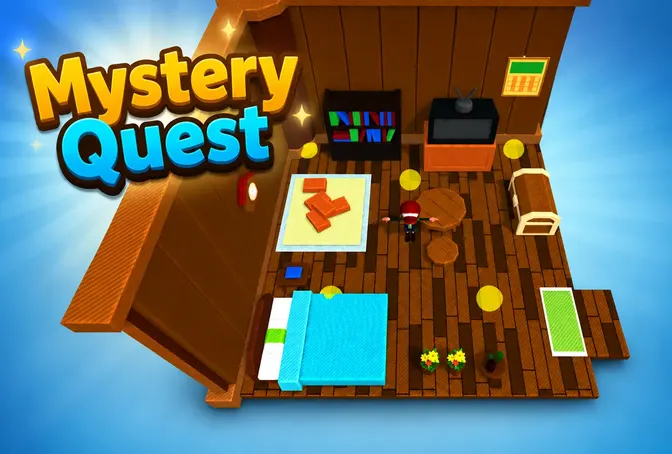 AdventureAdventure GamePlay the example ↗
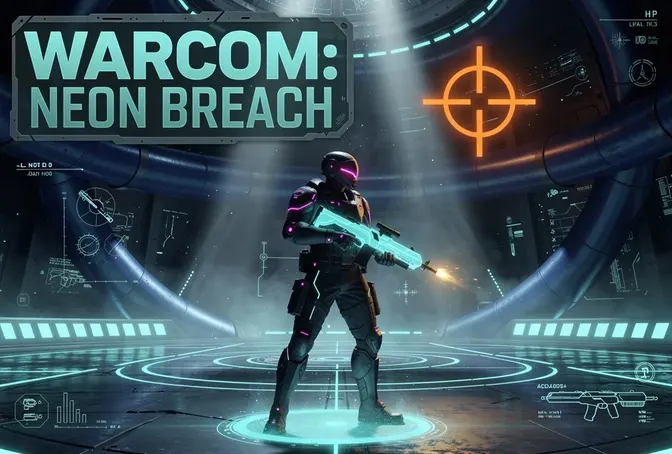 ShooterWarcom: Neon BreachPlay the example ↗
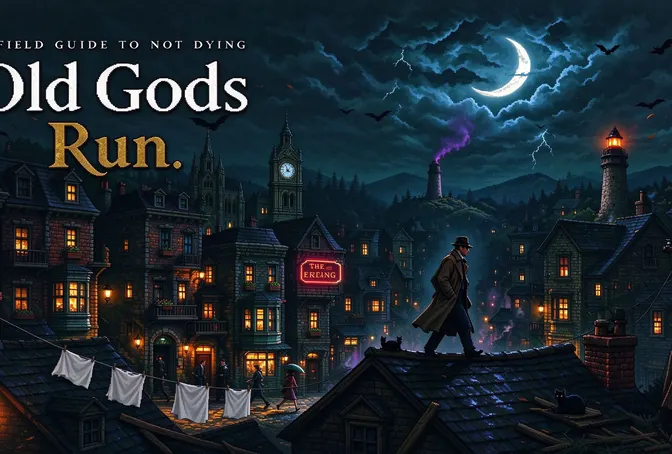 ActionOld Gods RunPlay the example ↗
 CasualCaution! Egg on the Car RoofPlay the example ↗
 RunnerNeon Night Rush: Barrier DashPlay the example ↗
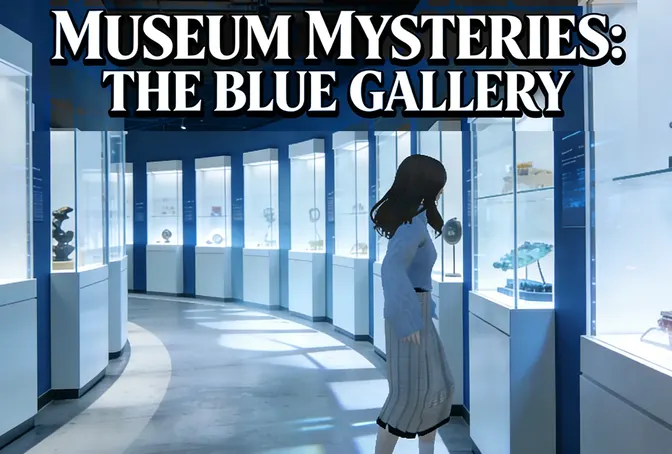 PuzzleMuseum ExhibitionPlay the example ↗
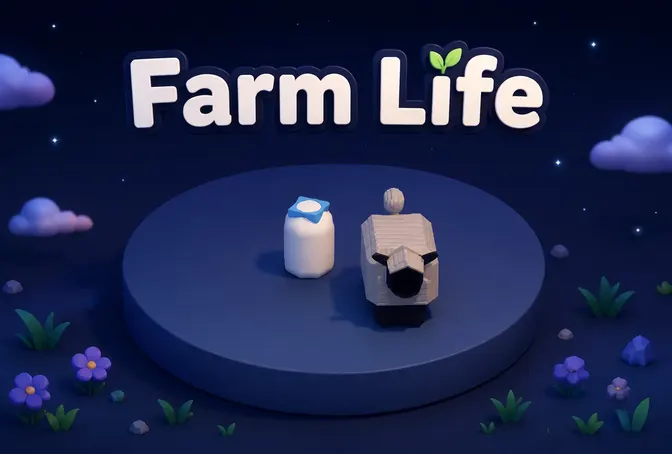 SimulationMilky Way Idle 3DPlay the example ↗
 CasualSnowfall & Starry GiftsPlay the example ↗
 RPGCrownfall-The-Three-Realms-CoverPlay the example ↗
 SimulationFLYING CARPlay the example ↗
Who it’s for
Set the character, relationship, and intended story tone for the Your OC Talk scenario. Treat the first result as a draft to review.
Interactive Fanfic Character ↗
Choose the next story decision and character motivation; check the result for continuity and audience suitability.
Interactive OC Creator ↗
Keep the scenario focused on original characters and a clear scene goal, then review the generated material before sharing.
Roleplay Bot Scene Maker ↗Reviews
FAQ
This page is for original oc creators who want to turn character notes, scenes, and dialogue ideas into an interactive AI character project.
The first output should include voice and tone guide, example dialogue set, first conversation flow, plus a scope that can be reviewed in Seele workspace.
This Your OC Talk page does not verify the requested behavior: “Is this a finished product generator.” Check the current Workspace options and validate a small example against the target requirements.
Before a first Your OC Talk project, define the task, intended audience, one visible outcome, and a constraint. Use First outcome as a direction that fits the brief.
Open with Ivo finding a nest in the greenhouse vent before a storm. Give the visitor a clear role: help move the seedlings without disturbing it.
For Your OC Talk, name the intended user, one action, and a visible outcome. Use First outcome as a starting direction and add one requirement from its example prompt.
Ask a reader to reply as the visitor. They should understand why the nest matters, what Ivo is asking, and how the storm makes the decision urgent.
Choose First meeting to establish Ivo and the greenhouse problem. Choose Voice and memory to test whether he can refer to yesterday’s seedlings; do not imply earlier-chat memory unless the product actually stores it.
Check that Ivo’s request follows from the nest and approaching storm, and that his response stays in character. If the memory example is used, verify the product behavior before presenting it as persistent memory.
Scope a first Your OC Talk prototype to First outcome, one user action, and one visible outcome. Defer secondary features until that path works.
Choose First meeting to establish Ivo and the greenhouse problem. Choose Voice and memory to test whether he can refer to yesterday’s seedlings; do not imply earlier-chat memory unless the product actually stores it.
If Ivo’s reply loses the scene, restate the nest and storm in the current prompt. If the remembered detail is wrong, remove the memory claim or verify what context the product retains.
Match a linked tool's input and output to one need in the Your OC Talk brief. If it does not support that step, skip it and keep the test in the main project.