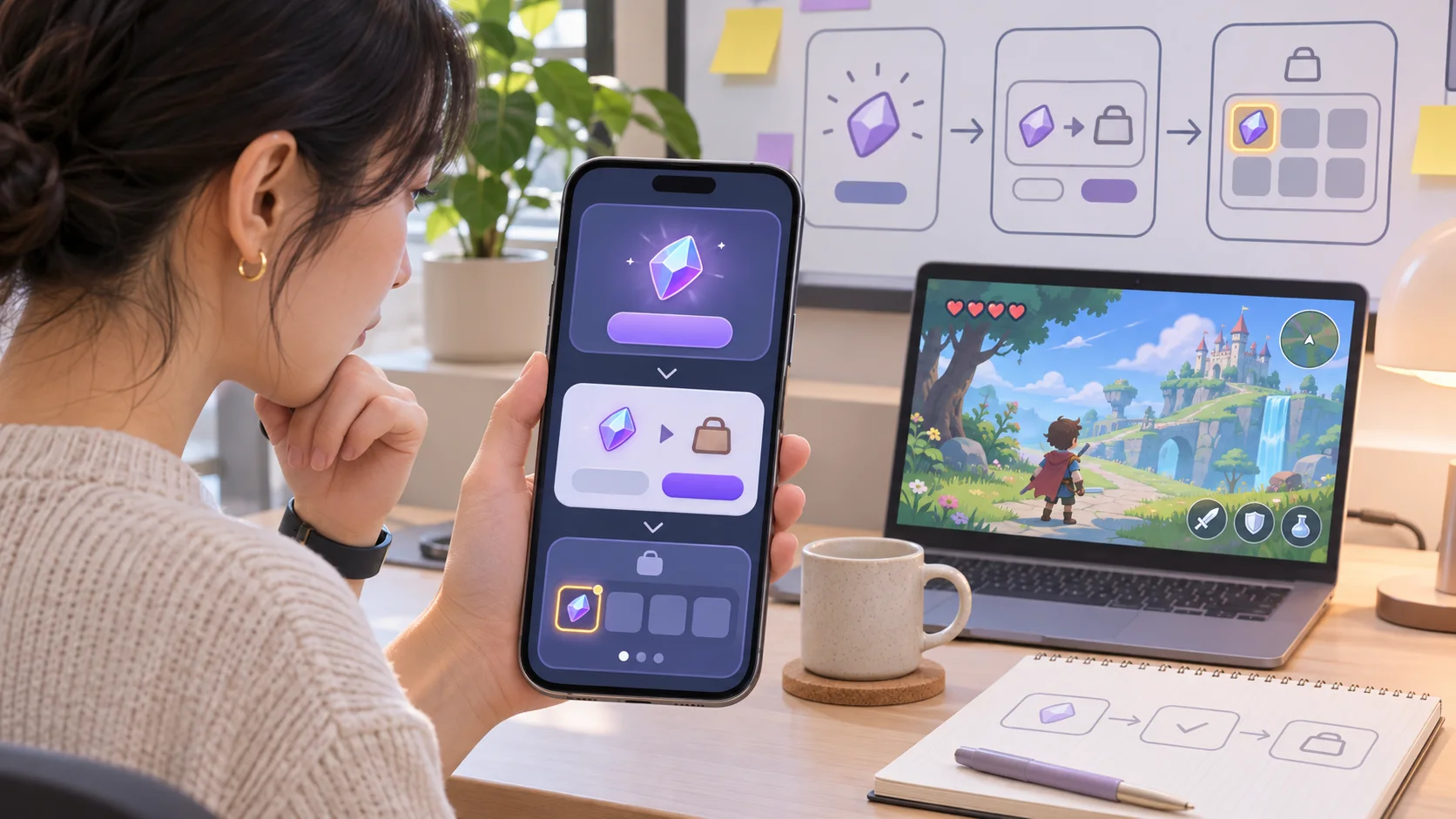

Start from player value
Describe what an offer adds to play.

Compare optional offers against the player experience they support. Map a game monetization idea to its player benefit, price presentation, and free alternative. Review the design for clarity and platform requirements before implementation.
Partners and teams

















How it works
Build your own single-player racing game. Design a coastal track, add nitro boosts and checkpoints, then race against the clock.
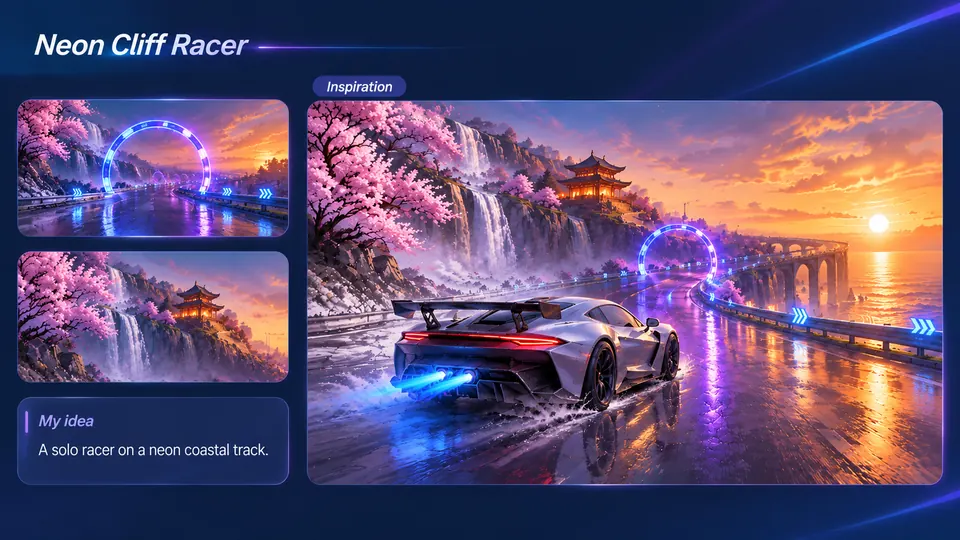
Imagine a silver sports car racing past waterfalls, cherry blossoms, and neon gates.
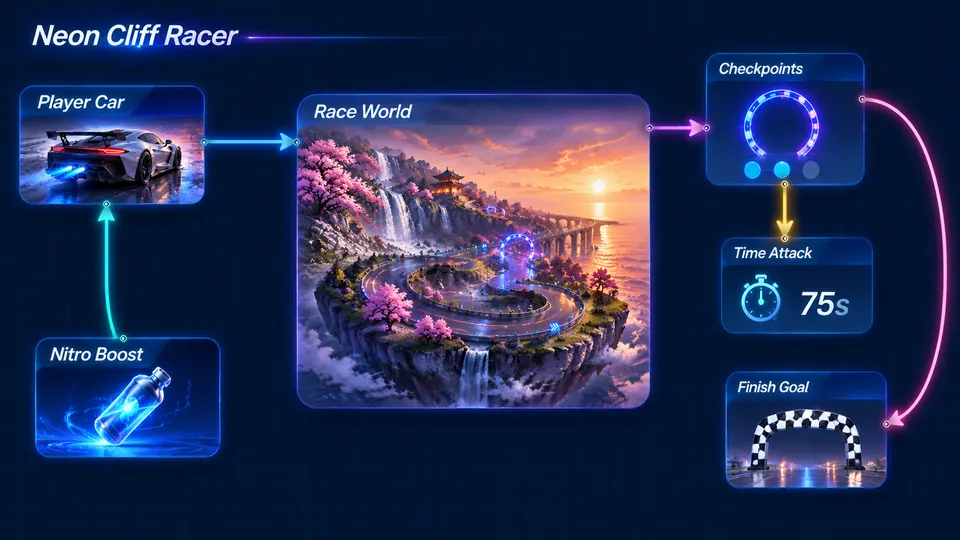
Connect your sports car, coastal track, checkpoints, nitro boost, and finish line.
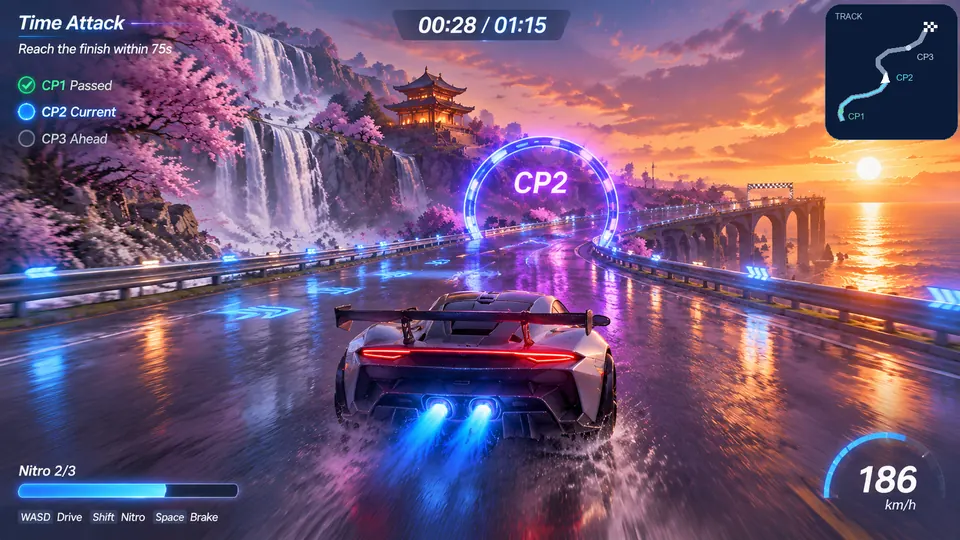
Drive through three neon gates, activate nitro, and finish within 75 seconds.
Make a game for freePick a starting point
For a puzzle game, offer a hint token after a player requests help. Show the token count, price, and a no-purchase option to retry the puzzle.
Show an optional offer only after the player requests more cosmetic choices; include dismiss and continue actions.
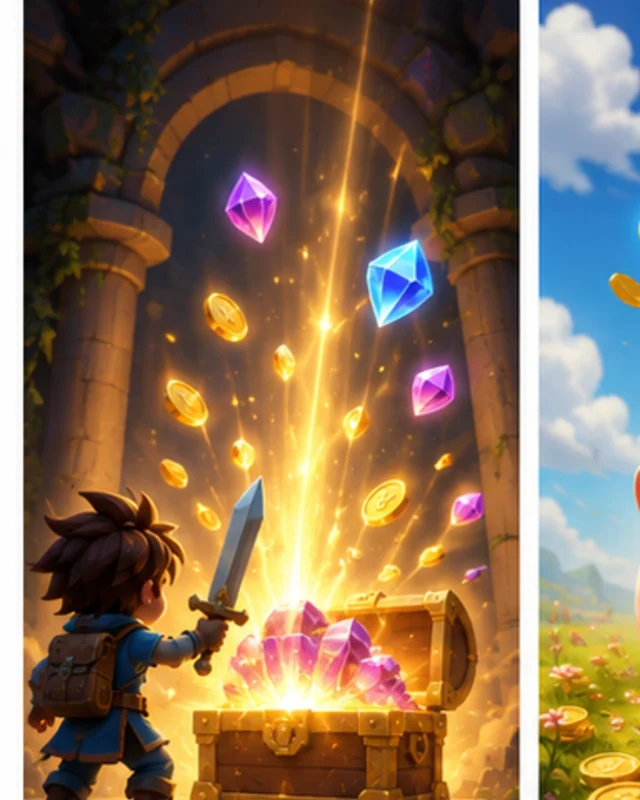 Core game loop ↗
Why SEELE
Describe what an offer adds to play.

Show which content is free and which is optional.

Make total cost visible before confirmation.

Keep dismissal and restart actions available.

Include cancel, pending, failure, and restore.

Confirm store and policy requirements before shipping.
Made with SEELE
These games are playable. Pick one and give it a try.
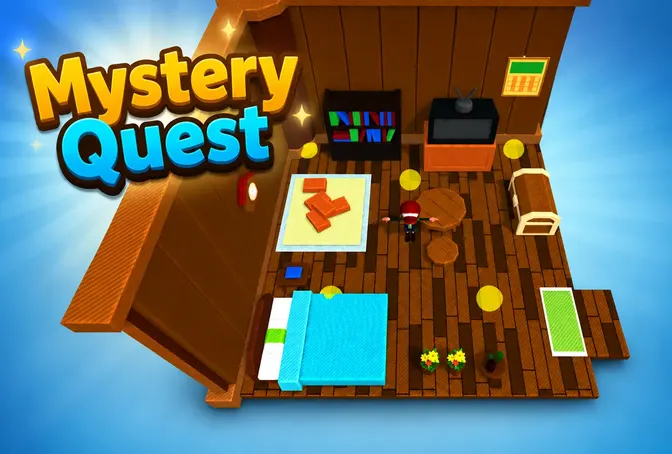 AdventureAdventure GamePlay the example ↗
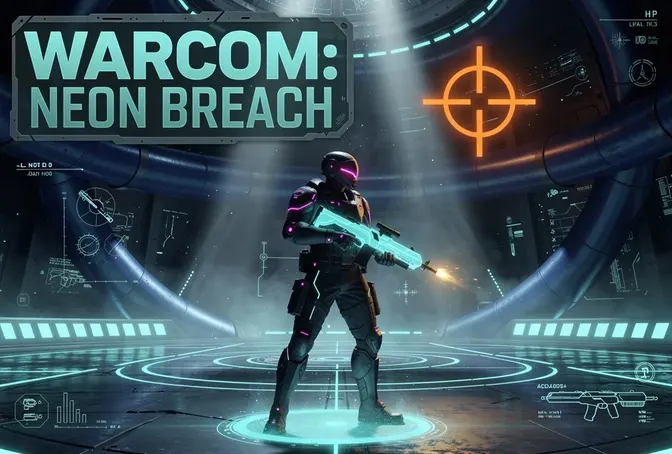 ShooterWarcom: Neon BreachPlay the example ↗
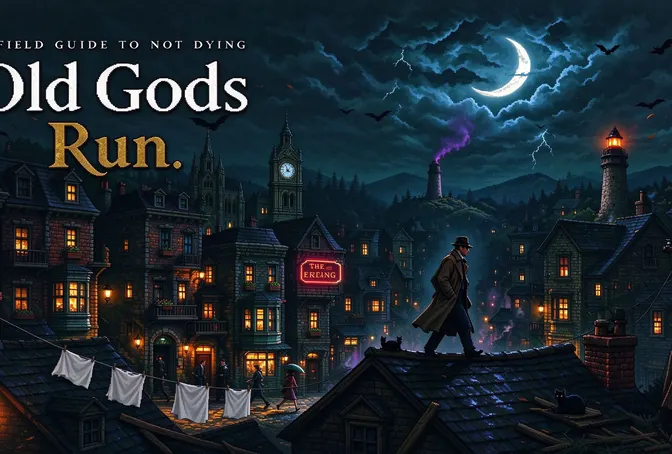 ActionOld Gods RunPlay the example ↗
 CasualCaution! Egg on the Car RoofPlay the example ↗
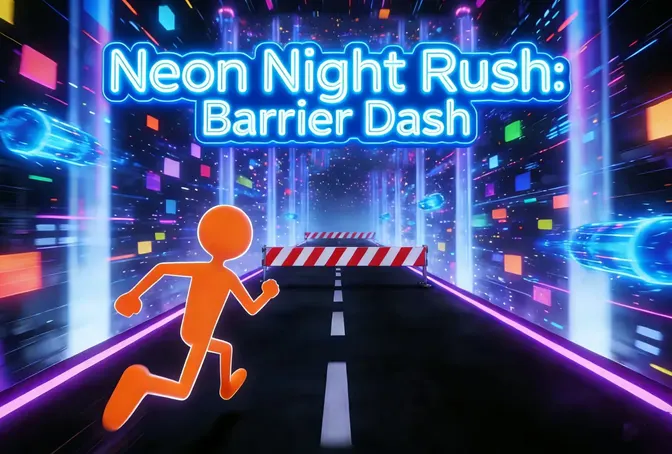 RunnerNeon Night Rush: Barrier DashPlay the example ↗
 PuzzleMuseum ExhibitionPlay the example ↗
 SimulationMilky Way Idle 3DPlay the example ↗
 CasualSnowfall & Starry GiftsPlay the example ↗
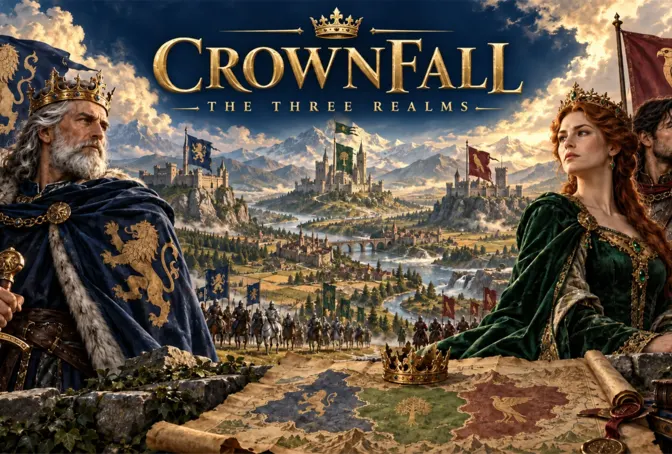 RPGCrownfall-The-Three-Realms-CoverPlay the example ↗
 SimulationFLYING CARPlay the example ↗
Who it’s for
Describe the player need, offer, and decision point. Validate pricing, consent, and the purchase flow in the actual product before release.
AI in Game Development ↗
Check that the offer is understandable, optional where appropriate, and consistent after reload. Confirm that the relevant IAP tool or purchase flow is currently available before treating the concept as implemented.
AI Visual Novel Generator ↗
Review whether the purchase choice is clear and fair from the player's point of view; confirm current product and platform rules before launch.
AI Game In-App Purchase Builder with Koin ↗Reviews
FAQ
Use IAP Game Monetization to outline a focused project brief. Define the intended audience, one action or output, and a success condition, then evaluate the first version against that brief.
For IAP Game Monetization, specify the first scoped outcome, the intended audience, one result, and one constraint. Keep the first prompt narrow enough to review against those details.
Yes. For IAP Game Monetization, write a plain-language sketch of the intended audience, one action, and the outcome you want to review. Add one constraint after the first idea is clear.
Before a first IAP Game Monetization project, define the task, intended audience, one visible outcome, and a constraint. Use Core game loop as a direction that fits the brief.
To get started with IAP Game Monetization, use Describe the job as the first step. Set one goal, audience, and constraint; test a small version, then change one thing at a time.
Ask someone who matches the intended player or viewer for IAP Game Monetization to test its main action. Note where the brief is unclear, then revise once before adding features.
For IAP Game Monetization, try Core game loop first. Define the action, outcome, and one constraint, then compare another direction only if the first misses the brief.
Check the IAP Game Monetization result against the brief, intended behavior, and first workflow step. Record one mismatch and test that change before expanding scope.
Scope a first IAP Game Monetization prototype to Core game loop, one user action, and one visible outcome. Defer secondary features until that path works.
Compare Core game loop and Player challenge for IAP Game Monetization using the same user action and visible outcome. Choose the direction that fits the brief with fewer assumptions.
After reviewing IAP Game Monetization, record one gap between the brief and result. Make one focused change, then test the same action against the original outcome.
Match a linked tool's input and output to one need in the IAP Game Monetization brief. If it does not support that step, skip it and keep the test in the main project.
Review the linked guides most relevant to IAP Game Monetization. Choose one based on your question and check its scope before applying the steps.