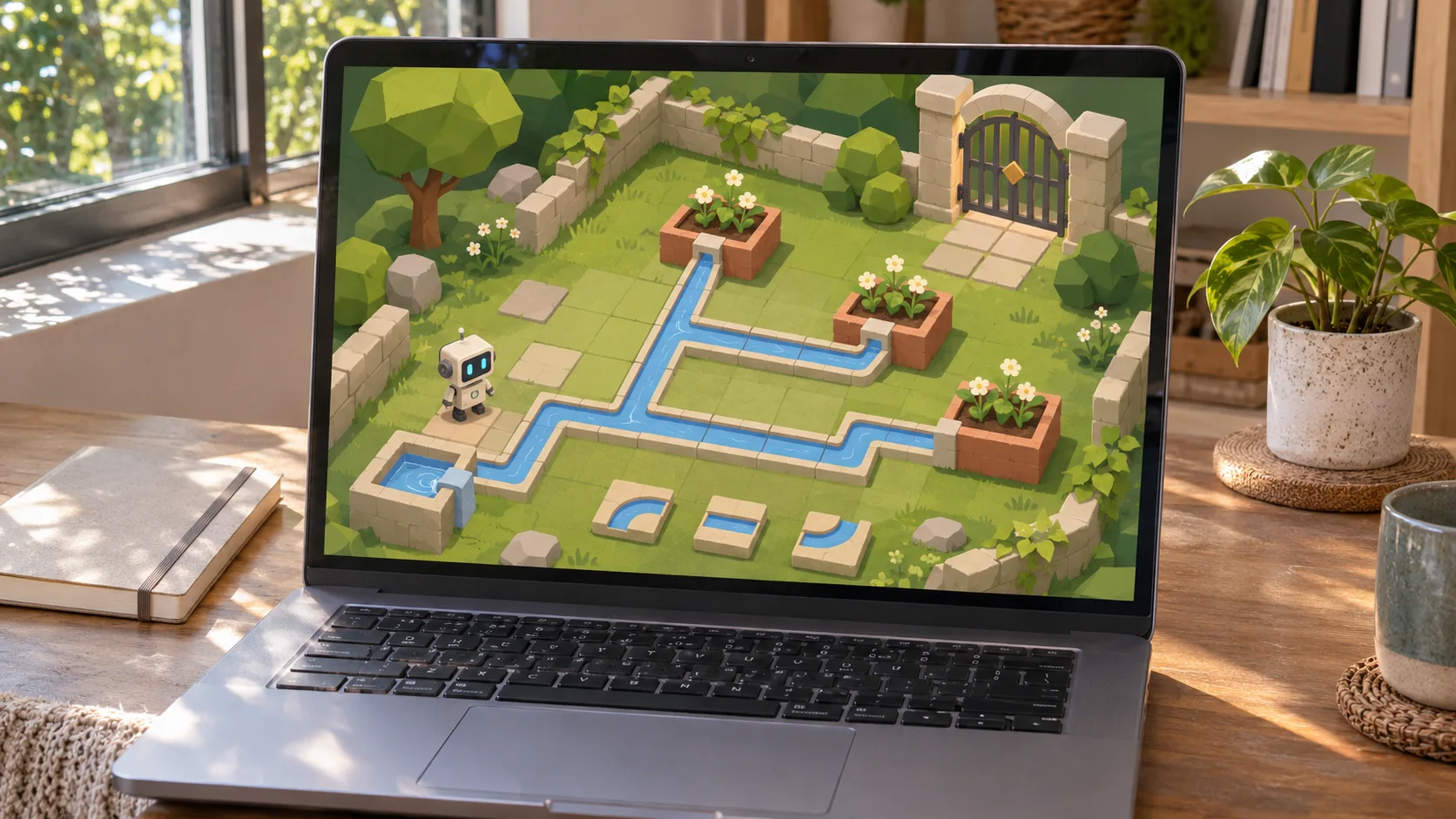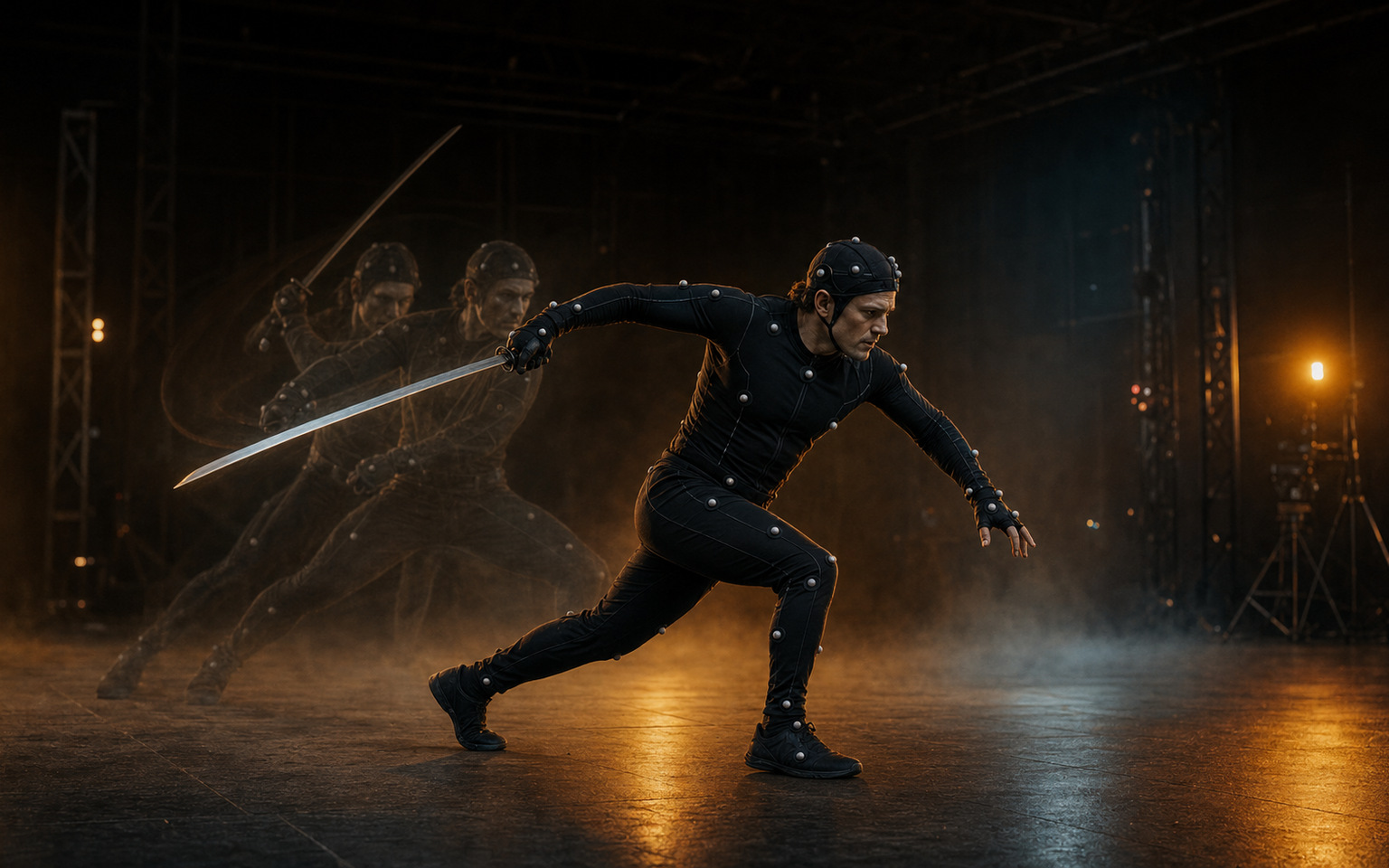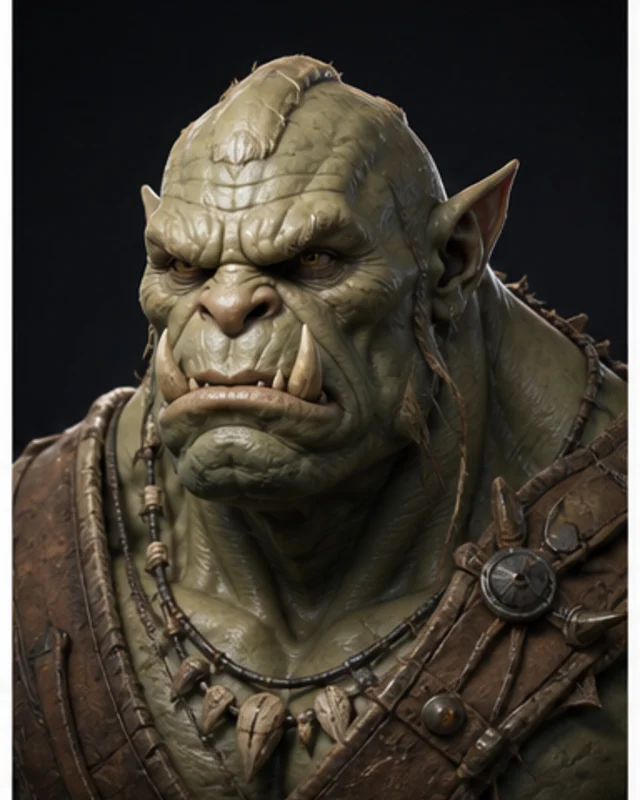

Bound the first playable slice
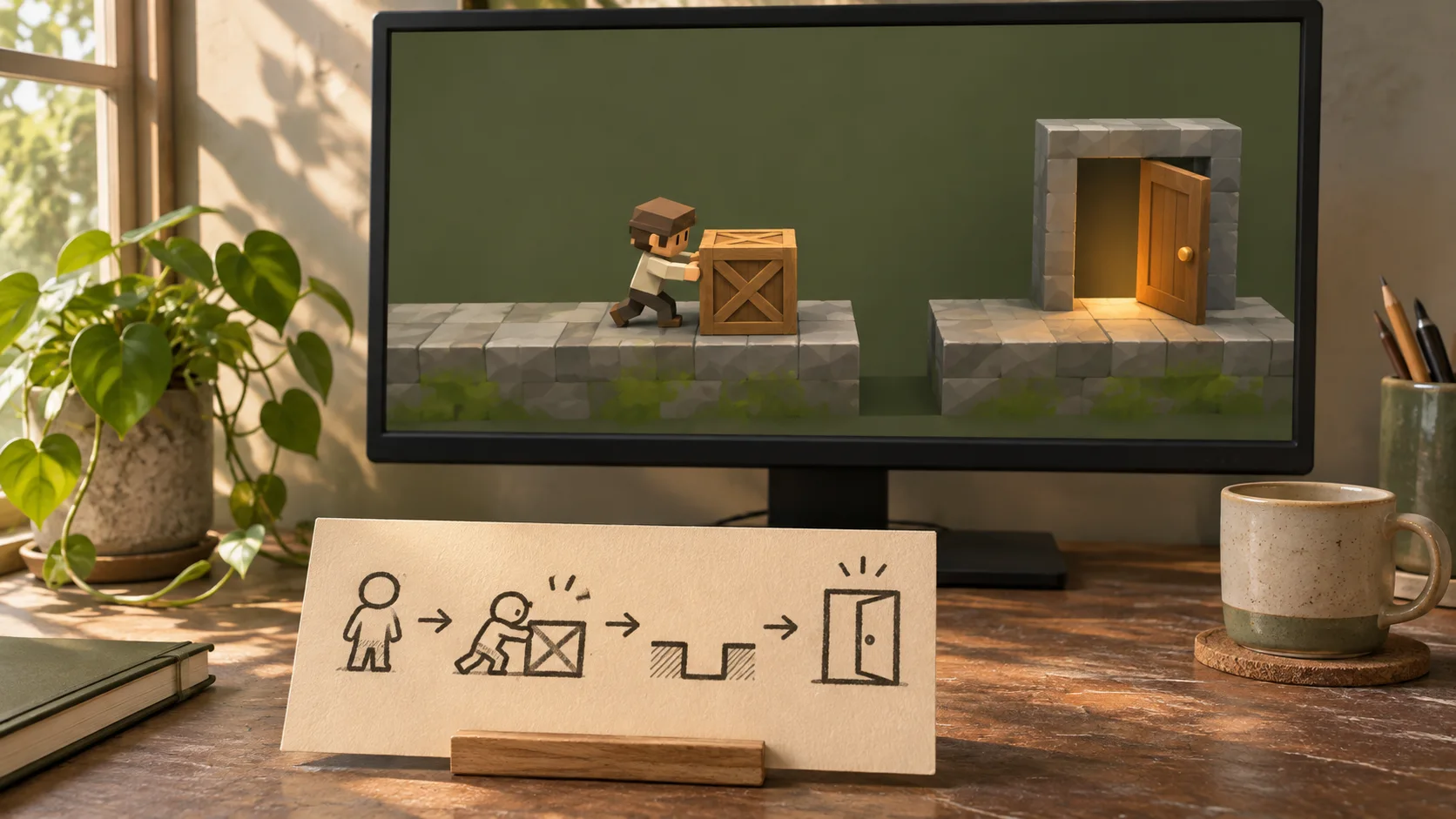
Choose one visible generation rule, such as how terrain transitions between two biomes. State the seed inputs and what should remain consistent across runs.

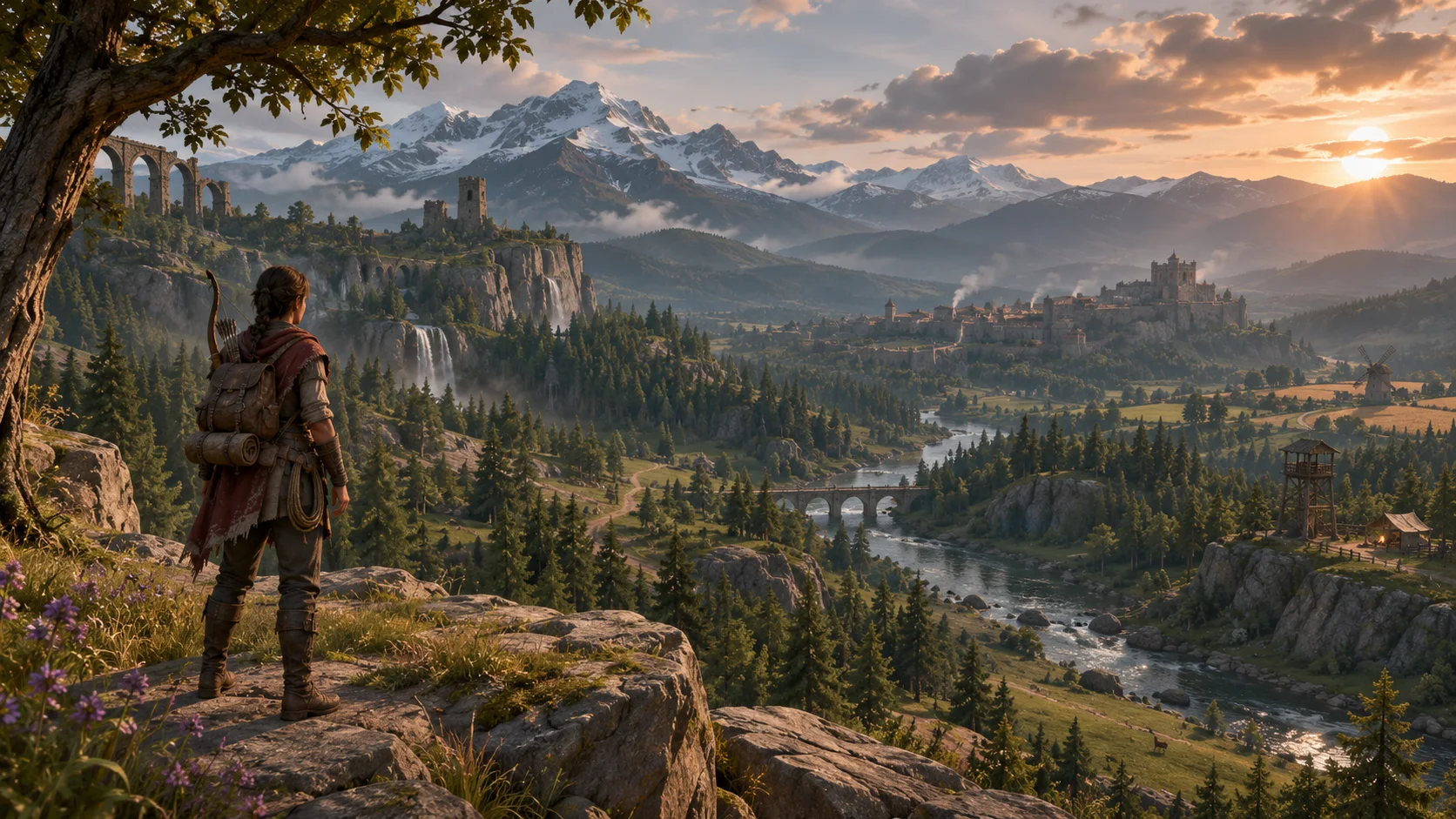
Design a procedural world slice around one rule players can observe and test. Constrain the first generated area by size, biome, and a small set of rules. Compare multiple seeds for continuity, traversal, and resource placement before increasing the number of world systems.
Partners and teams

















How it works
Sketch a candy-colored coaster, build the track in SEELE, and take it for a spin.
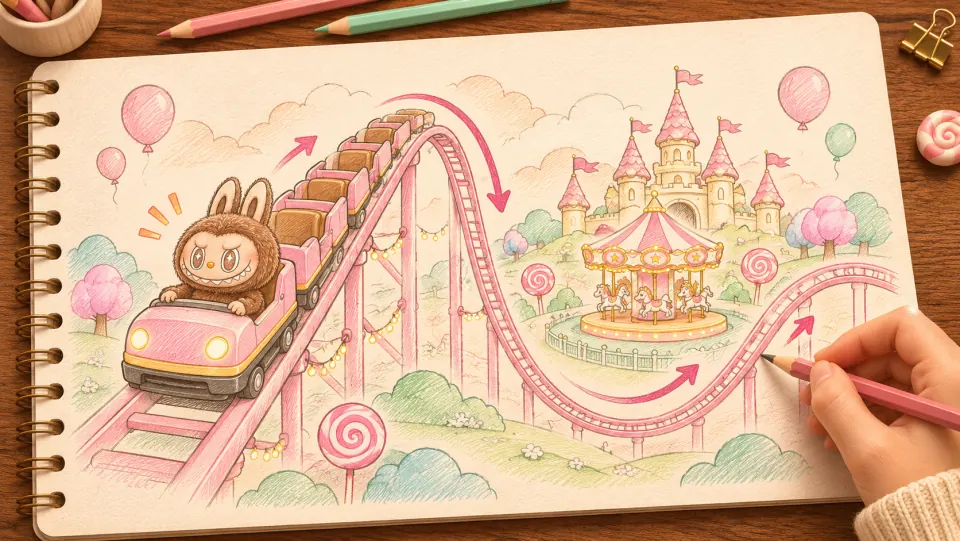
Picture Labubu riding a pink coaster through a candy-colored park. Sketch where the train climbs, drops, and sweeps past the carousel.
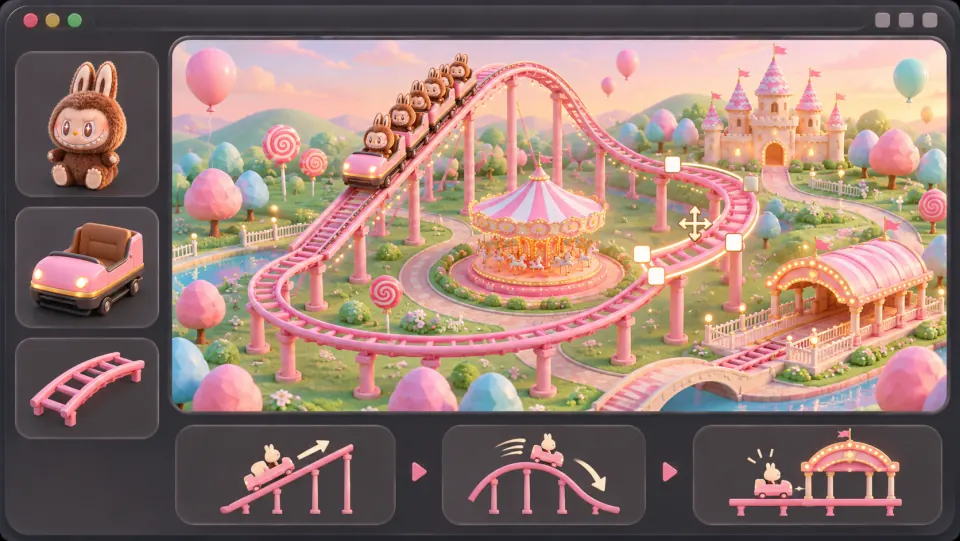
Ask seeleAgent to lay out the track, add the train and riders, and connect the lift hill and banked turns into a loop that returns to the station.
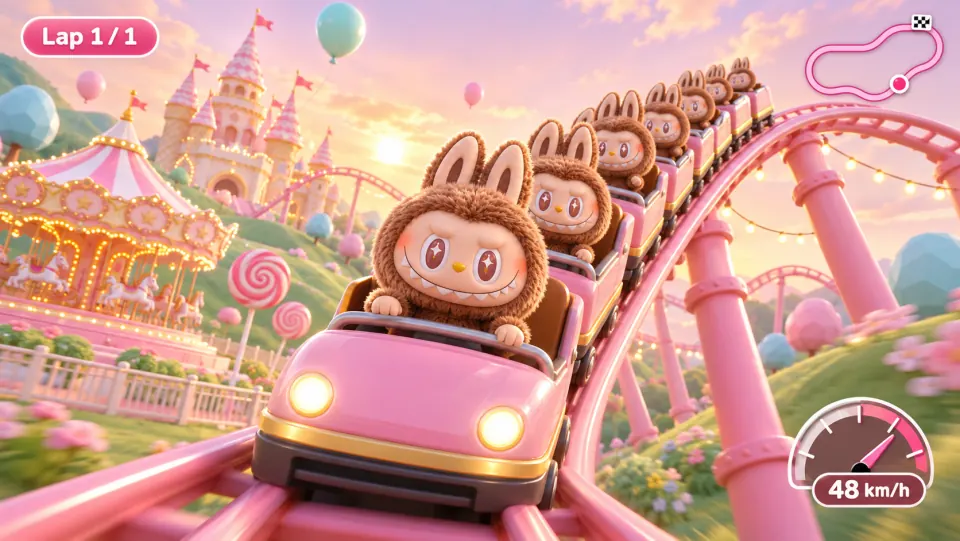
Open the game preview and follow the train through a full lap. Watch how it climbs, picks up speed on the drop, and leans through the turn.
Make a game for freePick a starting point
Choose one visible generation rule, such as how terrain transitions between two biomes. State the seed inputs and what should remain consistent across runs.
Choose one visible generation rule, such as how terrain transitions between two biomes. State the seed inputs and what should remain consistent across runs.
 Define the world rule ↗
Why SEELE
Choose one visible generation rule, such as how terrain transitions between two biomes. State the seed inputs and what should remain consistent across runs.

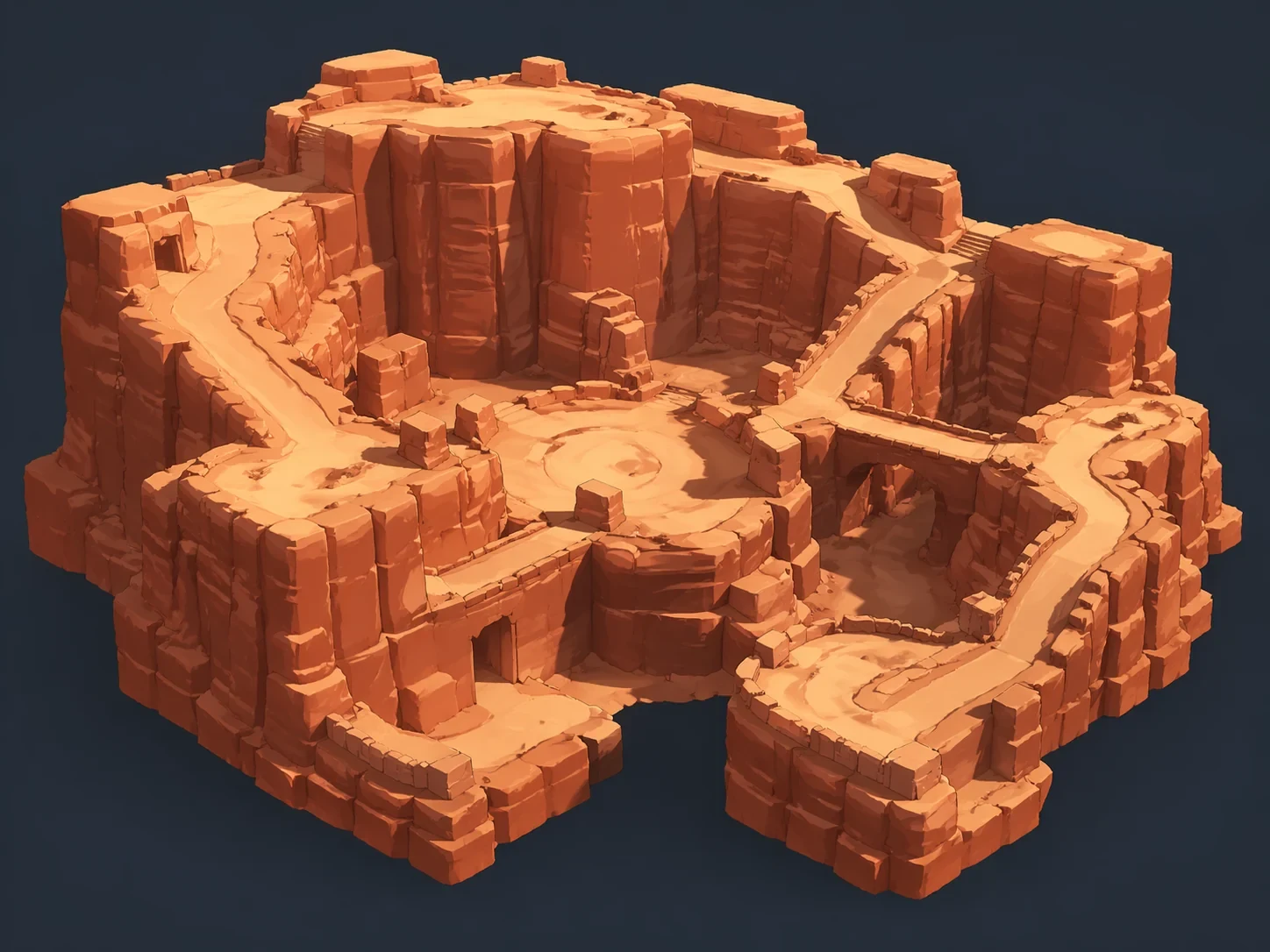
Set the map dimensions and asset set. Create several seeds and mark regions where terrain, paths, or resource placement break the intended rule.

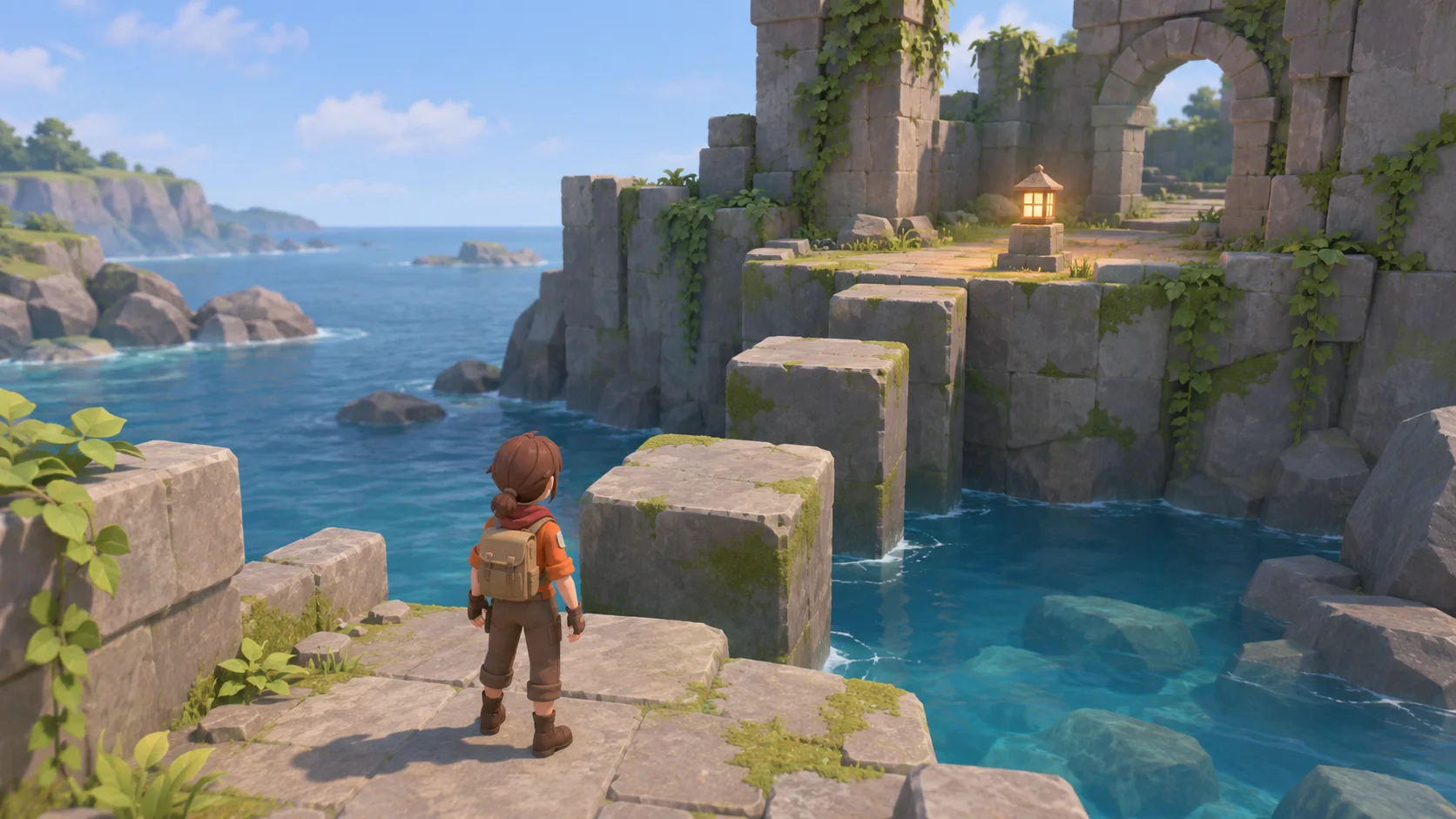
Walk or simulate traversal across boundaries. Check for unreachable areas, abrupt transitions, repeated patterns, and resource placements that block the route.

Compare the sampled seeds against the stated rule. Keep the generator and seed list used for review, then choose one system to add only if the slice remains coherent.

Constrain the first generated area by size, biome, and a small set of rules. Compare multiple seeds for continuity, traversal, and resource placement before increasing the number of world systems.

Compare the sampled seeds against the stated rule. Keep the generator and seed list used for review, then choose one system to add only if the slice remains coherent.
Made with SEELE
These games are playable. Pick one and give it a try.
 AdventureAdventure GamePlay the example ↗
 ShooterWarcom: Neon BreachPlay the example ↗
 ActionOld Gods RunPlay the example ↗
 CasualCaution! Egg on the Car RoofPlay the example ↗
 RunnerNeon Night Rush: Barrier DashPlay the example ↗
 PuzzleMuseum ExhibitionPlay the example ↗
 SimulationMilky Way Idle 3DPlay the example ↗
 CasualSnowfall & Starry GiftsPlay the example ↗
 RPGCrownfall-The-Three-Realms-CoverPlay the example ↗
 SimulationFLYING CARPlay the example ↗
Who it’s for
Describe the intended asset and where it will be used; review shape, style, rights, and downstream fit before using an output.
AI Open World Game Generator ↗
Check the proposed asset against project format, engine, and performance constraints. Available edit and export options vary by workflow.
Playable Game Terrain Generator & Level Blockout ↗
Use AI Explorable 3D World Generator as an exploration brief, then confirm that the current workflow supports the edits and handoff the project needs.
AI 3D Game Generator ↗Reviews
FAQ
It turns a plain-language world prompt into an editable direction for a navigable 3D space: grounded terrain, walkable routes, readable scale, atmospheric lighting, consistent biome rules, landmarks, and a defined player spawn. The first pass still needs traversal and collision testing.
A static scene only needs to look convincing from one view. An explorable world must hold together as the player moves: slopes need usable topology, routes need scale and destination cues, landmarks must remain readable, and the controller, camera, spawn point, collisions, and world rules must behave consistently.
Use World Generation as a focused project brief: state the intended outcome, audience, and one constraint. Review the result against those details and decide what needs a follow-up pass.
Before a first AI Explorable 3D World Generator project, define the task, intended audience, one visible outcome, and a constraint. Use First outcome as a direction that fits the brief.
To get started with AI Explorable 3D World Generator, use Define Terrain, Routes, And World Rules as the first step. Set one goal, audience, and constraint; test a small version, then change one thing at a time.
For AI Explorable 3D World Generator, name the intended user, one action, and a visible outcome. Use First outcome as a starting direction and add one requirement from its example prompt.
Ask someone who matches the intended player or viewer for AI Explorable 3D World Generator to test its main action. Note where the brief is unclear, then revise once before adding features.
For AI Explorable 3D World Generator, try First outcome first. Define the action, outcome, and one constraint, then compare another direction only if the first misses the brief.
Check the AI Explorable 3D World Generator result against the brief, intended behavior, and first workflow step. Record one mismatch and test that change before expanding scope.
Scope a first AI Explorable 3D World Generator prototype to First outcome, one user action, and one visible outcome. Defer secondary features until that path works.
Compare First outcome and Main interaction for AI Explorable 3D World Generator using the same user action and visible outcome. Choose the direction that fits the brief with fewer assumptions.
After reviewing AI Explorable 3D World Generator, record one gap between the brief and result. Make one focused change, then test the same action against the original outcome.
Match a linked tool's input and output to one need in the AI Explorable 3D World Generator brief. If it does not support that step, skip it and keep the test in the main project.