Menu

Seele AI · Tool

AI Game Story Generator

Use a game story generator to turn rough intent into clearer game writing structure, player-facing text, and iteration-ready handoff notes.

Start with the ai game story generator you want to shape

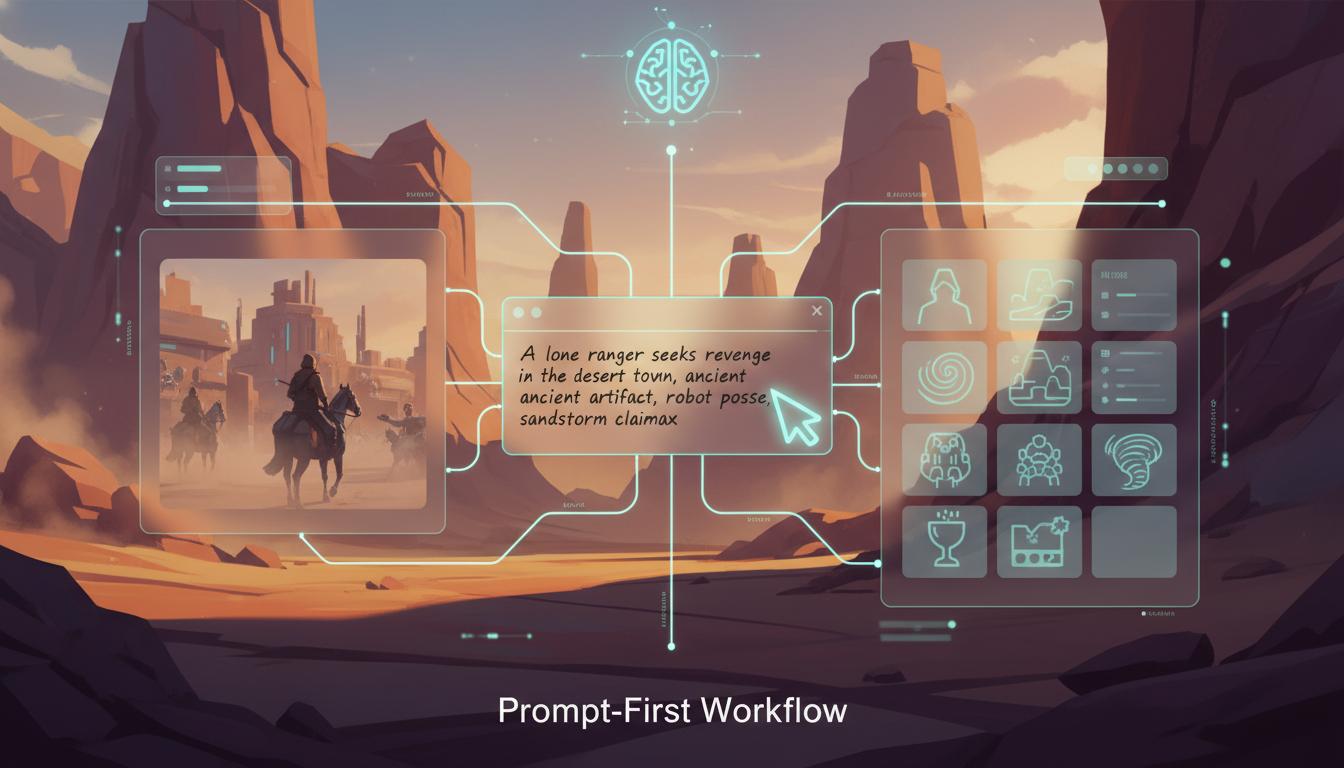
Describe the game context, intended player experience, production constraints, and the outcome you want. This handoff sends the request into Seele AI instead of stopping at a static landing page.

Quick Start Searches

Quick Start Searches

These routes cover common search intents around game story generator, game narrative design, and story outline for games.

Why Teams Use This Workflow

Why Teams Use This Workflow

These blocks stay grounded in Seele AI capabilities that support ai game story generator and continuation into production-facing work.

Seele AI Vs Typical Alternatives

Seele AI Vs Typical Alternatives

DimensionSeele AITypical alternative
Starting pointTurns rough intent into a structured handoff tied to WorkspaceOften leaves the user with a static note or generic response
Production fitBuilt to continue into broader game workflowsOften stops after the first answer
Best stageEarly planning, direction-setting, and prototype alignmentBrainstorming only or later manual production
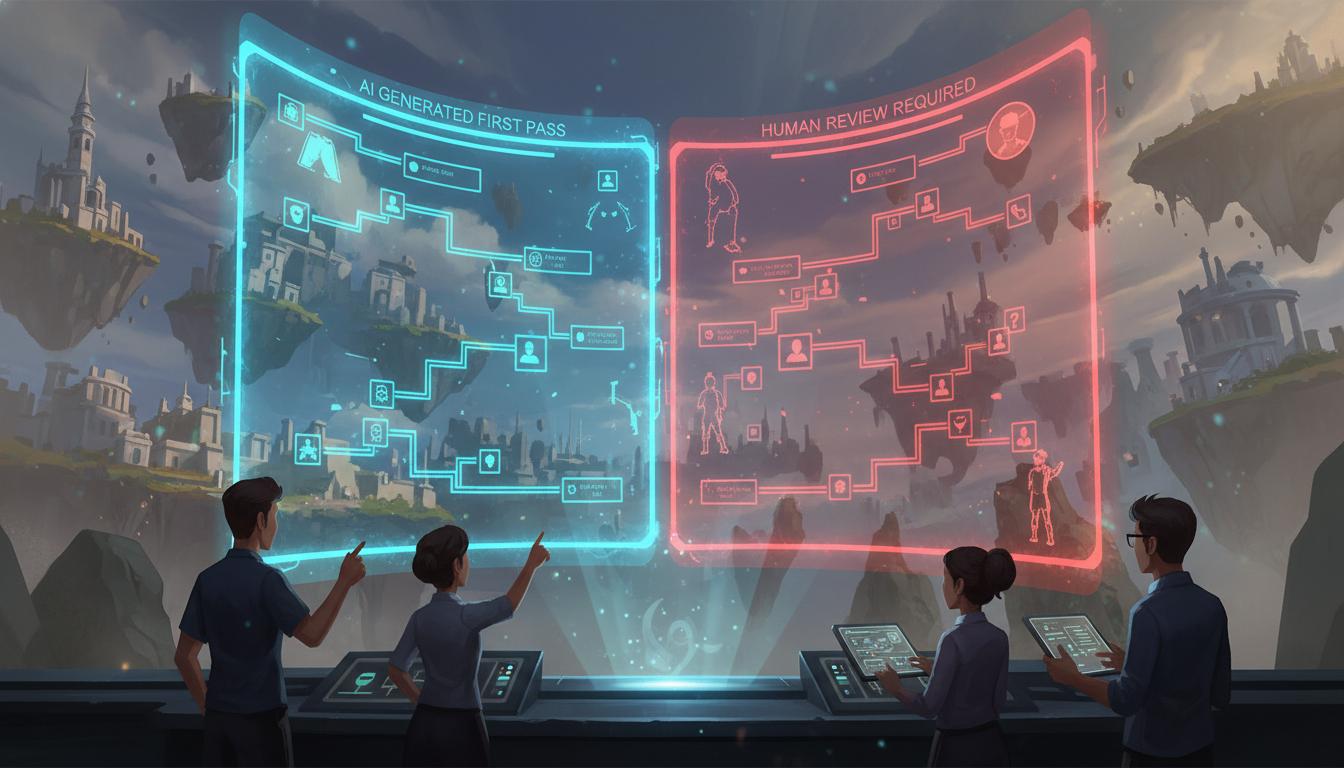
Review boundaryMakes human-review limits explicitOften leaves limits underspecified

Who This Tool Page Is For

Who This Tool Page Is For

The page is built for teams that need a stronger first-pass direction before detailed production begins.

How It Works

How It Works

This page is built to reduce blank-page friction so a team can get to a usable first-pass direction faster.

01

Frame The Writing Need

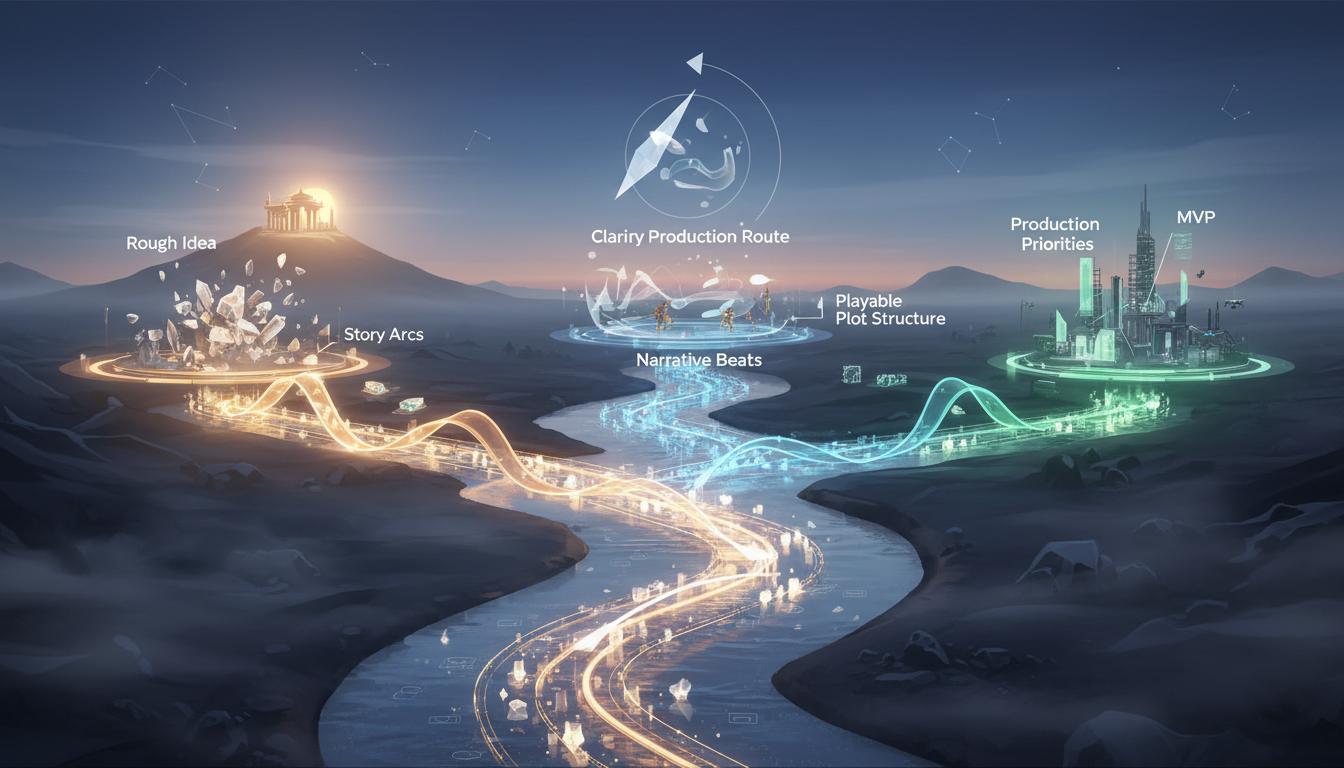
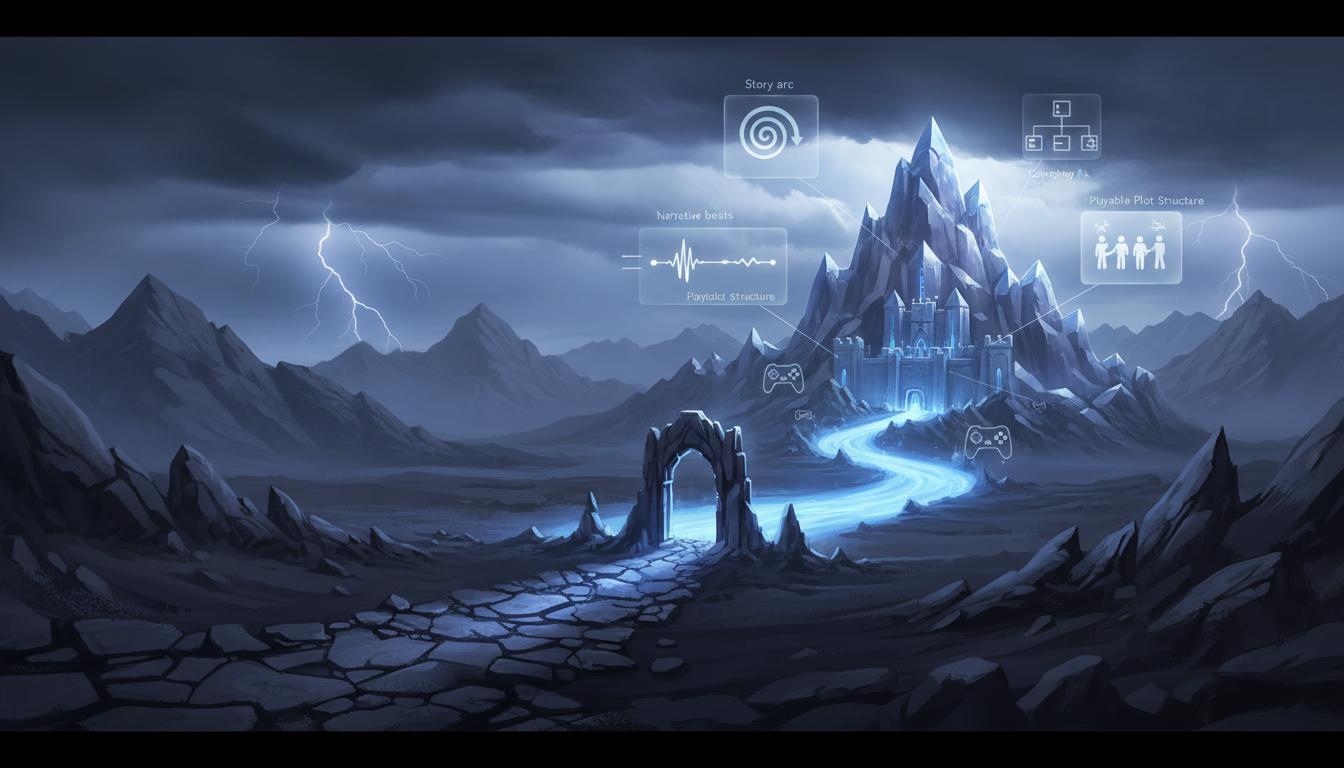
Describe the game context, audience, and constraints behind story arcs, narrative beats, and playable plot structure. Seele AI restructures the request into a clearer first-pass story outline.

02

Shape The Player-Facing Structure

Clarify what matters most for story arcs, narrative beats, and playable plot structure, what belongs in version one, and which routes should be compared. The workflow organizes the request into something easier to review, trim, and continue.

03

Carry The Draft Forward

Choose the strongest route worth iterating, prototyping, or handing to collaborators. The same prompt continues inside Workspace so the team can move into deeper production-facing work without restarting.

What You Get

What You Get

One pass should leave the team with something concrete enough to discuss, refine, or carry into production.

Story Outline

A clearer first-pass version of story arcs, narrative beats, and playable plot structure that is easier to review with the team.

Direction Comparison

Multiple routes for scope, style, or structure so the team can decide intentionally.

Review Boundary

A clearer view of what can move forward now and what still needs manual review later.

Where This Works Best

Best For And What Still Needs Review

Where This Works Best

  • Turning a rough writing need into clearer player-facing text structure.
  • Comparing narrative, dialogue, or copy routes before hand-editing.
  • Helping small teams draft faster without losing gameplay intent.
  • Continuing the same writing direction inside Seele AI Workspace.
  • Final editorial voice, narrative consistency, and lore approval.
  • Localization QA, branch edge cases, and implementation logic.
  • Sensitive content review and product-specific terminology choices.
  • Any shipping-level copy approval before release.

FAQ

What is a game story generator best used for?

AI Game Story Generator is best used for turning rough intent into clearer story outline, faster team alignment, and a stronger first-pass handoff before deeper production work begins.

Can a game story generator help with game production planning?

Yes. This workflow is meant to help teams structure the first useful version of the idea so they can review, trim, and continue it inside Seele AI.

Can I continue the same prompt inside Seele AI after using this game story generator page?

Yes. The handoff box sends the prompt into Workspace so the same direction can continue into broader game generation or follow-up workflow steps.

What does this game story generator workflow actually output?

It outputs a clearer story outline, stronger first-pass structure, and practical notes about what to review next before moving deeper into production.

What still needs human review after using a game story generator?

Final creative judgment, technical feasibility, implementation detail, and any shipping-level approval still need human review after the first AI pass.

Who is this game story generator workflow for?

It is designed for game designers, indie teams, and prototype-focused collaborators who need a stronger first-pass direction without starting from a blank page.